Table of Contents >> Show >> Hide
- What spinal discs actually do
- Can you really “rehydrate” a spinal disc?
- Why spinal discs lose hydration
- How to support spinal disc hydration and health
- 1. Stay well hydrated, but keep your expectations realistic
- 2. Walk more and sit less
- 3. Build core, hip, and glute strength
- 4. Use stretching and mobility work wisely
- 5. Improve posture and lifting mechanics
- 6. Sleep in a spine-friendly position
- 7. Maintain a healthy weight
- 8. Avoid smoking
- 9. Use physical therapy instead of random internet heroics
- What does not magically rehydrate spinal discs
- When home care is not enough
- What about regenerative treatments?
- When to seek urgent medical care
- A practical daily plan for healthier discs
- Experiences related to “How to Rehydrate Spinal Discs”
- Conclusion
Synthesized from reputable U.S. medical sources: AAOS, Mayo Clinic, Johns Hopkins Medicine, Cleveland Clinic, HSS, MedlinePlus, NIAMS, NINDS, AANS, UCSF Health, Yale Medicine, Cedars-Sinai, plus NIH-supported reviews on disc biology.
If you searched how to rehydrate spinal discs, you are probably hoping for excellent news, a simple trick, and maybe a gallon jug of water with superhero energy. Here is the honest version: spinal discs do contain a lot of water, and they do lose moisture over time, but there is no magic home hack that turns a worn disc back into its teenage self. Your discs are not houseplants. You cannot revive them with one dramatic splash and a motivational speech.
That said, all is not lost. Intervertebral discs naturally gain and lose fluid throughout the day. They are designed to handle pressure, movement, and recovery. While you usually cannot fully reverse disc degeneration at home, you can support spinal disc hydration, improve disc function, reduce irritation, and make your back a much happier place to live. In many people, that means less pain, better mobility, and fewer “my back has betrayed me” moments.
This guide breaks down what disc dehydration really means, what helps, what does not, and when it is time to see a doctor.
What spinal discs actually do
Your spinal discs sit between the vertebrae and act like shock absorbers. Each disc has a softer inner center and a tougher outer ring. In a healthy state, discs contain a lot of water, which helps them cushion movement and tolerate everyday forces like walking, bending, lifting, twisting, and pretending you are still 22.
Discs do not have a rich blood supply like muscles do. Instead, they rely on diffusion and changes in pressure to help move nutrients and fluid in and out. That is why movement matters so much. Too much constant loading can irritate a disc, but too little movement is not a win either.
Can you really “rehydrate” a spinal disc?
The best answer is: partly, sometimes, and not in the way the internet usually sells it.
If a disc is mildly dehydrated or stressed, healthy habits may help it function better and support its natural fluid balance. But if a disc is significantly degenerated, torn, or herniated, drinking more water alone will not rebuild it. Severe disc degeneration is usually managed by improving symptoms, strength, movement, and spine mechanics rather than by literally “refilling” the disc.
So the smarter goal is not chasing a fantasy of instant disc rehydration. The smarter goal is to support disc health, protect the remaining disc structure, and reduce pain triggers.
Why spinal discs lose hydration
1. Aging
As you get older, discs naturally lose some water content and elasticity. This is one reason disc degeneration becomes more common with age. Some wear is normal, and not every aging disc causes pain.
2. Repetitive stress and poor mechanics
Heavy lifting with bad form, long periods of sitting, repeated bending and twisting, and poor posture can increase stress on spinal discs. Over time, that can contribute to disc breakdown and irritation.
3. Smoking and nicotine exposure
Smoking is especially rough on the spine. It has been linked to faster disc degeneration because it can interfere with blood flow and nutrient delivery to spinal tissues. If your discs could send angry emails, smoking would be in the subject line.
4. Excess body weight
Extra weight increases the load on the spine, especially in the lower back. That does not mean every back problem is caused by weight, but it does mean weight management can be part of a helpful long-term strategy.
5. Injury or disc damage
A disc can also become dehydrated or structurally compromised after injury, strain, or herniation. In those cases, the issue is often not just hydration. It is also inflammation, mechanical stress, and sometimes nerve compression.
How to support spinal disc hydration and health
1. Stay well hydrated, but keep your expectations realistic
Yes, general hydration matters. Your body works better when you are not chronically dehydrated, and that includes the tissues that support your spine. But drinking water is not a direct refill hose for a damaged disc. Think of hydration as part of the maintenance plan, not a miracle repair kit.
A practical rule is to drink fluids consistently throughout the day instead of trying to “catch up” with one giant bottle at night. If you have kidney, heart, or other medical conditions that affect fluid intake, follow your doctor’s advice.
2. Walk more and sit less
One of the best things for disc health is regular, low-impact movement. Walking helps keep the spine moving, improves circulation to surrounding tissues, and prevents your back from stiffening into the shape of your office chair.
Try getting up every 30 to 60 minutes if you sit a lot. A short walk, a gentle stretch, or even standing for a few minutes can help reduce continuous pressure on irritated discs.
3. Build core, hip, and glute strength
Stronger support muscles help take pressure off the spine. Physical therapy and guided exercise often focus on the abdominal muscles, back extensors, hips, and glutes. This improves stability and helps your body distribute force better during daily movement.
The goal is not to become a plank influencer. The goal is to create a spine that feels supported when you stand, walk, lift, and roll out of bed without making suspicious sound effects.
4. Use stretching and mobility work wisely
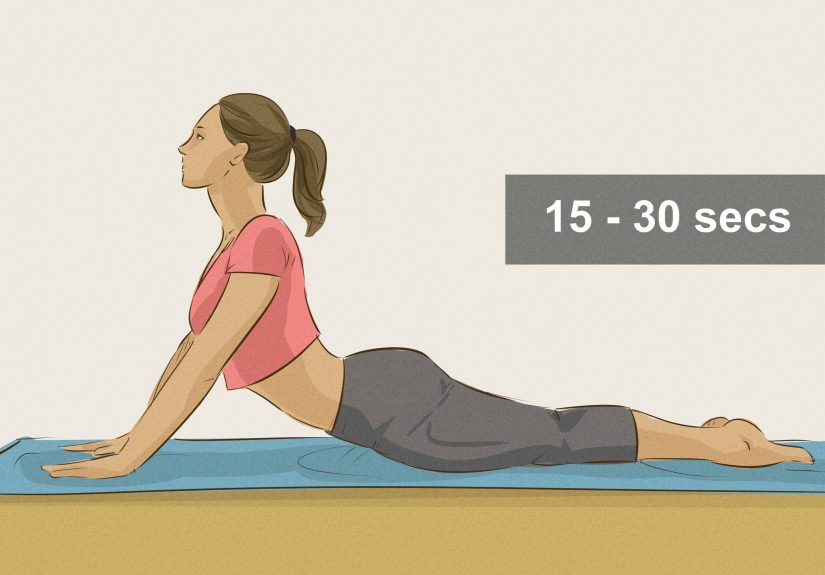
Gentle stretching can help reduce stiffness and improve how you move, but more is not always better. If you have a herniated disc or nerve symptoms, aggressive stretching may aggravate things. Targeted mobility work usually works best when it is chosen for your specific symptoms.
Good options for many people include gentle hamstring stretches, hip mobility work, and therapist-guided lumbar stabilization exercises. The key word is gentle, not “let me fold myself like a lawn chair.”
5. Improve posture and lifting mechanics
Posture is not about sitting like a Victorian portrait all day. It is about reducing unnecessary strain. Keep your lower back supported when sitting, position screens at eye level, and avoid staying in one posture too long.
When lifting, bend at the hips and knees, keep the load close to your body, and avoid twisting while carrying weight. Good mechanics do not just protect discs in theory. They can reduce the repeated irritation that keeps symptoms hanging around.
6. Sleep in a spine-friendly position
Because discs reabsorb fluid when the spine is unloaded, rest matters. Sleep will not reverse degeneration, but it can reduce pressure and give irritated structures a chance to calm down.
Many people with back pain do better sleeping on their back with a pillow under the knees or on their side with a pillow between the knees. The goal is to keep the spine in a more neutral position and avoid unnecessary twisting or arching.
7. Maintain a healthy weight
If you carry extra weight, even modest weight loss may reduce the load on your lower back and improve symptoms over time. This is not about chasing a perfect number. It is about reducing mechanical stress and making movement easier and more sustainable.
8. Avoid smoking
If you want a practical answer to how to rehydrate spinal discs naturally, quitting smoking belongs near the top of the list. Smoking is linked to faster spinal wear, poorer healing, and worse long-term spine outcomes. It is one of the most modifiable risk factors you can control.
9. Use physical therapy instead of random internet heroics
Physical therapy is one of the most evidence-based ways to improve back pain related to disc issues. A good PT program can teach you which movements help, which ones aggravate symptoms, how to strengthen without flaring pain, and how to return to normal activity safely.
That is far more useful than trying a mystery stretch from social media called something like “The Cobra Pretzel Rocket Reset.”
What does not magically rehydrate spinal discs
There are plenty of products and promises floating around online. Here is the grounded version:
- Drinking a huge amount of water in one day: helpful for overall hydration, not a direct disc repair plan.
- One stretch or one exercise: back health usually improves from consistency, not a single “fix.”
- Supplements with dramatic claims: some may support general health, but none can reliably regrow a severely degenerated disc on demand.
- Bed rest for days: too much rest can worsen stiffness and weakness.
- Pain-free imaging dreams: some people have scary-looking MRI findings with little pain, while others hurt a lot with less dramatic imaging. Symptoms and function matter.
When home care is not enough
If back pain, leg pain, numbness, tingling, or weakness keeps lingering, it may be time for a more formal evaluation. A doctor may consider imaging, especially if symptoms are severe, persistent, or suggest nerve compression.
Treatment beyond home care can include:
- supervised physical therapy
- anti-inflammatory medication, if appropriate
- activity modification
- targeted injections for selected cases
- surgery when symptoms are significant, persistent, or causing nerve-related deficits
In other words, the question is not always “How do I rehydrate this disc?” Sometimes the better question is “How do I calm the pain generator, protect nerve function, and move well again?”
What about regenerative treatments?
Research into biologic and regenerative spine treatments is ongoing. Scientists are studying approaches such as stem cell strategies and other ways to slow or repair disc degeneration. That is exciting. It is also not the same as saying there is a widely proven, standard, home-based treatment that fully restores disc hydration today.
Artificial disc replacement and some surgeries can help selected patients with pain and function, but those procedures address structural problems and symptoms. They are not the same thing as naturally rehydrating your original disc.
When to seek urgent medical care
Get medical help right away if back pain comes with any of these red flags:
- new loss of bowel or bladder control
- numbness in the inner thighs, groin, or saddle area
- progressive leg weakness
- severe pain after a fall, crash, or other trauma
- fever with back pain
- unexplained weight loss or a history of cancer with new back pain
Those symptoms can signal serious problems that need prompt evaluation, not another heating pad and wishful thinking.
A practical daily plan for healthier discs
If you want a realistic routine for spinal disc hydration and back pain relief, start here:
- Drink water regularly throughout the day.
- Walk for 10 to 20 minutes once or twice daily, as tolerated.
- Stand up and change position at least every hour.
- Do a short core and hip routine most days of the week.
- Use proper lifting mechanics.
- Sleep in a neutral position with pillow support if needed.
- Work on weight management and smoking cessation if either applies to you.
- See a clinician if symptoms radiate, persist, or worsen.
Experiences related to “How to Rehydrate Spinal Discs”
One of the most common experiences people report is the moment they realize the phrase rehydrate spinal discs sounds simpler than the real-life process. At first, many expect a direct solution: drink more water, do one stretch, buy one gadget, and suddenly the low back feels brand new. What usually happens instead is more gradual. A person starts drinking water more consistently, walking every day, changing positions more often, and working on posture. The first change is often not dramatic pain relief. It is usually something smaller, like less stiffness getting out of bed, less soreness after sitting, or fewer “catching” sensations during daily movement.
Another very real experience is frustration with inconsistency. Back symptoms often improve in a non-linear way. Someone might have three pretty good days and then one bad day after a long car ride, a stressful work week, or an overconfident attempt to move furniture like they are auditioning for a home renovation show. That does not always mean the plan failed. It often means discs and surrounding tissues respond to cumulative load. Many people feel better when they stop chasing perfection and start watching patterns instead. They notice that regular walking helps, skipped exercise makes stiffness worse, and sitting for hours turns the lower back into a grumpy roommate.
People also commonly describe a shift in mindset once they begin physical therapy or a guided exercise plan. Before that, movement may feel scary. There is often a fear that bending, walking, or strengthening will “dry out” the disc more or make damage worse. But with the right program, many discover that controlled movement is part of the solution, not the enemy. They learn the difference between soreness and danger, between stiffness and injury, and between helpful effort and symptom flare. That education alone can be a huge relief. It replaces panic with a plan.
Sleep is another big one. Many people trying to improve disc health notice they feel better after changing sleep position, adding a pillow under their knees, or placing a pillow between their legs when side sleeping. The difference is often subtle but meaningful. They may not wake up pain-free, but they stop waking up feeling like they spent the night folded into a pretzel. Better sleep also tends to improve energy, patience, pain tolerance, and follow-through with exercise, which creates a useful ripple effect.
Finally, a lot of people describe success as getting their life back in pieces. Not one giant cinematic comeback, but a steady return to normal things: walking the dog without fear, sitting through dinner, driving without constant repositioning, gardening in shorter sessions, or standing up from the couch without negotiating with the laws of physics. That is an important point. When people ask how to rehydrate spinal discs, they are often really asking how to feel more normal again. In practice, the most rewarding experience is usually not “my MRI looks younger.” It is “I can move, function, and trust my body more than I could a few months ago.”
Conclusion
How to rehydrate spinal discs is not really a story about one magical fix. It is a story about supporting your spine in smart, repeatable ways. General hydration helps. So do walking, strength work, posture, good sleep positioning, weight management, and avoiding smoking. These habits may not turn back the clock, but they can improve spinal disc health, reduce stress on irritated tissues, and help you move with less pain.
The most important takeaway is this: do not measure success only by whether a disc is “refilled.” Measure success by how you feel, how well you function, and whether your back is becoming more resilient over time. That is the kind of progress that actually matters in the real world.