Table of Contents >> Show >> Hide
- Rhubarb 101: What You’re Actually Buying
- Food Safety: The Part Where We Don’t Mess Around
- How to Choose Rhubarb That Won’t Fight You Later
- How to Store Fresh Rhubarb (So It’s Ready When You Are)
- Step-by-Step: How to Prep Rhubarb for Desserts
- The Sweet-Tart Balancing Act: Sugar, Acid, and Salt
- How to Prep Rhubarb Specifically for Spring Desserts
- Beyond Dessert: Rhubarb Plays Well with Savory and Sips
- Preserving Rhubarb for Later (Because Spring Doesn’t Last)
- Common Rhubarb Problems (and How to Fix Them)
- Quick “Do This, Get Dessert” Recipes (No Stress Edition)
- Extra of Real-World Rhubarb Experience (The Stuff You Only Learn by Doing)
- Conclusion
Rhubarb is the overachiever of spring produce: technically a vegetable, emotionally a fruit, and
practically the reason strawberries started showing up to parties in pairs. It’s tart, punchy,
and (when treated correctly) turns into the pink, jammy backbone of pies, crisps, compotes,
jams, syrups, and even a few savory surprises.
But “treated correctly” is doing a lot of work there. Rhubarb can go from vibrant and glossy
to sad and stringy if you pick the wrong stalks, skip a key prep step, or drown it in wishful
thinking instead of a real thickener. This guide walks you through exactly how to prepare
rhubarb for spring desserts (and a whole lot more), with practical, test-kitchen-style tips you
can actually useno culinary dissertation required.
Rhubarb 101: What You’re Actually Buying
Rhubarb is sold as firm stalks (also called petioles) that range from pale green to deep ruby.
Color is mostly about varietynot a guaranteed sweetness meterso don’t assume the reddest
stalk is automatically the sugar-free unicorn of your dreams.
The flavor is bright and sharply tart when raw. Most people cook rhubarb with sugar (or another
sweetener) because rhubarb’s whole personality is “sour patch kid energy,” minus the kid.
Food Safety: The Part Where We Don’t Mess Around
Only the stalks are edible. Rhubarb leaves contain high levels of oxalic acid and are considered
toxicso remove and discard them promptly. If you bought rhubarb with leaves attached, don’t
“save them for pesto.” That’s not quirky; it’s a terrible plan.
One more nuance: the stalks also contain oxalates (in smaller amounts). For most people, enjoying
rhubarb occasionally is fine. If you’re prone to kidney stones or have kidney-related concerns,
it’s smart to be cautious and talk with a clinician about high-oxalate foods.
How to Choose Rhubarb That Won’t Fight You Later
Look for:
- Firm, crisp stalks (not floppy or shriveled).
- Thinner stalks if you want less fiber and faster cooking.
- Even color and a fresh, bright lookspring produce should look awake.
Avoid:
- Stalks that are limp, split, or leaking a lot of juice in the bundle.
- Very thick, woody stalks unless you’re willing to peel strings and cook longer.
How to Store Fresh Rhubarb (So It’s Ready When You Are)
For short-term storage, keep rhubarb cold and lightly wrapped. Many cooks wrap stalks in plastic
(or use a produce bag) and refrigerate. Depending on whose kitchen rules you follow and how fresh
the stalks were, you’ll see guidance ranging from “use within a week” to “it can last a couple
weeks or more.” Practical reality: fresher rhubarb cooks better, so treat it like a spring
flingdon’t drag it out for months.
If the stalks came with leaves attached, remove the leaves right away before storing.
Step-by-Step: How to Prep Rhubarb for Desserts
Here’s the dependable, repeatable process that works whether you’re making a strawberry-rhubarb
pie, a cozy crisp, or a punchy compote for spooning over yogurt.
Step 1: Remove leaves (if present)
Cut them off completely and discard. Don’t cook them. Don’t juice them. Don’t “just taste a tiny
bit.” You’re not a Victorian poet trying to be dramatic.
Step 2: Rinse and dry
Rinse stalks under cool running water to remove dirt (rhubarb is a garden kid; it gets muddy).
Pat dry. Drying matters more than people thinkespecially if you’re freezing or trying to keep
a pie from going watery.
Step 3: Trim the ends
Slice off the dry top and the very bottom end. If the bottom is bruised or tough, trim a little
moreno one wins a medal for eating the worst part.
Step 4: Decide whether to peel
Most rhubarb doesn’t need peeling. But if you have thick stalks or you can visibly see strings
lifting off the surface, peel like you would celery: catch a string at the cut end with a paring
knife and pull it down the stalk.
Step 5: Cut for your goal
- Pie / crisp: 1/2-inch to 1-inch pieces (bigger pieces hold shape better).
- Compote / sauce: 1/2-inch pieces (they break down quickly).
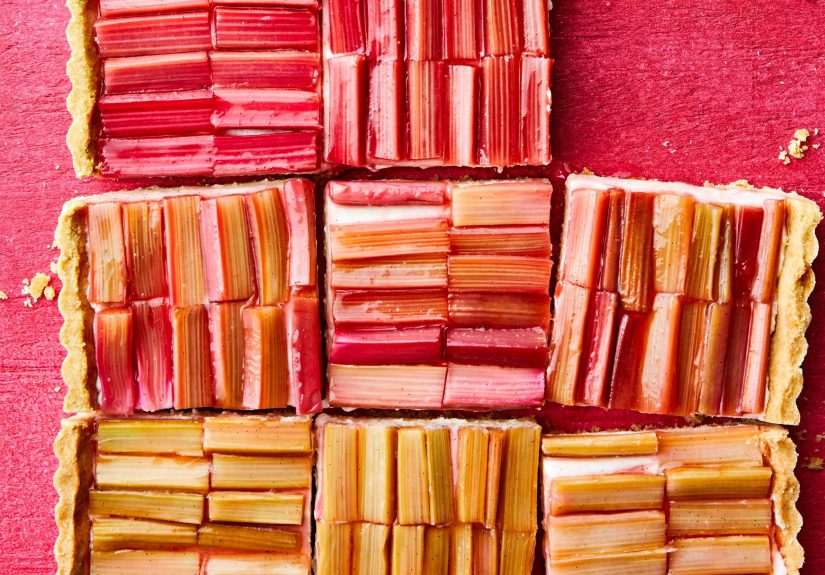
- Tarts with neat patterns: longer batons or bias-cut pieces for a pretty top.
- Syrup / shrub: rough chop is fine; you’ll strain later.
The Sweet-Tart Balancing Act: Sugar, Acid, and Salt
Rhubarb is famously tart. To make it dessert-friendly, you typically add sugar and sometimes a
little citrus (like lemon) for brightness. Counterintuitively, a tiny pinch of salt can make
rhubarb taste more “rhubarb-y” by rounding the sharp edges.
A useful starting point for many dessert applications is 1/4 to 1/2 cup sugar per pound
of chopped rhubarb, adjusted based on what you’re pairing it with (strawberries sweeten
things naturally) and how tart you like your life.
How to Prep Rhubarb Specifically for Spring Desserts
1) For pies: prevent “rhubarb soup”
Rhubarb releases a lot of liquid as it cooks. Great for compote. Not great for a crisp bottom
crust. The best pie results usually come from some combination of:
- Maceration: Toss fruit with sugar and let it sit so it releases juice before baking.
- Smart thickening: Use an appropriate thickener (cornstarch, tapioca, flour, or specialty options like clear jel/pie enhancers).
- Partial pre-cook (optional but powerful): Briefly cook macerated fruit and thickener to control liquid before it hits the crust.
Thickener quick guide (because pies are petty and will punish guesswork):
- Cornstarch: common, reliable, can turn slightly glossy; don’t overdo it.
- Quick-cooking tapioca / tapioca starch: can thicken beautifully but may get sticky if heavy-handed.
- All-purpose flour: workable, but can taste a bit starchy and looks more opaque.
- Instant ClearJel / pie filling enhancers: favored by some bakers for consistent thickening.
If you’ve ever cut into a fruit pie and watched the filling run like it had a flight to catch,
consider pre-cooking part of the filling or boosting your thickener strategy.
2) For crisps and crumbles: embrace the juice (but still thicken a little)
Crisps are more forgiving than pies. Still, rhubarb can create a lot of bubbling liquid. A small
amount of thickener (even just a tablespoon or two of flour or cornstarch in the fruit mixture)
helps keep things saucy instead of soupy. Add lemon zest, vanilla, or a pinch of cardamom if you
want your crisp to taste like it reads poetry.
3) For compote: fast, easy, and wildly versatile
Compote is basically rhubarb’s love language: quick simmer, gentle sweetening, optional berries,
and you’re done. Keep the cooking short if you want pieces; cook longer if you want a spreadable
jammy texture.
Basic rhubarb compote blueprint:
- Chop rhubarb.
- Add a splash of water (just enough to prevent scorching), sugar, and optional lemon.
- Simmer covered briefly, then uncovered to adjust thickness.
- Cool. Taste. Adjust sweetness.
4) For tarts: keep it tidy
If you want those gorgeous tart tops with rhubarb lined up like it’s at attention, cut stalks
into batons and either:
- Quick-simmer for a couple minutes to soften slightly, then drain well, or
- Roast briefly so the rhubarb keeps shape and concentrates flavor.
Beyond Dessert: Rhubarb Plays Well with Savory and Sips
Quick-pickled rhubarb
Pickling rhubarb gives you crisp-tender tang that works on cheese boards, salads, grain bowls,
and anywhere you’d normally use something like pickled onions. Slice on a bias, pour hot
vinegar-sugar-salt brine over it, and chill. The result is punchy, pink, and suspiciously
snackable.
Rhubarb chutney
Rhubarb chutney is a sweet-spiced condiment that’s excellent with pork, roasted chicken, or
even a grilled cheese that needs an attitude adjustment. Think rhubarb + onion + warm spices +
something fruity (raisins are common), cooked down until spoonable.
Rhubarb syrup and shrubs
Rhubarb syrup is the shortcut to “I made a fancy drink” without needing a mixology degree:
simmer rhubarb with sugar and water, then strain. Add to sparkling water, lemonade, iced tea,
or cocktails.
Shrubs (fruit + vinegar + sugar) are a classic way to preserve bright flavor for drinks. Rhubarb
is particularly good here because the tartness doesn’t get lost under vinegarit high-fives it.
Preserving Rhubarb for Later (Because Spring Doesn’t Last)
How to freeze rhubarb
Freezing is the easiest way to keep rhubarb on standby for future pies and crisps. You can freeze
it raw, or blanch it briefly to help retain color and flavor.
- Dry pack: After washing, trimming, and cutting, pack into freezer bags/containers. Remove excess air.
- Tray-freeze first (optional but smart): Freeze pieces in a single layer until firm, then bag them so they don’t clump.
- Quick blanch option: A brief dip in boiling water (about 1 minute), then an ice-water cool-down can help preserve quality.
Label your bags with the date and the quantity (future-you will feel seen). Frozen rhubarb is
best used in cooked applications; texture softens after freezing, which is perfect for pies,
sauces, and compotes.
How to can rhubarb (follow tested recipes)
If you’re canning rhubarb, use a tested, reputable recipe and processing method (water-bath
canning is typical for fruit-style preparations). Don’t freestyle ratios, jar sizes, or
processing timescanning is not the place for “I watched half a video once.”
Drying and fruit leather
Yes, you can dry rhubarb. It becomes pleasantly tart and chewy, and it’s great chopped into
granola or trail mix. Rhubarb also works in fruit leathersoften paired with berries or applesauce
to round out the flavor.
Common Rhubarb Problems (and How to Fix Them)
“It’s too stringy.”
Use thinner stalks next time, or peel thick stalks before cooking. Also: don’t overcook if you
want pieces to hold.
“My pie is runny.”
Increase thickener slightly, macerate longer, or pre-cook part of the filling to reduce liquid.
Also make sure you’re cooling the pie fully before slicinghot filling is basically lava with
aspirations.
“It’s still too tart.”
Add sugar gradually (especially in compotes). Pair with naturally sweet fruit (strawberries,
ripe apples, or pears). Vanilla, orange zest, and warm spices can also make rhubarb taste sweeter
without dumping in a sugar blizzard.
Quick “Do This, Get Dessert” Recipes (No Stress Edition)
Fast Rhubarb Compote (10 minutes-ish)
- 4 cups chopped rhubarb
- 1/3 cup sugar (adjust to taste)
- 2–3 tablespoons water
- Pinch of salt + optional lemon zest
Simmer covered until softened, then uncover and cook to your preferred thickness. Cool and use
on pancakes, yogurt, ice cream, or straight off the spoon like a totally normal person.
Spring Crisp Filling That Behaves
- 4 cups chopped rhubarb + 2 cups sliced strawberries
- 1/2 cup sugar
- 1–2 tablespoons cornstarch
- Lemon zest + a pinch of salt
Toss, rest 10 minutes, top with your favorite crumble, bake until bubbly. The cornstarch helps
the juices turn glossy instead of watery.
Rhubarb Syrup for Sodas and Cocktails
- 2 cups chopped rhubarb
- 1 cup water
- 3/4 to 1 cup sugar
Simmer until rhubarb collapses, then strain. Chill. Mix with sparkling water and a squeeze of
citrus. Congratulationsyou now serve “pink drinks.”
Extra of Real-World Rhubarb Experience (The Stuff You Only Learn by Doing)
The first time most people bring home rhubarb, it’s usually because spring made them feel
ambitious. You see those neon-pink stalks at the store or farmers’ market and think, “I could
be the kind of person who bakes seasonal desserts.” Ten minutes later, you’re standing in your
kitchen holding what looks like celery’s colorful cousin, wondering if you’re supposed to peel
it, roast it, or apologize to it.
Here’s the first kitchen truth: rhubarb is easyuntil you treat it like a berry. Berries are
delicate; rhubarb is sturdy. Berries don’t usually need peeling; rhubarb sometimes does. Berries
politely release a little juice; rhubarb will empty its emotional baggage into your baking dish
if you don’t plan ahead. That’s why your earliest rhubarb desserts might taste great but look a
little… aquatic. The fix is simple and oddly satisfying: toss rhubarb with sugar and let it sit.
The sugar draws out liquid early, which gives you control. Suddenly, you’re not baking a pie;
you’re managing a juicy situation like an adult.
The second truth: rhubarb goes from “firm chunks” to “soft ribbons” fast. Walk away from a pot
of simmering rhubarb for a few extra minutes and you’ll return to something that resembles a
pink lava flow (delicious, but not chunky). This is why compote is the gateway recipe: it’s
basically impossible to ruin, and it teaches you how quickly rhubarb changes texture. Once you
learn that timing, you can decide whether you want tidy pieces for a tart or a jammy swoosh for
swirling into whipped cream.
The third truth: flavor upgrades are everywhere. After you’ve made the classic strawberry-rhubarb
combo once, you start noticing how rhubarb loves new friends: orange zest, vanilla, ginger,
cardamom, and even black pepper (yes, really). These aren’t “fancy chef tricks.” They’re small
tweaks that make your desserts taste intentional instead of accidental. A pinch of salt is the
quiet hero hereit doesn’t make rhubarb salty; it makes rhubarb taste more like itself.
The fourth truth: freezing rhubarb is a life choice, and it’s a good one. The first time you
freeze a big haul, you feel like you’ve hacked the calendar. Future-you will pull out a bag of
chopped rhubarb in November and feel like spring mailed you a care package. Frozen rhubarb won’t
be crisp anymore (texture softens), but for pies, crisps, and sauces? It’s a superstar. The only
“experience-based” mistake people repeat is forgetting to label the bag. Three months later, you
find pink chunks and play the least fun game show: “Rhubarb or weird freezer mystery?”
Finally, the most important rhubarb experience: don’t overthink it. Rhubarb is forgiving if your
goal is delicious. Prep it cleanly, sweeten it thoughtfully, thicken it when needed, and keep
your cooking time aligned with the texture you want. Once you do that, rhubarb stops being that
intimidating seasonal ingredient and becomes what it’s meant to be: the tart, bright shortcut to
spring desserts that taste like you’ve been doing this forever (even if you absolutely have not).
Conclusion
Preparing rhubarb well comes down to a few simple wins: buy firm stalks, ditch the toxic leaves,
wash and trim, peel only if stringy, cut to match your recipe, and manage moisture with
maceration and proper thickening. From pies and crisps to compotes, syrups, shrubs, and chutneys,
rhubarb is one of spring’s most flexible ingredientsequal parts bold flavor and bright color,
with a tartness that practically demands whipped cream.