Table of Contents >> Show >> Hide
- Why Hands Age So Fast
- 13 Steps to Make Hands Look Younger
- 1. Wear sunscreen on your hands every single day
- 2. Use hand cream after every wash
- 3. Switch to a gentler soap and use lukewarm water
- 4. Exfoliate gently once or twice a week
- 5. Add a retinoid or retinol at night
- 6. Use brightening ingredients for age spots
- 7. Try an overnight repair routine
- 8. Protect your hands during chores, gardening, and driving
- 9. Take care of your nails and cuticles
- 10. Stop smoking and support your skin from the inside
- 11. Treat dryness, eczema, or irritation early
- 12. Consider in-office treatments for stubborn concerns
- 13. Build a simple routine and stick to it
- A Sample Routine for Younger-Looking Hands
- When to See a Dermatologist
- Real-Life Experiences: What People Often Notice When They Start Treating Their Hands
- Conclusion
Your face may get the fancy serum, the overnight mask, and the pep talk in the mirror, but your hands are often out here doing unpaid overtime. They face sunlight, soap, hot water, wind, cleaning products, and about 47 dramatic hand gestures per day. No wonder they can start showing age spots, dryness, fine lines, crepey texture, and visible veins before the rest of you is ready to file that paperwork.
The good news is that making hands look younger usually does not require a magical potion, a celebrity facialist, or a treasure chest full of gold. Most people can improve the look of their hands with a practical routine built around sun protection, barrier repair, smart exfoliation, and a few targeted ingredients. And if home care is not enough, dermatologists have options for that, too.
Here is a realistic, science-based, and actually doable guide to younger-looking hands, with 13 steps that can help smooth rough texture, soften wrinkles, fade discoloration, and keep your skin looking healthier over time.
Why Hands Age So Fast
Before jumping into the steps, it helps to know why hands tend to age so obviously. The skin on the backs of the hands is thinner than many people realize, and it gets a lot of cumulative sun exposure. Over time, UV damage can lead to brown spots, fine lines, and a rougher texture. Natural aging also reduces collagen, elastin, and fat beneath the skin, which can make veins, tendons, and bones look more noticeable. Add frequent washing, harsh soaps, and cold weather, and you have a recipe for hands that look tired even when the rest of you feels fabulous.
13 Steps to Make Hands Look Younger
1. Wear sunscreen on your hands every single day
If you do only one thing after reading this article, make it this. Daily sunscreen is the most important step for younger-looking hands. Sun exposure is one of the biggest reasons hands develop age spots, wrinkles, and a crepey look. Use a broad-spectrum sunscreen with at least SPF 30 on the backs of your hands every morning, even if you are just driving, walking the dog, or pretending your coffee run counts as cardio.
Reapply after washing your hands repeatedly, after sweating, and during long stretches outside. A small tube in your bag or car makes this much easier. Think of it this way: expensive hand cream without sunscreen is like mopping the floor while someone keeps walking in with muddy shoes.
2. Use hand cream after every wash
Frequent handwashing is great for hygiene and not so great for moisture retention. Each wash can strip away some of the natural oils that help keep skin smooth and resilient. The fix is simple: apply a hand cream right after washing while your skin is still slightly damp.
Look for a cream or ointment rather than a thin lotion if your hands are very dry. Ingredients such as glycerin, hyaluronic acid, ceramides, petrolatum, dimethicone, shea butter, and colloidal oatmeal can help attract water and reduce moisture loss. Fragrance-free formulas are often a better choice, especially if your skin is sensitive, easily irritated, or prone to eczema.
3. Switch to a gentler soap and use lukewarm water
You do not need a cleanser that feels like it could remove paint from a garage floor. Harsh soaps and hot water can dry the skin and weaken the barrier, which makes hands look older, rougher, and more irritated. Choose a mild, fragrance-free cleanser and wash with lukewarm or cool water instead of hot water.
Also, pat your hands dry rather than rubbing them like you are trying to start a campfire. Less friction means less irritation, and less irritation means happier-looking skin.
4. Exfoliate gently once or twice a week
Dull, rough skin can make hands look older than they are. Light exfoliation helps remove dead surface cells so the skin appears smoother and brighter, and it can help moisturizers work better. The key word here is gently. Your hands need a tune-up, not a demolition project.
You can use a mild chemical exfoliant with lactic acid, glycolic acid, or a low-strength alpha hydroxy acid product once or twice a week. Avoid overdoing it. Too much exfoliation can cause dryness, stinging, and irritation, which is the exact opposite of youthful.
5. Add a retinoid or retinol at night
Retinoids are famous for a reason. These vitamin A derivatives can help improve the look of fine lines, uneven texture, and discoloration over time. If the backs of your hands look crinkly or sun-damaged, a retinol or retinoid can be a smart addition to your nighttime routine.
Start slowly, such as two nights a week, then increase as tolerated. Apply a pea-sized amount across the backs of both hands, then follow with moisturizer. If you use a prescription-strength retinoid, talk with a dermatologist first. Retinoids can cause dryness and irritation, and they make sun protection even more important during the day.
6. Use brightening ingredients for age spots
Brown spots on the hands are one of the most common reasons people say their hands look older than their face. Brightening ingredients may help fade some of that uneven pigment over time. Useful options include vitamin C, niacinamide, azelaic acid, and products with mild exfoliating acids.
Do not expect overnight drama. Pigment changes tend to improve gradually. A realistic example: if someone starts using sunscreen every day plus a brightening product at night, the hands may begin to look more even and polished over several weeks to a few months, not by next Tuesday.
7. Try an overnight repair routine
Night is prime time for hand recovery because you are not washing, typing, opening packages, or fighting with a fitted sheet. Before bed, apply a thick hand cream or ointment and, if your skin is very dry, wear soft cotton gloves overnight. This can help lock in moisture and leave your hands noticeably smoother by morning.
This step is especially helpful in winter, after heavy cleaning days, or anytime your skin feels tight, rough, or cracked. It is not glamorous, but neither is dry knuckle season.
8. Protect your hands during chores, gardening, and driving
Household work can be surprisingly rough on hand skin. Cleaning agents, repeated water exposure, friction, and outdoor work can all speed up visible aging. Wear gloves when washing dishes, cleaning bathrooms, gardening, or handling products that can irritate the skin.
Driving counts, too. The backs of your hands can get a lot of UV exposure through car windows. If you spend a lot of time behind the wheel, sunscreen becomes even more important. Some people also like lightweight UV-protective driving gloves, which may sound a little dramatic until you realize they are actually pretty practical.
9. Take care of your nails and cuticles
Younger-looking hands are not only about the skin. Dry, ragged cuticles and neglected nails can make hands look older and less healthy. Keep nails neatly shaped, avoid picking at cuticles, and use cuticle oil or a hand cream that softens the area around the nails.
You do not need a salon appointment every week. Even simple habits like trimming hangnails carefully, buffing nails lightly, and using a nourishing cream can make hands look more polished. It is the little details that often create the biggest “you look refreshed” effect.
10. Stop smoking and support your skin from the inside
Smoking accelerates visible skin aging, and that includes the hands. It contributes to collagen breakdown and can make skin look thinner, duller, and more wrinkled over time. Quitting is good for nearly every part of your body, and your skin would very much like to send a thank-you card.
It also helps to support skin health with habits that are boring but effective: eat a balanced diet, get enough sleep, stay hydrated, and manage stress. No, drinking water alone will not turn your hands into the hands of a 19-year-old pianist in a moisturizer commercial. But healthy habits do support overall skin function and recovery.
11. Treat dryness, eczema, or irritation early
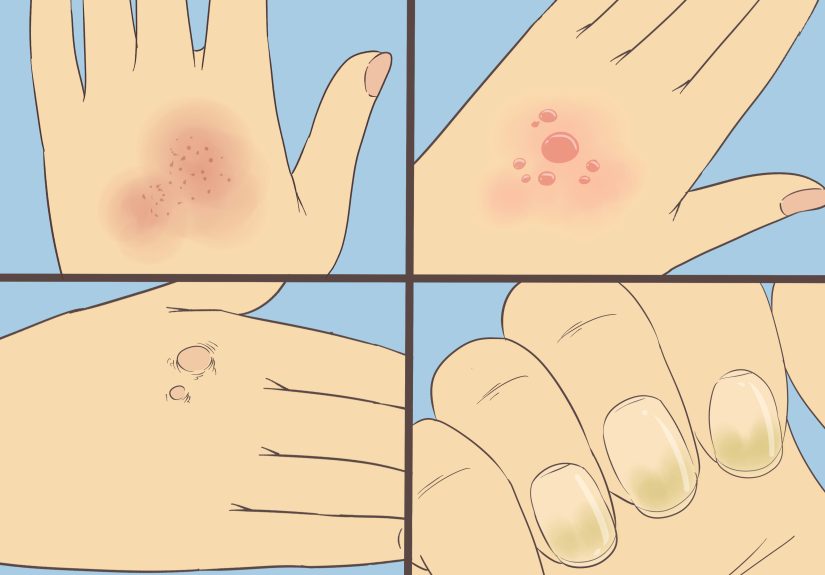
Sometimes the issue is not “aging” alone. Chronic dryness, irritant contact dermatitis, hand eczema, and cracking can make hands look older because the skin barrier is inflamed and damaged. If your hands are persistently red, itchy, flaky, or painful, the answer may not be another random beauty product from social media.
Use bland, fragrance-free moisturizers, minimize irritants, and seek medical advice if symptoms keep coming back. Healthier skin usually looks younger skin. That is not just clever wording. It is the whole game.
12. Consider in-office treatments for stubborn concerns
If home care gets you part of the way but not all the way, a board-certified dermatologist may recommend professional treatment. Different problems respond to different tools. Brown spots may improve with chemical peels, lasers, or light-based treatments. Crepey texture may respond to resurfacing treatments. Volume loss can sometimes be improved with fillers or fat grafting.
These treatments are not one-size-fits-all. For example, someone bothered mostly by sun spots may benefit from pigment-focused treatment, while someone concerned about prominent veins and tendons may need volume restoration instead. A dermatologist can help match the problem to the right solution, which beats guessing based on a 12-second video clip.
13. Build a simple routine and stick to it
The best anti-aging routine for hands is the one you will actually follow. You do not need 14 products and a spreadsheet. A strong basic routine can be as simple as this:
- Morning: hand cream plus broad-spectrum SPF 30 or higher
- After each wash: reapply hand cream
- Night: retinol or brightening product a few times a week, followed by a rich moisturizer
- Weekly: gentle exfoliation once or twice
- As needed: gloves for wet work, cleaning, gardening, or long driving days
Consistency beats intensity. Doing the basics well for months will almost always outperform a brief burst of aggressive product testing followed by total chaos.
A Sample Routine for Younger-Looking Hands
Morning
Wash with a gentle cleanser, pat dry, apply a hand cream, then apply sunscreen to the backs of your hands. If you are leaving the house, toss a travel-size sunscreen or hand cream into your bag.
Afternoon
Reapply moisturizer after washing and sunscreen if you are outside, driving a lot, or washing your hands frequently. If your skin feels dry at work, a fragrance-free cream kept at your desk can save the day.
Night
Apply a retinol, retinoid, or brightening product if you use one, then follow with a thick cream or ointment. For extra-dry skin, add cotton gloves overnight.
When to See a Dermatologist
See a dermatologist if you have rough or dark spots that change in appearance, sores that do not heal, persistent cracking, severe irritation, or discoloration that does not improve. Hands can develop more than harmless signs of aging, so unusual lesions deserve medical attention. And if your main concern is cosmetic, a dermatologist can help you choose treatments that are safer and more effective than random internet guesswork.
Real-Life Experiences: What People Often Notice When They Start Treating Their Hands
One of the most common experiences people describe is realizing their hands looked older not because of one dramatic problem, but because of several smaller issues piling up at once. Maybe the skin looked dry, the knuckles looked rough, a few brown spots had appeared, and the overall texture seemed thinner or less even. The change can happen so gradually that it sneaks up on people. Then one day they notice their hands in bright daylight, on a steering wheel, or in a phone photo and think, “Excuse me, whose hands are these?”
Another frequent experience is discovering that sunscreen alone makes a bigger difference than expected. People who begin applying sunscreen to their hands every day often say they notice fewer new dark spots and less worsening of existing discoloration. It is not flashy progress, but it is powerful. In skincare, preventing damage is often less exciting than fixing damage, yet it is usually the smarter deal.
Many people also report that the biggest visual improvement comes from better moisture, not from the fanciest active ingredient. A thick, fragrance-free cream used consistently after handwashing can make skin look smoother, softer, and less lined surprisingly quickly. In real life, that “more youthful” look often starts with hands that simply look healthier and less stressed.
There is also a learning curve with treatments like retinol or exfoliating acids. Some people love them right away. Others overdo it, get irritation, then have to back up and start again more slowly. That is a very normal experience. The winning routine is rarely the most aggressive one. It is usually the routine that the skin can tolerate week after week without becoming dry, red, or flaky.
People who wear gloves for chores and gardening often mention that it feels like a small habit with an unfairly big payoff. Less irritation, less dryness, and fewer tiny injuries can make hands look more cared for overall. The same goes for nighttime repair. A lot of people are genuinely surprised by how much better their hands feel after just a few nights of applying ointment before bed.
And finally, many people find that once they start paying attention to their hands, they stop seeing them as an afterthought. They become part of the same skin-care routine as the face and neck. That mindset shift matters. Younger-looking hands are usually the result of steady care, not a single miracle trick. It is less about chasing perfection and more about keeping the skin protected, comfortable, even-toned, and resilient. In other words, your hands do not need to look airbrushed. They just need a little backup after years of loyal service.
Conclusion
If you want to make your hands look younger, focus on the habits that matter most: daily sunscreen, generous moisturizing, gentle cleansing, strategic exfoliation, and a nighttime routine that supports repair. Then protect your progress with gloves during chores and a little patience while your skin catches up.
The truth is simple: hands usually respond well to consistent care. You may not erase every spot, vein, or line, and that is perfectly fine. The goal is not to give your hands a fake, filtered look. The goal is to help them look smoother, brighter, healthier, and more like the version of you that sleeps eight hours and never forgets sunscreen. A bold fantasy, yes, but an achievable one in spirit.