Table of Contents >> Show >> Hide
- Why Freezer Salsa Is a Smart Move
- Freezer Salsa vs. Canned Salsa: The Safety and Texture Reality
- Choosing the Best Tomatoes and Produce
- Equipment You Actually Need
- Master Freezer Salsa Formula (Flexible and Foolproof)
- Step-by-Step: How to Make Freezer Salsa from Fresh Tomatoes
- How to Thaw Freezer Salsa (Without the Watery Letdown)
- Troubleshooting Common Freezer Salsa Problems
- Smart Flavor Variations
- Storage Guidance at a Glance
- Conclusion: Freezer Salsa Is Peak “Work Smarter, Snack Happier” Cooking
- Experience Section (About ): What Home Cooks Commonly Learn the Hard Way
Let’s be honest: tomato season is a little dramatic. One week you’re lovingly watering two shy plants, and the next week your kitchen looks like a red produce avalanche. That’s exactly where freezer salsa shines. It’s bright, fresh, customizable, and far more forgiving than canning when you want to experiment with flavor. If you’ve ever wondered how to make freezer salsa from fresh tomatoes that still tastes lively after thawing, you’re in the right place.
This guide pulls together practical, real-world preservation guidance and turns it into a simple method you can actually use on a busy weeknight. We’ll cover ingredient choices, texture control, freezing technique, thawing strategy, and the flavor tweaks that separate “pretty good” salsa from “why is this so addictive?” salsa. You’ll also get a flexible formula, troubleshooting tips, and a long experience section at the end so you can avoid common mistakes before they happen.
Why Freezer Salsa Is a Smart Move
Freezer salsa is the sweet spot between fresh pico and shelf-stable canning. It gives you freedom to adjust flavors without worrying about strict canning acid rules for pantry storage. In plain English: if you like tweaking recipes, freezing is your friend.
- Fresh flavor: You keep the bright tomato-pepper-onion character better than long-cooked methods.
- Low stress: No water-bath canner setup required.
- Batch-friendly: Make a giant bowl once, portion, freeze, and future-you wins.
- Custom heat: Mild, medium, spicy, or “call the fire department.”
- Waste reduction: Perfect for bumper crops and farmers market overbuying.
Freezer Salsa vs. Canned Salsa: The Safety and Texture Reality
Safety basics you should not ignore
Salsa is a mix of higher-acid ingredients (like tomatoes) and lower-acid ingredients (like onions and peppers). That chemistry matters for shelf-stable canning. If a salsa recipe is not research-tested for canning, treat it as fresh salsa and keep it refrigerated or frozen. For freezer salsa, you can safely focus on taste and handling best practices instead of canning math.
Texture truth (yes, it gets softer)
Tomatoes hold lots of water. Freezing forms ice crystals, which break down cell structure. After thawing, tomatoes release extra liquid and become softer. That is normal. In fact, a slightly looser texture is common in excellent freezer salsa. The trick is learning how to manage water with draining, resting, and a post-thaw refresh.
Choosing the Best Tomatoes and Produce
Tomatoes: paste vs. slicing
If you want thicker salsa, start with paste tomatoes (Roma-style). They have firmer flesh and less water. Slicing tomatoes can still make delicious salsa, but they tend to produce more liquid. You can absolutely use mixed varieties if that’s what your garden gives youjust plan to drain a little more.
Ripeness rules
Pick tomatoes that are ripe, firm, and flavorful. Skip damaged, moldy, overly soft, or questionable fruit. Great salsa begins before the cutting board. Same goes for peppers and onions: fresh, crisp, and clean wins every time.
Peppers, onions, garlic, herbs
- Peppers: Jalapeño and serrano for heat; bell peppers for sweetness and body.
- Onion: White onion gives classic bite; red onion adds sweetness and color.
- Garlic: Fresh minced garlic adds depth; start modestly, then adjust.
- Cilantro: Add some before freezing and a little more after thawing for brightness.
- Citrus: Lime or lemon juice brightens flavor and keeps the profile lively.
Equipment You Actually Need
- Large mixing bowl
- Sharp knife or food processor (pulse, don’t puree)
- Colander for draining chopped tomatoes
- Measuring cups/spoons
- Freezer-safe containers or freezer bags
- Marker for labels (date + heat level)
Use freezer-safe packaging and leave room for expansion. Liquid-heavy foods expand when frozen, so headspace matters.
Master Freezer Salsa Formula (Flexible and Foolproof)
Yield: about 8 cups (great for 8 to 10 snack servings, depending on chip enthusiasm)
- 10 cups chopped fresh tomatoes (drain lightly for 15 to 20 minutes)
- 1 1/2 cups chopped onion
- 1 to 2 cups chopped peppers (mix sweet + hot as desired)
- 3 to 5 cloves garlic, minced
- 1/3 cup lime juice (or lemon juice)
- 1 to 2 teaspoons salt (to taste)
- 1/2 teaspoon ground cumin (optional)
- 1/4 to 1 teaspoon black pepper (optional)
- 1/2 to 1 cup chopped cilantro (add part now, part after thawing)
- Optional: 1 to 2 teaspoons sugar if tomatoes taste extra acidic
This formula is designed for freezing, not pantry canning. If you want shelf-stable canning, use a tested canning recipe with exact acid and processing instructions.
Step-by-Step: How to Make Freezer Salsa from Fresh Tomatoes
Step 1: Prep tomatoes for better texture
Wash tomatoes and remove cores. You can peel or leave skins on:
- Peeling option: Score an “X,” dip in boiling water briefly, then cool and slip skins off.
- No-peel option: Faster and rustic, but slightly more skin texture in final salsa.
Chop tomatoes and place them in a colander over a bowl for 15 to 20 minutes. Don’t dry them out completely; just remove excess water so your salsa doesn’t become tomato soup after thawing.
Step 2: Build flavor in layers
In a large bowl, combine drained tomatoes, onion, peppers, garlic, lime juice, salt, and spices. Stir well, then let the mixture sit for 10 minutes. Taste once, adjust once. Avoid “infinite tasting loops” where you keep adding salt every three minutes.
Step 3: Rest and rebalance
Let salsa rest another 15 to 20 minutes so flavors mingle. Stir again. If it looks watery, drain a little more liquid. If it tastes flat, add a small splash of citrus and a pinch of salt. If heat is too aggressive, add extra tomato and onion.
Step 4: Portion like a pro
Divide salsa into meal-size portions (1 to 2 cups is ideal for most households). Smaller portions thaw faster and reduce waste.
- Containers: Leave about 1/2 inch headspace.
- Freezer bags: Push out excess air, seal, and freeze flat.
Step 5: Label and freeze quickly
Label each portion with date and heat level. Freeze promptly at 0°F or below. Lay bags flat in a single layer until solid, then stack like edible red tiles.
How to Thaw Freezer Salsa (Without the Watery Letdown)
- Thaw overnight in the refrigerator (best texture).
- Drain off excess liquid if needed.
- Stir and refresh with a squeeze of lime + a spoon of chopped cilantro.
- Taste and adjust salt right before serving.
Once thawed, keep refrigerated and use within 3 to 5 days for best quality.
Troubleshooting Common Freezer Salsa Problems
“My salsa is too watery.”
Next batch: use more paste tomatoes, drain longer before mixing, and avoid over-processing. Current batch: drain lightly and stir in a spoon of tomato paste.
“It tastes dull after thawing.”
Add fresh lime juice, chopped cilantro, and a pinch of salt. Cold temperatures mute flavor, so final seasoning after thawing is key.
“It’s too spicy now. Help.”
Fold in extra chopped tomato, onion, and a little citrus. Serving with avocado also softens perceived heat.
“The garlic is too strong.”
Raw garlic intensifies in cold storage for some palates. Use less next time or grate finely for better distribution.
Smart Flavor Variations
- Roasted freezer salsa: Roast tomatoes, onion, and peppers first for smoky depth.
- Chipotle-lime: Add a small amount of chipotle in adobo + extra lime zest.
- Mango-jalapeño: Add diced mango after thawing for sweet heat contrast.
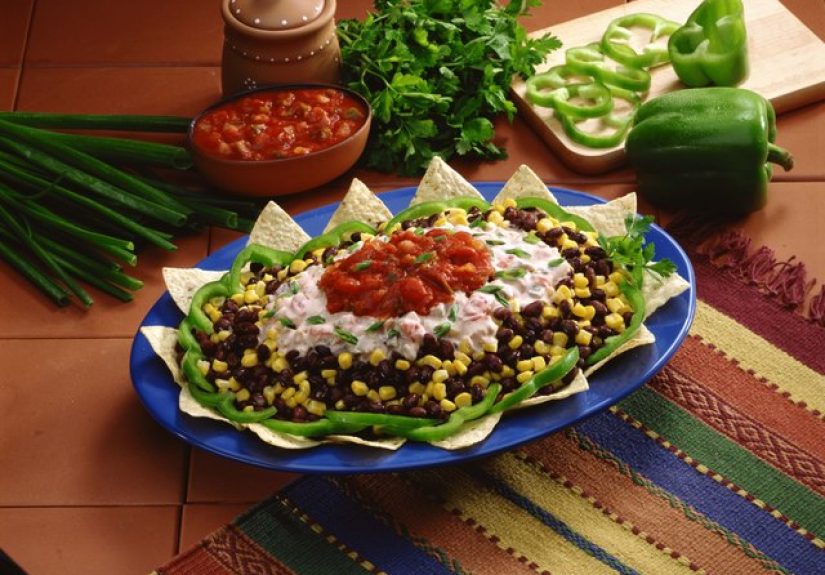
- Corn and black bean: Stir in after thawing (great texture and color).
- Restaurant style: Pulse briefly for smoother consistency, then freeze in small tubs.
Storage Guidance at a Glance
- Freezer temperature: 0°F (-18°C) or lower
- Food safety: frozen food stays safe at 0°F when continuously frozen
- Best quality window: about 3 to 6 months
- Still good for many batches: up to 12 months, depending on packaging and freezer stability
- After thawing: refrigerate and use within 3 to 5 days
Conclusion: Freezer Salsa Is Peak “Work Smarter, Snack Happier” Cooking
If your goal is bold tomato flavor, flexible seasoning, and zero panic when tomatoes flood your counter, freezer salsa is the move. Start with ripe produce, manage moisture, freeze in practical portions, and refresh after thawing. That simple rhythm gives you salsa that tastes intentionalnot like a random container pulled from the back of the freezer during a chip emergency.
Make one base batch, split it into a few flavor directions, and label clearly. In a month, you’ll open your freezer and feel suspiciously organized. In three months, you’ll still be very glad you did this.
Experience Section (About ): What Home Cooks Commonly Learn the Hard Way
The most common freezer salsa experience starts with overconfidence and a mountain of tomatoes. A home cook sees a full produce basket and thinks, “How hard can salsa be?” Two hours later, the kitchen smells amazing, but the first thawed batch is watery enough to need a straw. This is not failure; this is the traditional opening chapter of freezer salsa life. The lesson is simple: tomatoes release more water than expected, especially after freezing, so a short draining step before mixing changes everything.
Another classic experience is the “heat mismatch.” Fresh salsa tasted mild on day one, but after freezing and thawing, the pepper heat feels louder and sharper for some people. Families often solve this by freezing a mild base and storing a separate spicy add-in (like minced jalapeño or chipotle). That way, one container can satisfy multiple heat preferences. It turns taco night into diplomacy instead of debate.
Texture surprises are also part of the journey. Many people expect thawed salsa to feel exactly like day-one fresh pico. It won’t. Thawed tomatoes are softer, and that’s normal. The most successful cooks adjust expectation and strategy: they serve freezer salsa with dishes where slightly softer texture is a bonusnachos, burrito bowls, scrambled eggs, baked potatoes, grilled chicken, and spooned over rice. Suddenly, what seemed like a flaw becomes a feature.
Portioning is another huge “aha” moment. Beginners freeze one giant container, then thaw too much and rush to use it. Experienced cooks freeze salsa in 1-cup or 2-cup portions and label each with date and heat level. This tiny system prevents waste and makes dinner decisions easier. A labeled freezer is basically a gift to your future self.
People also discover that flavor balancing after thawing is not optionalit is the secret handshake. A thawed batch that tastes flat can often be fixed in 30 seconds with lime juice, a pinch of salt, and fresh cilantro. That quick refresh recreates the bright top notes that cold storage tends to mute. Some cooks even keep a small “finish bowl” of chopped onion, cilantro, and lime zest ready when serving salsa at parties.
The final common experience is confidence growth. First batch: nervous chopping, too much measuring, lots of second-guessing. Third batch: better knife rhythm, cleaner flavor balance, smarter packaging, and way fewer dishes. By the fifth batch, people start creating a personal house stylesmokier, zestier, chunkier, smoother, hotter, or extra garlicky. That is when freezer salsa becomes more than preservation; it becomes a signature. And yes, that is also when friends “randomly” show up with tortilla chips and suspiciously perfect timing.