Table of Contents >> Show >> Hide
- Why a Great Kiss Starts Before the Kiss
- How to Kiss Someone You Love: 15 Steps
- 1. Make Sure the Feeling Is Mutual
- 2. Choose the Right Moment
- 3. Pay Attention to Consent
- 4. Check Your Breath and Basic Hygiene
- 5. Be Present Instead of Performing
- 6. Start with Eye Contact
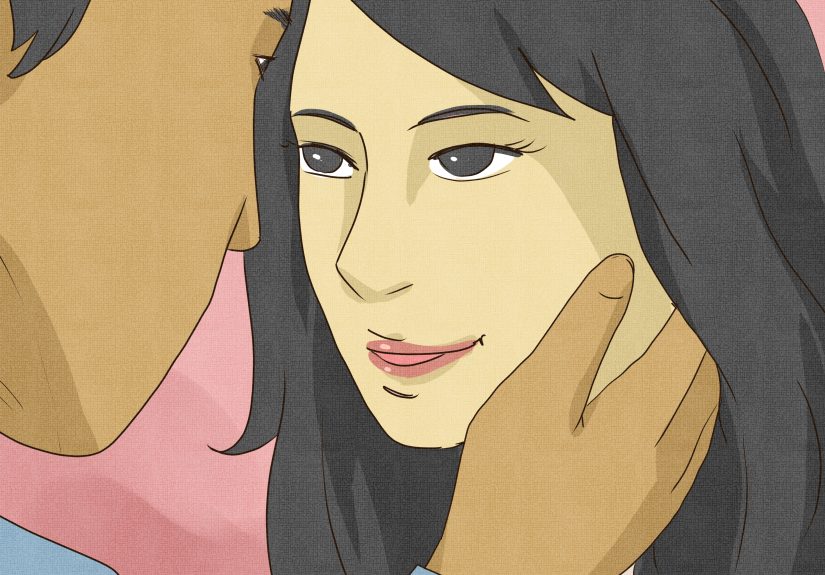
- 7. Move Closer Slowly
- 8. Keep It Gentle at First
- 9. Read Their Response
- 10. Let the Pace Build Naturally
- 11. Use Your Hands Thoughtfully
- 12. Do Not Ignore Boundaries
- 13. Keep It Real, Not Overcomplicated
- 14. Know When to Pause
- 15. Follow the Kiss with Warmth
- Common Mistakes to Avoid
- What If You Feel Nervous?
- When Not to Kiss
- How Love Changes the Kiss
- Experiences People Often Have Around a First Meaningful Kiss
- Conclusion
- SEO Tags
There are few moments in life that can make your stomach do backflips quite like getting ready to kiss someone you love. It can feel exciting, awkward, magical, and mildly ridiculous all at once. One second you are thinking about romance, and the next you are wondering if your breath smells like garlic bread. The good news is that a meaningful kiss is not about movie-perfect timing, acrobatic confidence, or pretending you were born knowing exactly what to do. It is about respect, comfort, communication, and paying attention.
If you have been wondering how to kiss someone you love without turning the moment into a nervous disaster, you are not alone. The best kisses usually are not the fanciest ones. They are the ones that feel wanted, safe, natural, and mutual. This guide walks you through 15 practical steps to help you create a sweet, memorable moment without pressure, games, or overthinking every millisecond. Think of it as a human-friendly roadmap for affection, not a dramatic audition for a romance movie.
Why a Great Kiss Starts Before the Kiss
Before we get into the steps, it helps to understand one thing: kissing is not just a physical action. It is also emotional communication. A kiss can say, “I care about you,” “I trust you,” “I feel close to you,” or even, “I am very nervous but trying my best here.” That is why the lead-up matters so much. Comfort, trust, hygiene, timing, and body language all matter more than flashy technique. In other words, the best way to kiss someone you love is to make sure the moment feels good for both of you, not just dramatic in your imagination.
How to Kiss Someone You Love: 15 Steps
1. Make Sure the Feeling Is Mutual
This is the real beginning. Before you lean in, ask yourself whether the other person seems comfortable and interested. Do they enjoy being close to you? Are they warm, engaged, and relaxed around you? Do they return your affection in ways that feel genuine? A kiss should never come out of nowhere like a jump scare. Mutual interest creates emotional safety, and emotional safety makes affection feel natural instead of forced.
2. Choose the Right Moment
Timing matters more than people think. A sweet moment after a meaningful conversation, a good date, or a quiet walk often works better than trying to rush it in a loud, chaotic setting. If your person looks distracted, upset, stressed, or uncomfortable, that is probably not the moment. The right time usually feels calm and connected, not frantic. Romance loves good timing, and panic does not.
3. Pay Attention to Consent
If there is one step you should never skip, it is this one. Consent is not awkward. It is attractive, respectful, and clear. You can ask in a gentle way: “Can I kiss you?” or “I really want to kiss you right now.” That kind of honesty can actually make the moment sweeter. If the answer is not a clear yes, do not push. A kiss should be shared freely, never negotiated through pressure, guilt, or confusion.
4. Check Your Breath and Basic Hygiene
Romance may be timeless, but toothpaste is still one of humanity’s greatest inventions. Brush your teeth, clean your tongue, stay hydrated, and use floss or mouthwash if needed. Dry mouth and lingering food smells can make you self-conscious, and that can distract from the moment. Lip balm can help too, especially if your lips feel dry. You do not need to taste like a mint factory. You just need to feel fresh and comfortable.
5. Be Present Instead of Performing
Many people get stuck because they are trying to “do kissing correctly.” That usually leads to stiffness and panic. Instead of treating it like a test, focus on the person in front of you. Notice their expression, their mood, and the connection you already share. Kissing is not about showing off. It is about responding to a real moment. The less you perform, the more natural you will seem.
6. Start with Eye Contact
Eye contact can help create a feeling of closeness before the kiss even happens. You do not need to stare like a mysterious movie villain. Just hold a warm, relaxed gaze for a beat. A soft smile helps. This moment of connection often tells you whether the other person is comfortable and interested. It also builds anticipation in a gentle, respectful way.
7. Move Closer Slowly
There is no prize for moving at top speed. A slow lean-in gives the other person time to respond. It also helps both of you stay relaxed. If they lean in too, great. If they pause, pull back, or seem unsure, respect that immediately. Slowing down is not only considerate. It is also one of the easiest ways to make the moment feel tender rather than clumsy.
8. Keep It Gentle at First
A first kiss, or any meaningful kiss, usually works best when it starts softly. Keep it brief and gentle instead of intense right away. You are not trying to win a medal for enthusiasm. You are trying to create comfort and connection. Starting softly gives both of you space to settle into the moment and figure out what feels right together.
9. Read Their Response
After that first moment, pay attention. Do they smile? Stay close? Kiss you back warmly? Seem relaxed? Or do they tense up, pull away, or look uncertain? Good kissing is not mind reading, but it does involve observation. The other person’s reaction tells you what direction the moment should go. The best move is often simply to notice and respond with kindness.
10. Let the Pace Build Naturally
If the kiss feels welcome, let it unfold without rushing. Do not try to force movie-level intensity into the first few seconds. Slow, natural pacing usually feels more intimate than trying too hard. Give the moment room to breathe. Affection tends to go better when nobody is treating it like a speedrun.
11. Use Your Hands Thoughtfully
Body language matters, but it should stay respectful. A gentle hand on the shoulder, upper back, or hand can make the moment feel more connected. Keep it simple and appropriate to your relationship and comfort level. If you are unsure, less is more. The goal is to make the other person feel safe and cared for, not overwhelmed.
12. Do Not Ignore Boundaries
Even in a loving moment, boundaries still matter. Maybe the person is okay with a kiss but not with extra physical affection. Maybe they are comfortable one day and not the next. That is normal. Respect does not ruin romance. It protects it. When someone knows you will listen to their comfort level, trust grows, and trust is a powerful part of real intimacy.
13. Keep It Real, Not Overcomplicated
You do not need a ten-step choreography routine in the middle of a kiss. Relax your face, breathe normally, and avoid overthinking every little movement. People remember how a moment felt far more than whether it looked technically perfect. A genuine, slightly nervous, heartfelt kiss often beats a polished one that feels robotic.
14. Know When to Pause
A pause can make the moment better, not worse. Pull back for a second, smile, make eye contact, and let the energy settle. Sometimes that tiny break turns nerves into comfort. It also gives both people a chance to check in without making things awkward. A sweet pause can say, “That mattered,” without needing a speech.
15. Follow the Kiss with Warmth
What happens after the kiss matters too. Smile. Say something simple and honest. You do not need a dramatic line. Even “I really wanted to do that” or “That was nice” can work beautifully. The point is to leave the other person feeling appreciated, not confused. A kind follow-up helps turn a kiss into a real moment of connection instead of a random event that vanishes into silence.
Common Mistakes to Avoid
Even sweet intentions can go sideways when nerves take over. One common mistake is moving too fast, either physically or emotionally. Another is assuming instead of asking. Some people also get so caught up in technique that they forget to read the other person’s cues. And yes, ignoring basic mouth care is its own category of sabotage. If you want the moment to go well, skip the pressure, skip the ego, and skip the garlic-loaded confidence experiment right before date night.
What If You Feel Nervous?
Nerves are normal. In fact, they are part of what makes a kiss meaningful. It matters to you, so of course you feel it. The trick is not to eliminate nerves completely. It is to keep them from running the whole show. Take a breath, slow down, and focus on connection instead of perfection. Most memorable kisses are not perfect. They are honest.
When Not to Kiss
There are times when kissing is better postponed. If either of you is sick, uncomfortable, upset, or dealing with cold sores or mouth sores, wait. If the setting feels unsafe or pressured, wait. If you are unsure whether the other person wants it, ask or wait. Love does not lose value because it takes its time. In many cases, patience is exactly what makes the moment better later.
How Love Changes the Kiss
Kissing someone you love can feel different from kissing someone you simply like. There is often more emotion in it, more vulnerability, and more meaning attached to the moment. That can make it feel bigger, but it also makes gentleness and respect even more important. Love is not proven by intensity. It is shown by care. The most powerful kiss is often the one that says, “I see you, I respect you, and I want this to feel good for both of us.”
Experiences People Often Have Around a First Meaningful Kiss
Many people imagine that a first kiss with someone they love will feel flawless from start to finish, like a carefully edited movie scene with perfect lighting and absolutely zero weirdness. Real life is usually much more human than that. Sometimes your heart pounds so hard you can hear it in your ears. Sometimes you laugh right before the kiss because both of you are nervous. Sometimes one person says, “Wait, I am suddenly shy,” and the other person says, “Same,” which somehow makes everything sweeter.
A lot of people describe the seconds before the kiss as the hardest part. There is often uncertainty in the air. You may wonder whether the other person wants the same thing, whether the moment is right, or whether your face has forgotten how faces work. Then, once the kiss actually happens, the panic often disappears. Not because magic solved everything, but because the unknown is finally gone. The moment becomes real, and reality is usually less scary than the build-up.
Some experiences are unexpectedly funny. People bump noses. Glasses get in the way. Someone leans in too far and then has to reset like a confused GPS. These things do not ruin the moment. In many cases, they make it more memorable. A kiss does not need cinematic perfection to be meaningful. A little awkwardness can actually make it feel more genuine, because it reminds both people that they are not performing. They are simply figuring out a tender moment together.
Other people remember what happened after the kiss even more than the kiss itself. Maybe there was a relieved laugh, a blush, a long hug, or a quiet smile that said more than words could. Sometimes the emotional safety after the kiss is what makes the whole experience stand out. When the other person responds with kindness, warmth, or honesty, it can turn a simple kiss into a core memory.
It is also common for people to realize afterward that a good kiss is less about advanced skill and more about emotional rhythm. Did you feel respected? Did you feel wanted in a clear, comfortable way? Did the moment feel mutual? Those are often the details that matter most. People usually do not cherish a kiss because it was technically complex. They cherish it because it felt real, welcome, and connected to love.
And yes, sometimes the first kiss is not amazing. That happens too. Maybe one or both of you were nervous, distracted, or still learning each other’s comfort level. That does not automatically mean anything is wrong. Like many shared experiences, kissing can get better with trust, communication, and time. A slightly awkward first attempt can become a funny, beloved story later, especially when both people stay gentle and open with each other.
In the end, experiences around kissing someone you love tend to have one thing in common: they feel bigger on the inside than they may look from the outside. A small moment can carry a lot of emotion. That is why slowing down matters. That is why consent matters. That is why kindness matters. When people remember meaningful kisses, they often remember the feeling of being safe enough to be vulnerable. That feeling is what gives the moment its staying power.
Conclusion
If you want to know how to kiss someone you love, the best answer is surprisingly simple: lead with care. Choose the right moment, ask for consent, keep good hygiene, go slowly, pay attention, and respect boundaries. A memorable kiss is not built on pressure or performance. It is built on trust, comfort, and genuine affection. When both people feel safe and wanted, the kiss has a much better chance of feeling natural, sweet, and unforgettable for all the right reasons.