Table of Contents >> Show >> Hide
If you’re a fan of lush, cascading houseplants that are easy to care for and stunning to look at, then the String of Hearts (Ceropegia woodii) should be on your radar. Known for its heart-shaped leaves and delicate, trailing vines, this charming plant has earned its place as a favorite among plant enthusiasts. Whether you’re a seasoned gardener or just starting your plant journey, growing and caring for String of Hearts is a rewarding experience. In this guide, we’ll cover everything you need to know about cultivating this gorgeous plant.
What is a String of Hearts?
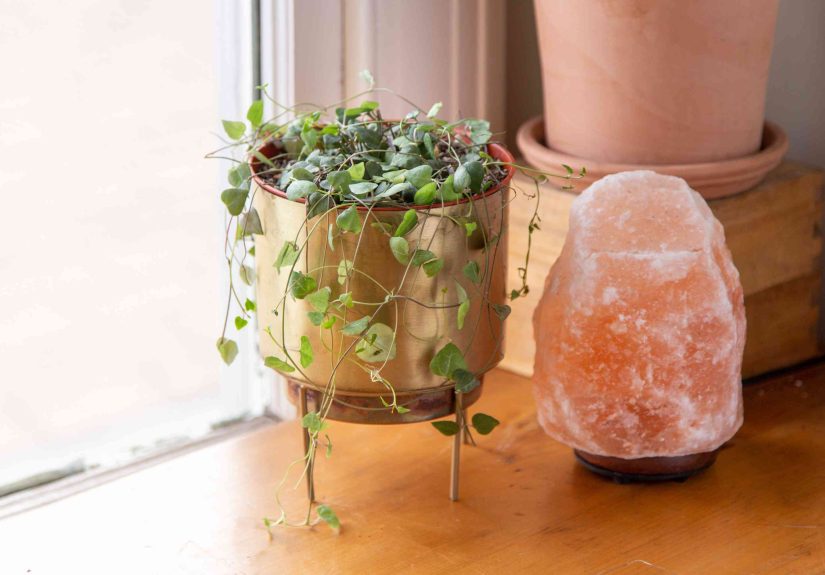
Native to southern Africa, the String of Hearts plant is a member of the Apocynaceae family. Its name comes from its unique foliage, which resembles small, heart-shaped leaves that dangle from long, thin stems. These trailing vines can grow up to 3 feet in length, making them perfect for hanging baskets, pots, or cascading over the edges of shelves. Not only does the plant have aesthetic appeal, but it also thrives in various environments, making it a great addition to any home.
Planting and Potting String of Hearts
String of Hearts is relatively easy to propagate and pot, which is great news for beginner gardeners. Here’s a step-by-step guide to get you started:
Choosing the Right Pot
When selecting a pot for your String of Hearts, ensure it has good drainage holes. This is crucial to prevent water from collecting at the bottom and causing root rot. Choose a pot that’s only slightly larger than the plant’s root ball to encourage healthy growth. Terra cotta pots are an excellent option, as they allow the soil to dry out faster, helping to prevent overwatering.
Soil Selection
String of Hearts prefers well-draining soil. A cactus or succulent mix works wonders, as it allows excess moisture to escape quickly. If you don’t have access to a pre-made mix, you can create your own by combining equal parts of sand, perlite, and potting soil.
Potting Your String of Hearts
To pot your String of Hearts, fill your pot with the prepared soil mix, ensuring that it covers the bottom. Gently remove the plant from its nursery container and place it in the center of the new pot. Fill in any gaps with additional soil, making sure the root ball is level with the surface. Press the soil lightly to remove air pockets and water the plant thoroughly to help it settle in.
Light Requirements
One of the keys to successfully growing String of Hearts is providing it with the right amount of light. This plant thrives in bright, indirect light but can tolerate some direct sunlight. Placing it near a window with sheer curtains is ideal. However, be cautious not to expose it to harsh afternoon sun, as this can scorch the delicate leaves.
How Much Light Does It Need?
Generally, String of Hearts will do well in medium to bright light. If you notice the plant’s vines growing long and leggy, it’s likely a sign that it’s not receiving enough light. On the other hand, too much direct sunlight may cause the leaves to become scorched or faded. To balance this, try moving the plant around to different locations and observe how it reacts to different light conditions.
Watering Your String of Hearts
Overwatering is one of the most common mistakes people make when caring for String of Hearts. This plant is drought-tolerant and prefers to dry out completely between waterings. It’s essential to allow the soil to dry out at least 1-2 inches deep before watering again.
How to Water Properly
Water your plant thoroughly, ensuring that water drains out of the bottom of the pot. Avoid letting your plant sit in water, as this can lead to root rot. In the winter months, when the plant is not actively growing, reduce watering frequency even further, as it requires less moisture during this time.
Signs of Overwatering and Underwatering
If you notice yellowing leaves or mushy stems, these may be signs of overwatering. Conversely, if your String of Hearts has shriveled, crispy leaves or the plant seems dry and lifeless, it might be time to increase your watering schedule.
Temperature and Humidity
String of Hearts thrives in temperatures ranging from 65°F to 85°F (18°C to 29°C). It’s best to avoid placing the plant in cold drafts or near air conditioning vents, as it can cause stress. This plant is also quite tolerant of dry air, but it will appreciate occasional humidity. You can increase humidity by misting the plant lightly or placing it on a humidity tray.
Fertilizing String of Hearts
While String of Hearts doesn’t require heavy feeding, occasional fertilization can encourage more vigorous growth. Use a balanced liquid fertilizer diluted to half strength every 4-6 weeks during the growing season (spring and summer). Avoid fertilizing during the fall and winter when the plant is dormant.
Pruning and Maintenance
To keep your String of Hearts looking tidy and encourage more growth, occasional pruning is necessary. Trim back any long, leggy vines that you don’t want, and remove any dead or yellowing leaves. If you notice that the plant has outgrown its pot, consider repotting it into a slightly larger container. The plant is also easy to propagate by taking stem cuttings and placing them in soil or water.
Common Problems and How to Solve Them
Yellowing Leaves
Yellowing leaves can be a sign of overwatering or a lack of nutrients. Ensure you’re not watering too frequently, and consider fertilizing to replenish the soil’s nutrients.
Leggy Growth
If your String of Hearts has long, leggy vines with sparse leaves, it’s likely not getting enough light. Move the plant to a brighter spot and trim the vines to encourage bushier growth.
How to Propagate String of Hearts
One of the best features of the String of Hearts plant is how easy it is to propagate. You can grow new plants by taking stem cuttings and rooting them in water or soil.
Water Propagation
To propagate in water, cut a healthy stem just below a node (the point where leaves and roots emerge). Place the cutting in a glass of water, ensuring the node is submerged. After a few weeks, roots will begin to form, and you can transplant the cutting into soil.
Soil Propagation
For soil propagation, place the cutting in a small pot with well-draining soil. Water lightly and cover the pot with a plastic bag to increase humidity. Keep the soil slightly moist, and after a few weeks, the cutting will establish roots and start growing.
Conclusion
Growing and caring for a String of Hearts plant is an enjoyable and rewarding experience. With just a little attention to its light, water, and temperature needs, this beautiful plant will thrive and bring an air of elegance to your home. Whether you’re an experienced gardener or a newbie, the String of Hearts makes for a low-maintenance yet visually stunning addition to any space. So, go ahead, give your green thumb a chance to shine, and watch your String of Hearts flourish!
Experiences with Growing String of Hearts
As a lover of trailing plants, I’ve found that String of Hearts is one of the most satisfying to grow. I initially bought mine as a small cutting, and within months, it turned into a beautiful cascading plant. The process of watching it grow and expand was quite magical. At first, I struggled with overwateringlike many beginnersbut once I switched to a more infrequent watering schedule, the plant thrived. The heart-shaped leaves are not only cute but also incredibly unique, and they seem to change color depending on the amount of light they receive.
I also enjoyed propagating my String of Hearts. The cutting process was easy, and within a few weeks, I had new plants to share with friends. I found that water propagation worked best for me, as it was easier to keep track of root growth. However, I’ve also had success with soil propagation, especially during the warmer months. My String of Hearts has become a conversation piece in my home, and I frequently get compliments on its beauty and resilience. Overall, it’s been a fantastic plant to grow and care for, and I recommend it to anyone looking for a low-maintenance yet stunning addition to their plant collection.