Table of Contents >> Show >> Hide
- What Is Cellulite (and Why Is It So Hard to Get Rid Of)?
- Can You Permanently Remove Cellulite?
- How to Get Rid of Cellulite: Expert Tips That Actually Help
- 1) Build muscle with strength training
- 2) Add regular cardio for circulation and body composition support
- 3) Maintain a balanced, sustainable diet
- 4) Consider topical products but keep expectations realistic
- 5) Treat “quick fixes” like quick fixes (temporary at best)
- 6) If you want stronger results, talk to a dermatologist about in-office treatments
- In-Office Cellulite Treatments: What Works Best (and What to Ask)
- What Usually Doesn’t Work Well for Cellulite
- How to Choose the Right Cellulite Treatment (Without Regret)
- A Realistic Cellulite Plan You Can Start This Week
- Final Thoughts
- Experiences Related to “How to Get Rid of Cellulite: Expert Tips” (Extended Section)
Let’s start with the truth nobody selling a miracle cream wants to put on the label: cellulite is incredibly common, completely normal, and stubborn enough to laugh at shortcuts. If you’ve ever looked at your thighs, hips, or butt and thought, “Why does my skin look like an orange peel after one weekend of snacks?” welcome to the club. Membership is huge.
The good news? While there’s no guaranteed permanent “erase” button, there are evidence-based ways to reduce the appearance of cellulite and make your skin look smoother. The best results usually come from realistic expectations, smart lifestyle habits, and (if you want faster change) the right in-office treatment with a qualified dermatologist.
In this guide, we’ll break down what cellulite really is, what actually helps, what’s mostly hype, and how to choose a treatment without donating your paycheck to the “before and after” industry.
What Is Cellulite (and Why Is It So Hard to Get Rid Of)?
Cellulite is a dimpled or lumpy skin appearance that most often shows up on the thighs, buttocks, hips, and sometimes the abdomen. It’s not the same thing as body fat, and it’s not a medical emergency. It happens when fat beneath the skin pushes upward while fibrous connective bands (often called septae) pull downward, creating a puckered or “mattress-like” look.
Translation: your skin is basically caught in a tiny tug-of-war.
Why cellulite happens
Several factors can make cellulite more likely or more visible:
- Sex and hormones: It’s much more common in women, especially after puberty.
- Genetics: If your family has it, you may too (thanks, DNA).
- Aging: Skin loses elasticity and collagen over time, which can make dimpling more visible.
- Body composition: Extra body fat can make cellulite more noticeable, but lean people get cellulite too.
- Lifestyle factors: Low activity levels and long periods of sitting may worsen its appearance in some people.
This is also why shame-based advice (“just lose weight!”) is not only unhelpful, but often inaccurate. Weight loss may improve cellulite for some people, but if it leaves loose skin behind, dimpling can look more noticeable.
Can You Permanently Remove Cellulite?
In plain English: not reliably. Most experts agree there is no universal cure that permanently removes cellulite for everyone. Many treatments can improve its appearance, but results vary depending on your skin, anatomy, treatment type, and whether you keep up maintenance habits.
If a product promises “100% cellulite removal in 7 days,” that’s your cue to back away slowly while protecting your wallet.
How to Get Rid of Cellulite: Expert Tips That Actually Help
1) Build muscle with strength training
One of the most practical ways to reduce the appearance of cellulite is to improve the ratio of muscle to fat underneath the skin. Strength training won’t “cure” cellulite, but it can make the skin look firmer and smoother, especially on the glutes and thighs.
Focus on:
- Squats and split squats
- Deadlifts (Romanian deadlifts are great for hamstrings and glutes)
- Hip thrusts and glute bridges
- Step-ups
- Lunges
- Resistance band work for glute medius
Aim for 2–4 lower-body sessions per week, with progressive overload (slowly increasing resistance over time). You don’t need to become a powerlifter. You just need consistency.
2) Add regular cardio for circulation and body composition support
Walking, cycling, swimming, dancing, or brisk incline treadmill sessions can support circulation, general health, and body composition. Cardio alone won’t target cellulite, but it works well with strength training if your goal is smoother-looking skin and improved tone.
A simple plan that actually gets done beats the “perfect” plan you quit after four days.
3) Maintain a balanced, sustainable diet
There’s no cellulite-specific magic meal plan, but a nutrient-dense eating pattern may help reduce factors that make dimpling more visible (like excess body fat and skin quality changes).
Helpful habits include:
- Prioritizing protein (for muscle maintenance and recovery)
- Eating more fruits and vegetables (for fiber and antioxidants)
- Choosing whole grains more often than refined carbs
- Reducing highly processed foods if they crowd out nutrient-rich options
- Managing sodium intake if you’re prone to water retention
This is not about “clean eating” perfection. It’s about creating a pattern you can follow long term without emotionally negotiating with a bag of chips every night.
4) Consider topical products but keep expectations realistic
Creams and lotions are one of the most common cellulite purchases, and the evidence is mixed. Some ingredients may temporarily improve how cellulite looks, but they’re usually not dramatic or permanent.
What may help a little:
- Retinol (around 0.3%): May thicken skin over time and reduce visible dimpling. Results can take months.
- Caffeine-containing creams: May temporarily reduce the appearance of cellulite by dehydrating cells slightly and tightening the look of skin.
Patch-test first. Some products can irritate the skin, and certain ingredients (like aminophylline in some formulas) may cause side effects in sensitive users.
5) Treat “quick fixes” like quick fixes (temporary at best)
Massage, foam rolling, dry brushing, cupping, and spa treatments may improve blood flow or reduce puffiness for a short time. Some people genuinely like how their skin looks afterward and that’s fine. Just know the improvement is usually temporary and often measured in hours to days, not months.
Think of these as “special event smoothing” tools, not long-term remodeling.
6) If you want stronger results, talk to a dermatologist about in-office treatments
The treatments with the best evidence tend to target the fibrous bands under the skin (the septae), not just the fat. This is why many experts consider subcision-based treatments and certain minimally invasive procedures more effective than topical products or basic spa treatments.
In-Office Cellulite Treatments: What Works Best (and What to Ask)
A) Subcision and septae-release procedures (often the strongest option)
These treatments release the tight bands pulling the skin downward. Because they address one of the main structural causes of cellulite, they often produce more noticeable and longer-lasting improvement than surface-level treatments.
Examples include:
- Cellfina® (vacuum-assisted subcision): FDA-cleared device used to improve cellulite dimples.
- Other precise tissue-release / targeted subcision approaches: Newer methods may show durable results in selected patients.
Common side effects can include bruising, swelling, soreness, and tenderness. Recovery time varies by device and treatment area.
B) Laser-based treatments (including minimally invasive options)
Some laser treatments aim to break up fibrous bands and improve skin thickness or tightness. Results can be meaningful for some people, but often vary, and some methods may require repeat sessions. Laser-assisted options can also come with downtime and bruising.
C) Radiofrequency (RF) and energy-based treatments
RF-based devices may improve skin texture and laxity by heating tissue and stimulating collagen remodeling. These treatments can help some people, but the effects are often modest and may require multiple sessions plus maintenance.
D) Acoustic wave therapy
Acoustic wave therapy may reduce the appearance of cellulite in some patients, but it usually requires multiple sessions and results aren’t guaranteed.
E) Injectable treatments
Injectable options for cellulite have existed, but availability changes over time. For example, Qwo® (collagenase clostridium histolyticum-aaes) was FDA-approved for moderate to severe buttock cellulite in adult women, but the manufacturer later discontinued it due to concerns including bruising variability and prolonged skin discoloration. This is a good reminder that “approved” does not always mean “best for everyone” or “widely available forever.”
What Usually Doesn’t Work Well for Cellulite
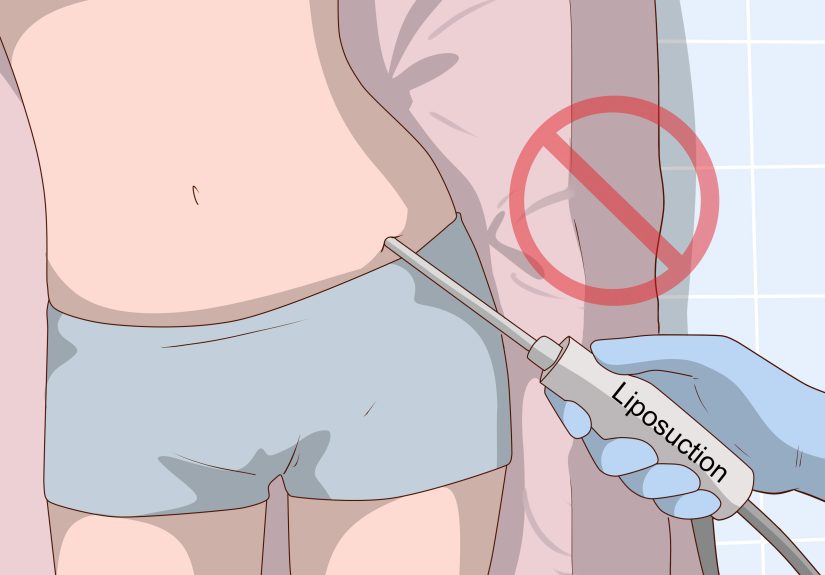
- Liposuction alone: Great for removing some fat, but not recommended as a cellulite fix and may make dimpling look worse.
- Supplements: Evidence is weak or inconsistent for most cellulite supplements.
- One-session miracle spa wraps: Temporary smoothing at best.
- Anything promising permanent results with zero downtime, zero risk, and zero effort: If only.
How to Choose the Right Cellulite Treatment (Without Regret)
Ask these smart questions before paying for anything
- Is the provider a board-certified dermatologist or appropriately trained physician?
- Which type of cellulite do I have (mild, moderate, severe; dimples vs laxity)?
- What results are realistic for my skin and body type?
- How long do results usually last?
- How many sessions will I need?
- What are the side effects, downtime, and total cost (including maintenance)?
- Can I see before-and-after photos of patients with skin similar to mine?
The best treatment for one person may be a waste of money for another. A proper consultation matters.
A Realistic Cellulite Plan You Can Start This Week
- Move more daily: Aim for a consistent baseline (walking counts).
- Strength train 2–4 times per week: Prioritize glutes, thighs, and overall muscle development.
- Clean up the basics: Protein, fiber, hydration, and less ultra-processed “everyday” eating.
- Try a retinol cream if you want a low-risk at-home option: Give it several months.
- Save spa treatments for temporary smoothing: Great before events, not a permanent strategy.
- If you want bigger results: Book a dermatologist consultation for evidence-based procedural options.
Final Thoughts
If you’ve been trying to “get rid of cellulite” forever, you are not failing you’re dealing with a very common skin structure issue that doesn’t respond well to hype. The most effective approach is a combination of realistic expectations, body-composition-friendly habits, and professional treatment when you want stronger results.
The goal doesn’t have to be “perfectly smooth skin forever.” A much better goal (and honestly, a more achievable one) is: healthier skin, stronger legs and glutes, and fewer expensive disappointments.
Experiences Related to “How to Get Rid of Cellulite: Expert Tips” (Extended Section)
Below are composite, real-world-style experiences based on common patterns people report when dealing with cellulite. These are not individual medical cases, but they can help set realistic expectations.
Experience 1: “I lost weight, but the dimples didn’t totally disappear”
A lot of people assume cellulite is simply “extra fat,” so they focus only on dieting. One common experience is losing 10–20 pounds, feeling healthier overall, and then realizing the cellulite is still there just a little less obvious. In some cases, the skin even looks looser after weight loss, which can make dimpling stand out more in certain lighting.
The lesson: weight loss can help, but it’s not a guaranteed cellulite eraser. People who add strength training often report better visual improvement than people who only reduce calories, because more muscle can improve the shape and firmness of the area underneath the skin.
Experience 2: “The cream helped… until I stopped using it”
Another common story: someone tries a caffeine or retinol cream, sees a mild improvement, gets excited, then stops using it for a week and the dimpling looks the same as before. That doesn’t necessarily mean the product is useless it means the effect may be subtle and temporary, especially with caffeine-based formulas. Retinol products may help more gradually, but they require long-term consistency and patience (the least glamorous skincare ingredient of all).
Experience 3: “Spa treatments made my skin look smoother for an event”
Massage-based treatments, dry brushing, and certain spa sessions often get mixed reviews. Some people swear they help, especially before vacations, weddings, or photo shoots. Others notice almost no difference. Both experiences can be true. Temporary changes in fluid balance, circulation, and skin tension can make cellulite look softer for a short time, but the underlying fibrous bands usually remain unchanged.
The practical takeaway: these treatments can be worth it if your goal is short-term smoothing for a special occasion just don’t expect a long-term structural fix.
Experience 4: “A dermatologist finally explained why nothing else worked”
People who feel stuck often report a turning point after seeing a dermatologist who explains cellulite as a structural issue (not a willpower issue). Once they understand the role of connective bands, they stop chasing random internet hacks and start comparing evidence-based options. Even when they choose not to do a procedure, they usually feel better knowing what is realistic and what is marketing.
That may be the most valuable “expert tip” of all: the right information can save you money, frustration, and a bathroom cabinet full of half-used miracle creams.