Table of Contents >> Show >> Hide
- Before You Start: Figure Out What Kind of Paint You’re Fighting
- How to Get Wet Paint Out of Clothes
- How to Remove Dried Paint From Clothes
- Best Methods by Paint Type
- What Not to Do When Removing Paint From Clothing
- When to Call a Professional Cleaner
- Quick FAQ: Paint Stain Removal
- Real-Life Paint Stain Experiences: What Usually Happens in Actual Homes
- The Bottom Line
Paint has a remarkable talent for landing everywhere except the wall, canvas, or craft project you actually meant to color. One careless brush flick and suddenly your favorite jeans look like they joined an abstract art movement without your permission. The good news: paint stains are often fixable. The less-fun news: success depends on acting fast, knowing what kind of paint you’re dealing with, and resisting the universal human urge to rub the stain like you’re trying to erase a bad decision.
If you’re wondering how to get paint out of clothes without wrecking the fabric, this expert-backed guide walks you through what to do for wet paint, dried paint, latex paint, acrylic paint, and stubborn oil-based paint. We’ll also cover the biggest mistakes to avoid, when to call a dry cleaner, and how real-life paint disasters usually play out in normal households. Because yes, the shirt can often be saved. No, the panic is not required.
Before You Start: Figure Out What Kind of Paint You’re Fighting
Not all paint stains are created equal. In laundry terms, some are annoying, and some are absolute drama queens.
Water-based paint
This group includes latex paint, acrylic craft paint, finger paint, and many washable kids’ paints. These are usually easier to remove, especially when the stain is still fresh. Water keeps them active longer, which means you have a better chance of flushing and lifting them out before they settle into the fibers for good.
Oil-based paint
Oil-based paint is tougher, slower to forgive, and more likely to need a solvent such as the thinner recommended on the paint label or turpentine. It is still possible to remove in some cases, but the odds drop fast once it dries. This is the stain equivalent of a houseguest who says they’ll stay for “just a minute” and then lives on your couch for six months.
Dry-clean-only fabrics
If the garment says dry clean only, step away from the home-remedy Olympics. Blot or scrape off the excess, keep the stain from spreading, and take the item to a professional cleaner as soon as possible. Silk, wool, rayon blends, structured garments, and sentimental pieces are not where you test your inner mad scientist.
How to Get Wet Paint Out of Clothes
If the paint is still wet, congratulations: you are in the best possible version of this problem. Here’s the basic process cleaning experts agree on.
1. Remove as much excess paint as possible
Use a spoon, dull knife, old credit card, or the edge of something non-sharp to gently lift the paint off the fabric. Blot if needed, but do not rub. Rubbing drives paint deeper into the fibers and spreads the mess outward. That turns a small stain into a “why is this on the back too?” stain.
2. Rinse from the back of the stain
Turn the garment inside out if you can, then run water through the back of the stained area. This helps push the paint out the way it came in instead of forcing it farther into the fabric. For latex and acrylic paint, this step is especially important because water-based paint is often most removable while it is still active and wet.
3. Work in liquid laundry detergent or dish soap
Once you’ve flushed out as much paint as possible, massage a small amount of liquid laundry detergent into the stain. If you don’t have detergent handy, dish soap can also help break up fresh water-based paint. Use your fingers or a soft toothbrush to gently work it in. Let it sit for a few minutes so it has time to do its job.
4. Rinse and repeat
Paint stains often improve in stages, not all at once. Rinse, add more detergent, gently work it in again, and rinse one more time. If the stain lightens, you’re moving in the right direction. Laundry is sometimes less about magic and more about politely insisting several times.
5. Wash according to the care label
Machine-wash the garment in the warmest water safe for the fabric, following the care label. If the item is delicate, wash accordingly. A prewash stain remover can help at this point, especially if there is still a shadow of color left behind.
6. Check the stain before drying
This step matters more than people realize. If any paint remains, do not put the garment in the dryer. Heat can set the leftover stain and make your next attempt far less effective. Air-dry instead while you inspect the fabric in good light.
How to Remove Dried Paint From Clothes
Dried paint is harder, but not always hopeless. The right approach depends on whether the stain is dried water-based paint or dried oil-based paint.
How to remove dried latex or acrylic paint
Start by scraping away as much dried paint as possible with a dull tool. Be patient here. The goal is to lift the crusty top layer without damaging the fabric underneath.
Once the loose paint is gone, treat the area with liquid detergent and water first. For stubborn dried acrylic paint, many cleaning experts recommend isopropyl alcohol to help break down the paint. Apply it carefully to the stain, blot and work from the outside toward the center, then rinse thoroughly. After that, apply detergent again, gently scrub with a soft brush, and launder as usual.
Important note: if you use rubbing alcohol or another flammable pretreatment, flush the fabric well before washing and keep the item out of the dryer until you are sure the solvent is gone and the stain is removed. This is not the moment to improvise with heat.
How to remove dried oil-based paint
This is the harder category. If the paint can or label lists a specific thinner, use that product. If not, paint thinner or turpentine is often recommended for oil-based paint removal. Always test first on a hidden area of the garment to make sure the fabric can handle it.
Place the stained area face down on white cloths or paper towels so the paint has somewhere to transfer. Blot the back of the stain with the solvent in a well-ventilated area. As the paint loosens and transfers, replace the towels underneath so you’re not reapplying the same mess to the fabric. Then work in detergent, soak if needed, rinse well, and wash according to the care label.
If that sounds like a lot, it is. Oil-based paint removal is basically laundry with side quests.
Best Methods by Paint Type
Latex paint
Latex paint is one of the most common household paint stains. Flush it with water from the back, apply detergent or a dish-soap solution, gently sponge or brush, then wash. If the stain has dried, scrape first and consider an alcohol-based pretreatment if detergent alone is not enough.
Acrylic paint
Acrylic paint behaves like a friendly stranger when wet and a tiny tyrant when dry. Fresh acrylic can often be flushed and washed out. Dried acrylic usually needs extra help, often with rubbing alcohol, followed by detergent and laundering.
Oil-based paint
Oil-based paint typically needs a solvent step. Blot, do not rub. Use the appropriate thinner, then follow with detergent and a thorough wash. Treat quickly for your best chance of success.
Craft paint and kids’ paint
These are usually water-based, so the same fast-rinse, detergent-first approach often works well. The sooner you deal with the stain, the less likely that adorable finger-painting session turns into a permanent wardrobe memorial.
What Not to Do When Removing Paint From Clothing
- Don’t rub the stain aggressively. That pushes paint deeper into the fibers and spreads it around.
- Don’t skip the care label. A method that works on cotton overalls can be a terrible idea on rayon, wool, or dry-clean-only clothing.
- Don’t toss it straight into the dryer. Heat can set the remaining paint.
- Don’t use solvents without testing first. Paint thinner, turpentine, alcohol, and other removers can damage or discolor fabric.
- Don’t assume one method fits every stain. Latex, acrylic, and oil-based paints behave differently.
- Don’t wait until “later.” With paint stains, “later” is often when the problem becomes much worse.
When to Call a Professional Cleaner
There is no shame in outsourcing a stain that looks like it lost a bar fight.
You should consider professional help if:
- the garment is labeled dry clean only
- the fabric is silk, wool, acetate, or another delicate material
- the stain is old and fully set
- the paint is oil-based and already dried
- the item is expensive, tailored, or sentimental
- your home treatment starts affecting the color or texture of the fabric
When you take it in, tell the cleaner exactly what kind of paint caused the stain and what you’ve already used on it. That saves time and helps avoid chemical mix-ups.
Quick FAQ: Paint Stain Removal
Can paint come out of clothes after it dries?
Sometimes, yes. Dried water-based paint is more likely to come out than dried oil-based paint, but both become harder to remove once they set. Scraping, pretreating, and repeating the wash process can still improve the outcome.
Is dish soap enough to remove paint?
Dish soap can be very helpful for fresh water-based paint, especially when combined with rinsing and gentle agitation. It is less likely to solve dried or oil-based paint on its own.
Can I use vinegar?
Vinegar shows up in plenty of laundry hacks, but it is not the first-choice expert method for many paint stains, especially dried acrylic. Detergent, stain remover, rubbing alcohol, or the proper paint solvent usually make more sense depending on the stain type.
Should I use hot or cold water?
For paint removal, follow the fabric care label and the stain-removal method. Many experts start with cool or warm rinsing rather than high heat, then wash in the warmest water safe for the garment. The biggest rule is not to add dryer heat before the stain is gone.
Real-Life Paint Stain Experiences: What Usually Happens in Actual Homes
In real life, paint stains rarely happen under ideal laboratory conditions. They happen when someone says, “I’ll just touch up this one spot,” while wearing a nice T-shirt. They happen during second-grade art projects, apartment makeovers, Halloween face paint experiments, and that one Saturday when everyone in the house suddenly becomes “creative.”
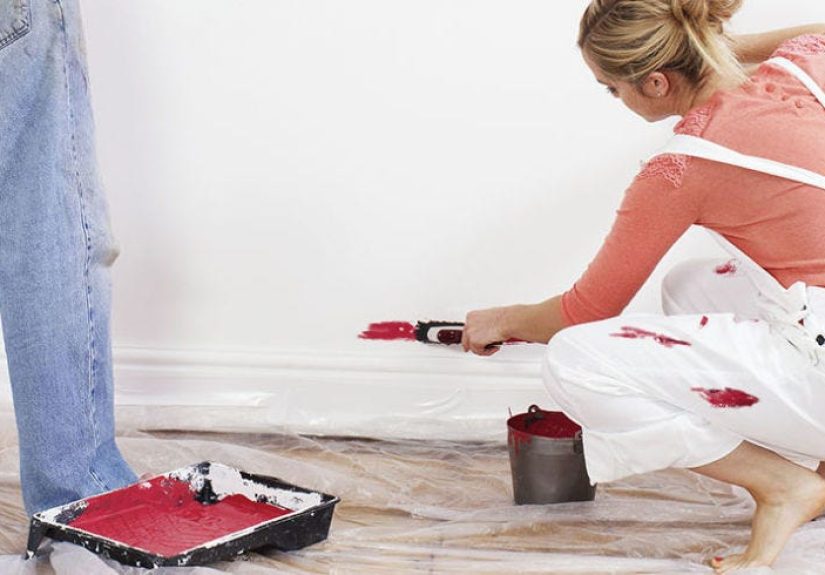
One of the most common scenarios is the weekend wall-painting incident. A person starts out in old clothes, feels optimistic, and then, halfway through, changes into something better because the original shirt got too sweaty. That is when the roller splatters. Most people’s first instinct is to wipe the paint with a dry paper towel, which usually smears it into a larger stain. The clothes that survive are usually the ones treated immediately at the sink, from the back of the fabric, before the paint dries.
Then there’s the kids’ craft version of chaos. Finger paint, poster paint, and acrylic craft paint have a sneaky habit of looking harmless because they are bright, playful, and marketed next to googly eyes. Parents often discover the stain later, after the paint has dried into a cheerful but stubborn patch on leggings, sleeves, or school uniforms. In those cases, scraping first and then patiently working with detergent or rubbing alcohol often matters more than any miracle product. The families who save the clothes are usually not the ones with the fanciest supplies. They are the ones who repeat the process instead of giving up after one wash.
Another classic case is the artist’s apron-that-wasn’t. Someone paints at a table, wipes a brush on a rag, misses the rag, and ends up decorating their jeans instead. Acrylic paint on denim is especially common because denim feels indestructible, so people tend to attack it more confidently. Sometimes that works. Sometimes the stain lightens but leaves a faint shadow that only becomes obvious after drying. That’s why experienced cleaners are so persistent about checking the garment before it goes anywhere near a dryer. What looks gone when wet may wave hello again once the fabric is dry.
People also tend to learn the hard way that expensive clothes are not the best place to “just test one thing.” A structured blazer, silk blouse, wool sweater, or dry-clean-only dress should not become a chemistry set for paint thinner, alcohol, and random internet hacks. The smartest paint-stain stories usually include one humble sentence: “I took it to the cleaner before I made it worse.” Honestly, that sentence deserves more respect.
And finally, there’s the emotional side of stain removal, which is weirdly real. The stained item is often a favorite shirt, a child’s costume, a uniform, or the jeans that fit exactly right and are therefore legally irreplaceable. That’s why paint removal advice that sounds simple on paper matters so much in practice. Blot, rinse, pretreat, repeat, inspect, air-dry. It is not glamorous, but it works more often than panic, rage-scrubbing, or declaring the garment dead after one disappointing wash.
The takeaway from real households is simple: speed helps, patience helps even more, and the dryer is often the villain in the story. If you treat the right stain the right way, you can save more paint-splattered clothing than you might think.
The Bottom Line
If you want to know how to get paint out of clothes like cleaning experts do, the formula is pretty consistent: identify the paint type, remove the excess, work from the back of the stain, pretreat with the right product, and never dry the garment until you know the stain is gone. Water-based paints such as latex and acrylic are usually the easiest to tackle, while oil-based paint often requires a solvent and a lot more patience.
The main thing is to stay calm and move quickly. Paint stains are annoying, yes, but they are not always a death sentence for your clothes. Sometimes all your shirt needs is a little detergent, a little persistence, and a little less drama than the person wearing it.