Table of Contents >> Show >> Hide
- Why Freeze Pizza Dough in the First Place?
- The Best Time to Freeze Pizza Dough
- How to Freeze Pizza Dough Step by Step
- The Best Way to Thaw Frozen Pizza Dough
- How to Tell If Thawed Pizza Dough Is Ready to Use
- Common Mistakes That Ruin Frozen Pizza Dough
- Can You Freeze Store-Bought Pizza Dough?
- Can You Freeze Pizza Crust Instead of Dough?
- Final Tips for Better Frozen Pizza Dough
- Real-World Experiences With Freezing Pizza Dough
- Conclusion
- SEO Metadata
There are few kitchen victories sweeter than realizing future-you is about to inherit pizza night with almost no effort. That is the magic of frozen pizza dough. You do a little work once, tuck a few dough balls into the freezer, and suddenly a random Tuesday starts acting like a Saturday in a good pizzeria.
If you have ever wondered how to freeze pizza dough without turning it into a sad, stiff lump that fights back like it pays rent, you are in the right place. The good news is that pizza dough freezes surprisingly well when you handle it properly. The even better news is that the process is simple: let the dough develop, portion it, protect it from air, freeze it fast, and thaw it gently. That is the entire game plan.
This guide walks you through exactly how to freeze pizza dough, when to freeze it, how long it lasts, how to thaw it, and which mistakes cause the most freezer heartbreak. We will also cover texture, proofing, storage tips, and real-life experience so you can make homemade pizza with less stress and more confidence.
Why Freeze Pizza Dough in the First Place?
Freezing pizza dough is not just a convenient trick. It is one of the smartest make-ahead moves for home cooks who love fresh pizza but do not love starting from scratch every single time. A freezer stash lets you batch your work, save leftovers, and be ready for everything from family dinner to spontaneous “we should make pizza” decisions that happen five minutes before everyone gets hungry and dramatic.
When frozen correctly, yeast dough holds up well because the freezer essentially pauses fermentation. That means your dough is waiting for you instead of over-proofing in the fridge or aging into something moody and hard to shape. In many cases, thawed dough can actually feel relaxed and easy to stretch, which is exactly what you want when making a thin crust, New York-style pie, or a slightly chewy homemade pizza crust.
Freezing also helps reduce waste. Maybe your recipe makes four dough balls but your household only needs two. Maybe you like meal prep. Maybe you got ambitious on Sunday and mixed dough like you were opening a neighborhood pizza shop on Monday. No judgment. The freezer is your backup plan.
The Best Time to Freeze Pizza Dough
If you want the best results, freeze pizza dough after the initial fermentation and after dividing it into individual dough balls. In plain English: make the dough, let it rise or cold ferment according to your recipe, portion it into the size you will actually use later, then freeze those portions.
This method works well because the dough has already developed flavor and structure. When it thaws, you are not asking the yeast to do all the heavy lifting from square one. You are just letting the dough wake up, come back to room temperature, and become stretchy again.
Could you freeze it earlier? Technically, yes. But most home pizza experts agree that dough frozen after its main rise is more predictable and easier to use later. If your dough recipe includes a long cold fermentation, complete that stage first. Think of it as letting the dough finish its little character arc before sending it into suspended animation.
How Long Can You Freeze Pizza Dough?
For the best texture and performance, try to use frozen pizza dough within one month. Many cooks stretch that window to up to three months, especially if the dough is wrapped well and protected from air. After that, it is usually still safe if continuously frozen, but the quality drops. The yeast weakens, freezer burn becomes more likely, and the crust may bake up drier or flatter.
So yes, three months is possible. But if you want your future pizza to taste like you knew exactly what you were doing, aim for the first month whenever possible.
How to Freeze Pizza Dough Step by Step
1. Make and ferment the dough
Prepare your favorite pizza dough recipe as usual. Whether you use bread flour, all-purpose flour, or 00 flour, let the dough complete its first rise or cold fermentation. If your recipe says the dough should rest overnight in the refrigerator, do that first.
2. Divide into dough balls
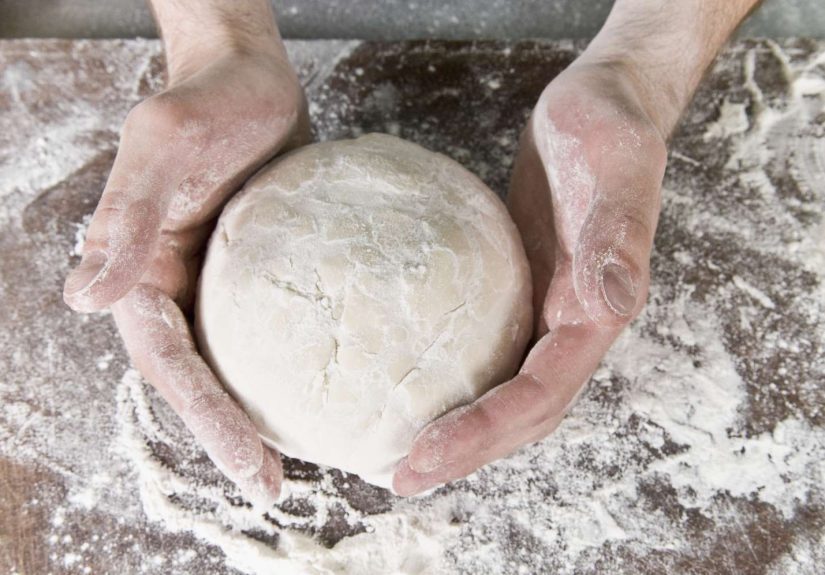
Portion the dough based on the size of pizza you plan to make later. A personal pizza dough ball should not be frozen as one giant family-sized blob unless you actually want one giant family-sized blob later. Individual portions thaw more evenly and are much easier to work with.
3. Lightly coat each dough ball with oil
Rub or brush a very light layer of olive oil over each dough ball. This helps prevent the surface from drying out and reduces the risk of freezer burn. Do not drown it. You want a protective coat, not an oil slick.
4. Pre-freeze on a tray
Place the dough balls on a parchment-lined baking sheet or tray with some space between them. Freeze until firm, usually for a couple of hours. This quick freeze helps the dough hold its shape and makes it easier to package without sticking or getting squashed.
5. Transfer to airtight storage
Move the firm dough balls into freezer-safe zip-top bags, airtight containers, or double-wrapped plastic wrap plus a freezer bag. Press out as much air as possible. Air is the villain here. Air causes drying, ice crystals, and that weird freezer taste that says, “This dough has seen things.”
6. Label everything
Write the date and dough type on the bag or container. If you make different styles, note that too: “thin crust,” “high hydration,” “sourdough,” or “Friday-night emergency pizza.” Labels matter more than people think, especially when your freezer starts looking like a mystery novel.
7. Freeze flat and undisturbed
Store the dough where it can stay cold and undisturbed. A stable freezer temperature is better for texture than repeatedly moving the dough around every time you go hunting for ice cream.
The Best Way to Thaw Frozen Pizza Dough
The ideal method is simple: thaw pizza dough in the refrigerator overnight, then let it sit at room temperature until it is soft, puffy, and easy to stretch. This slow thaw protects texture and gives the dough time to wake up gradually.
Refrigerator thawing method
- Transfer the frozen dough ball from the freezer to the refrigerator.
- Leave it there for 8 to 24 hours, depending on size.
- Remove it from the fridge and place it in a lightly oiled bowl or on a floured surface, covered.
- Let it rest at room temperature for 30 minutes to 3 hours, until pliable.
If the dough snaps back when you try to stretch it, it is not ready yet. Let it rest another 15 to 20 minutes and try again. Dough that is relaxed is much easier to shape than dough that is still cold in the center and emotionally unavailable.
Faster thawing options
If you forgot to plan ahead, you do have options. You can thaw the sealed dough in cold water for faster defrosting. Some people also use a microwave defrost setting, but that is a risky move because the edges can start to cook while the middle is still frozen. If you use cold water or microwave thawing, cook the dough soon after thawing rather than letting it sit around for hours.
One method to avoid is leaving frozen dough on the counter all day. That can push the outside into over-proofing while the inside remains cold, and from a food-safety standpoint it is not a smart habit.
How to Tell If Thawed Pizza Dough Is Ready to Use
Good thawed dough should feel cool or room temperature, soft, slightly puffy, and stretch without tearing immediately. When you press it gently with a fingertip, the dough should show some give. It does not need to be dramatically doubled in size, but it should no longer feel dense like refrigerator clay.
If the dough tears easily, seems dry on the outside, or has white icy patches, freezer burn may have affected it. If it smells pleasantly yeasty and slightly fermented, you are in good shape. If it smells harsh, sour in a bad way, or just plain strange, it is better to start over.
Common Mistakes That Ruin Frozen Pizza Dough
Freezing one giant batch instead of individual portions
This makes thawing slower, less even, and more annoying. Freeze what you plan to use per pizza.
Not protecting the dough from air
Loose wrapping leads to freezer burn and dry dough skin. Always seal tightly and remove as much air as possible.
Freezing dough too late
If dough is already over-proofed before it goes into the freezer, it may thaw into a sticky, weak mess. Freeze it when it is properly fermented, not when it has already passed its prime.
Skipping the room-temperature rest
Cold dough fights stretching. Warmed, relaxed dough behaves like a team player.
Keeping it frozen forever
Frozen does not mean immortal. The longer dough sits in the freezer, the more likely its yeast activity and texture will decline.
Can You Freeze Store-Bought Pizza Dough?
Yes. Store-bought pizza dough freezes well too. In fact, if you buy fresh dough and know you will not use it in time, freezing it sooner rather than later is usually the smarter move. Re-portion it if needed, lightly oil it, wrap it tightly, and freeze it before it gets close to its expiration date.
This is especially useful for grocery-store dough, bakery dough, or refrigerated dough from specialty markets. The same thawing rules apply: refrigerator first, room temperature second, patience always.
Can You Freeze Pizza Crust Instead of Dough?
Absolutely. If you want an even faster path to dinner, you can par-bake the crust, cool it completely, wrap it well, and freeze that instead. This works especially well for gluten-free dough, busy weeknights, or households where “make dinner fast” is less of a suggestion and more of a siren.
Freezing raw dough gives you the freshest texture and more flexibility. Freezing par-baked crust gives you speed. Neither choice is wrong. It depends on whether you value convenience or that fresh-from-scratch feel more on pizza night.
Final Tips for Better Frozen Pizza Dough
- Use strong flour if your recipe allows it for better structure.
- Freeze dough balls after fermentation, not before flavor develops.
- Use airtight bags or containers and remove excess air.
- Label with the date so you actually know what you are pulling out later.
- Thaw in the fridge overnight for the best texture.
- Let the dough rest at room temperature until it stretches easily.
- When in doubt, make extra dough. Future-you deserves nice things.
Real-World Experiences With Freezing Pizza Dough
If you make pizza often, freezing dough quickly becomes less of a “technique” and more of a lifestyle. The first time I froze pizza dough, I treated it like a science experiment. I wrapped one dough ball tightly, forgot to label the second, and stuffed both behind a bag of frozen peas like they were entering witness protection. A week later, I thawed one overnight, let it sit on the counter, and was honestly surprised by how normal it felt. Not “normal for frozen dough.” Just normal. Stretchy, cooperative, and ready for sauce.
That first success taught me something important: frozen pizza dough does not need to be fussy. It just needs a little respect. Once I started freezing dough after the first rise and portioning it properly, pizza night got a whole lot easier. Instead of making dough from scratch every time, I could mix a bigger batch on the weekend, freeze two or three dough balls, and pull one out whenever the craving hit. That turned homemade pizza from a project into a practical dinner.
I also learned what not to do. One time I skipped the oil and used a thin produce bag because it was “probably fine.” Reader, it was not fine. The dough came out with dry patches and tiny ice crystals, and stretching it felt like trying to negotiate with a very stubborn bedsheet. Another time I tried rushing the thaw by leaving the dough on the counter too long. The outer layer got warm and sticky while the center stayed cold and tight, which meant shaping was uneven and the crust baked less beautifully than I had imagined in my heroic pre-dinner fantasy.
Over time, the best routine became obvious. I now freeze dough balls individually, each one lightly oiled, briefly pre-frozen on a tray, then sealed in freezer bags with the date written clearly on the front. Nothing revolutionary. Just reliable. I usually move a dough ball to the refrigerator the night before pizza night, then let it sit out for a while before stretching. That one-two thawing process gives me the most dependable results: the dough relaxes, the edges puff nicely, and the crust gets that balance of crisp exterior and chewy interior that makes homemade pizza worth the trouble.
The biggest practical benefit, though, is flexibility. Frozen pizza dough is perfect for busy households, unpredictable schedules, and people who want homemade food without daily dough management. It is also fantastic when guests show up, kids are hungry, or your dinner plan falls apart and you need a backup that does not feel like surrender. Pulling out a dough ball from the freezer still feels a little like finding money in an old coat pocket. Except the money turns into pizza, which may actually be better.
So if you are on the fence, try freezing one extra dough ball the next time you make pizza. Not ten. Just one. That single dough ball will teach you almost everything you need to know. Chances are, after one successful thaw-and-bake, your freezer will start carrying pizza dough on purpose.
Conclusion
Learning how to freeze pizza dough is one of those low-effort kitchen skills that pays you back again and again. Freeze it after fermentation, store it airtight, thaw it slowly, and give it time to relax before shaping. Do that, and your homemade pizza dough will be ready whenever pizza night calls. Which, let us be honest, is often.