Table of Contents >> Show >> Hide
- Quick Jump
- What Pine Nuts Are (and Why They Taste Like Butter’s Cool Cousin)
- How to Buy and Store Pine Nuts Without a Rancid Plot Twist
- How to Toast Pine Nuts (Stovetop, Oven, Microwave) Without Burning Them
- How to Cook With Pine Nuts: Beyond Pesto (But Also Yes, Pesto)
- Measures & Conversions: How Much Pine Nut Do You Actually Need?
- Best Pine Nut Substitutions (When the Store Price Tag Laughs at You)
- Troubleshooting Pine Nuts: Burning, Rancidity, and Other Tiny Problems With Big Attitudes
- Conclusion: Pine Nuts Are EasyIf You Treat Them Like a Fast-Moving Ingredient
- Kitchen Experiences: What Cooking With Pine Nuts Teaches You (The Fun, Slightly Pricey Way)
Pine nuts are the tiny, buttery overachievers of the pantry. They’re small enough to hide in a pesto,
fancy enough to make a salad feel like it has a passport, and expensive enough to make you toast them like
you’re handling diamond dust. The good news: cooking with pine nuts isn’t hardit’s just fast. They go from
pale and innocent to “who invited the campfire?” in seconds.
This guide covers the practical stuff (buying, storing, and measuring) and the delicious stuff
(toasting, seasoning, and using pine nuts beyond pesto). You’ll get clear timing tips, weight-and-volume
conversions, and a handful of specific ideas so you can use pine nuts with confidenceand without burning
a week’s grocery budget.
What Pine Nuts Are (and Why They Taste Like Butter’s Cool Cousin)
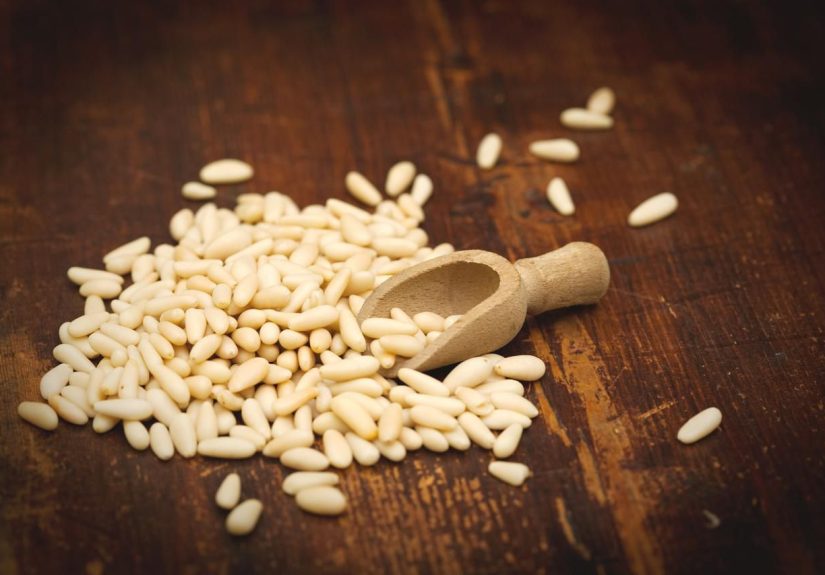
Pine nuts (sometimes labeled pignoli or piñon) are edible seeds from certain pine species.
In the kitchen, they behave like a soft, sweet, delicate nut with a rich, resin-kissed flavorkind of like
cashews met a pine forest and decided to start a band.
Flavor profile and how it changes with heat
Raw pine nuts are mild, creamy, and slightly sweet. Toasting unlocks their signature aroma and deepens
flavor fastthink warm, nutty, and slightly caramelized. That’s why so many recipes call for “toasted”
pine nuts even when everything else is raw or fresh.
Nutrition in plain English
Pine nuts are calorie-dense (about 191 calories per ounce) and mostly fat, which is exactly why they taste
so luxurious. They also bring a little protein and fiber to the partyuseful, but not the main event.
The main event is the flavor.
How to Buy and Store Pine Nuts Without a Rancid Plot Twist
Pine nuts have a high oil content, so they can turn rancid faster than sturdier nuts. If you’ve ever opened
a bag and thought, “Is this… paint?”that’s your cue.
Shopping tips that actually matter
- Buy smaller amounts more often if you don’t use pine nuts weekly.
- Choose sealed packaging when possible. Bulk bins can be fine, but freshness varies.
- Check the aroma (if you can). Fresh pine nuts smell mildly sweet and nutty, not sharp or stale.
- Look for color consistency: pale ivory to light gold. Very dark spots can mean older nuts or uneven storage.
Best storage setup
Treat pine nuts like you treat fancy olive oil: cool, dark, airtight. For everyday use, storing them in the
refrigerator is a strong move. For longer storage, the freezer is your best friend.
- Refrigerator: about 1–2 months for best quality.
- Freezer: about 3–6 months for best quality (and they can be kept frozen longer for safety).
Pro tip: portion pine nuts into small containers or freezer bags, press out air, and freeze. You can measure
what you need straight from frozen. They thaw quickly, and you don’t have to repeatedly warm and re-chill the
whole bag.
How to Toast Pine Nuts (Stovetop, Oven, Microwave) Without Burning Them
The #1 pine nut rule is simple: do not walk away. Pine nuts toast quickly and burn even quicker.
If you step away “for just a second,” pine nuts interpret that as permission to become charcoal.
Method 1: Stovetop (fastest, best for small batches)
- Use a dry skillet (no oil) and spread pine nuts in a single layer.
- Heat on medium-low, stirring or shaking the pan often.
- Toast until golden and fragrant, about 3–5 minutes.
- Immediately transfer to a plate or bowl so they don’t keep cooking in the hot pan.
Method 2: Oven (more even, better for larger batches)
- Preheat oven to 350°F.
- Spread pine nuts on a baking sheet in a single layer.
- Start checking around 4 minutes. Stir once if needed.
- Pull them when they’re lightly golden and fragrant, then move them off the hot pan.
Method 3: Microwave (works, but requires extra attention)
Microwaving nuts can be quick, but pine nuts are small and easy to overdo. If you’re microwave-toasting,
use short bursts and check frequently. Some microwave methods suggest rinsing and using a paper bag; others
recommend spreading nuts on a plate and stirring at intervals. Either way: treat the microwave like a
high-speed settingnot a “set it and forget it.”
How to store toasted pine nuts
Toasted pine nuts can go rancid faster than raw ones, so use them soon. If you toast a batch to “save time,”
store it airtight and plan to use it within a weekpreferably in meals you’re excited about, like pesto, salads,
or roasted vegetables.
How to Cook With Pine Nuts: Beyond Pesto (But Also Yes, Pesto)
Pine nuts shine in two main roles: texture (gentle crunch) and richness
(buttery flavor). You’ll get the most impact when you add them near the end of cooking or use them as a garnish.
1) Pesto and herb sauces
Classic basil pesto is the famous one, but pine nuts work beautifully in arugula pesto, parsley-almond
“pesto-ish” sauces, and even kale-based versions. Toasting the nuts first makes the flavor louder and warmer.
Quick example: Blend basil, garlic, Parmesan, lemon, and olive oil. Add pine nuts and pulse.
Want a brighter pesto? Use some lemon zest. Want a deeper pesto? Toast the pine nuts and the garlic (gently).
2) Pasta, grains, and “make it fancy” bowls
Pine nuts love pasta shapes that catch themorecchiette, farfalle, and spaghetti with a slick sauce. Try them
with lemony greens (spinach, arugula), roasted cherry tomatoes, or sautéed zucchini.
- Warm grain bowl idea: Farro + roasted squash + goat cheese + toasted pine nuts + herb vinaigrette.
- Fast pasta idea: Garlic + olive oil + spinach + chili flakes + pine nuts + Parmesan.
3) Salads and roasted vegetables
Pine nuts are a salad cheat code: they add richness without making the salad heavy. They’re also excellent on
roasted vegetablesespecially green beans, Brussels sprouts, cauliflower, and asparagus.
Try this: Roast Brussels sprouts until crisp, toss with balsamic, then finish with toasted pine
nuts and shaved Parmesan. It tastes like a restaurant side dish that charges $14 for… sprouts.
4) Dips, spreads, and creamy blends
Pine nuts can be blended into dips for richness. One delicious pattern is “toasted pine nuts + oil” used as a
flavor base, then blended with beans or vegetables for a creamy dip that doesn’t need dairy.
Example direction: Gently cook pine nuts in oil until golden, drain, then blend most of the nuts
into a white bean dip and sprinkle the rest on top for crunch.
5) Baking and desserts (yes, really)
In baking, pine nuts work best where their mild flavor won’t get bulldozedthink shortbread, biscotti,
fruit tarts, honey-forward desserts, or cookies where you want a delicate crunch. A small sprinkle on top of
a pastry before baking also adds great texture.
Measures & Conversions: How Much Pine Nut Do You Actually Need?
Recipes usually list pine nuts by volume (tablespoons or cups), but pine nuts vary in size and density.
If you want consistent resultsespecially for pestouse a kitchen scale. When you don’t have one, the
conversions below will keep you very close.
Quick measuring tips
- Spoon-and-level for tablespoons (don’t pack them).
- Use the same “scoop style” each time for cup measures to stay consistent.
- Chopped vs. whole matters: chopped pine nuts pack tighter, so a “1/4 cup chopped” weighs more than “1/4 cup whole.”
Common pine nut conversions (approximate)
| Volume | Approx grams | Approx ounces | Typical use |
|---|---|---|---|
| 1 tablespoon | 8–9 g | 0.3 oz | Finishing sprinkle for salads, pasta, veggies |
| 2 tablespoons (1/8 cup) | 16–18 g | 0.6 oz | Crunch topper for a big bowl or sheet-pan veg |
| 1/4 cup | 34–36 g | 1.2–1.3 oz | Dips, grain bowls, light pesto batch |
| 1/2 cup | 68–71 g | 2.4–2.5 oz | Classic pesto proportions, stuffing, sauces |
| 1 cup | 135–142 g | 4.8–5.0 oz | Large batch cooking, entertaining, big topping jar |
Ounces to tablespoons (the “I’m eyeballing it” cheat)
An ounce of pine nuts is about 28 grams. Since a tablespoon is roughly 8–9 grams, that means
1 oz is about 3 tablespoons. This is handy when a recipe gives ounces and you only have spoons.
How to scale pine nuts in recipes (without changing the vibe)
- For pesto: If you halve the basil, halve the pine nuts too. Pesto likes balance.
- For toppings: Start with 1 tablespoon per serving, then adjust based on how dramatic you feel.
- For baking: Use smaller amounts (1–3 tablespoons) so pine nuts don’t dominate the texture.
Best Pine Nut Substitutions (When the Store Price Tag Laughs at You)
Pine nuts have a unique buttery sweetness, but you can still get great results with substitutesespecially in pesto,
salads, and roasted vegetables. The trick is to choose something that toasts well and won’t taste bitter.
Top substitutes (and when to use them)
- Cashews: closest in creamy richness; great for pesto and sauces.
- Walnuts: classic pesto alternative; slightly more bittertoast gently.
- Almonds (slivered or sliced): clean flavor, good crunch; works well in salads and grain bowls.
- Pistachios: bold and slightly sweet; great with citrus, herbs, and Mediterranean flavors.
- Pepitas (pumpkin seeds): nut-free-ish option; toasts beautifully; perfect for salads and veggie dishes.
- Sunflower seeds: budget-friendly, great for pesto and dressings; toast for best flavor.
Substitution ratio: In most recipes, substitute 1:1 by volume. If you’re switching to a stronger
nut (like walnuts), consider starting with 3/4 the amount and tasting before adding more.
Troubleshooting Pine Nuts: Burning, Rancidity, and Other Tiny Problems With Big Attitudes
Problem: “They burned in 30 seconds. How is that even possible?”
It’s possible because pine nuts are dramatic. Use medium-low heat, keep them moving, and pull them earlycarryover
heat continues browning. If you’re distracted easily, oven-toasting can be more forgiving than stovetop (but you still
need to check often).
Problem: “They taste bitter or stale.”
That’s usually rancidity. Pine nuts’ oils oxidize, especially when stored warm or exposed to air. Store them airtight
in the fridge or freezer, and if they smell “off,” don’t try to rescue them with extra garlic. Garlic is powerful,
but it’s not a time machine.
Problem: “Why do some recipes toast pine nuts in oil?”
Toasting in oil can add richness and create a flavored oil you can reuse in the same recipe (dips, spreads, certain sauces).
It’s also a gentle way to brown them if you keep the heat low and swirl often.
Problem: “I ate pine nuts and now everything tastes weird.”
There’s a documented phenomenon sometimes called “pine mouth” (pine nut syndrome): a delayed bitter or metallic taste
that can start hours after eating pine nuts and last days to weeks. It’s considered uncommon and typically resolves on its own.
If you ever have allergy symptoms (especially trouble breathing, swelling, or hives), seek medical help immediatelydon’t
chalk that up to “quirky pine nuts.”
Problem: “Can I serve pine nuts to someone with a nut allergy?”
Don’t guess. In U.S. allergen labeling guidance, pine nut is treated as a tree nut for labeling purposes. If you’re cooking
for someone with allergies, ask what they avoid and read labels carefully. When in doubt, skip the pine nuts and use a clearly
safe alternative.
Conclusion: Pine Nuts Are EasyIf You Treat Them Like a Fast-Moving Ingredient
Pine nuts don’t require chef-level skills. They require attention. Buy them like they’re perishable (because, in a way,
they are), store them cold and airtight, toast them with your eyes open, and measure them with a scale when precision matters.
Once you’ve got the basics, pine nuts become a flexible tool: pesto that tastes brighter, salads that feel special, roasted
vegetables with a buttery crunch, and dips that taste like you planned aheadeven if you didn’t. Use them strategically, and
a small bag can stretch across multiple meals with maximum impact.
Kitchen Experiences: What Cooking With Pine Nuts Teaches You (The Fun, Slightly Pricey Way)
If you cook with pine nuts long enough, you start developing “pine nut instincts.” It’s a little like learning to drive a car
with a sensitive gas pedal: the secret isn’t forceit’s finesse. A lot of home cooks have the same early experience: you buy a
bag, you use a tablespoon or two, and then the rest sits in the pantry because you’re saving it for a “special recipe.” Fast
forward a month, and that special recipe turns into a special smell. The first real lesson pine nuts teach is that luxury
ingredients should be stored like luxury ingredientscool, sealed, and protected from air.
The second lesson usually happens at the stove. Pine nuts toast so quickly that your cooking rhythm changes. With sturdier nuts,
you can stir occasionally and multitask. With pine nuts, you become the multitasker’s worst nightmare: the person who stands there
stirring like it’s a high-stakes sport. Many cooks learn to set up a “landing zone”a plate or bowl ready next to the panbecause
the moment they’re golden, they need to get out. That small habit (having a destination ready) makes pine nuts feel easy instead of
stressful.
Then there’s the “measure creep” moment. Pine nuts are so good that it’s tempting to throw in “a little extra,” especially when you
want more crunch on a salad. But because they’re rich, more isn’t always better. A sprinkle tastes elegant; a heap can overwhelm
delicate greens and lighter dressings. A common pattern is learning the difference between background richness and
main-character crunch. Pine nuts are best when they enhance, not when they hijack.
Another shared experience: pine nuts make you a smarter improviser. The first time you can’t justify the priceor the store is outyou
start experimenting with substitutes. That’s when you realize pesto is a method, not a law. Cashews make it creamy, walnuts make
it deeper, sunflower seeds make it budget-friendly, and pepitas make it feel a little more rustic. You learn to toast whatever you’re
using, taste as you go, and adjust with lemon, salt, or cheese to get the balance back. Pine nuts don’t just add flavor; they quietly
teach you how to build flavor.
Finally, pine nuts tend to nudge people toward “finish-thinking.” Because they’re delicate and expensive, you start using them at the end:
sprinkle on top, fold in right before serving, or blend in at the final pulse so the texture stays pleasing. That finishing habit carries
over to other ingredients toofresh herbs, citrus zest, flaky salt. Pine nuts are like training wheels for better cooking: they encourage
you to respect timing, temperature, and texture. And yes, they also encourage you to watch the pan like it owes you money. Which, frankly,
it does.