Table of Contents >> Show >> Hide
- Why Cabbage Tastes Amazing When You Cook It the Right Way
- Know Your Cabbage Before You Start
- How to Prep Cabbage So It Cooks Better
- The Best Ways to Cook Cabbage
- How to Make Cabbage Taste Better Every Single Time
- Common Mistakes That Ruin Cabbage
- Easy Flavor Ideas for Craveable Cabbage
- Real-World Cabbage Cooking Experiences: What Usually Changes People’s Minds
- Conclusion
Cabbage has a branding problem. Say the word out loud and half the room imagines a sad pile of limp leaves that smells like a school cafeteria and tastes like disappointment. But that is not cabbage’s fault. That is a cooking problem. A serious one. Because when cabbage is cooked well, it turns sweet, nutty, savory, silky, crisp-edged, and deeply satisfying. In other words, it goes from “I guess I should eat more vegetables” to “Who took the last wedge?”
If you have only met cabbage in the form of mushy boiled side dishes, this article is your redemption arc. The secret is understanding what cabbage wants from you. It does not want to be drowned for 45 minutes and served with an apology. It wants heat, seasoning, and a little respect. Once you know how to roast it, sauté it, or braise it properly, cabbage becomes one of the most affordable, versatile, and genuinely craveable vegetables in your kitchen.
Even better, cabbage earns its “healthy vegetable” status honestly. It is low in calories, naturally rich in fiber, and packed with nutrients found in cruciferous vegetables, including vitamin C and other beneficial plant compounds. That means you can cook it for pure flavor and still feel smug in the best possible way.
Why Cabbage Tastes Amazing When You Cook It the Right Way
Cabbage belongs to the cruciferous vegetable family, which helps explain both its nutritional reputation and its strong personality. Those slightly peppery, earthy, sometimes bitter notes come from sulfur-containing compounds that give cruciferous vegetables their distinctive aroma and flavor. That is why raw cabbage can taste sharp, and overcooked cabbage can smell like it picked a fight with your kitchen.
Here is the good news: those same bold compounds can become delicious when you manage heat well. High, dry heat concentrates flavor and encourages browning, which makes cabbage sweeter and more complex. Gentle braising softens its structure and turns it buttery and mellow. Quick sautéing keeps some crunch while adding caramelized edges. In short, cabbage can be crisp, tender, smoky, rich, or bright depending on how you treat it.
That is also why people who say they “hate cabbage” often change their minds after trying roasted cabbage wedges or skillet-charred ribbons with garlic, vinegar, and a pinch of red pepper. The vegetable did not change. The technique did.
Know Your Cabbage Before You Start
If you want cabbage that tastes better, begin by picking the right type for the job. Green cabbage is the all-purpose workhorse. It is sturdy, affordable, and ideal for roasting, sautéing, soups, and slaws. Red cabbage is a little more peppery and visually dramatic, which means it is perfect when you want bright color and a sweet-tart finish in braises or salads. Savoy cabbage has softer, crinkly leaves that become extra tender when cooked. Napa cabbage is lighter and more delicate, which makes it a great choice for stir-fries, soups, and quick skillet dishes.
Look for heads that feel heavy for their size, with crisp leaves and no slimy patches or major browning. Once you get the cabbage home, peel away the outermost leaves, rinse it well, and dry it before slicing. That small prep step matters more than people think. Wet cabbage tends to steam instead of brown, and browned cabbage is where the magic lives.
How to Prep Cabbage So It Cooks Better
Before you cook, decide what texture you want. Thick wedges are best for roasting or grilling because they hold together and develop crispy edges with a tender center. Thin ribbons are ideal for sautéing because they soften quickly and pick up lots of flavor in the pan. Chunky shreds or rough slices work well in braises, soups, and one-pot meals.
Do not automatically cut out the core if you are roasting wedges. Leaving part of it attached helps the cabbage stay together in the oven. For skillet dishes, though, removing the tough inner core makes the texture more even and pleasant.
And here is an underrated move: salt cabbage lightly before cooking if you want it to soften faster and season more evenly. You do not need a long curing process. Even a few minutes can help draw out a bit of moisture, which encourages better browning and deeper flavor.
The Best Ways to Cook Cabbage
1. Roast It Until the Edges Get Dark and Sweet
If your goal is to make cabbage irresistible, roasting is the MVP. This method transforms firm, watery leaves into something sweet, nutty, and caramelized. The outer layers get crisp and almost chip-like, while the inside turns tender without collapsing into mush.
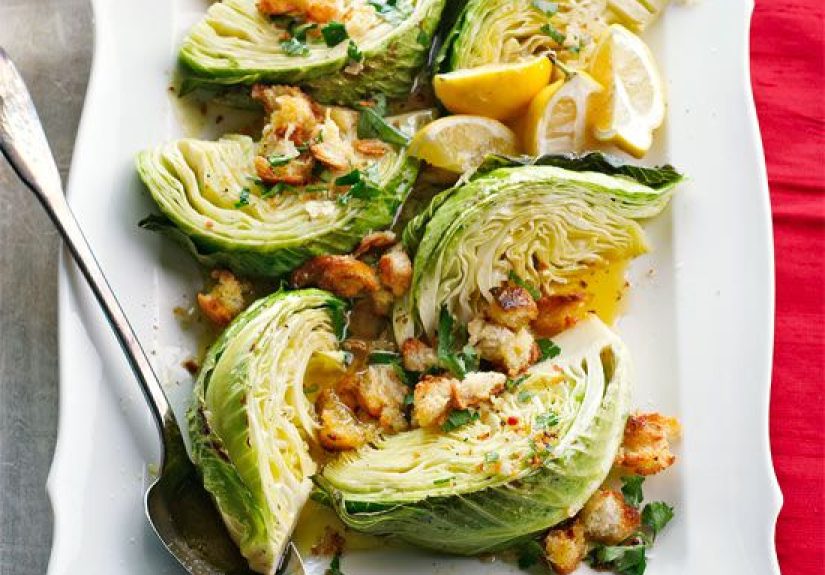
To do it, cut a head of cabbage into wedges, keeping enough core attached to hold each piece together. Brush or toss with olive oil, season generously with salt and black pepper, and roast on a hot sheet pan. A hot oven matters here. Think around 425°F to 500°F, depending on your recipe and how aggressively you want those charred edges. Flip once so both sides brown nicely.
The flavor payoff is huge. Roasting drives off excess moisture and concentrates the cabbage’s natural sweetness. It also creates the browned notes that make vegetables taste richer and more savory. Finish the wedges with lemon juice, a shower of Parmesan, toasted breadcrumbs, hot honey, or a spoonful of garlicky yogurt, and suddenly cabbage is not a side dish you tolerate. It is the thing you plan dinner around.
2. Sauté It Fast for Tender, Glossy, Browned Ribbons
If roasting is your weekend move, sautéing is your weeknight hero. Thinly sliced cabbage cooks quickly in a hot skillet and becomes silky, lightly browned, and deeply flavorful in about 12 to 15 minutes. This is one of the easiest ways to learn how to make cabbage taste good without a complicated recipe.
Start with a large skillet and do not crowd it. Add oil or butter over medium-high heat, then toss in the cabbage ribbons. Stir often, but not constantly. You want contact with the pan so the edges can brown. Once the cabbage softens and turns translucent in spots, add garlic for the last minute so it does not burn.
This is where cabbage becomes incredibly customizable. Want brightness? Add lemon zest or apple cider vinegar. Want depth? Add tamari, soy sauce, or a splash of broth. Want warmth? Add red pepper flakes, ginger, cumin, or smoked paprika. Want comfort? Finish with butter and black pepper. Sautéed cabbage loves bold flavors, so this is not the moment to be shy.
Serve it with sausage, roast chicken, rice bowls, noodles, beans, or eggs. Or eat it straight out of the pan while pretending you are “just tasting for seasoning.” We both know what is happening.
3. Braise It for Melting, Cozy, Big-Flavor Results
Braising is the method for people who want cabbage to feel luxurious. Instead of cooking it quickly over high heat, you soften it gently in a small amount of liquid until it turns silky and deeply seasoned. This works especially well with green or red cabbage and is ideal for cooler weather meals.
A simple braise starts by sautéing sliced cabbage for a couple of minutes, then adding a modest amount of liquid such as broth, water, wine, or vinegar. Cover and cook until tender. The liquid should not drown the cabbage. This is a braise, not a pool party. You want just enough moisture to soften the leaves while letting them absorb seasoning.
Braised cabbage is especially good with onions, apples, mustard, bacon, caraway, thyme, and vinegar. The combination of savory, sweet, and acidic flavors makes the vegetable taste fuller and rounder. Red cabbage in particular shines in a sweet-sour braise, where its color stays dramatic and the flavor becomes mellow, earthy, and just a little jammy.
How to Make Cabbage Taste Better Every Single Time
If you remember only one thing from this article, let it be this: cabbage needs contrast. The vegetable becomes much more appealing when you balance its natural earthiness with salt, acid, fat, sweetness, heat, or texture.
Here are a few combinations that work beautifully:
- Salt + acid: kosher salt with lemon juice, sherry vinegar, or apple cider vinegar
- Fat + crunch: olive oil with toasted walnuts, breadcrumbs, or crisp bacon
- Sweet + sharp: apples or onions with mustard or vinegar
- Heat + savoriness: chili flakes with garlic, soy sauce, or Parmesan
- Fresh finish: herbs like dill, parsley, chives, or cilantro added at the end
Cabbage also benefits from being paired with ingredients that make it feel hearty rather than punitive. Toss it into noodles, grain bowls, tacos, soups, stir-fries, and skillet dinners. Add beans for fiber, eggs for protein, or sausage for smoky richness. Once cabbage becomes part of a full-flavored meal, people stop thinking of it as “that healthy vegetable” and start thinking of it as dinner.
Common Mistakes That Ruin Cabbage
Overcooking It
This is the big one. Too much time in water or steam can leave cabbage limp, dull, and sulfur-smelling. Unless you are intentionally going for very soft cabbage in a soup or long braise, stop cooking while it still has some life left.
Using Too Little Heat
Low heat often leads to steaming instead of browning. Browning creates flavor. Pale cabbage can still be edible, but it rarely becomes memorable.
Skipping Acid
A squeeze of lemon or splash of vinegar can wake up cooked cabbage instantly. Without acid, the flavor can feel flat or heavy.
Underseasoning
Cabbage is mild enough that it needs help. Salt matters. Pepper matters. Garlic matters. This is not the vegetable to season with one sad pinch and hope for the best.
Crowding the Pan
If you pile too much cabbage into a skillet or onto a sheet pan, it releases moisture and steams. Give it space if you want the good stuff: browning, caramelization, and texture.
Easy Flavor Ideas for Craveable Cabbage
If you need inspiration beyond plain salt and pepper, try one of these easy directions:
- Roasted lemon-pepper cabbage: olive oil, black pepper, roast, then finish with lemon and Parmesan
- Garlic butter skillet cabbage: butter, garlic, a pinch of chili flakes, and chopped parsley
- Sweet-sour braised red cabbage: onion, apple, vinegar, and a touch of brown sugar
- Soy-ginger cabbage stir-fry: sesame oil, ginger, soy sauce, and scallions
- Smoky cabbage wedges: olive oil, smoked paprika, garlic powder, and a yogurt sauce on the side
The point is not to bury the cabbage. The point is to give it enough support to become delicious.
Real-World Cabbage Cooking Experiences: What Usually Changes People’s Minds
One of the most interesting things about cabbage is how often it wins over people who were absolutely convinced they did not like it. The pattern is almost comically predictable. Someone says they hate cabbage. Then they try it roasted until the edges are dark and crispy, or sautéed with garlic and vinegar, and suddenly they are standing in the kitchen with a fork, reevaluating several life choices.
A common home-cook experience is starting with boiled cabbage because it seems safe and simple. The result is usually fine, but “fine” is not the same as craveable. The flavor ends up muted, the texture goes soft fast, and the smell can get a little too enthusiastic. That is often the moment people decide cabbage is boring. In reality, they just met the least flattering version of it.
Things tend to improve dramatically the first time cabbage hits a hot pan or hot oven. Roasted cabbage surprises people because it develops sweetness they did not expect. The leaves at the edges get crisp, the thicker parts soften, and the whole thing tastes more like a serious side dish than a nutritional obligation. Sautéed cabbage creates a different kind of conversion. It still feels fast and practical, but it picks up color, savoriness, and enough texture to stay interesting from the first bite to the last.
Another experience many cooks have is discovering that cabbage is less about the recipe and more about the finish. A plain pan of cooked cabbage can feel incomplete, but the same pan becomes memorable with one last hit of acid, herbs, or crunch. A squeeze of lemon can brighten everything. A little apple cider vinegar can sharpen the flavor in the best way. Toasted nuts or breadcrumbs can make soft cabbage feel exciting again. This is the kind of low-effort upgrade that changes how often people make it.
There is also the budget factor, which deserves more love. Cabbage is one of those rare ingredients that is affordable, filling, and flexible. A single head can become slaw for lunch, a roasted side for dinner, and a skillet hash the next morning with eggs. For a lot of home cooks, that repeat value is part of the appeal. You buy one humble vegetable and somehow it keeps showing up in useful, delicious ways all week.
Then there is the texture lesson. People who think cabbage is automatically soft often have not played with different cuts. Thin ribbons cook quickly and become silky. Thick wedges stay substantial. Napa cabbage remains tender and delicate. Savoy gets wonderfully soft. Once cooks realize cabbage can behave differently depending on how it is sliced and heated, the vegetable becomes much more interesting.
Probably the biggest shift, though, is mental. Cabbage stops being “that healthy thing I should probably eat” and becomes “that easy thing I actually want to cook.” It is forgiving, widely available, and open to bold flavors from many cuisines. Garlic, mustard, soy sauce, dill, bacon, vinegar, yogurt, cumin, butter, chili crisp, apples, onions, cheese, broth, and citrus all make sense with cabbage. Very few vegetables are this adaptable without becoming expensive or fussy.
That is why the best cabbage experiences usually come from simple meals, not complicated ones. A hot sheet pan. A good skillet. Salt. Oil. One smart finishing touch. Suddenly cabbage is not punishment food. It is dinner with personality.
Conclusion
If you want to cook cabbage so you will actually crave it, stop treating it like a bland obligation and start treating it like a flavor sponge with excellent potential. Roast it when you want sweet charred edges. Sauté it when you want speed and browning. Braise it when you want tenderness and comfort. Then finish it with contrast: acid, herbs, crunch, spice, or richness.
Cabbage may never become glamorous, and honestly, that is part of its charm. It is inexpensive, widely available, and surprisingly versatile. Most importantly, it can taste fantastic when cooked with intention. So the next time you see a head of cabbage at the store, do not walk past it like it owes you money. Bring it home, turn up the heat, and give it the glow-up it deserves.