Table of Contents >> Show >> Hide
- What “Cooking with a Torch” Really Means (and Why It Works)
- Pick the Right Torch (Because Not All Dragons Are House-Trained)
- Safety First: Make Your Kitchen Torch-Friendly
- Torch Technique 101: The Moves That Make You Look Like a Pro
- Sweet Things to Torch (a.k.a. Dessert’s Glow-Up Department)
- Savory Things to Torch (Because Dinner Deserves Attention Too)
- How to Torch “Anything”: A Simple Framework
- Troubleshooting: Common Torch Problems (and the Fix)
- Conclusion: Your Torch Is a Finishing Superpower
- of Real-World Torch Experiences (What It’s Like When You Actually Use One)
A kitchen torch is basically a tiny, obedient dragon you can keep in a drawer. It’s not here to “cook” dinner from raw to ready all by itself (unless your dinner is a marshmallow), but it is here to finish food with high-heat confidence: crackly sugar, blistered skins, bubbly cheese, and that restaurant-y kiss of char that makes people ask, “Wait… did you install a new kitchen?”
In other words, if your oven is the slow, reliable accountant of your kitchen, a culinary torch is the chaotic creative director. Used smartly, it can help you brown, crisp, caramelize, toast, blister, melt, and “dramatically present” all kinds of dishessweet and savorywithout waiting for a broiler to preheat or sacrificing your whole meal to the Top Rack Gods.
What “Cooking with a Torch” Really Means (and Why It Works)
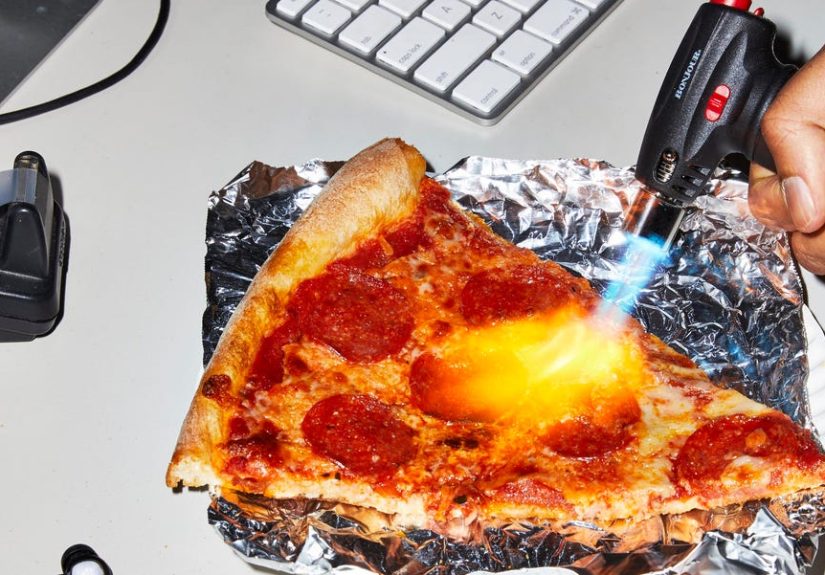
A torch excels at surface transformation. Its flame delivers intense heat to the outside of food in seconds, creating browning and caramelization that boosts flavor and texture. That’s why torches are famous for crème brûlée, toasted meringue, and last-minute steak crusts.
The key word is surface. A torch can’t reliably cook thick foods evenly all the way through. Think of it as a finishing tool: you roast, sous vide, simmer, steam, or pan-cook firstthen torch to add color, crispness, and that “I meant to do that” char.
The Torch Sweet Spot
- Best at: browning, caramelizing, crisping, blistering, melting, and quick charring.
- Not ideal for: fully cooking raw poultry, thick raw meats, or anything where interior doneness is the main goal.
- Perfect for: “My food tastes good, but it needs a glow-up.”
Pick the Right Torch (Because Not All Dragons Are House-Trained)
There are two main lanes: refillable butane culinary torches (common for desserts and everyday finishing) and full-size torch setups (often a torch head attached to a propane cylinder) for bigger jobs like charring peppers or doing multiple tortillas quickly.
Butane Kitchen Torch: The Everyday Finisher
If you want something compact for brûlée, meringue, melting cheese, and small-batch browning, a butane torch is your go-to. Look for an adjustable flame, a stable base, and a safety lockespecially if your household includes curious hands (kids, roommates, or your own late-night snack brain).
Full-Size Torch: The “Let’s Char Everything” Option
If you regularly blister peppers, toast tortillas for a crowd, or want fast, even charring over a larger area, a full-size torch can be more efficient than mini torches. It’s less “delicate pastry work,” more “confident outdoor-kitchen energy,” even if you’re standing next to your sink. (Yes, you can still use it for desserts. Your crème brûlée will simply feel more respected.)
Safety First: Make Your Kitchen Torch-Friendly
A torch is fire. It sounds obvious, but so does “don’t text and walk,” and yet sidewalks remain undefeated. Set yourself up for boring, successful torch sessions:
Quick Torch Safety Checklist
- Clear the area: move paper towels, packaging, wooden utensils, and hanging dish towels away from your torch zone.
- Ventilation helps: crack a window or run your hood if possible.
- Use a heatproof surface: sheet pan, cast iron, grill grate, or a flame-safe tray.
- Keep hair and sleeves controlled: you don’t want “toasted cardigan” notes in your final dish.
- Know grease-fire basics: never use water on a grease fire; smother with a lid if it’s safe to do so and turn off heat.
For food safety, remember: torching the outside doesn’t automatically make the inside safe. Raw meats and poultry must be cooked properly with safe handling practicesespecially ground or mechanically tenderized meats, where bacteria can be mixed into the interior.
Torch Technique 101: The Moves That Make You Look Like a Pro
The difference between “gorgeous caramelization” and “campfire regret” is usually just technique. Torch cooking is less about bravery and more about control.
1) Dry = Brown. Wet = Steam.
If the surface is wet, the torch spends energy evaporating moisture instead of browning. Pat proteins dry. Let veggies air-dry. If you’re torching something cold (like a custard), that’s finejust keep the top dry.
2) Keep the Flame Moving
Think “spray paint,” not “laser beam.” Sweep, circle, or zigzag. Your goal is even color, not a single scorched crater that looks like it fell from space.
3) Use the Clean Part of the Flame
Aim for a steady blue flame and use the hottest part just beyond the inner conewhere you get strong heat without sooty drama. If your flame is long and yellow, adjust it; yellow often means incomplete combustion and can leave off flavors or soot.
4) Distance Is Your Temperature Dial
Closer browns faster but can scorch; farther away warms and melts more gently. Start farther than you think, then move in as you get a feel for how fast your torch works.
Sweet Things to Torch (a.k.a. Dessert’s Glow-Up Department)
Crème Brûlée and Any Sugar-Topped Custard
The classic: sprinkle an even layer of sugar over chilled custard, then torch until it melts and turns amber. The custard stays cool, the top becomes a glassy, crackly lid, and suddenly you’re a person who “does brûlée at home.” (You can also brûlée sugar over rice pudding, oatmeal, or even a tart.)
Meringue: Toasted, Not Baked Into Submission
A torch gives you that bakery-style toasted meringue finish on pies, tarts, and baked Alaska without overbaking what’s underneath. The trick is constant motionsmall circles across the surfaceso you get even color and marshmallow aroma instead of bitter scorching.
Brûléed Fruit: The Easiest “Fancy” You’ll Ever Do
Grapefruit halves with sugar on top. Peaches sprinkled with a little sugar. Bananas with brown sugar and a pinch of salt. Torch until the sugar bubbles and sets. It’s like turning a fruit bowl into a dessert menu with one click and a little swagger.
Marshmallow Anything (Without Lighting Your Whole House on Fire)
Torch marshmallow fluff on cupcakes, toast marshmallows on a s’mores dip, or finish a hot chocolate with a toasted marshmallow cap. The torch gives that campfire vibe without the “why is everything smoky” aftermath.
Savory Things to Torch (Because Dinner Deserves Attention Too)
Melt and Brown Cheese Like a Broiler, But Faster
Torches are fantastic for melting and browning cheese on tuna melts, nachos, French onion soup, garlic bread, and mac and cheese. Start a bit farther away to melt gently, then move closer to brown and blister the top. You’re basically creating “just-out-of-the-oven” vibes without turning on the oven.
Finish Sous Vide Steaks and Chops
A torch can add browning and light char after sous vide cooking, especially when you want crust without pushing internal temperature higher. For best flavor, many cooks use a torch as a helper rather than the only searing methodpair it with a ripping-hot pan or a preheated cast iron surface to build crust quickly and avoid lingering fuel aromas.
Blister Peppers, Char Tomatoes, and Peel Like a Genius
Want that silky roasted pepper texture without balancing peppers directly on burner grates? Torch them. Want to loosen tomato skins for peeling? Torch the skins until they split, then peel after cooling. You can do the same for tomatillos or even scorch onions for salsa.
Torch Tortillas (Yes, Really)
A torch can warm and toast tortillas quicklyespecially if you’re making a lot and don’t want to babysit a pan. You’re aiming for warm pliability plus a few charred freckles, not a tortilla bonfire.
“Torch Hei”: Add Wok-Style Char at Home
If you’ve ever wondered why restaurant stir-fries taste smokier than yours, part of that is extremely high heat and brief flame contact. Some cooks use a torch to mimic a bit of that flame-kissed character at homeparticularly for vegetables and quick stir-fry finishes. Use a light hand: you want a whisper of char, not “I dropped it in the fireplace.”
How to Torch “Anything”: A Simple Framework
When you’re staring at a dish thinking, “Could I torch this?” run it through this quick test:
Step 1: Is the goal surface change?
If you want browning, blistering, melting, or caramelization, the torch is a strong candidate.
Step 2: Is it dry enough to brown?
Pat it dry or let it air out for a few minutes. Moisture slows browning and can lead to uneven spots.
Step 3: Can you torch it safely on a heatproof setup?
Put it on a sheet pan, cast iron, or flame-safe tray. Keep flammables away. Consider doing it near your stove hood for airflow.
Step 4: Torch in passes, not punishment
Do quick passes, pause, and look. Your eyes are your best timer. Browning happens fastthen suddenly it’s too late and you’re scraping charcoal off your dinner.
Troubleshooting: Common Torch Problems (and the Fix)
“It tastes like fuel.”
Usually this comes from torching too slowly on one spot or using a flame that isn’t burning cleanly. Use a steady blue flame, keep moving, and consider pairing torching with a very hot pan for faster browning and cleaner flavor.
“It’s burning in one spot and pale everywhere else.”
You’re hovering. Back up and move continuously. Torch in a patternleft to right, then top to bottomlike you’re mowing a lawn with extremely dramatic consequences.
“My sugar liquefied and slid off.”
Too much heat too fast, or uneven sugar. Use a thin, even layer. Torch in gentle passes to melt evenly before pushing deeper color.
“It’s not browning, it’s just… hot.”
The surface is probably damp or the torch is too far away. Dry it, move slightly closer, and work in quick passes.
Conclusion: Your Torch Is a Finishing Superpower
Cooking with a torch isn’t about replacing your stove or ovenit’s about unlocking a fast, controlled way to add craveable texture and flavor at the very end. Whether you’re caramelizing sugar, blistering peppers, melting cheese, or giving a steak that final crusty edge, a kitchen torch turns “pretty good” into “why does this taste restaurant?”
Start with low-stakes wins (toast meringue, brûlée fruit, melt cheese), learn how your flame behaves, and then graduate to bigger projects like charring veggies or finishing sous vide proteins. Before long, you’ll find yourself looking at normal food and thinking, with great power and mild mischief: “You could use a little torch.”
of Real-World Torch Experiences (What It’s Like When You Actually Use One)
The first time you use a kitchen torch, there’s a very specific emotional arc. It begins with cautious optimism (“This seems manageable”), rises into theatrical delight (“I am a wizard”), dips into panic (“WHY IS IT SO FAST”), and ends in proud relief (“Okay, I didn’t set off the smoke alarm. We’re thriving.”). That rollercoaster is normaland honestly, it’s part of the charm.
One of the most common “aha” moments happens when you torch sugar for the first time. You’ll watch a plain, sandy layer transform into a glossy crust that crackles under a spoon like thin ice on a winter puddle. It feels almost unfair that something so dramatic takes less time than finding the right streaming app password. The second “aha” is realizing sugar has a petty side: if you linger, it turns from amber to bitter in the blink of an eye. That’s when you learn the torch rhythmshort passes, tiny pauses, and a lot of “look with your eyes, not your hope.”
Then there’s the meringue experience. Toasting meringue is oddly satisfying because it’s so visual. You see white peaks turn golden and then deepen into warm brown, and the smell shifts from “sweet” to “toasted marshmallow at a summer camp you definitely did not pay for.” The lesson here is movement. If you keep the torch dancing, you get that perfect gradient; if you stop, you get a singed crater that tastes like regret and looks like a tiny meteor strike.
On the savory side, torching cheese is the gateway habit. It starts innocent: a little browning on French onion soup. Then it escalates: nachos that are mysteriously better than last week’s nachos, tuna melts that don’t require preheating an oven, and mac and cheese tops that develop those blistered, bubbly spots people fight over. The best part is how much control you have. You can brown just the corners of a casserole for the crispy-texture fans, while keeping the center creamy for the “no crunchy bits” crowd. Everyone wins. (Except the dish towel you forgot was hanging nearby. Don’t be that person.)
If you experiment with charring peppers or tomatoes, you’ll discover the torch’s “instant gratification” superpower. Skins blister quickly, the kitchen smells like roasted salsa potential, and peeling becomes easier after a brief cool-down. The most relatable experience here is the confidence boost: suddenly you’re not intimidated by “roasted” anything. You realize roasted flavor isn’t magicit’s controlled browning, and you’re holding the controller.
And finally, the torch becomes less of a special-occasion tool and more of a problem-solver. Forgot to broil the top of something? Torch. Want a little color on a plated dish right before serving? Torch. Need the drama of a restaurant finish for guests? Torch. It’s the culinary equivalent of a good haircut: everything looks more intentional afterward.