Table of Contents >> Show >> Hide
- Why Perfectly Boiled Noodles Matter
- Step 1: Start With the Right Pot and Enough Water
- Step 2: Bring the Water to a Real Rolling Boil
- Step 3: Salt the Water Like You Mean It
- Step 4: Do Not Add Oil to the Water
- Step 5: Stir Early, Then Stir Again
- Step 6: Follow the Package Time, but Trust Your Mouth More
- Step 7: Save the Pasta Water Before Draining
- Step 8: Drain Carefully, but Do Not Rinse Most Hot Noodles
- Step 9: Finish the Noodles in the Sauce
- Common Mistakes That Ruin Boiled Noodles
- How to Boil Different Types of Noodles
- Quick Pro Formula for Perfect Noodles Every Time
- Final Thoughts
- Kitchen Notes From Real-Life Experience
If you have ever stood over a pot of boiling water wondering why your noodles turned gummy, clumpy, bland, or weirdly sad, welcome. You are among friends. Boiling noodles looks easy because, technically, it is easy. But boiling them perfectly? That is where the little details start acting like tiny kitchen divas.
The good news is that professional cooks do not rely on magic. They rely on repeatable habits: enough water, the right amount of salt, a good stir at the right time, and the wisdom to stop cooking before the noodles go from al dente to wallpaper paste. Whether you are making spaghetti, egg noodles, ramen-style wheat noodles, or even rice noodles, the basics matter more than fancy equipment.
In this guide, you will learn how to boil noodles perfectly, what mistakes ruin texture, when to rinse and when not to, and how to get that restaurant-style finish that makes sauce cling like it has a personal grudge against the plate.
Why Perfectly Boiled Noodles Matter
Noodles are not just a side character. They are the stage, the supporting cast, and sometimes the whole show. When cooked well, they have bounce, structure, and just enough chew to hold sauce beautifully. When cooked badly, they go limp, stick together, or dissolve into a mushy carb puddle that even cheese struggles to save.
Perfect noodles do three things well: they taste seasoned, they hold their shape, and they play nicely with whatever comes next. That means your buttery garlic sauce will coat them better, your broth-based noodle bowl will feel cleaner and more balanced, and your baked pasta will not turn into a casserole-shaped regret.
Step 1: Start With the Right Pot and Enough Water
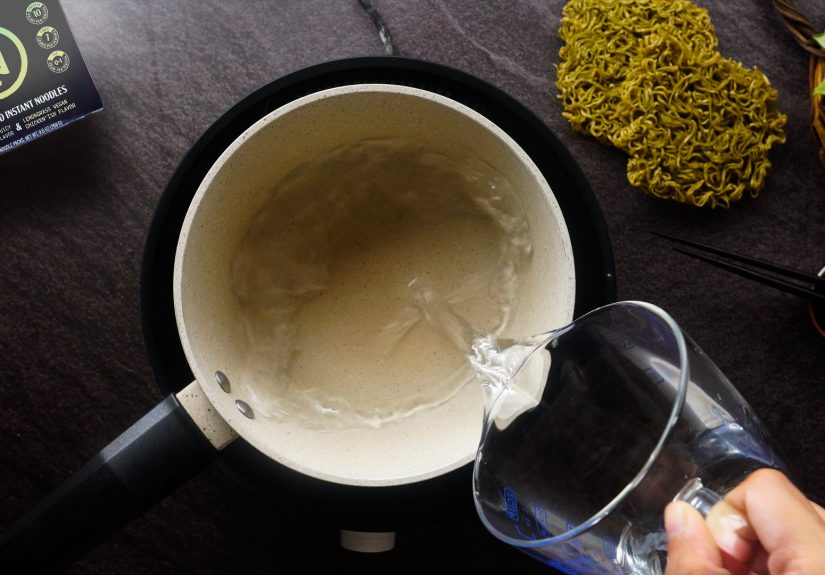
The first secret from the pros is simple: give your noodles room to move. Crowding a small pot with too little water is one of the fastest ways to create a starchy traffic jam. For most dried noodles or pasta, a large pot with about 3 to 4 quarts of water for every 8 ounces to 1 pound is a solid home-cook standard.
Why so much water? Because noodles release starch as they cook. In too little water, that starch becomes concentrated fast, which can make noodles stick to each other or cook unevenly. A roomy pot also helps long noodles like spaghetti soften gradually without breaking them in half. Please do not snap spaghetti unless your week has already gone terribly and you need to feel powerful.
Pro tip
If you are finishing noodles in sauce, some cooks intentionally use slightly less water to create starchier cooking water. That can help sauces emulsify better. But if you are still learning, master the classic big-pot method first. It is more forgiving.
Step 2: Bring the Water to a Real Rolling Boil
This is not the time for a lazy simmer that looks like it is considering boiling but has not committed. You want a rolling boil before the noodles go in. That vigorous movement helps keep noodles from clumping and encourages even cooking.
Adding noodles too early can lead to soft exteriors and undercooked centers. The outside hydrates before the water is truly hot enough to cook the noodle evenly, which is a fancy way of saying your dinner ends up confused.
Step 3: Salt the Water Like You Mean It
One of the biggest differences between okay noodles and excellent noodles is seasoning. Salted water is your first and best chance to flavor the noodles themselves. Sauce can help later, of course, but seasoned noodles taste better from the inside out.
A smart range for most home cooks is about 1 tablespoon of kosher salt per 3 to 4 quarts of water. The water should taste pleasantly seasoned, not like the Atlantic Ocean is reenacting a storm in your stockpot. The popular “make it as salty as the sea” advice is dramatic, memorable, and usually way too much.
Also, salt does not meaningfully make the water boil faster in any useful kitchen way. It is there for flavor, not physics flexing.
Step 4: Do Not Add Oil to the Water
This myth has hung around kitchens forever: add a little oil and your noodles will not stick. Sounds reasonable. It is also mostly nonsense.
Oil floats on top of water, so it does very little while the noodles are cooking. And if some oil ends up coating the noodles after draining, it can make sauce slide right off. That is the opposite of what you want. Save the oil for the sauce, the finishing drizzle, or the bread you are absolutely going to use to mop the plate.
Step 5: Stir Early, Then Stir Again
If you only remember one anti-clumping move, make it this one: stir the noodles during the first minute or two. That is when the surface starch is at its stickiest and the noodles are most likely to glue themselves together or attach to the bottom of the pot like they pay rent there.
After that, give them an occasional stir every couple of minutes. Long noodles like spaghetti and linguine especially benefit from a good initial swirl with tongs or a spoon so they separate as they soften.
Step 6: Follow the Package Time, but Trust Your Mouth More
Package directions are useful. They are not sacred law. Start checking your noodles a minute or two before the suggested time, especially if you plan to finish them in sauce.
The goal for most wheat-based noodles is al dente, which means tender with a slight bite. Not crunchy. Not chalky. Not “I can use this as a bracelet.” But also not floppy enough to collapse when lifted.
How to test doneness
- Fish out one noodle and bite into it.
- If the center is hard or has a visible white core, keep going.
- If it is fully soft and falling apart, you missed the sweet spot.
- If it is tender with a little resistance, victory is yours.
Fresh pasta and fresh egg noodles cook much faster than dried pasta, often in just a few minutes. Rice noodles are a different species entirely: many are best soaked or briefly boiled, then rinsed depending on the dish. In other words, not all noodles want the same spa treatment.
Step 7: Save the Pasta Water Before Draining
This is one of the most useful pro habits you can steal immediately. Before draining, scoop out about 1 cup of the starchy cooking water. That cloudy liquid is not kitchen waste. It is liquid gold for noodle sauces.
Why? Because the starch helps bind sauce and noodles together. It can loosen a sauce that is too thick, help butter and cheese form a glossy coating, and turn a pan of separated sadness into something silky and intentional.
If your sauce looks tight or dry after tossing in the noodles, add a splash of reserved cooking water and stir. Repeat as needed. This is how weeknight pasta suddenly starts acting like it trained in a restaurant kitchen.
Step 8: Drain Carefully, but Do Not Rinse Most Hot Noodles
For hot pasta dishes, do not rinse after draining. Rinsing washes off the surface starch that helps sauce cling. It also cools the noodles down, which is not ideal when you want them to finish cooking slightly in the sauce.
There are, however, exceptions:
- Cold pasta salad: a quick rinse can cool the noodles and stop carryover cooking.
- Rice noodles or some Asian-style noodles: rinsing may be part of the technique to remove excess starch and prevent sticking.
- Very specific recipes: lasagna sheets or make-ahead noodle preparations sometimes call for rinsing.
So the rule is not “never rinse.” The rule is “rinsing is situational.” For classic hot sauced noodles, skip it.
Step 9: Finish the Noodles in the Sauce
If you want a real pro move, do not just pile sauce on top of drained noodles and call it done. Transfer the noodles directly into the sauce when they are just shy of fully cooked. Then toss them together over low heat for 30 seconds to 2 minutes.
This final step does two magical things: it lets the noodles absorb flavor, and it helps the sauce coat every strand or shape more evenly. Add a splash of reserved noodle water if needed, and toss until glossy.
This is especially helpful for tomato sauces, butter sauces, garlic-and-oil sauces, and creamy cheese-based finishes. It is less a “hack” and more a “why does this suddenly taste so much better?” moment.
Common Mistakes That Ruin Boiled Noodles
Using too little water
This leads to sticky noodles and uneven cooking.
Skipping the salt
Unseasoned noodles stay bland, even under a flavorful sauce.
Adding oil to the pot
This does not solve sticking and may make sauce cling worse.
Not stirring at the beginning
This is when clumps form fastest.
Trusting the clock more than the noodle
Package times are guides, not destiny. Taste the noodle.
Dumping all the cooking water
That reserved water can rescue texture and help build a better sauce.
Rinsing hot pasta automatically
That starch is valuable. Do not wash away your advantage.
How to Boil Different Types of Noodles
Dried pasta
Use lots of boiling salted water, stir early, and cook to al dente. Finish in sauce if possible.
Fresh pasta or egg noodles
Cook in boiling water, but watch closely. These cook fast and can go from perfect to mushy in a blink.
Ramen-style wheat noodles
Follow the package closely, since thickness varies. Some are best drained and rinsed briefly if serving in a cold or separated preparation.
Rice noodles
Many are soaked instead of fully boiled. Others are briefly boiled, drained, and rinsed to stop cooking. Read the label because rice noodles have strong opinions.
Quick Pro Formula for Perfect Noodles Every Time
- Use a large pot and plenty of water.
- Bring it to a rolling boil first.
- Salt the water generously.
- Skip the oil.
- Add noodles and stir right away.
- Taste before the package time is up.
- Reserve 1 cup of cooking water.
- Drain, do not rinse for hot sauced dishes.
- Finish in sauce with a splash of noodle water.
- Serve immediately.
Final Thoughts
Learning how to boil noodles perfectly is one of those kitchen skills that seems small until you realize it changes everything. Better texture, better flavor, better sauce coverage, fewer sticky disasters, and a lot less guessing. The pros do not have secret wizard pots. They just respect the process.
So the next time you make noodles, remember: big pot, boiling water, generous salt, no oil, stir early, taste often, save the starchy water, and let the sauce finish the job. Your noodles will be better, your dinner will be better, and your future self will be deeply grateful that you stopped treating pasta night like a coin toss.
Kitchen Notes From Real-Life Experience
I did not learn to boil noodles perfectly in one glorious, cinematic moment with sunlight pouring through the kitchen window and an Italian grandmother nodding approvingly in the background. I learned the way many people do: by messing it up repeatedly and then getting oddly competitive with a pot of water.
For years, I made the classic mistakes. I used pots that were too small because I did not want to wash the big one. I salted the water with what can only be described as emotional hesitation. I added oil once because somebody said it was “the trick,” which turned out to be a trick mostly played on my sauce. I also relied on package times like they were carved into stone tablets. The noodles, in return, gave me every possible texture except the one I actually wanted.
The biggest change came when I started tasting as I cooked. That sounds obvious now, but it completely changed the game. Instead of waiting for a timer to declare dinner ready, I started pulling out a noodle a minute early and checking it. Suddenly, I could feel the difference between underdone, just right, and overdone. Once that clicked, I stopped serving spaghetti that was somehow both too soft on the outside and too stubborn in the middle.
The second breakthrough was saving pasta water. I used to pour it all down the drain without a second thought. Then I tried tossing hot noodles into sauce with a splash of that starchy water, and the whole dish changed. The sauce looked smoother, clung better, and tasted more integrated. It was one of those annoyingly simple lessons that makes you want to apologize to every bowl of pasta you made before.
I also learned that different noodles behave like different personalities at a dinner party. Dried spaghetti is dependable and easygoing if you do the basics right. Fresh egg noodles demand attention because they cook fast and punish distraction. Rice noodles can turn from perfect to broken-hearted in record time if you over-handle them. Once I stopped expecting every noodle to behave the same way, my results got much more consistent.
Now my routine is almost boring in the best possible way. Big pot. Boiling water. Good salt. Stir early. Taste early. Save water. Finish in sauce. It is not fancy, but it works. And that is probably the best secret from the pros: perfect noodles are less about complicated technique and more about a few smart habits you repeat until they become second nature.