Table of Contents >> Show >> Hide
- First, a quick definition of “lasts”
- How long do the effects of Xanax last?
- How long does Xanax stay in your system?
- Detection windows: how long tests can find Xanax
- What affects how long Xanax lasts in your body?
- Xanax withdrawal: what it is (and what it isn’t)
- Common Xanax withdrawal symptoms
- Withdrawal timeline: how long does it last?
- Safer discontinuation: what experts generally recommend
- “Withdrawal or my anxiety coming back?” How to tell the difference
- Safety notes people often overlook
- FAQ: quick answers people search for
- Real-world experiences related to “How long does Xanax last in your system?” (about )
- Conclusion
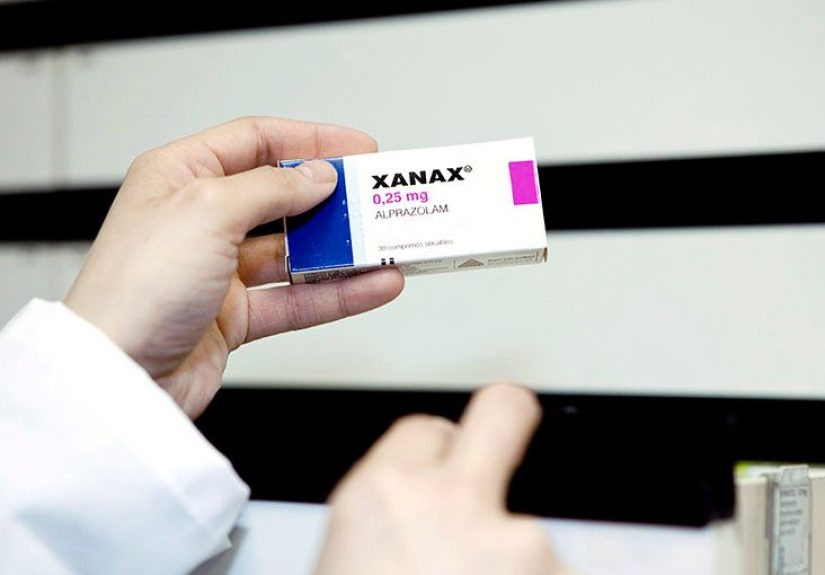
Xanax (the brand name for alprazolam) is a benzodiazepine often prescribed for anxiety and panic disorder.
It’s also the medication equivalent of a “quiet please” sign for your nervous systemeffective, fast-acting, and not something you want to treat like a casual mint.
If you’re wondering how long Xanax lasts in your body (and what withdrawal can look like), the answer depends on two timelines:
how long you feel it, and how long your body (or a lab test) can still find it.
First, a quick definition of “lasts”
When people ask how long Xanax lasts, they usually mean one of these:
- How long the effects last (sleepiness, calmer feelings, slower reaction time)
- How long it stays in your bloodstream (pharmacokineticsyour liver doing its cleanup work)
- How long it’s detectable on a test (urine, blood, hair, etc.)
- How long withdrawal can last (if the body has adapted to regular use)
Those timelines overlap, but they’re not the same. You can stop feeling Xanax long before it’s fully cleared from your systemand long before withdrawal risk disappears.
How long do the effects of Xanax last?
For many people, immediate-release Xanax is felt within about an hour, and the noticeable calming/sedating effects commonly last several hours.
Some people feel “back to normal” by later the same day, while others feel groggy, slowed down, or foggy the next morningespecially if they took it later in the evening
or are sensitive to sedating medications.
Real-life example
Imagine someone takes Xanax at 9 p.m. for acute anxiety. They might feel calmer by 10 p.m. and sleepy by 11 p.m.
By 7 a.m., the “calm” may be gone, but they could still feel sluggish while driving or taking a test at school or work.
That’s because the clinical effects can fade while the medication is still circulating in the body.
How long does Xanax stay in your system?
A standard way clinicians talk about “how long a drug stays” is its half-lifethe time it takes for the amount in the blood to drop by about half.
Alprazolam’s average half-life in healthy adults is about 11 hours, but there’s a wide range person-to-person.
What half-life means in plain English
After about 5 half-lives, most medications are considered largely eliminated.
With an ~11-hour half-life, that’s roughly 2–3 days for many healthy adultsbut it can be longer depending on your body and your situation.
Why some people clear Xanax more slowly
Alprazolam is metabolized mainly by the liver (notably via CYP3A4). That means anything that slows liver metabolism can stretch the timeline.
In prescribing information, longer half-lives have been observed in older adults, people with obesity, and people with liver impairment.
Detection windows: how long tests can find Xanax
Drug tests don’t measure “how calm you feel.” They look for alprazolam and/or its metabolites.
Detection depends on the test type, how often someone used Xanax, dose, metabolism, and the sensitivity of the lab method.
| Test type | Common detection window (approx.) | Notes |
|---|---|---|
| Urine | ~1–5 days (sometimes longer with heavy/ongoing use) | Urine is the most common testing matrix; detection varies widely by method and use pattern. |
| Blood | Often ~1–4 days | Shorter window than urine for many people, but can vary. |
| Saliva | Often ~1–2+ days | Less common; timing varies based on lab cutoffs and timing of last dose. |
| Hair | Up to ~90 days (typical hair-testing window) | Hair tests reflect longer-term history; they don’t detect very recent use immediately. |
Important: there’s no magic trick to “flush” Xanax from your system safely.
Hydration, exercise, and supplements don’t reliably change lab detection windowsand trying to force the process can be risky.
What affects how long Xanax lasts in your body?
Think of Xanax timing like a road trip: the same car can arrive at wildly different times depending on traffic, weather, and pit stops.
Here are the biggest “traffic” factors:
1) Age
Older adults often clear alprazolam more slowly, increasing the chance of next-day sedation and higher accumulation with repeated dosing.
2) Liver function
Because alprazolam is processed in the liver, liver impairment can extend how long it stays in the bloodstream.
This is one reason clinicians may use lower doses or different medications in certain patients.
3) Body composition and obesity
Studies referenced in prescribing information show longer average half-lives in people with obesity, which can extend “time in system.”
4) Drug interactions (CYP3A4)
Some medications and substances can slow alprazolam metabolism by affecting CYP3A4.
Translation: Xanax can linger longer, and side effects can hit harder.
This is one reason it’s critical to tell a clinician about all meds and supplements you take.
5) Alcohol and other sedatives (especially opioids)
Combining benzodiazepines with alcohol or opioids can dangerously increase sedation and breathing suppression.
This is a major safety concern and is specifically warned about by public health agencies.
6) Extended-release vs immediate-release
Xanax XR releases alprazolam more slowly, which can change how long effects are felt and how steady levels stay in the body.
The underlying half-life is similar, but the “shape” of the timeline changes.
Xanax withdrawal: what it is (and what it isn’t)
Withdrawal happens when the body has adapted to regular benzodiazepine exposure and then the drug is reduced too fast or stopped abruptly.
It’s not a moral failing; it’s physiology.
Dependence vs addiction
- Physical dependence means your body expects the medication and reacts when it’s reduced or stopped.
- Addiction involves compulsive use despite harm and loss of control. Some people have dependence without addiction; others may develop both.
Common Xanax withdrawal symptoms
Withdrawal symptoms vary from mild to severe. Commonly reported symptoms include:
- Rebound anxiety or panic
- Insomnia or restless sleep
- Irritability, agitation, mood swings
- Tremor, sweating, rapid heartbeat
- Nausea, stomach upset
- Headaches, muscle aches, sensory sensitivity
Severe symptoms (medical emergency)
In some casesespecially after long-term use or abrupt discontinuationbenzodiazepine withdrawal can include
confusion, hallucinations, or seizures. If these occur, it’s urgent medical territory (call emergency services).
Withdrawal timeline: how long does it last?
There isn’t one universal timeline, but here’s the general pattern clinicians discuss:
- Early withdrawal: symptoms can begin within a day or two for shorter-acting benzodiazepines like alprazolam.
- Acute withdrawal: symptoms often peak over the first several days and can last 1–2 weeks (sometimes longer).
- Protracted withdrawal: a smaller subset of people report intermittent symptoms lasting weeks to months.
Some medication references note that withdrawal symptoms can persist for a long time in certain cases.
The biggest predictors of tougher withdrawal tend to be: higher total exposure (dose and duration), abrupt stopping, and co-occurring substance use or anxiety disorders.
Safer discontinuation: what experts generally recommend
If Xanax has been taken regularlyeven for a few weeksstopping suddenly can be risky.
The safest approach is almost always a clinician-guided taper, tailored to the person’s history and symptoms.
Because this topic is medical and individualized, avoid DIY schedules from the internet.
What a clinician might consider
- How long you’ve been taking alprazolam and how often
- Whether you’re taking other sedatives (including alcohol, sleep aids, opioids)
- History of seizures or significant withdrawal symptoms
- Whether switching to a longer-acting benzodiazepine is appropriate (in some cases)
- Supportive treatments (therapy, sleep support, non-addictive anxiety treatments)
“Withdrawal or my anxiety coming back?” How to tell the difference
This is tricky, because both can feel similar. Two clues:
- Timing: withdrawal symptoms often appear soon after dose reduction or missed doses.
- New physical symptoms: tremor, sweating, sensory sensitivity, and intense insomnia can point toward withdrawal.
Either way, it’s worth discussing with a healthcare professionalespecially if symptoms feel intense, unusual, or unsafe.
Safety notes people often overlook
Driving and “I feel fine” moments
Even if you feel calm or normal, benzodiazepines can still slow reaction time.
That matters for driving, sports, operating machinery, and any situation where split-second judgment counts.
Mixing substances
Public health agencies emphasize the increased overdose risk when benzodiazepines are combined with opioids and other CNS depressants.
If you or someone you know is prescribed both, it’s especially important to follow prescriber guidance and ask questions.
FAQ: quick answers people search for
How long does Xanax stay in urine?
Many references cite an approximate urine detection window around 1–5 days, with variability based on lab methods and use patterns.
Can Xanax withdrawal last months?
For most people, the acute phase resolves within weeks, but some people report prolonged or intermittent symptoms.
The risk is higher with long-term use and abrupt discontinuation.
Does Xanax XR last longer than regular Xanax?
Xanax XR releases the medication more slowly, so effects may feel smoother and extended, but the drug’s elimination half-life is in a similar ballpark.
Real-world experiences related to “How long does Xanax last in your system?” (about )
When people talk about Xanax “lasting,” their stories usually split into two categories: the noticeable effects and the after-effects.
A common experience with immediate-release alprazolam is that it can feel like flipping a switch on anxious intensityespecially with panic symptoms.
People describe the first hour as a “volume knob turning down” on racing thoughts. Some say their chest tightness eases, their breathing becomes less frantic,
and the mental loop of worry quiets enough to function. That’s the part that makes Xanax feel appealing when anxiety is loud.
Then comes the less glamorous part: timing unpredictability. Many people report that the calming effect fades before the body feels fully “clear.”
Someone might feel less anxious by mid-afternoon, but still notice slowed reaction time, heavy eyelids, or a weird emotional flatness into the evening.
Students sometimes describe it as “my brain is calm, but my brain is also… buffering.” Workers in safety-sensitive jobs mention feeling normal until they have to
multitask, then realizing their focus isn’t as sharp. That mismatchless anxiety but also less alertnessis one reason clinicians warn about driving.
Another common theme is the “next-day fog,” especially if Xanax was taken late. People describe waking up with a hangover-like dullness:
not necessarily sick, just slowlike they’re walking through mental molasses. This effect seems more common when someone is new to benzodiazepines,
takes other sedating medications, or is already sleep-deprived (because anxiety and sleep problems love to travel as a pair).
Experiences around withdrawal tend to sound different. People often describe it as anxiety that feels “wired,” not just worried.
Instead of typical stress, they report physical agitation: shaky hands, sweating, vivid dreams, insomnia that doesn’t respond to the usual tricks,
and a sense that their nervous system is on high alert. Some describe “waves” of symptomsbad days followed by better onesespecially during tapering.
Many also say that the hardest part wasn’t a single dramatic moment but the persistence: days of poor sleep, edgy feelings, and the temptation to “fix it fast”
by taking more. People who do best often mention structured support: a clinician guiding changes, therapy for panic/anxiety skills,
and practical routines (steady sleep/wake times, gentle exercise, fewer stimulants, and honest check-ins with family).
Finally, people commonly say the most surprising lesson was this: the timeline is personal. Two people can take the same medication and report different “lasts”
one feels normal in hours, another feels off for a full day. That’s why the safest takeaway from real-world stories is not a single number,
but a strategy: treat Xanax as a serious medication, avoid mixing with other depressants, and make any stopping plan a supervised one.
Conclusion
Xanax may feel short-acting, but it can remain in the body for days and be detectable even longerespecially with ongoing use or slower metabolism.
Withdrawal risk isn’t about willpower; it’s about biology, and stopping suddenly can be dangerous.
If alprazolam is being reduced or discontinued, the safest route is a clinician-guided plan that matches the individual’s history and symptoms.