Table of Contents >> Show >> Hide
- Quick Overview (So You Know What You’re Getting Into)
- Ingredients (And What Each One Is Secretly Doing)
- Natural Cocoa vs. Dutch-Process Cocoa (Yes, It Matters)
- Equipment Checklist (Nothing Fancy Required)
- The Step-By-Step Chocolate Cake Guide
- Step 1: Prep Your Pans Like You Actually Want the Cake to Come Out
- Step 2: Bloom the Cocoa (Your “Why Does This Taste So Good?” Moment)
- Step 3: Combine Dry Ingredients
- Step 4: Add Wet Ingredients (Without Starting a Kitchen Soap Opera)
- Step 5: Bake
- Step 6: Cool Like a Pro (Don’t Frost a Warm Cake Unless You Like Chaos)
- Why This Chocolate Cake Method Works
- Frosting Options (Choose Your Character)
- How to Assemble a Layer Cake Without Losing Your Mind
- Common Chocolate Cake Problems (And Fixes That Save the Day)
- Variations (Because One Chocolate Cake Is Never Enough)
- Storage and Make-Ahead Tips
- FAQ: Chocolate Cake Edition
- Conclusion: Your New Go-To Homemade Chocolate Cake
- My Chocolate Cake Field Notes (Real Experiences, Real Lessons)
Chocolate cake is one of those desserts that’s both a celebration and a coping mechanism. Birthday? Chocolate cake.
Tough week? Chocolate cake. Tuesday? Honestly, also chocolate cake.
But if you’ve ever baked one that turned out dry, bland, or weirdly rubbery (the culinary equivalent of a sad handshake),
you already know: a great homemade chocolate cake isn’t just “mix stuff and hope.” The good news? You don’t need pastry-school
superpowers. You just need a smart method, a few science-backed tips, and the confidence to tell your oven who’s boss.
This step-by-step guide walks you through a classic, moist chocolate layer cake with options for a sheet cake, cupcake conversion,
and frosting choicesfrom fluffy chocolate buttercream to glossy ganache. Along the way, you’ll learn why coffee makes chocolate taste
more chocolatey (without turning your cake into a latte), how to avoid dry crumb drama, and what to do if your frosting starts acting suspicious.
Quick Overview (So You Know What You’re Getting Into)
- Style: Moist chocolate cake (two 8-inch layers OR one 9×13)
- Skill level: Beginner-friendly, but impresses like you own fancy cake plates
- Key techniques: Blooming cocoa, balancing leaveners, mixing without overdoing it
- Best for: Birthdays, holidays, potlucks, breakups, makeups, and “I just felt like it” days
Ingredients (And What Each One Is Secretly Doing)
A great chocolate cake recipe is basically a well-organized team project. Every ingredient has a job. Some are loud about it (hello, cocoa),
some are quiet geniuses (looking at you, salt).
Dry Ingredients
- All-purpose flour (structure)
- Unsweetened cocoa powder (the chocolate identity)
- Granulated sugar (sweetness + moisture retention)
- Baking powder + baking soda (lift and tenderness)
- Salt (makes chocolate taste like itself instead of “brown”)
Wet Ingredients
- Eggs (structure + emulsification)
- Buttermilk (tender crumb + tang; reacts with baking soda for lift)
- Neutral oil (moisture that stays soft even when chilled)
- Vanilla extract (rounds out flavor)
- Hot coffee or hot water (deepens cocoa flavor and “blooms” it)
Optional Flavor Boosters
- Espresso powder (amplifies chocolate; doesn’t taste like coffee)
- Chocolate chips or chopped dark chocolate (extra richness, optional)
Natural Cocoa vs. Dutch-Process Cocoa (Yes, It Matters)
Cocoa powder comes in two common types: natural cocoa (more acidic, sharper chocolate flavor) and
Dutch-process cocoa (alkalized, darker color, smoother flavor). Some recipes are built around one type,
especially because acidity affects how baking soda behaves. If your recipe doesn’t specify, natural cocoa is often the safe default.
If you want a deeper color and a mellower taste, Dutch-process is a great choicejust keep leaveners consistent with the method you’re using.
Equipment Checklist (Nothing Fancy Required)
- 2 round 8-inch cake pans (or 9×13 pan)
- Parchment paper (highly recommended)
- Mixing bowls
- Whisk + spatula
- Measuring cups/spoons (or a kitchen scale if you’re feeling powerful)
- Wire rack for cooling
The Step-By-Step Chocolate Cake Guide
Step 1: Prep Your Pans Like You Actually Want the Cake to Come Out
- Preheat the oven to 350°F.
- Grease your pans, line the bottoms with parchment, then lightly grease again.
- Dust with cocoa powder (instead of flour) to avoid white streaks on your beautiful chocolate layers.
Step 2: Bloom the Cocoa (Your “Why Does This Taste So Good?” Moment)
“Blooming” cocoa means mixing it with a hot liquid (coffee or hot water) before it goes into the batter. Heat wakes up flavor compounds,
intensifies the chocolate taste, and helps prevent cocoa lumps. Let it cool a few minutes so it doesn’t scramble your eggs like an overachieving brunch.
- In a small bowl, whisk cocoa powder with 1 cup hot coffee or hot water until smooth.
- Set aside for 5–10 minutes to cool slightly.
Step 3: Combine Dry Ingredients
- In a large bowl, whisk together:
- 2 cups all-purpose flour
- 2 cups granulated sugar
- 3/4 cup unsweetened cocoa powder
- 2 tsp baking powder
- 1 1/2 tsp baking soda
- 1 tsp salt
- Whisk well. This is your moment to break up cocoa clumps and distribute leaveners evenly.
Step 4: Add Wet Ingredients (Without Starting a Kitchen Soap Opera)
- Make a well in the center of the dry ingredients.
- Add:
- 2 large eggs
- 1 cup buttermilk (or milk)
- 1/2 cup neutral oil
- 2 tsp vanilla extract
- (Optional) 1 tsp espresso powder
- Whisk until mostly combined.
- Pour in the bloomed cocoa mixture and whisk until smooth.
Important: The batter will be fairly thin. That’s normal. It’s not “wrong,” it’s “moist cake energy.”
Step 5: Bake
For two 8-inch layers: Divide batter evenly and bake 28–35 minutes.
For a 9×13 sheet cake: Pour batter into the pan and bake 32–40 minutes.
Start checking early. The cake is done when a toothpick comes out with moist crumbs (not wet batter).
If it’s perfectly clean, you may be flirting with dryness.
Step 6: Cool Like a Pro (Don’t Frost a Warm Cake Unless You Like Chaos)
- Cool in the pans for 10–15 minutes.
- Turn out onto a wire rack, peel parchment, and cool completely.
- If layering: chill the layers for 30 minutes to firm up crumbs before frosting.
Why This Chocolate Cake Method Works
1) Hot Coffee/Water Intensifies Chocolate Flavor
Hot liquid helps cocoa dissolve and “bloom,” making the cake taste richer and more chocolate-forward. Coffee boosts chocolate flavor without
making the cake taste like coffee (unless you go heavy on espresso powder, in which case… respect). Water can also deliver a clean, pure cocoa flavor,
especially when the recipe is built around it.
2) Oil Keeps Cake Moist Longer Than Butter
Butter is delicious, but it firms up when cold. Oil stays liquid, which helps the cake remain softer even after refrigeration.
That’s why many “best moist chocolate cake” recipes lean on oil for texture insurance.
3) Buttermilk + Baking Soda = Tender, Lifted Crumb
Buttermilk’s acidity reacts with baking soda to create bubbles for lift and a tender bite. No buttermilk? You can make a quick substitute:
mix 1 cup milk with 1 tablespoon lemon juice or white vinegar, then let it sit for 5 minutes.
Frosting Options (Choose Your Character)
Option A: Classic Chocolate Buttercream (Fluffy, Pipeable, Crowd-Pleasing)
This is the frosting you want when you’re aiming for “bakery vibes” without “bakery prices.”
- 1 cup (2 sticks) unsalted butter, softened
- 1/2 cup unsweetened cocoa powder
- 4–5 cups powdered sugar, sifted if lumpy
- 4–6 tbsp heavy cream or milk
- 1–2 tsp vanilla
- Pinch of salt
- Beat butter until smooth.
- Mix in cocoa powder and salt.
- Add powdered sugar gradually, alternating with cream, until fluffy and spreadable.
- Finish with vanilla. Taste. Adjust salt/sugar/cream like the confident adult you are.
Option B: Chocolate Ganache (Glossy, Dramatic, Surprisingly Easy)
- 8 oz chopped chocolate (semi-sweet or dark)
- 1 cup heavy cream
- Optional: 1 tbsp butter for extra shine
- Heat cream until steaming (not aggressively boiling).
- Pour over chopped chocolate. Wait 2 minutes.
- Whisk until smooth. Cool until thickened for spreading, or use warm for a drip effect.
Option C: Sour Cream Chocolate Frosting (Tangy, Fudgy, Grown-Up Delicious)
Sour cream adds body and a slight tang that keeps chocolate from tasting one-note. If you love a richer, less sugary finish, this is your move.
How to Assemble a Layer Cake Without Losing Your Mind
- Level if needed: If your layers domed, slice the top off with a serrated knife (chef snack included).
- Use a crumb coat: Spread a thin layer of frosting, chill 15–20 minutes, then apply the final coat.
- Keep it even: Add frosting in the center and push outward, rotating the cake as you go.
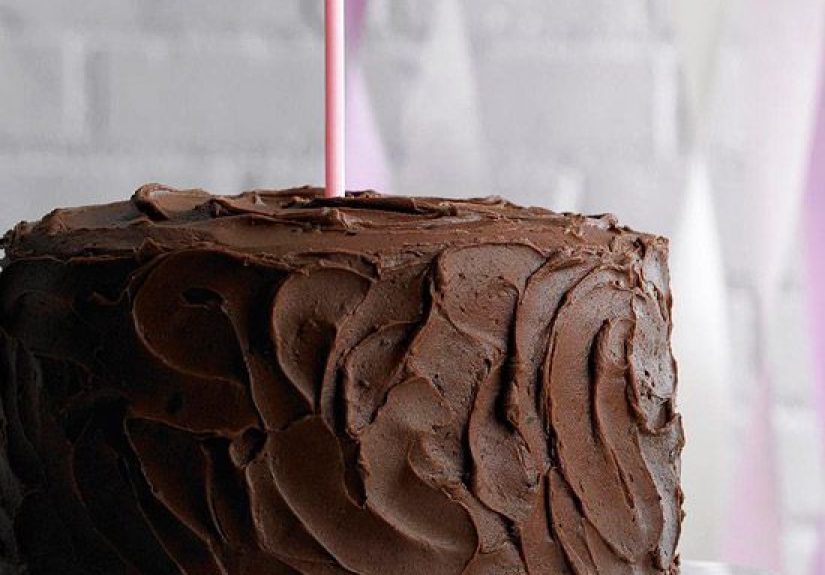
- Decorate simply: Swirls, sprinkles, shaved chocolate, or a dusting of cocoa all look great.
Common Chocolate Cake Problems (And Fixes That Save the Day)
“My cake is dry.”
- Most likely: overbaked. Pull it when a tester has moist crumbs.
- Measure flour carefully (spoon-and-level or weigh it).
- Don’t overmix once flour is instir just until combined.
“It sank in the middle.”
- Oven door opened too early, or cake was underbaked.
- Expired leaveners can also cause weak lift.
- Make sure the center is set before pulling it out.
“My frosting looks grainy or split.”
- Buttercream: powdered sugar not fully incorporatedbeat longer, add a splash of cream.
- Ganache: chocolate overheated or seizedgentle warming and whisking can help; avoid moisture near melting chocolate.
Variations (Because One Chocolate Cake Is Never Enough)
Sheet Cake Shortcut
Bake in a 9×13 pan, frost right in the pan, and call it “casual elegance.”
Devil’s Food Style
Use Dutch-process cocoa, add a touch of melted chocolate, and lean into coffee/buttermilk for a darker, bolder flavor.
Egg-Free “Wacky Cake” Vibes
Some classic chocolate cakes skip eggs and dairy entirely and rely on vinegar + baking soda for lift. Great for when you’re out of eggs
and don’t want to put on pants to buy more.
Olive Oil Chocolate Cake
Swap neutral oil for extra-virgin olive oil for a slightly fruity, complex flavor. It can stay moist for days and tastes surprisingly sophisticated.
Storage and Make-Ahead Tips
- Room temp: Frosted cake can sit covered for 1–2 days (cool room).
- Fridge: Up to 5 days; let slices come to room temp for best texture.
- Freeze layers: Wrap cooled layers in plastic + foil and freeze up to 2 months. Thaw overnight in the fridge, then frost.
FAQ: Chocolate Cake Edition
Does coffee make the cake taste like coffee?
Not usually. It mostly deepens the chocolate flavor. If you’re sensitive to coffee taste, use hot water instead.
Can I use a springform pan?
For thin batters, springform pans can leak. If you must, wrap the outside tightly with heavy-duty foil and place it on a sheet pan.
How do I know when it’s done?
Toothpick test: moist crumbs are perfect. Also, the cake should spring back lightly when touched in the center.
Conclusion: Your New Go-To Homemade Chocolate Cake
The best chocolate cake isn’t just “more cocoa.” It’s smart technique: bloom the cocoa, balance acid and leavening, avoid overmixing,
and bake just until set. From there, you can dress it up with buttercream swirls, a shiny ganache drip, or keep it simple with powdered sugar
and confidence. Either way, you’ve got a moist chocolate cake that tastes like you meant to do that.
My Chocolate Cake Field Notes (Real Experiences, Real Lessons)
The first chocolate cake I ever made “from scratch” was less of a cake and more of a brave, cocoa-scented concept.
I was convinced that baking was mostly positive thinking and preheating the oven. Measuring cups? Optional. Cooling time? A suggestion.
Frosting a warm cake? A thrilling sport.
What I learned (quickly, and with a lot of paper towels) is that chocolate cake is forgiving in flavor but not always forgiving in physics.
Chocolate batter can be thinespecially when you add hot coffee or hot water to bloom cocoaand that can feel wrong if you’re expecting
pancake-batter thickness. But thin batter is often the sign of a moist-crumb recipe, not a failure. The real “uh-oh” moment is when you
panic and dump in extra flour to “fix it,” which is how you accidentally invent Chocolate Bread: delicious, but not the birthday vibe.
My second hard-earned lesson was about ovens. Recipes give times, but your oven gives opinions. I once pulled a cake exactly at the recipe’s
bake time, proud as a game-show contestant… only to cut into the center and discover the consistency of warm pudding. (In fairness, warm pudding
is a great dessert. Just not when people are waiting for cake.) Now I start checking early, and I look for moist crumbs instead of a perfectly
clean toothpick. A clean toothpick can be the sign you’ve crossed the border from “tender” into “why is my cake thirsty?”
Then there’s frosting. If cake is a team project, frosting is the dramatic lead actor who refuses to hit their mark unless conditions are perfect.
Buttercream can go from silky to gritty if your powdered sugar is clumpy, and ganache can go from glossy to grainy if the chocolate gets
overheated or meets even a little moisture. The good news: most frosting mishaps are fixable. Grainy buttercream often just needs more beating
and a splash of cream. Ganache usually calms down with gentle heat and patience (which is annoying, because impatience is the whole reason we want cake).
The best experience, though, is the moment you nail your own rhythm. You learn to prep pans like you’re bribing the cake to behave.
You learn that a pinch of salt can make chocolate pop like it just got a promotion. You learn that chilling cake layers before frosting
is basically therapy for your crumb coat. And you learn that coffee in chocolate cake is a magic trick: it makes the chocolate louder
without hijacking the flavor.
These days, I treat chocolate cake like a reliable friend: show up with the right ingredients, don’t overmix the conversation, and don’t rush it out the door.
When it’s done right, the crumb is plush, the chocolate flavor is deep, and the frosting is the kind of rich that makes people suddenly quiet at the table.
That’s when you know you’ve made the real thing: not just a chocolate cake recipe, but a chocolate cake that people remember.