Table of Contents >> Show >> Hide
- What Happened in the “Horrific” Microneedling Story
- Microneedling 101: Why It’s Everywhere
- How a “Needle Treatment” Can Turn Into a Burn
- What’s Normal After Microneedlingand What’s Not
- Second-Degree Burns: Why They’re Not “Just a Bad Reaction”
- Why These Injuries Happen More Than People Think
- How to Choose a Safer Provider (Without Feeling Awkward)
- Smart Prep: Lowering the Odds of a Bad Outcome
- Aftercare: The Part People Ruin by Accident
- What To Do If You Think You’ve Been Burned
- Is Microneedling Still Worth It? A Balanced Take
- Conclusion: Your Glow Shouldn’t Require Wound Care
- Experiences Related to “Horrific” Beauty Procedure Burns (Extended)
Microneedling is one of those modern miracles that sounds a little medieval (tiny needles… on purpose?) but gets marketed like a cozy spa nap with better pores.
Most of the time, it’s a minimally invasive, “you’ll be pink for a bit” kind of deal. And then a story hits the internet that makes everyone clutch their
moisturizer like a security blanket: a young woman goes in hoping to soften acne scars and comes out with a chemical burn and a permanent mark across her cheek.
If you’ve ever booked a beauty treatment because the before-and-after photos whispered, “This could be you,” this article is for you. We’ll break down what
happened in the viral “horrific” case, how a popular procedure can turn into a second-degree burn, what the red flags look like, and how to shop for a provider
like you’re buying a parachute: politely, thoroughly, and without pretending “it’ll probably be fine” is a safety plan.
What Happened in the “Horrific” Microneedling Story
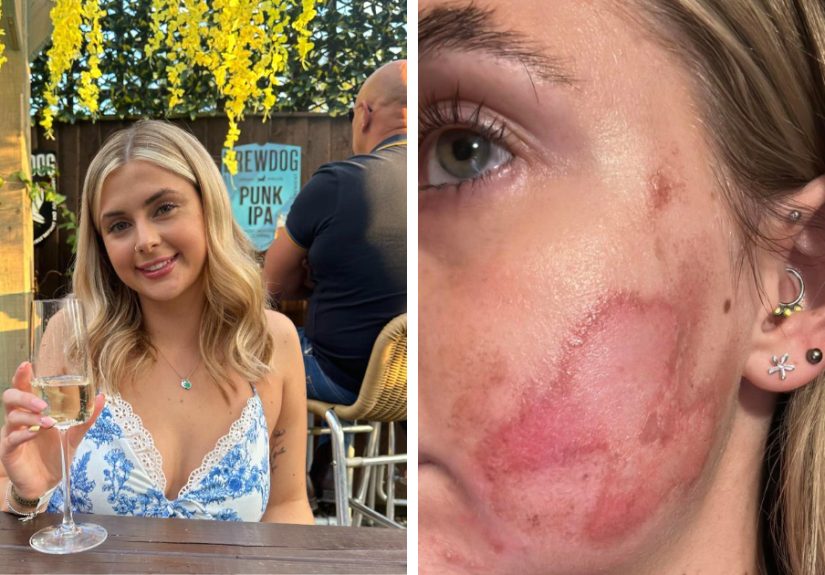
In widely reported accounts, 24-year-old Melia Nielsen sought microneedling as part of her acne-scar journey. Her first session reportedly went well.
The second session did not. She described the clinician repeatedly going over the same area until the skin became raw and she began bleeding. Later, she said,
the area was cleaned with a product she suspected may have been a toner or similar solutionsomething that stung intensely on freshly abraded skin.
Instead of the typical post-treatment redness, she noticed a pale patch on her cheek. By the time she got home, the area was “weeping,” swollen, and alarming
enough that she ultimately sought emergency care. At the hospital, she was told she had a chemical burn. Weeks later, the acute symptoms fadedbut the scar
remained, with a texture that felt permanently different from the surrounding skin.
That “I just wanted to feel confident without makeup” intention is what makes stories like this land so hard. Nobody books a glow-up expecting a wound-care era.
And yet, even “routine” cosmetic procedures are still proceduresskin is not a scratch-off lottery ticket.
Microneedling 101: Why It’s Everywhere
Microneedling uses a device that repeatedly creates tiny punctures in the skin. The goal is controlled micro-injury: your body responds by rebuilding with
collagen and elastin, which can improve texture and soften the look of acne scars, fine lines, and uneven tone over time.
In clinical settings, microneedling devices that penetrate the skin can be regulated as medical devices for specific indications (for example, improving the
appearance of certain facial acne scars and wrinkles in adults). This is not the same as a gentle at-home roller that claims it “brightens” your face with
vibes and optimism.
Microneedling’s popularity makes sense: it’s typically less downtime than many resurfacing procedures, and it can be an option for a range of skin tones.
But the key word is “typically.” Skin is a living organ, not a laminated countertop.
How a “Needle Treatment” Can Turn Into a Burn
When people hear “burn,” they often picture heatlike a hot styling tool got revenge. With microneedling, burns can happen in a few different ways:
1) Chemical burn on freshly compromised skin
Microneedling can leave the skin temporarily more sensitive and vulnerable. If strong or irritating products are applied to skin that’s been abradedthink
acids, alcohol-heavy solutions, harsh exfoliants, or the wrong “toner” at the wrong momentthe result can be irritation at best and chemical injury at worst.
Even products people tolerate normally can behave like tiny villains on raw skin.
2) Energy-based microneedling (RF) can cause thermal injury
Some devices combine microneedling with radiofrequency (RF) energy, delivering heat into the skin. This can be used for tightening or resurfacing effectsbut
it also introduces a different risk profile. Reports of serious complications like burns and scarring have prompted safety warnings and renewed attention to
training, settings, and appropriate use.
3) Technique matterspressure, repetition, depth, and hygiene
Overworking one area, using the wrong depth, or pressing too hard can increase trauma. Poor infection control (like reusing parts meant for single use or
sloppy sterilization) adds another category of risk entirely. In fact, outbreaks linked to improper practices in settings offering microneedling-related
services have been investigated by public health authoritiesproof that “it’s just a facial” can be dangerously misleading.
What’s Normal After Microneedlingand What’s Not
A lot of people panic because they’re pink and puffy after treatmentthen they calm down when they realize they basically look like they jogged in the sun,
not like they wrestled a toaster. Common, short-term effects can include redness, swelling, tightness, mild burning, and some flaking as the skin recovers.
You might feel tender and dry for a few days.
But there’s a difference between “expected recovery” and “something is wrong.” Here are red flags that should push you from “wait and moisturize” to
“call a clinician now”:
- Blistering, rapidly worsening swelling, or a wet/weeping area that doesn’t look like normal oozing from a tiny scratch.
- Severe pain that feels out of proportion or escalates instead of improving.
- White, gray, or unusually dark patches that appear after treatment, especially with swelling near the eyes.
- Bleeding longer than expected or signs of infection (increasing warmth, pus, fever, red streaking).
- Vision changes or significant swelling around the eye areadon’t wait this one out.
One practical way to think about it: irritation should trend down. Injury trends upfast, loud, and with drama.
Second-Degree Burns: Why They’re Not “Just a Bad Reaction”
Second-degree burns (also called partial-thickness burns) involve damage that extends beyond the surface layer of skin. They can blister, weep fluid, and be
intensely painful. Some heal well; othersespecially deeper partial-thickness burnscan take longer, increase scarring risk, and require specialist care.
Location matters too. Burns involving the face are taken seriously because swelling, function, and long-term cosmetic outcomes are higher stakes. Burn-care
organizations publish referral criteria that often recommend prompt evaluation for potentially deep burns or those involving sensitive areas.
Translation: a “beauty procedure burn” isn’t just a bad Yelp moment. It can become a medical problem with a long tailpigment changes, texture changes,
hypertrophic scarring, or the kind of mark that makes you avoid cameras for a while. And no one should have to rearrange their self-esteem around a preventable
injury.
Why These Injuries Happen More Than People Think
Microneedling sits at the awkward intersection of wellness culture and medical reality. It’s marketed as casual (“Lunch-break facial!”) while relying on
controlled injury (micro-punctures) and, sometimes, medical-grade devices. That mismatch creates risk.
Add in the rise of medical spas and social media trends, and you get:
- Variable training: Not every provider has the same education, supervision, or experience.
- Shortcut culture: People want fast results and may skip consultations, pre-care, or aftercare steps.
- Product stacking: Combining treatments and actives without a plan (acids + retinoids + “mystery serum”) can backfire.
- Infection-control gaps: Any procedure involving needles demands strict hygiene protocols.
None of this means microneedling is “bad.” It means you should treat it like what it is: a procedure with benefits and risksnot a personality quiz in a
pastel waiting room.
How to Choose a Safer Provider (Without Feeling Awkward)
Feeling awkward is cheaper than getting burned. Here’s how to vet a microneedling provider like a responsible adult who still enjoys fun:
Ask “Who is actually doing this to my face?”
- Is the provider a licensed healthcare professional? Are they supervised appropriately for your state?
- Is a board-certified dermatologist or plastic surgeon involved, on-site, and reachable if something goes wrong?
Ask about the device and the plan
- What device will be used, and what is it indicated for?
- How deep will the needles go in different facial areas?
- Are they combining microneedling with other products or procedures? If yes, whyand what evidence supports safety for your skin?
Ask about infection control like you’re ordering food allergy-safe
- Is a new needle cartridge used each time?
- How are surfaces and instruments disinfected?
- What is their protocol if you develop blistering, severe swelling, or signs of infection?
A reputable clinic won’t treat these questions like a personal attack. They’ll treat them like the baseline for doing business with human faces.
Smart Prep: Lowering the Odds of a Bad Outcome
Before microneedling, a good provider should screen for things that increase complications: active skin infections, certain skin conditions, history of
problematic scarring, recent aggressive exfoliation, and medications or topicals that can make skin more sensitive.
You also want to arrive with your skin in “boring” condition: no sunburn, no fresh peel, no “I tried a new acid mask last night and it only tingled for an
hour!” energy.
A quick pre-appointment checklist
- Bring a list (or photos) of your current skincare products and any prescription topicals you use.
- Disclose recent procedures (peels, lasers, waxing) and any tendency toward hyperpigmentation or raised scars.
- Ask what to pause beforehand (many providers recommend avoiding certain exfoliants/irritants in the days leading up).
- Plan your calendar: don’t schedule microneedling the day before a wedding unless “tomato chic” is the dress code.
Aftercare: The Part People Ruin by Accident
After microneedling, your skin can be more reactive to sun and products. Good aftercare is mostly about being gentle and predictable:
- Sun avoidance and protection: treated skin is vulnerable; follow your clinician’s instructions carefully.
- Keep it simple: bland moisturizer, gentle cleansing, and no “active ingredient buffet.”
- Don’t pick, scratch, or exfoliate: you’re not “helping it heal,” you’re auditioning for a scar.
- Watch for warning signs: blistering, worsening swelling, or unusual discoloration deserves a call.
If you suspect a chemical injury from a product exposure, immediate rinsing with running water for an extended period and seeking expert guidance (such as
poison control resources or medical care) can be importantespecially if symptoms are severe or involve the face/eyes.
What To Do If You Think You’ve Been Burned
If your skin looks like a burn (blisters, weeping, marked discoloration, severe pain), treat it like a medical situation, not a skincare puzzle.
In general terms:
- Stop all actives (acids, retinoids, scrubs, “brightening” anything).
- If chemical exposure is suspected, rinse with running water as recommended by poison-control guidance and remove any contaminated product from skin/hair/clothing.
- Seek medical care promptly for facial burns, significant swelling, blistering, or uncontrolled pain.
- Document what was used (product names, device type, aftercare instructions). This helps clinicians treat you and can help with reporting.
Also: if something seems off, don’t accept “That’s normal!” as the final answer if your body is clearly voting “no.” You’re allowed to get a second opinion.
Is Microneedling Still Worth It? A Balanced Take
For many people, microneedling can be a useful toolespecially for acne scarring and texturewhen performed by trained professionals with proper technique,
appropriate devices, and solid aftercare guidance. The problem isn’t that the procedure exists; it’s the “everyone can do it anywhere” vibe that sometimes
surrounds it.
If you want results with fewer risks, your best “beauty hack” is boring: go to qualified medical professionals, do the consult, follow the aftercare, and
avoid stacking treatments because a video made it look effortless.
Conclusion: Your Glow Shouldn’t Require Wound Care
The “horrific” microneedling burn story is a sharp reminder that cosmetic procedures can have real consequencesespecially when technique, product use,
supervision, or aftercare go sideways. If you’re considering microneedling (or any resurfacing procedure), treat the choice like a health decision:
understand the risks, vet the provider, keep the aftercare simple, and know the red flags.
Confidence is a great goal. It just shouldn’t come with blistering, swelling, and an emergency-room visit.
Experiences Related to “Horrific” Beauty Procedure Burns (Extended)
People who’ve tried microneedling often describe the good version like this: you show up, get numbing cream, feel a weird “sandpaper toothbrush”
sensation (not exactly relaxing, but tolerable), and leave looking flushedlike you did a hot yoga class in the desert. For the next day or two, your skin
feels tight, slightly warm, and picky about everything. Your usual cleanser suddenly feels like it has opinions. By day three to five, you’re calmer, maybe a
little flaky, and thenover the next several weeksyou start noticing smoother texture or softer edges around old acne scars. It’s not instant magic; it’s a
slow “wait, my foundation looks better” payoff.
Then there’s the overconfident experienceusually fueled by marketing and impatience. Some people go in expecting one session to erase years of
acne scarring. When they don’t get immediate results, they chase intensity: deeper needle settings, more passes, more add-ons, stronger products. That’s
where stories get dicey. A common pattern in negative experiences isn’t just “the device did it,” but “the plan escalated without guardrails.” Skin can’t
negotiateif you overwork an area, it reacts the only way it knows how: inflammation, injury, and sometimes pigment changes that outlast the original concern.
The most emotionally difficult experiences tend to share a moment of realization that feels almost cinematic: the client gets home, looks in the mirror, and
thinks, “This is not normal.” Instead of mild redness, there’s a pale patch, a strange stiffness, a wet sheen, or swelling that spreads upward. The sensation
isn’t “tender,” it’s wrongburning, stinging, or itching that ramps up. People describe panicking because it’s their face, and faces are not areas
where you can comfortably “wait it out.” That anxiety can be compounded if messages to the provider feel dismissive or if the client is told it’s just a
typical reaction. When it later turns out to be a chemical or thermal injury, the emotional whiplash is real: embarrassment, anger, regret, and a sudden fear
of future treatments.
Another recurring theme: after an injury, the recovery journey often becomes a crash course in wound care and patience. People learn that “fixing it” is not a
one-week timeline. They may need dermatologist follow-ups, strict sun avoidance, gentle routines, and months of monitoring for texture changes and
hyperpigmentation. Some end up exploring scar treatments latersilicone-based scar care, prescription options, or office-based scar revision approachesafter
the skin fully heals. Even when physical healing goes well, the confidence hit can linger. A scar can become a daily reminder of a choice that was supposed to
feel empowering.
On the flip side, people who come out of these experiences often become impressively skilled advocates for safer aesthetics. They start asking better
questions. They check credentials. They request clear aftercare instructions. They avoid aggressive product stacking. They warn friends that “medical spa”
doesn’t automatically equal “medical.” And they remind others of something that sounds obvious but is easy to forget in a world of filters: skin improvements
should be incremental and safenot rushed and risky.