Table of Contents >> Show >> Hide
- Why Homemade Mushroom Ravioli Is Worth the Effort
- What Makes Great Mushroom Ravioli?
- Ingredients for Homemade Mushroom Ravioli
- How to Make Homemade Mushroom Ravioli Step by Step
- Best Sauce Ideas for Mushroom Ravioli
- Common Mistakes to Avoid
- How to Store, Freeze, and Reheat Homemade Mushroom Ravioli
- Serving Suggestions
- The Experience of Making Homemade Mushroom Ravioli
- Final Thoughts
Homemade mushroom ravioli is one of those dishes that sounds like a weekend project for people who alphabetize their spice jars, but it is actually much more approachable than its fancy reputation suggests. Yes, you will flour your counter. Yes, there will be a brief moment when the dough looks like it has made several bad life choices. And yes, it is still absolutely worth it. When done well, homemade ravioli delivers everything you want from comfort food: tender pasta, a rich and savory filling, and the kind of meal that makes everyone at the table act like you secretly graduated from culinary school.
The beauty of mushroom ravioli is that it feels luxurious without needing a steakhouse budget. Mushrooms bring deep, earthy flavor, especially when you combine fresh varieties like cremini or shiitake with a smaller amount of dried porcini for extra umami. Add a little ricotta or mascarpone for creaminess, Parmesan for salty depth, herbs for brightness, and suddenly you have a filling that tastes far more expensive than it is. It is vegetarian comfort food that eats like a celebration.
This guide walks through how to make homemade mushroom ravioli from scratch, from the dough to the filling to the sauce. It also covers the common mistakes that can turn dinner into edible heartbreak, plus storage tips, serving ideas, and a long, honest look at what the experience of making ravioli actually feels like in a real kitchen. Spoiler: perfection is optional, but flavor is not.
Why Homemade Mushroom Ravioli Is Worth the Effort
There is a reason homemade ravioli continues to impress people. It gives you textures and flavors that store-bought versions often struggle to match. Fresh pasta has a tender bite that feels softer and silkier than dry pasta, while a fresh mushroom filling tastes more layered, more aromatic, and more alive. It is one of those dishes where the difference between “made at home” and “came from a plastic tray” is not subtle.
Mushroom ravioli is also wonderfully flexible. You can keep it classic with ricotta, Parmesan, and browned mushrooms. You can lean woodsy with porcini, thyme, and sage. You can finish it with brown butter, a light cream sauce, a simple drizzle of olive oil, or even a spoonful of tomato sauce if that is your style. This is not a one-note recipe. It is a whole category of comfort.
And let’s be honest: making ravioli is fun in the same way building a blanket fort is fun. It is part cooking, part craft project, and part edible bragging rights.
What Makes Great Mushroom Ravioli?
1. A filling that is rich, not watery
The biggest enemy of homemade mushroom ravioli is excess moisture. Mushrooms naturally release a lot of liquid as they cook, so the filling has to be cooked down until that moisture evaporates. If the filling is too wet, the ravioli can leak, the dough can turn gummy, and your elegant dinner can become a floppy pasta swamp. Cook the mushrooms long enough to concentrate their flavor, then let the filling cool before it touches the dough.
2. Dough that is thin and tender
Fresh pasta dough should be rolled thin enough to feel delicate but still strong enough to hold the filling. Too thick, and the ravioli taste doughy. Too thin, and you risk tearing. The sweet spot is a smooth, elastic dough that has rested, relaxed, and been rolled into thin sheets that still hold their shape. In other words, not paper and not pizza crust.
3. Proper sealing
Ravioli are tiny edible envelopes, and envelopes are only useful when they stay closed. A little water around the filling helps the dough stick, but the real trick is pressing out the air before sealing. Air pockets can cause ravioli to burst while boiling, which is very dramatic if you enjoy kitchen suspense, but not ideal for dinner.
4. A sauce that does not bully the filling
Mushroom ravioli already brings a lot of savory depth, so the best sauces support it rather than shout over it. Brown butter with sage, a light mushroom cream sauce, or olive oil with Parmesan all work beautifully. The filling is the main character here. The sauce should be a strong supporting actor, not a scene-stealer.
Ingredients for Homemade Mushroom Ravioli
There are many good versions of homemade mushroom ravioli, but a dependable one usually includes the same core building blocks.
For the dough
- All-purpose flour
- Eggs
- A pinch of salt
- A few drops of water or olive oil if needed
For the mushroom filling
- Cremini, button, shiitake, or mixed mushrooms
- Dried porcini, optional but highly recommended for extra depth
- Shallot or onion
- Garlic
- Ricotta, mascarpone, or a mix of soft cheeses
- Parmesan or Pecorino Romano
- Fresh parsley, thyme, or sage
- Salt and black pepper
- Egg yolk, optional, for binding
For serving
- Butter or olive oil
- Fresh sage or thyme
- Extra Parmesan
- A splash of cream, stock, or white wine if making a sauce
If you want the most balanced flavor, use a combination of fresh mushrooms for body and dried porcini for intensity. Fresh mushrooms provide texture, while porcini bring that deep woodland flavor that makes people pause mid-bite and say, “Okay, wow.”
How to Make Homemade Mushroom Ravioli Step by Step
Step 1: Make the pasta dough
On a clean work surface or in a bowl, combine the flour and salt, then add the eggs. Mix until a shaggy dough forms, then knead until it becomes smooth and elastic. If it feels dry, add a tiny bit of water. If it feels sticky, dust lightly with flour. The goal is a firm but workable dough, not something that clings to your fingers like a needy ex.
Wrap the dough and let it rest. This step matters. Resting gives the flour time to hydrate and the gluten time to relax, which makes the dough easier to roll and gives it a smoother texture. Skip the rest and the dough may fight back like it has a personal grudge.
Step 2: Build a flavorful mushroom filling
Finely chop the mushrooms so the filling is cohesive and easy to shape. If using dried porcini, soak them until softened, squeeze out the excess liquid, and chop them finely. Sauté the shallot or onion first, then add the mushrooms. Cook them until the moisture cooks off and the pan looks relatively dry. Add garlic and herbs near the end so they stay fragrant.
Once the mushroom mixture cools, stir in the ricotta or mascarpone, Parmesan, and seasonings. Taste before filling. The mixture should be savory, balanced, and slightly more seasoned than you think it needs to be, because the pasta itself is mild.
Step 3: Roll the dough thin
Cut the rested dough into manageable pieces and keep the unused pieces covered so they do not dry out. Roll each piece into thin sheets using a rolling pin or pasta machine. If you have a pasta roller, great. If not, elbow grease and determination still count.
Thin sheets are important because ravioli are layered pasta. If the dough is too thick, the filling gets lost. If the sheets are thin and even, the finished ravioli feel delicate rather than heavy.
Step 4: Fill, seal, and cut
Lay one sheet of dough on a lightly floured surface. Place small mounds of filling spaced apart, then brush a little water around each mound. Top with a second sheet or fold the dough over, depending on your preferred method. Press out any air pockets, then seal the edges firmly.
Cut the ravioli into squares, circles, or whatever shape makes you happiest. Fancy fluted edges are lovely, but a knife works just fine. Rustic ravioli still taste like ravioli, which is the important part.
Step 5: Boil gently and finish with sauce
Bring a pot of generously salted water to a gentle boil. Fresh ravioli cook quickly, usually in just a few minutes. They are done when tender and heated through. Lift them out carefully with a slotted spoon or spider and move them straight into your sauce.
For a classic finish, melt butter in a skillet until it smells nutty, add sage leaves, then spoon it over the ravioli with Parmesan on top. For something richer, loosen the pan with a little stock or cream and add more sautéed mushrooms. Either way, keep the sauce elegant and not too heavy.
Best Sauce Ideas for Mushroom Ravioli
Brown butter and sage
This is the timeless favorite. It is nutty, aromatic, and simple enough to let the filling shine.
Light mushroom cream sauce
If you want maximum coziness, sauté extra mushrooms with shallot and garlic, add a splash of wine or stock, then finish with a little cream and Parmesan. Rich, yes. Ridiculous, also yes.
Olive oil, herbs, and cheese
For a lighter approach, use good olive oil, cracked black pepper, chopped parsley, lemon zest, and grated Parmesan. It tastes fresh and a little more modern.
Simple tomato sauce
If you like brightness and acidity, a spoonful of smooth tomato sauce can work, especially if your filling is extra creamy. Just keep it light so the mushrooms still come through.
Common Mistakes to Avoid
- Using wet filling: Mushrooms must be cooked long enough to lose excess liquid.
- Skipping the dough rest: Rested dough rolls more smoothly and behaves better.
- Overfilling: More filling sounds generous, but it makes sealing harder.
- Leaving air pockets: Press them out before cutting.
- Overcrowding the pot: Cook ravioli in batches so they do not stick or tear.
- Drowning everything in sauce: Mushroom ravioli need support, not a sauce monologue.
How to Store, Freeze, and Reheat Homemade Mushroom Ravioli
If you are making ravioli ahead, place the uncooked pieces in a single layer on a floured tray or baking sheet. You can cook them the same day, refrigerate briefly, or freeze them. Freezing them in a single layer first helps them keep their shape and prevents one giant pasta iceberg from forming in the bag.
Cooked ravioli and leftovers should be refrigerated promptly. Keep them in a covered container and reheat gently with sauce until hot. If you plan to serve leftovers later, it helps to store them with a little extra sauce so they do not dry out.
Fresh homemade ravioli are at their absolute best the day they are made, but well-made leftovers can still be excellent. They just lose a little of that fresh, tender magic that makes everyone suspiciously quiet at the dinner table.
Serving Suggestions
Homemade mushroom ravioli pairs well with simple sides that do not compete for attention. A peppery arugula salad with lemon vinaigrette is a smart choice. Roasted asparagus, sautéed green beans, or blistered broccolini also work well. For bread, something crusty is ideal for swiping up extra sauce, because leaving sauce behind is both tragic and avoidable.
If you are building a full dinner menu, start with a light salad or soup and let the ravioli be the star of the main course. Dessert can be simple: biscotti, panna cotta, or fruit with whipped cream. The ravioli already did the heavy lifting.
The Experience of Making Homemade Mushroom Ravioli
Making homemade mushroom ravioli is not just about the final plate. It is also about the experience, and that experience is oddly satisfying in a way few dinners are. At first, the process feels slightly chaotic. Flour on the counter, mushrooms on the cutting board, dough wrapped on the side, a sink that somehow already has three spoons in it for no clear reason. It does not look glamorous. It looks like dinner is asking for commitment.
Then something shifts. The dough starts to smooth out under your hands. The mushrooms hit the pan and release that earthy, savory smell that makes the whole kitchen feel warmer. The shallots soften, the garlic wakes up, and suddenly the room smells like the kind of place where people would happily linger for hours. That is the moment homemade ravioli begins to feel less like a recipe and more like an event.
There is also a strange little confidence boost that comes from rolling pasta. The first pass through the roller can be awkward. The sheet might look lopsided, and you may briefly wonder if you are creating dinner or textile art. But after a few passes, the dough becomes smoother, thinner, and more elegant. You start thinking, “Wait, I can actually do this.” That feeling alone is worth a lot.
Filling ravioli is where personality enters the picture. Some people make neat, symmetrical rows that look like they belong in a food magazine. Others make slightly different-sized pieces that look lovingly handmade. Both are correct. Homemade ravioli should not feel sterile. A little variation is part of the charm. It is proof that an actual human made your dinner instead of a factory conveyor belt with no soul.
One of the best parts is how interactive the whole process can be. If you make ravioli with family, roommates, or a partner, everyone naturally ends up with a role. One person rolls, one fills, one seals, one tries to steal bits of Parmesan from the cutting board. It turns dinner into a shared project. Even if you cook alone, the rhythm of the process is calming. Chop, sauté, knead, roll, fill, seal. It is repetitive in a good way, almost meditative, but with a tastier ending.
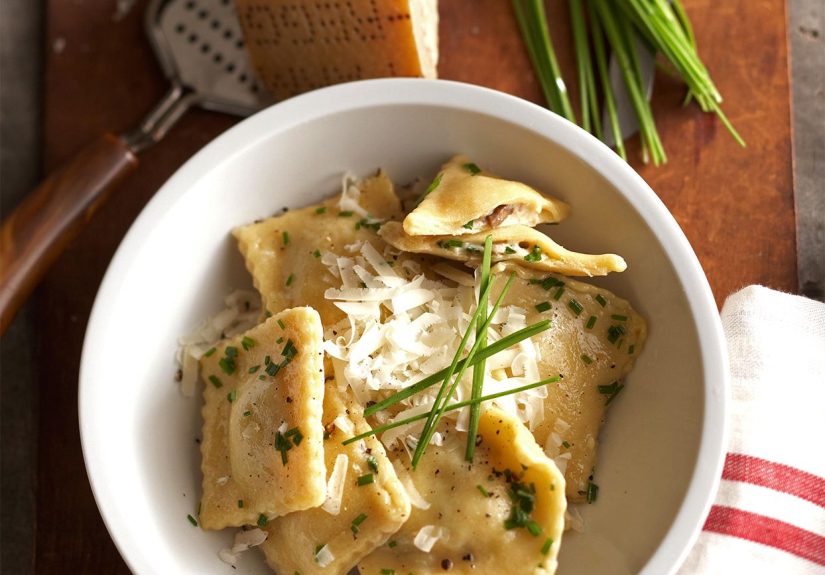
And then there is the payoff. The ravioli slide into the water and, after a short wait, come out looking plump and tender. Sauce goes on. Parmesan falls like delicious snow. The first bite is the reward for every extra step: soft pasta, concentrated mushrooms, creamy cheese, herbs, and that deep savory richness that only mushrooms seem able to deliver without showing off. It tastes cozy, but also a little elegant.
Homemade mushroom ravioli also teaches patience in the most delicious way possible. It reminds you that some meals are worth slowing down for. Not every dinner needs to happen in 20 minutes with one pan and a heroic amount of shortcuts. Sometimes cooking is not just about getting fed. Sometimes it is about making something with your hands that feels generous, thoughtful, and memorable.
Maybe that is why homemade ravioli feels special even when it is imperfect. A few crooked edges do not matter. A slightly uneven shape does not matter. Even a raviolo or two that looks a little overenthusiastic around the seams does not matter. What matters is the flavor, the care, and the experience of making food that feels personal. Mushroom ravioli has that rare ability to impress guests, comfort family, and make an ordinary evening feel just a little more meaningful.
So if you have been thinking about making homemade mushroom ravioli, take that as your sign. Clear the counter. Bring out the flour. Accept that there will probably be a tiny mess and that it will absolutely be worth it. The process is satisfying, the aroma is ridiculous, and the final bowl feels like a reward you cooked into existence yourself. That is not just dinner. That is edible pride.
Final Thoughts
Homemade mushroom ravioli is one of the best examples of why scratch cooking still matters. It combines simple ingredients with technique, patience, and just enough kitchen drama to make the result feel special. When the dough is tender, the mushroom filling is deeply savory, and the sauce is balanced, the whole dish lands in that sweet spot between comfort food and dinner-party flex.
You do not need a professional kitchen to make it happen. You just need a good filling, a rested dough, careful sealing, and the willingness to embrace a little flour on your sleeves. Once you make it successfully, it becomes the sort of meal you come back to when you want something cozy, impressive, and deeply satisfying. In other words, the kind of recipe that earns a permanent place in your cooking rotation.