Table of Contents >> Show >> Hide
- Why Diet Might Affect HS (and Why It’s Not the Same for Everyone)
- The “Big Three” Food Categories People Often Test for HS
- Foods to Avoid (or at Least Put on “Try Not To” Status)
- Foods to Eat More Often (Your HS-Friendly “Yes” List)
- How to Find Your Triggers Without Going Crazy
- Sample One-Day HS-Friendly Meal Plan (Flexible, Not Perfect)
- Common Grocery Swaps That Don’t Taste Like Sadness
- Diet Isn’t the Only Lifestyle Piece That Matters
- Supplements: Helpful or Hype?
- When to Talk to a Pro
- Conclusion: The Best HS Diet Is the One You Can Actually Live With
- Experiences With HS Diet Changes (A Real-World Add-On)
Quick heads-up: Hidradenitis suppurativa (HS) is a chronic inflammatory skin conditionmeaning it’s complicated, personal, and occasionally annoying enough to deserve its own complaint department. Diet won’t “cure” HS, but for some people it can help reduce flare-ups, calm inflammation, and support a healthier weight (which can matter for HS severity). The trick is figuring out your triggers without turning meals into a punishment.
This guide breaks down the most commonly discussed HS diet strategieswhat foods people often try avoiding, what to eat more of, and how to run a simple, sanity-preserving experiment (no lab coat required). You’ll also find practical meal ideas, grocery swaps, and a longer “real-life experience” section at the end to make this feel less like a textbook and more like something you’d actually use.
Why Diet Might Affect HS (and Why It’s Not the Same for Everyone)
HS is driven by inflammation and immune system activity, and it often overlaps with things like insulin resistance, metabolic syndrome, and weight-related inflammation. Some foods can increase inflammatory signals or spike blood sugar, while others support a steadier metabolic environment. That’s the theory, anyway.
Here’s the reality: HS research on diet is still evolving. Some findings come from small studies or observational data. That doesn’t mean diet is uselessit means your best approach is personalized. If a certain food is a trigger for you, avoiding it can be meaningful. If it’s not, banning it just steals joy for no reason (and joy is already in short supply during an HS flare).
The “Big Three” Food Categories People Often Test for HS
When people talk about an HS diet, they usually mean one (or more) of these strategies:
- Lower glycemic load (less sugar/refined carbs, steadier blood sugar)
- Dairy reduction or elimination (especially certain forms of dairy)
- Brewer’s yeast / yeast-containing foods avoidance (a notable trigger in some studies)
Not everyone needs to do all three. Start with the one that feels most realistic, track symptoms, then decide what’s worth keeping.
Foods to Avoid (or at Least Put on “Try Not To” Status)
1) High-Sugar, High-Glycemic Foods
Foods that rapidly raise blood sugar can increase insulin spikes, which may influence inflammation and hormonal signaling. Many people with HS report more frequent flares when their diet leans heavily on refined carbs and sweets.
Common culprits:
- Soda, sweet tea, energy drinks, sugary coffee drinks
- Candy, pastries, donuts, cookies
- White bread, white rice, many boxed cereals
- Chips and ultra-processed snack foods
Try this instead: swap to fiber-rich carbs (oats, brown rice, quinoa, beans, lentils, sweet potatoes) and keep dessert as a “sometimes” food rather than a daily roommate.
2) Dairy (Especially If You Suspect It’s a Trigger)
Dairy is one of the most commonly reported HS triggers. The reason isn’t fully settled, but dairy may affect hormones and inflammation in certain people. Importantly: not everyone with HS needs to avoid dairy. Some people tolerate yogurt or small amounts of cheese just fine.
Dairy to test reducing first:
- Milk (especially if you drink it daily)
- Ice cream and creamy desserts
- Cheese-heavy meals (pizza nights: the delicious suspect)
- Whey-based protein powders
Try this instead: lactose-free dairy, unsweetened soy/almond/oat milk, or dairy-free yogurt. If you’re cutting dairy, make sure you still get calcium and vitamin D through fortified foods or a clinician-approved plan.
3) Brewer’s Yeast (and Some Yeast/Fermented Items)
Brewer’s yeast has repeatedly shown up in HS diet discussions. In certain studies, removing brewer’s yeast (and sometimes related yeast/fermented foods) was associated with symptom improvement in a subset of patientsespecially those who seemed sensitive to it. This doesn’t mean yeast is “bad” universally; it means yeast can be a specific trigger for some people.
Foods people commonly test avoiding:
- Beer (brewer’s yeast is right there in the name)
- Some breads and baked goods made with yeast
- Certain fermented condiments (like some vinegars and soy sauce)
- Some aged/fermented cheeses
Try this instead: switch beer to non-yeast options (or skip alcohol during the trial), choose yeast-free bread alternatives, and use simple seasonings (olive oil, lemon, herbs, salt/pepper) while testing.
4) Ultra-Processed Foods and “Inflammation Favorites”
Ultra-processed foods can be high in refined carbs, added sugar, and certain fatsan inflammation-friendly combo. They also crowd out nutrient-dense foods that support immune function and skin health.
- Fast food meals and fried foods
- Packaged snacks, frozen pizza, instant noodles
- Processed meats (bacon, hot dogs, deli meats)
5) Alcohol (Especially During Flares)
Alcohol can worsen inflammation and may also show up alongside yeast exposure (beer) or dietary patterns that make HS harder to manage. If your flares are frequent, an alcohol break is a reasonable trial.
6) Nightshades (Optional Trial, Not a Rule)
Nightshades (tomatoes, peppers, eggplant, potatoes) are controversial. Some people swear they’re a trigger; others eat salsa daily and remain perfectly fine (as fine as anyone can be with HS). If you suspect nightshades, test them after you’ve tried the higher-probability categories above.
Foods to Eat More Often (Your HS-Friendly “Yes” List)
1) A Mediterranean-Style Pattern
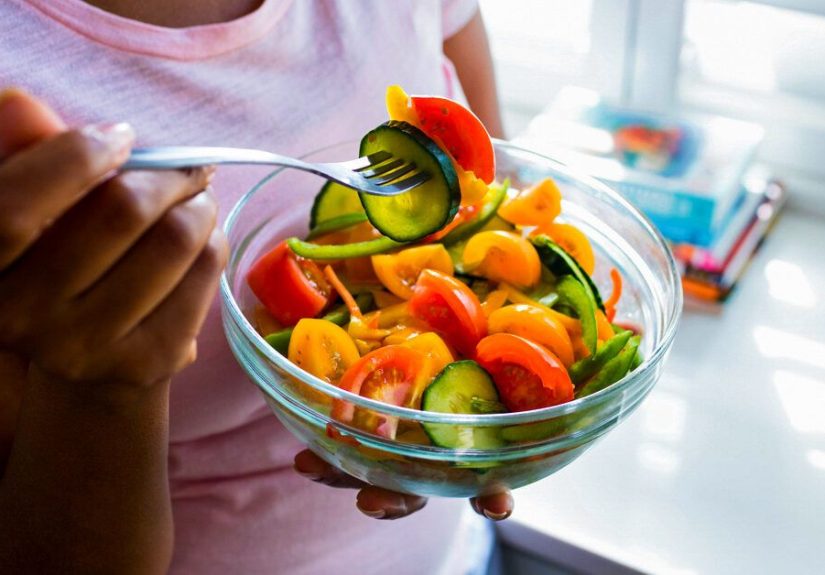
If there’s one eating pattern that repeatedly pops up in inflammation research, it’s Mediterranean-style eating: lots of plants, fiber, healthy fats, and lean proteins. It’s not a strict “diet,” it’s more of a default way to build meals.
Build your plate like this:
- Half: vegetables (raw, roasted, sautéedwhatever you’ll eat)
- One quarter: lean protein (fish, chicken, turkey, tofu, beans)
- One quarter: fiber-rich carbs (brown rice, quinoa, oats, beans)
- Add: olive oil, nuts/seeds, avocado (healthy fats)
2) Omega-3 Fats
Omega-3s support anti-inflammatory pathways and can be helpful for overall health. Aim for food sources first.
- Salmon, sardines, trout
- Chia seeds, flaxseed, walnuts
3) High-Fiber Foods for Gut Support
Your gut microbiome interacts with immune function. Fiber feeds beneficial gut bacteria and supports steadier blood sugar.
- Beans, lentils, chickpeas
- Oats, barley, quinoa
- Berries, apples, pears
- Vegetables of all kinds (yes, even the ones you side-eye)
4) Zinc-, Vitamin D-, and Antioxidant-Rich Foods
Some nutrients get special attention in HS discussions. They’re not magic, but they can support immune and skin health.
- Zinc: oysters/shellfish, beef, pumpkin seeds, chickpeas
- Vitamin D: fatty fish, fortified foods, eggs (and sunlight, sensibly)
- Antioxidants: leafy greens, berries, colorful vegetables, green tea
How to Find Your Triggers Without Going Crazy
Step 1: Pick One Trial (2–4 Weeks)
Choose a single, realistic experimentlike reducing added sugar, cutting dairy, or avoiding brewer’s yeast. Trying to eliminate everything at once makes it impossible to know what helped (and makes grocery shopping feel like a trap).
Step 2: Keep a Simple Food + Symptom Diary
No need for a fancy app. Track:
- What you ate (general notes)
- HS symptoms (pain, drainage, swelling, new lesions)
- Other variables (stress, sleep, menstrual cycle, friction, sweating)
Step 3: Reintroduce Slowly
If you improve during a trial, reintroduce foods one at a time. That’s how you identify your true triggers, rather than accidentally blaming a tomato for what was actually a stressful week and two hours of sleep.
Sample One-Day HS-Friendly Meal Plan (Flexible, Not Perfect)
- Breakfast: oatmeal with chia seeds, blueberries, and a spoon of peanut butter
- Lunch: big salad (greens, cucumbers, carrots, olives) + grilled chicken or chickpeas + olive oil & lemon
- Snack: apple + handful of walnuts (or hummus + veggies)
- Dinner: salmon (or tofu) + roasted vegetables + quinoa
- Dessert (optional): Greek-style dairy-free yogurt with cinnamon (or fruit)
Common Grocery Swaps That Don’t Taste Like Sadness
- Instead of soda: sparkling water + citrus slices
- Instead of candy: fruit + dark chocolate (small portion)
- Instead of white bread: whole-grain or sprouted options (or lettuce wraps)
- Instead of heavy dairy: unsweetened plant-based alternatives
- Instead of chips: roasted chickpeas, nuts, popcorn (lightly seasoned)
Diet Isn’t the Only Lifestyle Piece That Matters
Diet works best as part of a bigger HS-friendly routine. Many dermatology resources emphasize that weight management (when relevant) and smoking cessation can reduce flare frequency for some people. If those topics apply to you, consider them “high-impact levers.” And if they don’t, you’re not failingHS can still be severe in people who don’t smoke and aren’t overweight.
Supplements: Helpful or Hype?
Some people try vitamin D, zinc, omega-3 fish oil, or turmeric/curcumin. The evidence isn’t definitive, and supplements can interact with medications or cause side effects at high doses. If you’re considering supplements, it’s smart to talk with a clinicianespecially if you’re pregnant, have kidney issues, take blood thinners, or have other medical conditions.
When to Talk to a Pro
If your HS is painful, frequent, draining (literally), or affecting daily life, work with a dermatologist. A registered dietitian can also help you build an elimination trial that keeps nutrition balancedespecially if you’re removing major food groups like dairy or gluten.
Conclusion: The Best HS Diet Is the One You Can Actually Live With
A practical hidradenitis suppurativa diet isn’t about perfectionit’s about patterns. Many people do best when they reduce added sugar and ultra-processed foods, test dairy and brewer’s yeast if they suspect triggers, and lean into a Mediterranean-style eating pattern rich in fiber, omega-3s, and colorful plants. Track results, reintroduce foods thoughtfully, and keep your plan flexible. Your goal isn’t to eat like a robotit’s to flare less and live more.
Experiences With HS Diet Changes (A Real-World Add-On)
When people start exploring an HS diet, the first “experience” is usually emotional, not nutritional: relief that there might be something they can control, mixed with exhaustion at the idea of yet another lifestyle change. That emotional tug-of-war is normal. HS can be unpredictable, and unpredictability is basically the arch-nemesis of motivation. So if you’ve ever thought, “I can’t do a complicated diet on top of everything else,” congratulationsyou are a human being.
One common pattern people report is that small changes feel bigger than expected. For example, cutting sugary drinks can be a “low drama” shift that still reduces overall sugar intake a lot. People often notice fewer energy crashes, steadier hunger, and sometimes fewer flare-ups over a few weeks. The key experience here is momentum: one easy win can make the next change feel less intimidating.
Another frequently shared experience is the “Is it dairy… or is it stress?” problem. HS triggers rarely travel alone. Someone might cut dairy and see improvement, then have a flare during a stressful week and assume the diet “didn’t work.” But when they look back, they realize sleep fell apart, friction increased (tight clothes or heat), and stress was sky-high. That’s why many people find a simple diary helpfulnot to be obsessive, but to avoid blaming the wrong thing. The experience becomes less about chasing a perfect food list and more about recognizing patterns.
People who trial a brewer’s yeast–free approach often describe it as surprisingly tricky at firstmostly because yeast and fermented ingredients pop up in unexpected places. The experience usually goes like this: Week one is label-reading chaos, week two is “okay, I found replacements,” and by week three the routine feels normal. Whether it helps or not, many people appreciate the clarity of a structured test. Even a “no difference” result is valuable because it stops you from unnecessarily restricting foods long-term.
Then there’s the eating out experience, which deserves its own award for difficulty. People commonly say the easiest restaurant strategy is to focus on what they can reliably order: grilled protein, vegetables, a simple starch (like rice or potatoes), and sauces on the side. If dairy is a trigger, skipping creamy sauces is often easier than trying to rebuild the entire meal. If high-glycemic foods are the trigger, choosing whole-food sides (salad, beans, roasted veggies) helps. The real win isn’t being “perfect”it’s leaving the restaurant feeling satisfied without setting off a flare roulette spin.
Many people also talk about the experience of reframing comfort food. HS pain can make anyone crave fast, soothing carbs. A useful compromise some people discover: keep comfort, change the format. Think: chili with beans and veggies instead of a boxed, ultra-processed dinner; homemade tacos with lots of toppings instead of fast food; or baked sweet potatoes loaded with protein and herbs. It’s still comforting, just less inflammatory for many bodies. The experience is empowering because you’re not “giving up” comfortyou’re upgrading it.
Finally, there’s the most underrated experience: learning that your HS diet doesn’t have to match anyone else’s. Some people do great with yogurt but flare with cheese. Some flare with beer but not with bread. Some can’t tell a difference from food changes at allbut see big improvements from managing friction, quitting smoking, weight changes, or medical treatments. The most helpful long-term mindset people report is treating diet like a tool, not a test of willpower. If a change helps, keep it. If it doesn’t, let it go. Your plate should support your life, not shrink it.
Practical takeaway from real-life experiences: start small, track patterns, change one thing at a time, and aim for “better,” not “perfect.” If you want a steady foundation, many people find a Mediterranean-style template easiest to maintainthen they layer personal trigger avoidance on top.