Table of Contents >> Show >> Hide
- What heart imaging can tell you (and your doctor)
- Benefits of heart imaging
- Types of heart imaging (the real-world “menu”)
- How doctors choose the right heart imaging test
- Risks of heart imaging (honest, not scary)
- Preparation: How to get ready (without overthinking it)
- What it feels like: A quick “day-of” walkthrough
- Real-life experiences with heart imaging (about 500+ words)
- Conclusion
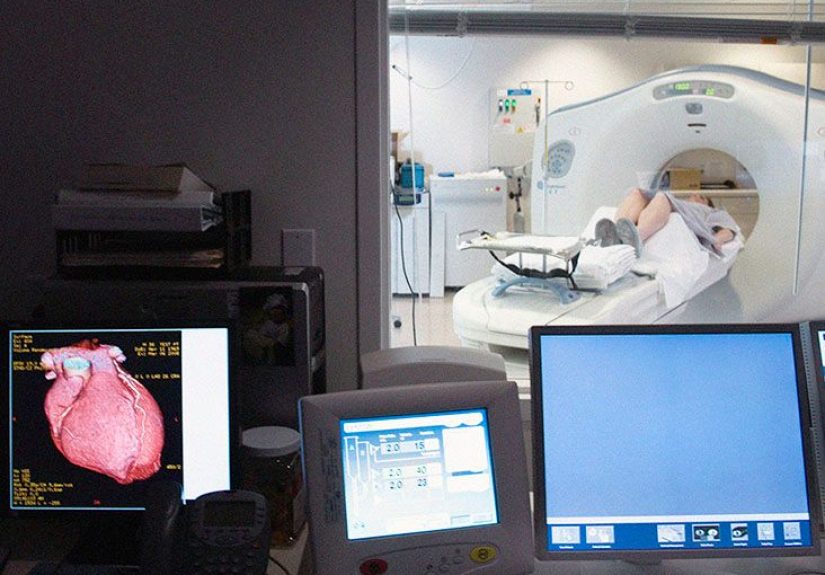
Heart imaging is basically the ultimate “show me, don’t tell me” for cardiology. Your symptoms might be loud and dramatic (hello, chest discomfort), or they might be subtle and sneaky (fatigue that refuses to quit). Either way, heart imaging helps clinicians see what’s going onhow your heart muscle moves, how valves open and close, whether blood is flowing smoothly, and whether any plumbing looks suspicious.
And no, it’s not just one test. “Heart imaging” is an entire menu: ultrasounds, CT scans, MRI scans, nuclear medicine scans, and sometimes invasive procedures that let doctors look directly inside arteries. The trick is ordering the right test for the right questionbecause the best imaging exam is the one that answers the question without unnecessary risk, cost, or stress.
What heart imaging can tell you (and your doctor)
Heart imaging is used to diagnose, guide treatment, and monitor a wide range of cardiovascular issues. Depending on the test, it can help your care team:
- Check heart structure: chamber size, wall thickness, congenital (from birth) abnormalities.
- Measure heart function: pumping strength (often described as ejection fraction), how well the heart relaxes, and whether the muscle is moving normally.
- Evaluate heart valves: leaks (regurgitation), narrowing (stenosis), infection-related problems, or valve repair/replacement follow-up.
- Look for blocked arteries: plaque build-up, narrowed coronary arteries, or signs that blood flow to the heart muscle is reduced.
- Detect damage or inflammation: scarring after a heart attack, myocarditis, infiltrative diseases, and certain cardiomyopathies.
- Guide procedures: from planning interventions to checking results afterward.
Benefits of heart imaging
Heart imaging is popular for a reason (well, several reasons):
1) It can catch serious problems earlier
Some heart conditions are most treatable when found earlybefore symptoms become severe. Imaging can uncover valve disease, heart muscle thickening, or coronary artery plaque that might not show up on a basic exam.
2) It helps avoid “guess-and-check” medicine
Instead of trying medication after medication and hoping for the best, imaging can clarify what’s actually wrong. For example, shortness of breath can come from lung issues, anemia, deconditioning, anxiety, or heart failure. Imaging helps narrow the field.
3) It guides the safest, most effective treatment
Whether someone needs lifestyle changes, medication, a procedure, or surgery, imaging results often steer those decisions. It can also show whether treatments are working over time.
4) Many options are noninvasive (and fast)
Ultrasound-based tests like echocardiograms don’t use radiation and often take less than an hour. Many CT scans are quick toosometimes the “getting checked in” part takes longer than the scan itself.
Types of heart imaging (the real-world “menu”)
Below are the most common types of cardiac imaging tests, what they’re best at, and where they fit in. Think of these as different camera lenseseach one highlights something different.
Echocardiogram (heart ultrasound)
An echocardiogram uses sound waves to create moving pictures of your heart. It’s often the first-line imaging test because it’s widely available, safe, and excellent for evaluating heart function and valves.
- Transthoracic echocardiogram (TTE): The standard echo done by placing a probe on the chest. Great for valve disease, heart failure evaluation, and cardiomyopathy assessment.
- Stress echocardiogram: Echo images before and after exercise (or medication-induced stress) to look for changes suggesting reduced blood flow to the heart muscle.
- Transesophageal echocardiogram (TEE): A specialized echo performed with a probe guided down the esophagus (with sedation). It offers sharper images for certain valve problems, clots, or infections.
- Doppler + color flow: “Traffic maps” that show direction and speed of blood flow, useful for valve leaks or narrowing.
Good to know: If your doctor suspects valve disease, heart failure, or a structural abnormality, echo is often the MVP.
Cardiac CT (computed tomography)
Cardiac CT uses X-rays to create detailed images of the heart and coronary arteries. It’s especially useful for evaluating coronary artery disease in the right clinical setting.
- Coronary artery calcium (CAC) scoring: A low-dose CT that measures calcium in the coronary arteries as a marker of plaque burden. Often used for risk assessment in people without known coronary disease.
- Coronary CT angiography (CCTA): A CT scan done with iodinated contrast dye to visualize coronary arteries and look for narrowing or plaque.
Good to know: CT involves radiation, and CCTA typically uses contrast dye. It can be a powerful tool when the goal is to assess coronary anatomy without an invasive procedure.
Cardiac MRI (magnetic resonance imaging)
Cardiac MRI uses magnetic fields (not radiation) to produce high-resolution images of heart structure and function. It’s often the “deep dive” test when clinicians need precise information about the heart muscle.
Cardiac MRI is commonly used for:
- Cardiomyopathies: characterizing types and patterns.
- Myocarditis or inflammation: supporting diagnosis and tracking recovery.
- Scar/viability: showing prior injury and whether areas might recover.
- Congenital heart disease: mapping anatomy in detail.
Some cardiac MRIs use gadolinium-based contrast to highlight scarring or inflammation. This contrast is different from CT contrast and has its own precautions, particularly in severe kidney disease.
Nuclear cardiology (myocardial perfusion imaging, PET, SPECT)
Nuclear heart imaging uses a small amount of radioactive tracer and a special camera to evaluate blood flow to the heart muscle at rest and during stress. It’s commonly used when clinicians want to know whether the heart muscle is getting enough bloodand whether symptoms could be related to reduced flow.
- Nuclear stress test: Combines stress (exercise or medication) with imaging to identify areas of poor perfusion.
- PET vs SPECT: Both can assess perfusion; PET may offer advantages in certain cases, depending on availability and patient factors.
Good to know: Nuclear tests involve radiation. The amount varies by protocol, tracer, and equipment.
Cardiac catheterization and coronary angiography (invasive imaging)
This is the “look inside the pipes directly” option. A thin catheter is guided through a blood vessel to the heart, contrast dye is injected, and X-ray imaging shows coronary arteries in real time. It can be diagnostic, but it can also be therapeuticmeaning stents or other interventions can be performed during the same procedure if needed.
Good to know: This test is invasive and carries higher risk than noninvasive imaging, but it can provide definitive information and immediate treatment when appropriate.
How doctors choose the right heart imaging test
Picking a test isn’t about choosing the fanciest machine. It’s about matching the test to the clinical question and the patient’s situation.
The “question-first” approach
- Valve problem or heart failure? Echo is often first.
- Coronary artery plaque or narrowing? CCTA or nuclear stress testing might be considered, depending on symptoms and risk.
- Heart muscle disease or inflammation? Cardiac MRI can shine.
- Need intervention or high suspicion of severe blockage? Catheterization may be the next step.
Patient-specific factors that matter
- Kidney function: Some contrast agents (especially iodinated CT contrast) can be an issue in abnormal kidney function. Gadolinium for MRI has special precautions in severe kidney disease.
- Allergies: Contrast allergies can change preparation or test selection.
- Pregnancy considerations: Imaging choices often aim to reduce radiation exposure when possible.
- Implanted devices/metal: MRI may require special screening and planning for pacemakers, defibrillators, or certain implants.
- Ability to exercise: Determines whether a treadmill stress test is feasible or whether medication stress is needed.
- Body habitus and image quality: Some tests may be more or less informative depending on how well images can be obtained.
Risks of heart imaging (honest, not scary)
Most heart imaging tests are very safe, but “safe” doesn’t mean “risk-free.” The key is understanding which risks apply to which test.
Radiation exposure (CT, nuclear imaging, catheterization)
CT scans, nuclear medicine tests, and fluoroscopy used in catheterization involve ionizing radiation. Clinicians weigh the benefit of the diagnostic information against the smallest reasonable radiation dose. When a test without radiation can answer the same question, it may be preferred.
Contrast dye reactions and kidney considerations
- Iodinated contrast (CT angiography, catheterization): Can cause allergic reactions in some people. In patients with abnormal kidney function, it may worsen kidney function in certain situations. Hydration and pre-planning matter.
- Gadolinium contrast (some MRIs): Allergic reactions are rare. In people with severe kidney problems, there are specific safety considerations, and clinicians may adjust the plan or choose a different approach.
Stress testing side effects
Stress testswhether exercise or medicationcan cause temporary symptoms like shortness of breath, flushing, headache, or palpitations. Serious events are uncommon but possible, which is why these tests are supervised with monitoring.
Sedation-related effects (TEE, some MRI/CT situations)
Sedation can cause drowsiness, and you may need someone to drive you home. For TEE, temporary sore throat or hoarseness can happen, and the team provides aftercare instructions.
Invasive procedure risks (catheterization)
Because catheterization involves entering a blood vessel, risks include bleeding or bruising at the access site and other complications. Your clinician recommends it when the information or potential treatment benefit outweighs these risks.
Preparation: How to get ready (without overthinking it)
Preparation varies by test, so the golden rule is: follow the instructions from your imaging center or cardiology team. But here’s what preparation commonly looks like.
General prep tips for most heart imaging tests
- Bring a medication list (or the bottles, if that’s easier).
- Know your allergies, especially to contrast dye or latex.
- Ask about eating and drinkingfasting rules depend on the test.
- Wear comfortable clothing and leave jewelry at home if you can.
- Tell the team if you might be pregnant (when applicable), or if you have kidney disease.
Echocardiogram prep (TTE)
Most standard transthoracic echocardiograms require little to no special preparation. You’ll typically lie on an exam table while gel is applied to your chest and the technician captures images from different angles.
Stress echo or nuclear stress test prep
These tests often require extra planning. Common instructions may include:
- Avoid caffeine for a set time before the test (because caffeine can interfere with some medication-stress protocols).
- Fasting for several hours beforehand, depending on the protocol.
- Medication adjustments (sometimes you’ll be told to hold certain meds like beta blockers before the testonly if your clinician instructs it).
- Wear walking shoes if exercise is part of the plan.
TEE prep
Because TEE uses sedation and a probe that goes down the esophagus, prep often includes:
- Fasting for several hours before the procedure.
- Arranging a ride home (you typically shouldn’t drive afterward).
- Discussing swallowing issues or esophageal conditions with your clinician.
Cardiac CT prep (calcium score, CCTA)
Preparation depends on whether contrast is used:
- Calcium score scans: Often minimal prep; you may be asked to avoid caffeine and smoking for a few hours beforehand and continue usual medications.
- CCTA: Often includes fasting for a period, avoiding caffeine/nicotine beforehand, and possibly receiving medication to slow the heart rate for clearer images. If contrast is used, kidney function and allergy history matter.
Cardiac MRI prep
Cardiac MRI prep usually includes:
- Metal screening: You’ll be asked about implanted devices, prior surgeries, metal fragments, or implants.
- Clothing: You may change into a gown; remove jewelry and anything metallic.
- Claustrophobia plan: If you’re anxious in tight spaces, tell the team ahead of timeoptions may include coping strategies or a mild sedative.
- Contrast discussion: If contrast is planned, the team may review kidney history and prior contrast reactions.
What it feels like: A quick “day-of” walkthrough
On the day of your test, you’ll usually check in, answer some screening questions, and then the team will guide you through each step. You might be asked to:
- Change into a gown (fashion icon status: achieved).
- Have sticky ECG leads placed on your chest for monitoring.
- Hold your breath for a few seconds during CT or MRI images (it’s less dramatic than it sounds).
- Get an IV if contrast or tracer is needed.
Afterward, many people can go right back to normal activities, unless they had sedation or specific restrictions from their care team.
Real-life experiences with heart imaging (about 500+ words)
Let’s talk about the part no brochure truly captures: the human experience of heart imaging. Not the scary stuffjust the oddly specific, sometimes awkward, surprisingly manageable reality of being the main character in your own internal documentary.
The scheduling stage often feels like a mini quest. You might get a cheerful reminder email with a list of instructions that reads like it was written by someone who assumes you live on pure willpower: “No caffeine.” “Fast for X hours.” “Arrive early.” “Bring a list of medications.” Translation: this is not the day to wing it. Many people find it helps to set an alarm labeled “STOP COFFEE” so they don’t accidentally sip their usual morning brew on autopilot.
When you arrive, the vibe is usually calm and efficientmore “airport security” than “medical drama.” You check in, confirm your information, and answer safety questions that sound repetitive until you realize they’re protecting you. If you’re getting an MRI, the “any metal?” questions get very serious, very fast, because magnets are not known for their sense of humor. If you’re getting a CT or nuclear test, you might get asked about allergies, kidney issues, or pregnancy (where relevant). It’s normal to feel a little nervous; most people do. The staff generally sees nerves as part of the job, not an inconvenience.
For an echocardiogram, the biggest surprise is how chill it is. You lie on your side, a tech places gel on your chest (cold, yeslike a tiny arctic slap), and the transducer glides over different spots while the machine makes whooshing sounds. You may be asked to hold your breath briefly. There’s a “just breathe normally” rhythm to it, and many people leave thinking, “Wait, that’s it?” If it’s a stress echo, add treadmill time and the feeling of speed-dating with your own heartbeat. It can be tiring, but it’s closely monitored, and you’re not expected to power through like you’re training for a montage scene in a sports movie.
For a cardiac CT, the scan itself is typically quick. The most “active” part is following breath-hold instructions: inhale, hold, exhalerepeat. Some people get medication to slow their heart rate for clearer images, which can feel strange if you’re used to your heart doing its own thing without commentary. If you get contrast, you might feel a warm flush for a moment. Most people find it more odd than uncomfortable, like your body briefly decided it’s summer.
For cardiac MRI, the experience is longer and louder. The machine makes rhythmic thumps and taps, and you’re asked to stay still because movement blurs images. Many people do fine once they settle into the routine: “Hold your breath… and breathe.” If you’re anxious in enclosed spaces, it helps to say so ahead of time. There’s no prize for suffering silently; comfort strategies and (when appropriate) medication options exist for a reason.
Nuclear stress tests are a bit more involved because there are multiple steps: tracer, waiting, imaging, stress, imaging again. The waiting periods can feel like you’re in a “now we pause for a snack break” episodeexcept you may not be allowed the snack you want. Still, many people appreciate that it’s methodical and supervised. You’re not alone in a hallway wondering what’s happening; teams explain the process and monitor you.
Finally, the results stage is often the hardest emotionallybecause waiting is everyone’s least favorite sport. It helps to remember: imaging is a tool for clarity. Whether the results show something reassuring or something that needs attention, the goal is the same: a plan you can act on. And there is something genuinely empowering about moving from “I feel weird and I don’t know why” to “Here’s what we’re seeing, and here’s what we’re going to do.”
Conclusion
Heart imaging can feel intimidating until you understand what it’s designed to do: answer specific questions about structure, function, blood flow, and riskoften with minimal discomfort and high diagnostic value. The key is matching the right test to the right problem, preparing according to the instructions you’re given, and speaking up about concerns like allergies, kidney disease, implanted devices, or anxiety. In most cases, heart imaging is less “medical mystery” and more “smart flashlight,” helping your care team see clearly so you can move forward with confidence.