Table of Contents >> Show >> Hide
- The link between a heart attack and brain damage
- Can a heart attack directly cause brain damage?
- Symptoms to watch for during a heart attack
- Symptoms that may suggest brain injury or stroke
- Emergency treatment: saving the heart and protecting the brain
- How doctors evaluate possible brain damage after a heart attack
- Recovery: what to expect physically and cognitively
- Treatment during recovery
- Can the brain recover after a heart-related emergency?
- How to reduce the risk of future heart and brain complications
- Experiences from survivors and families: what recovery can really feel like
- Final thoughts
A heart attack is scary enough on its own. Add the words brain damage to the conversation and suddenly everyone in the room forgets how to breathe normally. The good news is that the connection is real, but it is not automatic, and understanding it can make a huge difference in how quickly someone gets help and how well they recover.
Here is the simple version: a heart attack happens when blood flow to part of the heart muscle is blocked. Brain injury becomes a concern when that heart problem is severe enough to reduce blood flow and oxygen to the brain, especially if the person goes into cardiac arrest, develops a dangerous rhythm, or has a major drop in blood pressure. In other words, the heart is the original problem, but the brain can become part of the story if the emergency escalates.
This article breaks down the link between heart attack and brain damage, the warning signs to watch for, what treatment usually looks like, and what recovery can feel like in the days, weeks, and months afterward. No medical drama soundtrack requiredjust clear, useful information.
The link between a heart attack and brain damage
A heart attack and cardiac arrest are not the same thing, even though people often use them as if they are roommates sharing the same apartment. A heart attack is a circulation problem in the heart, usually caused by a blocked coronary artery. Cardiac arrest is an electrical problem in which the heart suddenly stops pumping effectively. A heart attack can trigger cardiac arrest, but not every heart attack does.
That distinction matters because the brain is especially vulnerable when circulation stops. The brain needs a constant supply of oxygen-rich blood. If the heart stops pumping or pumps too poorly, brain cells begin to suffer quickly. That can lead to hypoxic or anoxic brain injury, terms used when the brain does not get enough oxygen.
Brain injury after a cardiac event can happen in a few main ways:
- Sudden cardiac arrest after a heart attack: Blood flow to the brain stops abruptly.
- Severe shock or very low blood pressure: The brain gets too little oxygen even if the heart has not fully stopped.
- Stroke after a heart attack: A clot or rhythm problem can increase stroke risk, which can injure brain tissue.
- Ongoing low oxygen levels: Complications during or after resuscitation can add stress to the brain.
That is why doctors care so much about speed. Fast treatment can save heart muscle, reduce the chance of dangerous rhythms, and lower the risk of secondary brain injury. In medical emergencies, “we’ll see how it goes” is not a winning strategy.
Can a heart attack directly cause brain damage?
Sometimes yes, but often indirectly. A straightforward heart attack that is treated quickly may damage the heart without causing lasting brain problems. The brain risk rises when the event becomes more complicated. For example, if a blocked artery triggers ventricular fibrillation, collapse, or prolonged unconsciousness, the brain can be affected because circulation has been interrupted.
There is also a longer-term connection between heart disease and brain health. People with coronary artery disease or a heart attack related to atherosclerosis have a higher risk of stroke. That means the “heart-to-brain” relationship is not only about the first emergency. It can continue into recovery if underlying vascular disease is not treated aggressively.
So the best way to think about the link is this: a heart attack does not automatically equal brain damage, but it can set off a chain reaction that places the brain in danger. The faster that chain is interrupted, the better the odds for both heart recovery and brain recovery.
Symptoms to watch for during a heart attack
Heart attack symptoms are not always dramatic movie-scene chest clutching. Sometimes they are subtle, messy, or weirdly easy to dismiss. Common warning signs include:
- Chest pain, pressure, squeezing, fullness, or aching
- Pain spreading to the arm, shoulder, back, neck, jaw, teeth, or upper belly
- Shortness of breath
- Cold sweat
- Nausea, vomiting, or indigestion-like discomfort
- Light-headedness, faintness, or sudden weakness
- Unusual fatigue, especially in women and older adults
Some people have mild symptoms. Some have intense pain. Some have no textbook chest pain at all. Women, older adults, and people with diabetes may have less typical symptoms, such as fatigue, nausea, shortness of breath, or back pain. That is one reason heart attacks still get missed or treated too late.
When to call 911
Call 911 right away if symptoms last more than a few minutes, go away and come back, or feel strongly suspicious for a heart attack. Do not wait around for a “better clue.” Do not decide this is probably heartburn because that would be more convenient. And if possible, do not drive yourself. Emergency medical services can begin treatment on the way to the hospital.
Symptoms that may suggest brain injury or stroke
If a heart attack becomes severe enough to affect the brain, the signs can go beyond chest symptoms. Brain-related problems may show up during the emergency or later during recovery.
Possible signs of reduced oxygen to the brain
- Confusion or unusual behavior
- Trouble paying attention
- Memory gaps
- Poor judgment
- Speech problems
- Uncoordinated movement
- Loss of consciousness
- Seizures or coma in severe cases
Signs of stroke after or around a heart event
Use the classic F.A.S.T. warning signs:
- Face drooping
- Arm weakness
- Speech difficulty
- Time to call 911
Other stroke warning signs include sudden trouble seeing, sudden dizziness, trouble walking, loss of balance, or a sudden severe headache. If those symptoms appear, treat it like the emergency it is. Brain cells do not enjoy waiting rooms.
Emergency treatment: saving the heart and protecting the brain
Treatment depends on what exactly is happening. If someone is having a heart attack but is still awake and breathing, the immediate goal is to restore blood flow to the heart as quickly as possible. If the person collapses and has no pulse, the situation becomes cardiac arrest, and the priority shifts to CPR and defibrillation.
Typical heart attack treatment
In the hospital, care may include an ECG, blood tests, oxygen when needed, aspirin or other blood-thinning medicine, nitroglycerin, pain control, and rapid procedures to reopen the blocked artery. The most common procedure is PCI, also called angioplasty with stenting. Some people may receive clot-busting medicine or, in certain cases, bypass surgery.
If cardiac arrest happens
Emergency treatment may include:
- Calling 911 immediately
- Starting CPR
- Using an AED as soon as one is available
- Advanced life support from EMS and hospital teams
- Careful management of oxygen, blood pressure, seizures, temperature, and heart rhythm after resuscitation
Once circulation returns, doctors work to stabilize the heart and limit further brain injury. That may involve coronary angiography, intensive care monitoring, medication to support blood pressure, and neurologic evaluation. The goal is not just survival. It is survival with the best possible function.
How doctors evaluate possible brain damage after a heart attack
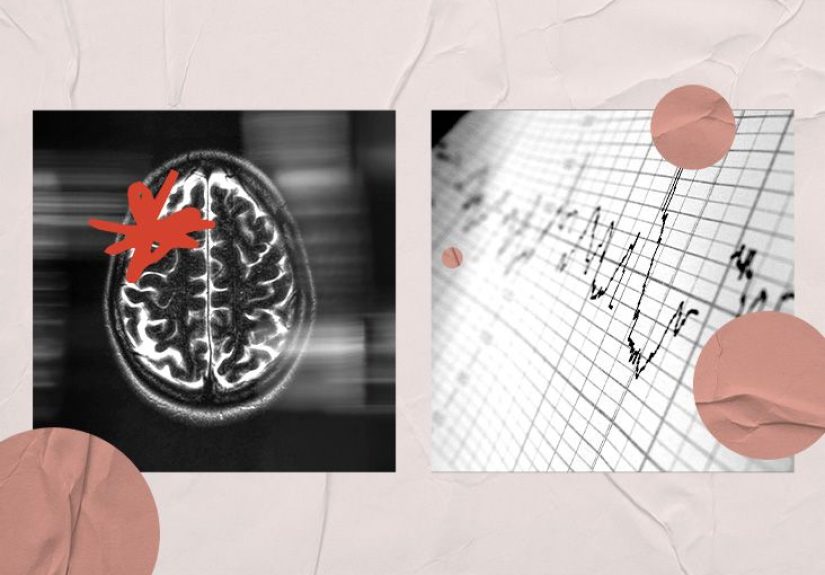
If brain injury is suspected, the medical team may use a mix of clinical exams and testing. This can include CT or MRI imaging, EEG monitoring for brain activity and seizures, blood work, and repeated neurologic checks. Recovery is not always obvious on day one, so assessment often happens over time rather than in one dramatic, definitive moment.
Doctors also look at practical function, not just scans. Can the person follow commands? Pay attention? Swallow safely? Speak clearly? Remember what happened five minutes ago? Those real-life abilities matter enormously in determining what kind of rehabilitation will be needed.
Recovery: what to expect physically and cognitively
Recovery after a heart attack can be tiring even without brain involvement. Add a period of low oxygen, cardiac arrest, or stroke, and the process becomes more complex. Still, many people improve substantially over time, especially with coordinated rehabilitation and follow-up.
Physical recovery after a heart attack
Many survivors feel tired, sore, weak, or emotionally shaken when they first get home. If CPR was performed, chest soreness is common. People may also be adjusting to new medications, sleep disruption, appetite changes, and the strange realization that life suddenly has follow-up appointments everywhere.
Cardiac rehabilitation is one of the most important pieces of recovery. It is a supervised program that combines exercise training, education, risk-factor control, and stress management. It helps people rebuild stamina safely and reduce the risk of another cardiac event.
Possible brain-related recovery issues
When the brain has been affected, symptoms may include:
- Problems with attention and concentration
- Short- or long-term memory issues
- Slower thinking speed
- Trouble planning, organizing, or multitasking
- Language or communication difficulties
- Vision or coordination problems
- Anxiety, depression, fear, or mood swings
Not every survivor has all of these symptoms, and severity varies widely. Some people improve steadily over months. Others need long-term support. A person may look physically “fine” while quietly struggling with memory, focus, or emotional overwhelm. That invisible part of recovery is real and deserves attention.
Treatment during recovery
Long-term treatment usually aims at three jobs: protect the heart, support the brain, and prevent another event.
Heart-focused recovery care
- Taking prescribed medications such as antiplatelet drugs, beta blockers, statins, ACE inhibitors, or others
- Going to cardiac rehab
- Controlling blood pressure, cholesterol, diabetes, and body weight
- Quitting smoking and avoiding nicotine products
- Following a heart-healthy eating pattern
- Getting back to activity at a pace approved by the medical team
Brain-focused recovery care
- Neurology follow-up when needed
- Physical therapy for strength, balance, and mobility
- Occupational therapy for daily activities and problem-solving
- Speech-language therapy for speaking, swallowing, and communication
- Neuropsychology or counseling for memory, mood, and coping
- Family education and caregiver support
In more serious cases, inpatient rehabilitation may be needed before going home. In milder cases, outpatient therapy and monitoring may be enough. Either way, recovery tends to go better when the care plan is active and structured, not vague and hopeful.
Can the brain recover after a heart-related emergency?
Often, yesat least to some degree. The brain has a remarkable ability to adapt, and many survivors improve over the first several months. That said, recovery is unpredictable. It depends on how long circulation was impaired, how quickly CPR and defibrillation began, overall health, age, complications, and the quality of rehabilitation afterward.
Some people recover enough to return to work, drive, exercise, and resume familiar routines. Others continue to have fatigue, slowed thinking, or memory trouble that changes how they live. The smartest approach is optimistic realism: expect progress, watch closely, and keep adjusting the plan.
How to reduce the risk of future heart and brain complications
The same habits that protect the heart often protect the brain too. That is not exactly glamorous news, but it is useful news. Prevention is usually less dramatic than the emergency room and far more effective.
- Take medications exactly as prescribed
- Attend follow-up visits and rehab sessions
- Control blood pressure, cholesterol, and blood sugar
- Stop smoking
- Eat more fruits, vegetables, whole grains, beans, nuts, and lean proteins
- Limit saturated fat, excess sodium, and highly processed foods
- Build a safe exercise routine
- Manage stress and sleep
- Get help promptly for chest pain, fainting, palpitations, or stroke symptoms
Experiences from survivors and families: what recovery can really feel like
On paper, recovery sounds organized. In real life, it often feels like someone dumped puzzle pieces onto the kitchen table and forgot to include the box. Many heart attack survivors say the first surprise is how tired they feel. Not “I stayed up too late watching TV” tired. More like “I took a shower and now I need a respectful sit-down” tired. That fatigue can come from the heart injury itself, from the stress of hospitalization, from medications, and from the emotional whiplash of realizing something life-threatening just happened.
For people who also had cardiac arrest or low-oxygen brain injury, the experience can be even stranger. A person may wake up alive and deeply grateful, but also confused, forgetful, or overwhelmed by simple tasks. One common story is this: the body starts improving faster than the mind. Family members may see someone walking around the house and assume the crisis is mostly over, while the survivor is privately struggling to remember conversations, follow instructions, or stay focused long enough to read a text message.
Caregivers often describe recovery as two jobs at once. First, they help with the obvious medical stuff: medications, appointments, meals, blood pressure checks, and transportation. Second, they become detectives of subtle change. Is the person more irritable than usual? Are they repeating the same question? Getting lost in the middle of a familiar chore? Laughing one minute and panicking the next? Those changes can be part of brain recovery, and noticing them early can lead to better support.
Emotionally, survivors may feel grateful, frightened, embarrassed, angry, or all four before lunch. Some become afraid to exercise because they worry it will trigger another event. Some avoid sleep because nighttime symptoms make them anxious. Others look fine to friends but feel like their confidence has been unplugged. That is why support groups, counseling, and cardiac rehab matter so much. Recovery is not just about keeping the heart beating. It is about helping a person trust their body and mind again.
There are also encouraging stories. Many survivors slowly regain stamina, sharper thinking, steadier mood, and more independence over time. Small wins matter: walking to the mailbox without needing a break, remembering a grocery list, making breakfast alone, returning to work part-time, laughing without that “am I allowed to laugh this hard?” look. Families often learn that progress is rarely linear. There are good weeks, flat weeks, and frustrating days that feel like backward steps. But with rehab, follow-up care, and patience, improvement can continue far beyond the first hospital discharge summary.
The most useful mindset may be this: recovery is not a test you pass in one sitting. It is a long conversation between the heart, the brain, the body, the care team, and the people who love you. Some chapters are hard. Some are hopeful. Most are both.
Final thoughts
The link between heart attack and brain damage is serious, but it is also understandable. A heart attack can threaten the brain when it leads to cardiac arrest, dangerously low blood flow, or stroke. That is why emergency action matters so much. Quick recognition, fast treatment, and strong rehabilitation can improve survival and preserve function.
If there is one takeaway to remember, make it this: act fast for heart attack symptoms, act fast for stroke symptoms, and take recovery seriously even after the headlines of the emergency are over. The heart may start the crisis, but protecting the brain is part of saving the whole person.