Table of Contents >> Show >> Hide
- The Story Isn’t Really About Veganism
- Why BBQs Turn Into Food Wars So Fast
- The Real Lesson: People Reject Contempt, Not Accommodation
- What Good BBQ Etiquette Looks Like for Hosts
- What Good BBQ Etiquette Looks Like for Guests
- Can a Vegan BBQ Plate Actually Be Great? Absolutely
- How the “Reality Check” Usually Happens
- Specific Examples of How This Plays Out
- Why This Story Resonates So Much Online
- Conclusion
- More Experiences That Show Why This Topic Hits a Nerve
Backyard barbecues are supposed to be the friendliest kind of chaos. Someone is manning the grill like it is a NASA launch. Somebody else is guarding the potato salad like state secrets. Kids are sticky. The dog is opportunistic. A cousin is already telling the same story for the fourth summer in a row. In other words, it is America in patio form.
Then one guest decides the cookout is not a cookout at all, but a courtroom.
That is why this viral “hardcore vegan at the BBQ” story hit such a nerve. The headline is spicy, sure, but the deeper reason it spread is simple: almost everyone has met some version of this situation. Not necessarily a vegan. Not necessarily at a barbecue. But definitely a person who mistakes moral grandstanding for conversation and turns a social gathering into a lecture hall with paper plates.
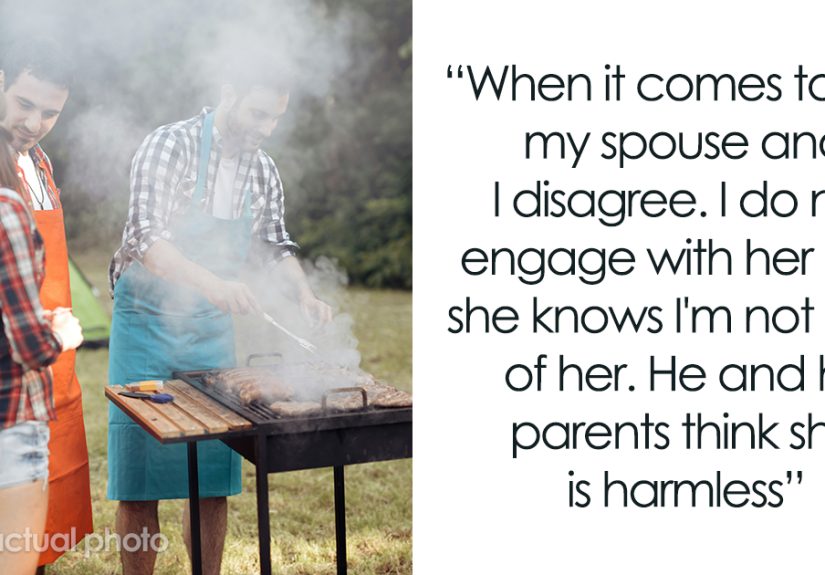
The story, as it has circulated online, centers on a family barbecue derailed by a deeply confrontational vegan relative who reportedly used past get-togethers to criticize what everyone else was eating, shame guests for their choices, and sour the mood with repeated comments about animal suffering. Eventually, the family stopped treating the issue as “a food preference problem” and started seeing it as “a behavior problem.” That was the reality check. Not everyone objected to veganism. They objected to being treated like villains at their own cookout.
And honestly? That is the part worth unpacking.
The Story Isn’t Really About Veganism
Let’s get the veggie burger on the bun right away: this is not a story about why veganism is bad. A well-planned vegan diet can be healthy, practical, and increasingly normal in the United States. Plant-based eaters have more options than ever, from grilled tofu and mushroom skewers to jackfruit sandwiches, bean-based salads, meatless burgers, and vegan sides that no one has to “politely pretend” to enjoy.
The actual conflict is about manners, boundaries, and the social disaster that happens when a person confuses conviction with permission to humiliate other people.
That distinction matters. There is a world of difference between saying, “I do not eat animal products, so I’ll bring something I can enjoy,” and saying, “I need you all to feel morally inferior while you chew.” One is self-management. The other is performance art with a side of resentment.
That is why the so-called reality check in stories like this usually lands hard. The loudest person in the argument assumes the pushback is proof that everyone else is close-minded. But more often, it is proof that social groups have limits. People will make room for dietary needs. They will even stretch for preferences. What they will not keep doing forever is volunteering for a guilt trip next to the coleslaw.
Why BBQs Turn Into Food Wars So Fast
Barbecue is not just a meal. It is a ritual. In American culture, cookouts are loaded with signals about comfort, hospitality, family tradition, and identity. That means food choices at a BBQ are rarely experienced as just food choices. They feel personal. Sometimes unreasonably personal.
A person who brings a rack of ribs may think, “This is what I grew up with.” A vegan guest may think, “This is exactly the system I reject.” A host may think, “I am trying to feed people and keep the flies out of the watermelon.” Everybody arrives with a different emotional script, and if even one person shows up ready to moralize, the grill suddenly becomes a battleground.
That is one reason public food shaming tends to backfire. Shame rarely makes people curious. It usually makes them defensive, annoyed, or determined to double down. Nobody has ever taken a thoughtful first step toward behavior change because a stranger loudly roasted them harder than the corn.
There is also the little issue of timing. People do not love being cornered at a party. If someone wants to discuss ethics, farming, climate, animal welfare, or personal values, that can be a serious conversation. But in the middle of a family BBQ, while somebody is balancing a hot dog and a paper cup of lemonade, the odds of meaningful persuasion are lower than the odds of someone dropping a burger in the grass.
The Real Lesson: People Reject Contempt, Not Accommodation
One of the smartest things this viral mess reveals is that most people are more flexible than internet stereotypes suggest. Plenty of omnivores are perfectly willing to accommodate vegan guests. Plenty of vegan guests are experienced enough to bring a dish, communicate early, and make things easy. The conflict usually explodes only when one side decides the event must revolve around their identity, their values, or their irritation.
In other words, the issue is not “vegan versus meat eater.” The issue is contempt versus courtesy.
If a host invites a vegan guest and offers literally nothing but lettuce and warm air, that host is rude. If a vegan guest attends a family cookout and spends the afternoon insulting everyone’s meal choices, that guest is rude. If a meat-eater barges into a vegan home and demands ribs because “freedom,” that person is also rude. Congratulations, everyone loses, and the macaroni salad did not deserve this.
The reality check in the headline comes from a basic social truth: people may tolerate friction for a while, but they eventually draw boundaries around repeated disrespect. And when they do, the person who created the tension is often stunned. They thought they were being principled. Everyone else experienced them as exhausting.
What Good BBQ Etiquette Looks Like for Hosts
If you are hosting a barbecue, there is an easy way to avoid turning your backyard into a passive-aggressive food summit. Ask guests ahead of time whether they have dietary restrictions. Not after they arrive. Not while the burgers are already on. Ahead of time.
That one move does a lot of work. It tells guests they are welcome, it gives you time to plan, and it prevents the awkward moment when somebody is standing near the grill pretending salad is dinner.
A good host does not need to create twelve separate menus and a customized tofu monogram. But a good host should make sure guests have a real option. That might mean grilled vegetables, a bean salad, veggie burgers, vegan sausages, foil-packet potatoes without butter, corn with olive oil instead of dairy, or a separate section of the grill for plant-based food.
And yes, details matter. Cross-contact matters to some guests. Labels help. Clear communication helps even more. Nobody wants to play “guess the mystery ingredient” while everybody else is already reaching for dessert.
Hospitality is not about agreeing with every guest’s lifestyle. It is about making a reasonable effort so people can comfortably participate. That is the whole point of inviting them in the first place.
What Good BBQ Etiquette Looks Like for Guests
If you are the guest with dietary restrictions, your job is not to disappear and eat sadness in silence. It is also not to run the event like a hostage negotiation. The best approach is simple: RSVP honestly, communicate early, and offer a solution.
Saying, “I’m vegan, so I’m happy to bring a dish I can eat and share,” is the social equivalent of oiling the grill grates. Everything goes more smoothly after that.
It reduces pressure on the host. It lowers the odds of misunderstanding. It also keeps your dietary needs from being framed as drama when they are actually just logistics.
What does not help? Arriving with a chip on your shoulder, making every plate in sight your business, loudly evaluating everyone else’s morality, or treating the event like a live debate stage. People are much more open to your choices when they do not feel attacked by them.
The most effective vegan guest at a BBQ is usually the one whose food smells amazing, whose tone is relaxed, and whose confidence is quiet. The person who shows up with smoky grilled tofu, great pasta salad, and zero sermon energy is more persuasive than the person who opens with “Do you know what your burger went through?” before anyone has even found the napkins.
Can a Vegan BBQ Plate Actually Be Great? Absolutely
One reason these conflicts are so avoidable is that vegan cookout food has gotten dramatically better. This is no longer the era of sad veggie patties that tasted like compressed regret. Good plant-based barbecue is real barbecue. It is smoky, charred, saucy, messy, and satisfying.
Think grilled portobello burgers with balsamic marinade. Thick slabs of tofu pressed, seasoned, and grilled properly. King oyster mushroom “ribs.” Jackfruit sliders. Corn, peppers, squash, onions, and pineapple with real caramelization. Bean salads with punchy vinaigrettes. Potato salads made without dairy. Pasta salads that are actually flavorful instead of just pale and mayonnaise-adjacent.
The nutrition side matters, too. Vegan diets can absolutely work, but they do take planning. Protein, iron, calcium, zinc, omega-3s, vitamin D, and especially vitamin B12 deserve attention. That is not a knock on veganism. That is just grown-up meal planning. It is the same reason a cookout should probably include more than chips and mystery dip for everyone, regardless of ideology.
And this is where the smartest vegan guests often win people over without trying too hard: they bring food that tastes good first and happens to be plant-based second. Nobody is converted by a scolding. Plenty of people are converted by a really good grilled mushroom sandwich.
How the “Reality Check” Usually Happens
In stories like this, the dramatic moment is not the first lecture. It is the moment the social group stops absorbing the lectures. Maybe the person is not invited next time. Maybe the family sets clearer boundaries. Maybe someone finally says, “This is not about your diet. It is about how you treat people.”
That is the part that tends to send the self-appointed moral referee into a fresh spiral. They expected admiration for being outspoken. Instead, they got consequences for being abrasive.
And to be fair, families do not always handle these situations gracefully. Some hosts absolutely should do more to accommodate vegan guests. Some relatives intentionally poke at people’s diets because they think it is funny. Some groups use “we’re just joking” as a coupon code for being obnoxious. So the lesson is not that the loud person is automatically wrong and the group is automatically right.
The lesson is that once mutual respect disappears, nobody is really arguing about food anymore.
Specific Examples of How This Plays Out
Imagine three versions of the same cookout.
In version one, the host asks ahead of time about restrictions, grills a few veggie skewers, and tells the vegan guest there is room on the grill if they want to bring something special. The guest arrives with marinated tofu, shares it, compliments the sides, and everyone has a good time. This is normal adult behavior. Nobody trends online.
In version two, the host invites a vegan guest but offers only salad and a shrug. The guest brings their own food, gets accused of being difficult, and leaves annoyed. In this version, the host is the problem because “you can eat leaves” is not hospitality.
In version three, the host has tried before, but the same guest keeps using the event to shame people, reject good-faith effort, and drag the mood into the basement. The next invitation mysteriously does not arrive. The guest is furious. The internet calls it a wake-up call. And the phrase “reality check” starts doing heavy lifting.
That third version is the one behind the headline. Not because veganism is extreme, but because repeated contempt eventually costs people access to shared spaces. That is true at BBQs, birthdays, office potlucks, weddings, and every other event where food and feelings occupy the same folding table.
Why This Story Resonates So Much Online
Stories like this spread because they let readers argue about more than dinner. They become proxies for debates about personal choice, moral superiority, family boundaries, identity politics, health, class, control, and the ancient American pastime of telling strangers they are doing summer wrong.
But the viral appeal also comes from recognition. Most readers have lived some version of this moment: the gluten-free guest who is kind and easygoing, the allergy-sensitive host who labels everything, the uncle who makes fun of “rabbit food,” the friend who brings their own dish without making it weird, the person who cannot stop commenting on what is on everyone else’s plate.
That is why the strongest takeaway here is refreshingly boring. The cookout goes best when people act like adults. Bring something you can eat. Offer something your guests can enjoy. Do not confuse conviction with a free pass to be rude. Do not confuse hosting with mind reading. Do not start a moral cage match between the burgers and the buns.
Conclusion
The headline may be dramatic, but the truth underneath it is pretty practical. A “hardcore vegan” did not get a reality check because people cannot handle plant-based values. She got a reality check because public shaming, especially at a family BBQ, is a terrible relationship strategy. At the same time, hosts are not off the hook. If you invite people, feed them thoughtfully. If you attend, communicate respectfully. If you care about changing minds, bring better food and less contempt.
Because at the end of the day, nobody remembers the lecture. They remember the vibe. They remember whether they felt welcome. They remember whether the gathering felt warm or tense. And if your cause is so righteous that it cannot survive without humiliating people near a tray of baked beans, it may not be conviction speaking. It may just be ego in an apron.
More Experiences That Show Why This Topic Hits a Nerve
Anyone who has spent enough summers around American cookouts has seen the soft version of this story, even if nobody storms off and nobody posts screenshots online afterward. One very common version starts with a guest who quietly brings their own vegan burger, a container of pasta salad, and maybe some oat milk ice cream bars. Nobody minds. In fact, the host usually feels relieved because the guest solved the problem before it became a problem. Then one other relative makes a joke about “fake meat,” the vegan guest laughs it off, and the day moves on. That is how most food differences should work: acknowledged, accommodated, and not treated like a congressional hearing.
Another familiar experience goes the other direction. A host says, “Don’t worry, I’ve got something for you,” and the “something” turns out to be dry lettuce, tomato slices, and a burger bun with no burger. This is the moment when even very polite vegan guests start mentally drafting an exit strategy. Not because they expect royal treatment, but because being invited to a meal and then not actually being fed feels personal. A lot of resentment around food restrictions does not come from ideology at all. It comes from the very ordinary feeling of being an afterthought.
Then there is the barbecue where one person decides every bite on every plate requires commentary. Maybe it is the vegan guest lecturing everyone about cruelty. Maybe it is the carnivore uncle mocking tofu like it stole his truck. Different script, same bad energy. The result is almost always identical. Conversation narrows. People get defensive. The host starts doing emotional triage instead of enjoying the party. Kids pick up on the tension. Somebody says, “Can we not do this right now?” and somehow that person becomes the villain for wanting peace near the potato chips.
A lot of mixed-diet families eventually develop their own survival tactics. One household might keep separate grill zones. Another might make the event potluck-style so everyone contributes something they can eat. Some families have figured out that the most diplomatic move is to overcorrect in the best possible way: make the vegan dish genuinely delicious so nobody feels like they are eating the “special” sad option. Once that happens, food becomes a bridge instead of a boundary. It is hard to stay snarky when the grilled mushroom sliders are better than expected and the corn salad disappears in ten minutes.
Perhaps the most revealing real-life experience is what happens after the difficult guest leaves. People do not usually say, “I am so glad we defended the sanctity of meat today.” They say, “I wish it didn’t have to get weird.” That says everything. Most people are not desperate to win a food war. They just want to relax, eat, and be around people who know how to disagree without poisoning the atmosphere. That is the deeper reason this headline keeps connecting with readers. It is not really about veganism. It is about the moment when a personal belief turns into social pressure, and a gathering that should feel easy suddenly feels like work.