Table of Contents >> Show >> Hide
- What You’ll Need (No Fancy Stuff Required)
- Step 1: Pick the Right Basket (Because Gravity Is Not a Suggestion)
- Step 2: Use a Liner That Holds Soil AND Helps You Win the Watering Battle
- Step 3: Potting Mix Matters More Than People Think
- Step 4: Choose Plants That Actually Get Along
- Step 5: Plant Like a Pro (Without Needing a Pro)
- Step 6: Hang It in the Right Spot (Microclimate Is Real)
- Care Made Simple: Watering, Feeding, and a Tiny Bit of Grooming
- Troubleshooting: Quick Fixes for Common Hanging Basket Drama
- Two “Easy Way” Basket Recipes (Copy, Paste, Plant)
- Season-End Options: What to Do When Fall Shows Up
- Real-World Experiences: What Gardeners Learn After a Few Baskets
- Conclusion: Your Easy Hanging Basket Game Plan
Hanging baskets are basically the “earrings” of your home: they frame the porch, dress up a patio, and make even a
plain railing look like it has its life together. The downside? They can dry out faster than a joke on social media.
The upside? Plant them the easy wayusing the right basket, the right potting mix, and a simple care routineand
you’ll get big, full, “did you hire a gardener?” results without turning watering into your new full-time job.
This guide walks you through a low-stress method that works for beginners and busy people: pick plants that like the
same conditions, build a basket that holds moisture but drains well, plant with a simple design formula, and use a
care rhythm that keeps blooms coming all season.
What You’ll Need (No Fancy Stuff Required)
- A hanging basket (12–14 inches is a sweet spot for most homes)
- A liner (coco/coir liner, sphagnum moss, or a basket with a built-in molded liner)
- Premium potting mix (lightweight, labeled for containersnever heavy garden soil)
- Slow-release fertilizer (optional but extremely helpful)
- Water-soluble fertilizer (for midseason “keep it going” energy)
- Plants (annual flowers, foliage, herbswhatever fits your sun and style)
- Snips (for quick trims and deadheading)
Step 1: Pick the Right Basket (Because Gravity Is Not a Suggestion)
The “best” basket is the one you can water easily and hang safely. Wire baskets look classic and can be planted on
the sides for a fuller cascade. Plastic or resin baskets often hold moisture longer and can be lighter.
Quick basket checklist
- Drainage: You need it. If your basket doesn’t have drainage holes, use a pot-in-pot setup or choose a different basket.
- Support strength: A basket gets heavier after watering. Make sure the hook/bracket is anchored securely.
- Size: Bigger baskets dry out slower (more soil volume). If you’re new to baskets, go 12–14 inches instead of tiny.
Step 2: Use a Liner That Holds Soil AND Helps You Win the Watering Battle
If you’re using a wire basket, a liner keeps soil from escaping and helps manage moisture. Coco (coir) liners are
popular because they breathe and look natural. Sphagnum moss is another classic choice. Some gardeners add a thin
layer of plastic inside the liner to slow dryingjust remember: drainage holes still matter.
The easy-liner approach
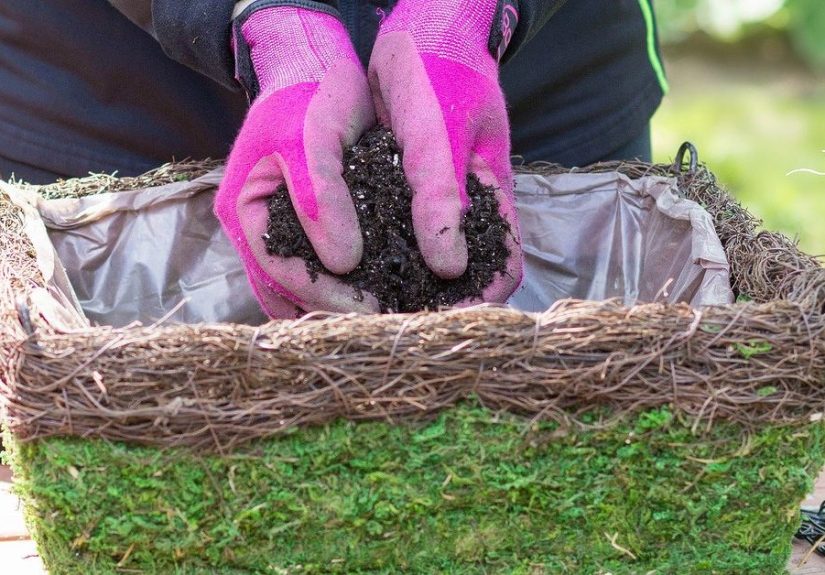
- Fit your coir liner or press damp moss snugly into the basket.
- If you add a thin plastic layer to reduce drying, punch small holes for drainage and aeration.
- Check for gaps so soil and water don’t leak out like your secrets in middle school.
Step 3: Potting Mix Matters More Than People Think
Hanging baskets dry out quickly because they’re exposed to air on all sides, and they hold a limited amount of soil.
The goal is a mix that drains well but doesn’t turn into dust by lunchtime. Use a commercial container potting mix
(lightweight, well-aerated). Avoid garden soilit’s heavy, compacts easily, and can smother roots in a container.
The “easy way” upgrade: slow-release fertilizer at planting
If your potting mix doesn’t include fertilizer, mix a slow-release, balanced fertilizer into the potting mix before
you plant. It’s the least-effort nutrition plan available: one small step now, fewer “why do my petunias look tired?”
moments later.
Step 4: Choose Plants That Actually Get Along
The fastest way to a sad basket is mixing plants that want totally different conditions (full sun + deep shade, or
drought-tolerant succulents + thirsty annuals). For the easiest care, choose plants with the same light and water
needs, and build around your location.
Best plants for sunny hanging baskets (6+ hours of sun)
- Petunias (classic spill-and-thrill)
- Calibrachoa (Million Bells) (tons of blooms, often “self-cleaning”)
- Verbena (great color, nice trailing habit)
- Bidens (cheerful yellow and tough)
- Lantana (heat tolerant, bright clusters)
- Bacopa (small flowers, beautiful drape)
Best plants for shade/part shade baskets (bright shade or morning sun)
- Impatiens (reliable color in shade)
- Begonias (many types love containers)
- Fuchsia (dramatic flowers, prefers cooler/partial shade)
- Trailing coleus (foliage color for shady spots)
- Licorice vine (silvery trailing foliage)
Edible hanging baskets (yes, you can snack from the sky)
- Strawberries (great in hanging planters)
- Herbs: thyme, oregano, parsley (choose varieties suited to your light)
- Trailing nasturtiums (edible flowers, fun spill)
Step 5: Plant Like a Pro (Without Needing a Pro)
You don’t need a design degree. Use one simple container formula and your basket will look intentionaleven if you
planted it while wearing mismatched socks.
The design shortcut: Thriller, Filler, Spiller
- Thriller: one standout plant (upright or mounded)
- Filler: plants that bulk up the middle
- Spiller: trailing plants that cascade over the edges
How many plants do you need?
For a 10–14 inch basket, many gardeners use about 3–5 plants, depending on how vigorous the varieties are.
Fewer plants can still look greatjust give them a couple extra weeks to fill in.
Easy planting steps (top-planting method)
- Pre-moisten the potting mix (damp like a wrung-out sponge).
- Fill halfway with potting mix.
- Add slow-release fertilizer if you’re using it (follow label directions).
- Position plants: place your thriller, then tuck fillers around it, then add spillers near the edge.
- Fill to within 1–2 inches of the rim so there’s space for watering (the “watering reservoir”).
- Firm gently (don’t pack it like concreteroots like air).
- Soak thoroughly and let it drain before hanging.
Optional: side-planting wire baskets (extra full, extra wow)
If you’re using a wire basket with moss/liner, you can plant into the sides for a more cascading look. Use a sharp
tool to make holes at different levels, slide in small plants (like alyssum, pansies, compact begonias), then snug
the liner around each plant so soil stays put.
Step 6: Hang It in the Right Spot (Microclimate Is Real)
A basket in full sun + wind can dry out dramatically faster than one in bright shade near a wall. If your basket is
in a hot, windy spot and you can’t water often, choose tougher plants (like calibrachoa, lantana, or trailing
foliage) and consider a larger basket or a self-watering style.
Placement tips
- Sun: Match your plant choices to the light.
- Wind: Sheltered spots reduce drying and snapped stems.
- Access: If you can’t comfortably water it, you won’t. Convenience wins seasons.
Care Made Simple: Watering, Feeding, and a Tiny Bit of Grooming
Watering: the #1 success factor
Most hanging baskets need frequent watering in summer. On hot, sunny days, watering once a day is commonand in
extreme heat, some baskets may need a second check. Don’t “sip-water.” Water thoroughly until you’re confident the
whole root zone got wet.
How to tell if it’s time to water
- Touch test: if the surface feels dry, it’s time to water.
- Weight test: lift gentlylight basket usually means dry mix.
- Plant signals: slight midday droop can happen, but repeated wilting is a red flag.
What if the basket is “bone dry” and water runs right through?
This happens. Potting mix can become so dry that it repels water. The easy fix: take the basket down and let it
soak in a tub, wheelbarrow, or large container long enough to rehydrate the mix, then let it drain and rehang.
Feeding: keep blooms coming (without frying roots)
Frequent watering can flush nutrients out of containers. If you used slow-release fertilizer at planting, you may
not need liquid feeding right away. As the basket grows and blooms hard, many gardeners switch to a water-soluble
fertilizer routine (often every 1–2 weeks), following label directions. Always apply fertilizer to moist soil.
Deadheading and trimming: 5 minutes, big payoff
Remove spent blooms on plants that need it, and pinch back leggy stems to keep the basket full. Some modern
varieties are “self-cleaning,” meaning they drop old blooms on their ownstill, a quick trim can refresh shape.
Troubleshooting: Quick Fixes for Common Hanging Basket Drama
Problem: wilting every day
- Likely cause: it’s drying out too fast (sun/wind, small basket, thirsty plants).
- Easy fix: water earlier, move to a more sheltered spot, upgrade to a larger basket, or choose tougher plants next time.
Problem: lots of leaves, few flowers
- Likely cause: too much nitrogen or not enough sun.
- Easy fix: move to brighter light if possible; use a balanced fertilizer per label and avoid overfeeding.
Problem: yellow leaves
- Likely cause: inconsistent watering, poor drainage, or nutrient depletion.
- Easy fix: confirm drainage holes are clear; water thoroughly; consider a regular feeding schedule.
Problem: basket looks tired by midsummer
- Easy refresh: trim back about 10–20% of leggy growth, remove tired stems, then water deeply and feed lightly.
Two “Easy Way” Basket Recipes (Copy, Paste, Plant)
Recipe 1: Full Sun, All-Summer Color
- Thriller: upright geranium or compact lantana
- Fillers: calibrachoa + verbena
- Spillers: bacopa + trailing sweet potato vine
This combo handles sun well and gives you both big color and a lush cascade. If you want a tidier look, swap sweet
potato vine for a finer-textured spiller like lobelia (where it performs well).
Recipe 2: Bright Shade, Big Impact
- Thriller: fuchsia (or a bold coleus variety for foliage drama)
- Fillers: impatiens + begonias
- Spillers: trailing coleus or licorice vine
Shade baskets can be jaw-dropping when you mix flower color with foliage texture. Bonus: shade often means slower
drying, which is basically the universe giving you a small gift.
Season-End Options: What to Do When Fall Shows Up
- Compost and restart: many annual baskets are replanted each spring for best results.
- Overwinter favorites: some plants (like certain fuchsias or houseplant-style foliage) can be brought indoors if you have bright light.
- Take cuttings: coleus and some trailing plants can be propagated to “save” the look for next year.
Real-World Experiences: What Gardeners Learn After a Few Baskets
Here’s the part nobody tells you at the garden center while you’re happily picking colors like you’re casting a
movie: hanging baskets teach lessons. Fast. But the good news is that once you learn the patterns, baskets get
easier every season.
First, almost everyone has the “I watered it… why is it still drooping?” moment. The common experience is that
hanging baskets don’t want frequent tiny drinksthey want a thorough soak that reaches the entire root zone. Many
gardeners eventually develop a rhythm: a deep morning watering, a quick afternoon check during heat waves, and a
mental note that wind is basically a stealth hairdryer for your plants.
Another classic: the “bone-dry basket” surprise. It’s weirdly universal. One hot day happens, you miss a watering,
and suddenly water runs straight through like the potting mix is wearing a raincoat. The experienced move is to
rehydrate by soaking the basket (carefully) until the mix absorbs water again. After you see this once, you start
catching it earlierby lifting the basket to feel the weight, or by checking the soil surface before it gets to
crispy territory.
Then there’s the “my basket looked amazing… for three weeks” experience. This usually isn’t a failureit’s just how
baskets work. Plants grow fast in a small amount of soil, especially when you’ve planted a gorgeous, crowded
arrangement. By midsummer, they’re asking for more water and more nutrients, and they may need a haircut to keep
the shape. Gardeners often discover that trimming feels scary the first time (“What if I ruin it?”) and then
strangely satisfying the second time (“Oh, it looks better already.”). A simple midseason trim can turn a tired
basket into a fresh, full one again.
A surprisingly common lesson: match plant personalities. People learn quickly that mixing a shade-lover with a
sun-worshipper is like putting a penguin and a lizard in the same vacation rental. One of them is going to be
miserable. After a season or two, gardeners get pickierin a good way. They start choosing baskets by location
first (“This spot is hot and windy; I need tough plants”), and colors second.
Many gardeners also report that the “easy way” is about reducing friction. If your basket is too high to reach, you
will skip watering more often. If it’s placed far from a hose, you’ll “do it later,” and later becomes tomorrow.
Once people move baskets to a more accessible spotor use a pulley hook, or set them where a watering wand reaches
their baskets magically improve. Same gardener. Same plants. Less hassle.
Finally, there’s the joyful experience: baskets make you notice your space more. You start checking buds, counting
blooms, and appreciating small winslike the first cascade over the rim, or the day everything fills in and looks
like a magazine photo. And that’s the real secret. The easy way isn’t perfection. It’s setting up a basket that can
succeed with normal human consistency.
Conclusion: Your Easy Hanging Basket Game Plan
If you remember only four things, make them these: choose plants with the same sun and water needs, use a quality
container potting mix, water thoroughly (especially in heat), and feed lightly but consistently as the season goes
on. Do that, and your hanging basket won’t just surviveit’ll show off.