Table of Contents >> Show >> Hide
- What Are Hand Curved Wooden Plates?
- Why Hand Curved Wooden Plates Are So Appealing
- How Hand Curved Wooden Plates Are Made
- Best Woods for Hand Curved Wooden Plates
- Are Hand Curved Wooden Plates Food Safe?
- How to Clean and Care for Hand Curved Wooden Plates
- What to Look for When Buying Hand Curved Wooden Plates
- Design Ideas and Styling Tips
- Are Hand Curved Wooden Plates Sustainable?
- Final Thoughts
- Experiences Related to Hand Curved Wooden Plates
- SEO Tags
Some dinnerware is practical. Some is pretty. And some pieces quietly show off without being obnoxious about it. Hand curved wooden plates fall into that last category. They are warm, tactile, useful, and just different enough to make a table feel intentional instead of “I grabbed whatever was clean.” That alone deserves respect.
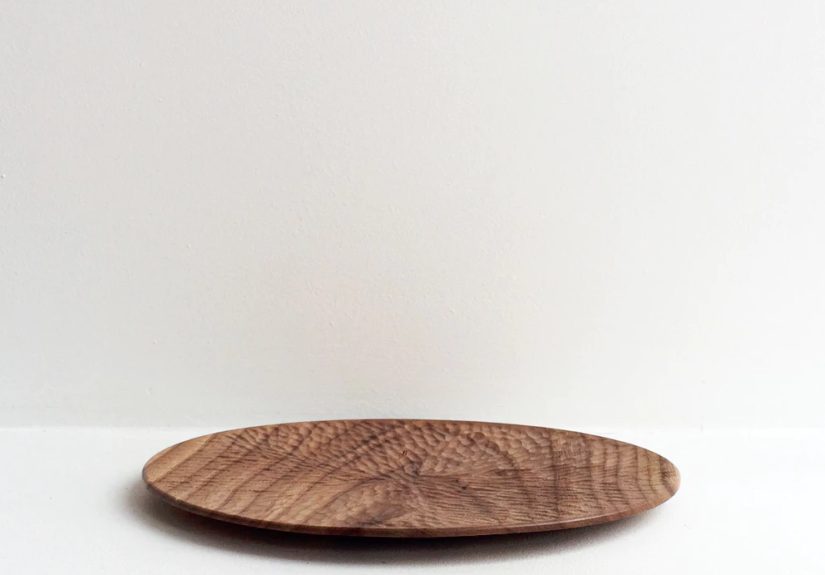
These handcrafted plates are shaped with gentle curves rather than perfectly flat factory lines. The result is a piece that feels organic in the hand and visually softer on the table. Whether used for bread, sushi, pastries, fruit, cheese, or small plated meals, hand curved wooden plates bring a natural, artisan quality that ceramic and glass simply cannot fake. They also fit beautifully into modern rustic, Scandinavian, Japandi, farmhouse, and minimalist interiors, which is a nice way of saying they get along with almost everybody.
What Are Hand Curved Wooden Plates?
Hand curved wooden plates are serving or dining pieces shaped by hand tools, carving tools, turning tools, or a combination of methods. Some are carved from a slab and hollowed with an adze, gouge, or carving knife. Others are turned on a lathe and refined into a shallow dish or platter with a smooth rim, a light foot, and a graceful curve underneath. In either case, the goal is not sterile perfection. The goal is balance, comfort, and character.
The word curved matters here. A good curve makes the plate easier to hold, more pleasing to look at, and more functional for serving. A slight lip helps keep olives, crackers, berries, or sliced cake from staging a dramatic exit. A gentle hollow can make simple foods look more composed, which is wonderful news for anyone who wants their toast to seem more sophisticated than it really is.
Why Hand Curved Wooden Plates Are So Appealing
They bring warmth to the table
Wood has a visual softness that instantly makes a table setting feel lived-in and welcoming. Even when the design is minimal, the grain adds movement, color variation, and depth. That means the plate does some decorating work before the food even arrives.
They feel better in your hands
One of the least talked-about benefits of wooden tableware is touch. A hand curved plate often feels lighter, warmer, and more comfortable to carry than heavy ceramic. The rounded edge, slightly eased underside, and natural finish all make it pleasant to use. It does not clank, glare, or scream for attention. It just quietly earns compliments.
No two pieces look exactly alike
With handmade wood dinnerware, grain patterns, color shifts, knots, chatoyance, and subtle shape differences become part of the charm. That individuality is a feature, not a flaw. Matching sets are lovely, but near-matching sets with personality are often even better.
How Hand Curved Wooden Plates Are Made
There is more craft in a good wooden plate than most people realize. In traditional bowl and tray making, artisans may start with a slab or green blank and shape it with carving tools such as an adze or gouge. In turned work, the maker mounts a blank and forms the plate or shallow dish with bowl gouges, scrapers, and finishing cuts. The curve under the plate, the dish on the top surface, and the transition at the rim all require control. A clumsy curve looks awkward immediately. A good one looks effortless, which is the rude magic of skilled craftsmanship.
Grain direction matters, too. Woodworkers pay close attention to how the fibers run because that affects strength, movement, tear-out, and the final appearance. On a turned serving dish, the maker may create a shallow sweeping curve or ogee on the underside, then refine the rim and upper face so the piece feels light rather than chunky. Clean tool technique helps prevent torn grain and reduces the need to sand the daylights out of the plate.
Drying is another big part of the process. If wood is rushed, it can move unpredictably, crack, or warp. Many artisans rough-shape a piece, allow moisture to leave slowly, and then return for final shaping and finishing. That patience is one reason the best handmade wooden plates feel so calm and resolved. They have been argued with already, and the maker won.
Best Woods for Hand Curved Wooden Plates
Not all wood species behave the same way, and that is very good news for anyone shopping wisely. Several American hardwoods stand out for kitchen and serving use because of their working properties, appearance, and durability.
Hard Maple
Hard maple is a favorite for kitchenware because it is hard, heavy, and highly resistant to abrasion and wear. It has a clean, pale appearance that works beautifully in modern kitchens, and its reputation in butcher blocks and kitchenware makes it a strong candidate for a hand curved wooden plate that needs to look elegant while holding up to regular use.
Cherry
Cherry is beloved for its straight grain, fine texture, and rich reddish-brown tone that deepens over time. It feels refined without feeling fussy. A cherry wooden plate often develops a mellow, lived-in beauty that only gets better with age, like a leather chair or a cast-iron pan with good manners.
Walnut
Walnut brings drama in the best possible way. It works easily, finishes beautifully, and offers good dimensional stability, which is helpful for handcrafted serving pieces. Its chocolate-brown color makes fruit, pastries, and pale cheeses look especially gorgeous. Walnut is basically the flattering restaurant lighting of wood species.
Other Woods Worth Noting
Depending on the maker and region, you may also see sycamore, beech, Pacific Coast maple, or other food-appropriate hardwoods used for bowls, utensils, platters, and kitchenware. The best choice depends on intended use, local availability, the maker’s process, and how much drama you want from the grain.
Are Hand Curved Wooden Plates Food Safe?
Yes, they can be food safe when they are made from appropriate wood species and finished with a finish intended for food contact. That last part is where buyers should pay attention. A reputable maker should be able to tell you what finish was used and whether it is food safe, nontoxic, or food grade for the intended use.
Food safety is not just about the wood itself. It is also about the surface treatment, the condition of the piece, and how the plate is used and cleaned. A smooth, well-finished wooden plate intended for serving bread, fruit, pastries, or dry foods is a very different situation from a damaged plate with an unknown coating being used for messy raw ingredients. If the finish is mysterious and the seller answers questions like a spy in a bad movie, walk away.
For most households, wooden plates are excellent for serving and light dining use. They are especially great for snacks, breakfast service, desserts, grazing boards, and plated appetizers. Many people also use them for sandwiches, sushi, cookies, charcuterie, and side dishes because wood makes simple food look unexpectedly expensive.
How to Clean and Care for Hand Curved Wooden Plates
Wooden plates are not difficult to care for, but they do appreciate a little respect. Think less “high-maintenance diva,” more “houseplant that wants basic consistency.”
Daily cleaning
Wash the plate with warm or hot soapy water after use. Use a soft sponge or cloth, not steel wool or aggressive scrubbing tools. Rinse well, then dry it promptly with a clean towel. Avoid letting wooden plates sit damp in the sink, because prolonged moisture can lead to warping, cracking, or finish breakdown over time.
Do not soak
Soaking is one of the quickest ways to shorten the life of handcrafted wood tableware. Extended water exposure can stress the fibers and encourage movement. A quick wash is good. A long bath is not self-care for wood.
Hand wash is the safer choice
For handcrafted wooden plates, hand washing is generally the safest approach. Heat, prolonged moisture, and harsh dishwasher conditions can be hard on natural wood and on food-safe oil-and-wax finishes. Handmade pieces last longer when treated like handmade pieces.
Sanitize when needed
If a wooden plate or board is used with raw meat, poultry, or other messy prep tasks, it should be washed thoroughly and then sanitized according to food-safety guidance. Many people prefer to reserve wooden plates for serving rather than raw prep, which is honestly the easier and prettier plan.
Oil occasionally
Many makers recommend refreshing the surface with food-grade mineral oil, beeswax blends, walnut oil, or another finish suited to the piece. This helps maintain moisture balance, improves appearance, and adds a bit of water resistance. If the wood starts looking dry, chalky, or tired, that is usually your cue.
What to Look for When Buying Hand Curved Wooden Plates
Ask about the wood species
Knowing whether the plate is maple, cherry, walnut, or another hardwood tells you a lot about durability, look, and care. It also helps you decide whether you want a lighter or darker table aesthetic.
Ask about the finish
This is not the time for mystery chemistry. The maker should clearly identify the finish and whether it is suitable for food contact.
Check the curve and balance
A good hand curved wooden plate should sit steadily, feel comfortable in the hands, and have a pleasing transition from rim to basin to underside. If it looks clumsy, feels awkward, or wobbles like it has opinions, keep looking.
Look for surface quality
The surface should feel smooth, not gummy, splintery, or overly thick with finish. Small natural grain variations are normal and desirable. Rough tear-out and careless sanding are not.
Choose the right size for the job
Some wooden plates are really snack plates. Some are shallow platters. Some are perfect for bread and butter, while others shine as salad or sushi service. Matching the size and depth to actual use saves you from buying a gorgeous object that then spends its life holding keys near the front door.
Design Ideas and Styling Tips
Hand curved wooden plates work especially well when mixed with linen napkins, matte ceramics, hand-thrown bowls, stone countertops, and simple glassware. They add contrast to white kitchens and softness to darker, moodier spaces. On the table, they are wonderful for layered place settings because wood breaks up the sameness of all-ceramic arrangements.
For serving, try them with sliced pears and blue cheese, croissants at brunch, tea sandwiches, sushi rolls, roasted nuts, or little desserts. A curved wooden plate can also elevate ordinary toast to “weekend café energy,” which is useful even if your coffee still came from a machine that sounds like it is filing a complaint.
Are Hand Curved Wooden Plates Sustainable?
They certainly can be, especially when made from responsibly sourced American hardwoods, salvaged local wood, or regionally available species. One reason wood remains attractive to designers and makers is that it is renewable and can have a strong sustainability story when harvested and processed responsibly. American hardwood resources have also shown long-term growth, which supports the case for well-managed hardwood use.
That said, sustainability is not a magic word you sprinkle on a product and hope nobody asks follow-up questions. Ask where the wood came from, whether the maker uses local or salvaged material, and how the piece is finished. A beautifully made plate from responsibly sourced wood is both useful and enduring, and durability is part of sustainability, too.
Final Thoughts
Hand curved wooden plates succeed because they live at the sweet spot between function and beauty. They are practical enough for real use, beautiful enough for display, and tactile enough to make everyday meals feel less rushed. They also invite a slower, more intentional relationship with objects in the kitchen. You wash them by hand. You dry them. You oil them once in a while. In return, they age gracefully and develop a patina that mass-produced tableware rarely earns.
If you want tableware with warmth, personality, and a little artisan soul, hand curved wooden plates are an excellent choice. They are not trying to be flashy. They are just quietly excellent, which is often the best kind of design.
Experiences Related to Hand Curved Wooden Plates
Living with hand curved wooden plates changes the rhythm of daily meals in small but noticeable ways. The first thing most people comment on is not the craftsmanship, even though that is what made them buy the plate in the first place. It is the feeling. A wooden plate does not have the cold, hard touch of ceramic pulled from a cabinet in the morning. It feels warm, almost friendly, and that changes the mood of simple foods. Toast with butter looks calmer. Sliced apples seem more intentional. A croissant suddenly feels like you made an effort, even if the effort was mostly remembering to buy croissants.
At breakfast, these plates are especially satisfying because they make quiet meals feel grounded. A hand curved plate holding eggs, berries, and a piece of sourdough feels more relaxed than a standard white plate, even when the menu is identical. The shallow curve gently frames the food, so things look arranged rather than dropped. That may sound like a small distinction, but it changes the visual experience of eating at home. It turns ordinary food into something you notice a little more.
During casual entertaining, hand curved wooden plates really shine. Guests tend to reach for them first when they are set out with cheese, crackers, grapes, and cookies. Part of that is visual appeal, but part of it is also comfort. They are easy to carry, pleasant to hold, and less slippery than glossy serving ware. A plate with a subtle rim and a smooth underside feels secure in motion, which matters when someone is balancing a drink in one hand and trying to act elegant with the other.
There is also the experience of aging with the piece. A wooden plate does not stay frozen in time. Over months and years, it deepens in color, develops a softer sheen, and begins to show the kind of wear that feels honest rather than shabby. Tiny shifts in tone, especially in cherry and walnut, make the plate look more alive. This is one of the biggest emotional differences between handmade wood tableware and mass-produced alternatives. The plate starts to feel like part of the household, not just an accessory.
Caring for it becomes part of the relationship. Washing a hand curved wooden plate by hand is not difficult, but it does create a moment of attention. You rinse, wash, dry, and occasionally oil it. That little ritual makes the object feel worth keeping. In a kitchen full of disposable habits, that is refreshing. Instead of treating a plate as replaceable, you start treating it as something you maintain. Oddly enough, that can make the whole kitchen feel more thoughtful.
Many people also mention how well these plates work as gifts. They feel personal without being overly specific, useful without being boring, and decorative without becoming clutter. A handmade wooden plate can suit newlyweds, home cooks, design lovers, and the person who claims they “don’t need anything” while secretly loving beautiful objects. It is the kind of gift that gets used, admired, and occasionally shown off to visitors with suspicious pride.
In the end, the experience of owning hand curved wooden plates is less about luxury and more about presence. They encourage slower serving, better presentation, and a little more appreciation for texture, grain, and craft. They make everyday meals feel less mechanical. That is a pretty impressive accomplishment for a plate.