Table of Contents >> Show >> Hide
- The Viral Story: A “We Quit” Sign, A Breakdown, And A Breaking Point
- The Hidden Mechanics Of A Mass Quit
- Why This Story Resonated So Hard During The Great Resignation
- Fast Food Is A Pressure CookerAnd The Lid Was Already Loose
- What Wendy’s (And Other Chains) Have Said About Staffing Problems
- The Real Takeaway: Viral Quitting Posts Are A Workplace Audit In Public
- Practical Lessons For Workers (And Managers Who Actually Want To Keep People)
- Conclusion: The “We Quit” Sign Wasn’t The StoryIt Was The Summary
- Extra: Of Real-World Experiences That Mirror The Wendy’s Walkout
One minute you’re just trying to survive a dinner rush with three people and a prayer. The next, your “we quit” note
is being screenshotted, quote-tweeted, and debated like it’s a Supreme Court caseexcept the justices are strangers
with anime avatars and strong opinions about Frosties.
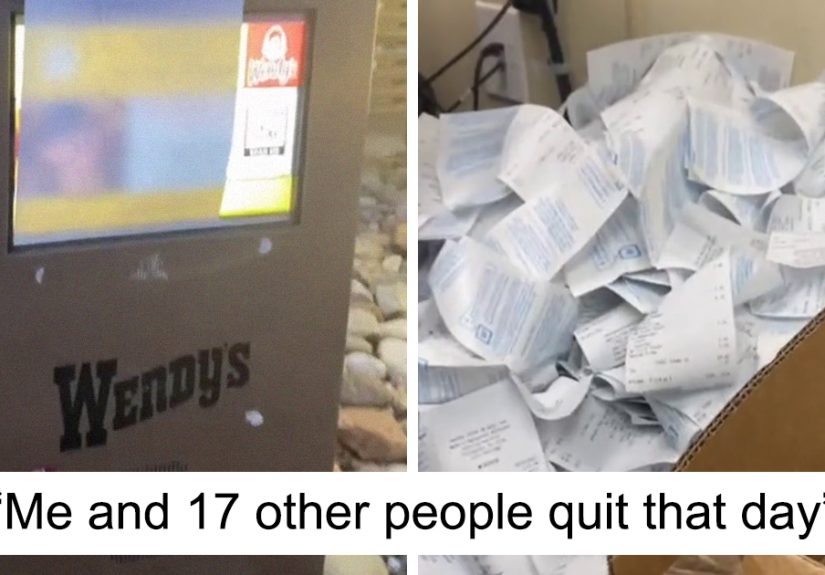
That’s basically what happened when a former Wendy’s manager (and his crew) shared why they walked away from their
jobs. The story didn’t just travelit sprinted. What started as a short, raw explanation of “here’s what broke us”
turned into a viral moment on Twitter (now X), echoing a much bigger conversation about burnout, understaffing, pay,
and the power shift that defined the Great Resignation era.
And if you’ve ever worked fast food, retail, or any job where “teamwork” sometimes means “you doing the work of
three humans,” you already know why this struck a nerve.
The Viral Story: A “We Quit” Sign, A Breakdown, And A Breaking Point
The core of the viral post was simple: a worker explained that he and his team quit together because the working
conditions became unbearable. Not “I had a bad day” unbearablemore like “the building is falling apart, staffing
is collapsing, and nobody above us is helping” unbearable.
What he said was happening behind the counter
In his explanation, he described a situation that will feel familiar to anyone who’s ever worn a headset and a forced
smile at the same time: people kept quitting, responsibilities kept piling up, and leadership support didn’t show
up in any meaningful way. He said he was working extreme hours and carrying management-level responsibilities for
pay that didn’t match the workload. The store stayed open because the remaining staff kept stretchinguntil they
couldn’t stretch anymore.
The moment that spread fastest wasn’t a corporate memo or a carefully worded statement. It was the kind of message
that needs no translation: a handwritten “We Quit” sign taped where customers would see it. Fast-food signs usually
say things like “Try our new sandwich.” This one said, “We tried our best. Goodbye.”
Why it blew up on Twitter even though it started elsewhere
The internet doesn’t care where a story is bornit cares where it gets adopted. A clip or screenshot can jump from
TikTok to Twitter in minutes, especially when someone with a big following reposts it with a line like “this is
exactly why people are leaving.” Once it hits Twitter’s fast-moving feed, it stops being one person’s account and
becomes a public debate about work itself.
That’s the secret sauce of viral labor stories: they’re both personal and universal. It’s one worker’s experience,
but thousands of people recognize the pattern immediately.
The Hidden Mechanics Of A Mass Quit
When a team walks out together, it rarely happens because everyone woke up and chose chaos. It usually happens
because chaos has been choosing them for months.
The understaffing spiral
Understaffing isn’t just “we’re short two people.” It’s a chain reaction:
- Fewer workers means longer lines and angrier customers.
- Angrier customers means more stress and more mistakes.
- More mistakes means more complaints, more pressure, and sometimes punishment instead of help.
- More pressure means more people quit.
Eventually, the store becomes a treadmill set to “sprint” while management yells, “Run faster!” and corporate
wonders why retention is down.
The “acting manager” trap
A common detail in viral quitting stories is the “acting manager” realitysomeone is promoted into responsibility
because there’s no one else left, not because the store is set up to support them. Suddenly, you’re doing scheduling,
training, conflict resolution, inventory triage, customer recovery, and your original job… all at once. The title
changes faster than the pay does.
The worker at the center of this Wendy’s story described long weeks and minimal backup. In fast food, that’s not
just exhaustingit’s risky. When you’re running a kitchen short-staffed for weeks, safety corners get cut, temp checks
get rushed, and everyone’s one slip away from a burn, a fall, or a full-on meltdown.
Equipment failures become people problems
One of the most common “small” issues that becomes a giant issue in restaurants is broken equipmentespecially
temperature control. If your air conditioning fails during a hot season, the kitchen can turn into a sweatbox.
And when it stays broken, it stops being an inconvenience and becomes a health and safety concern.
When workers talk about quitting, it’s often not one dramatic moment; it’s the constant message behind the scenes:
“We’ll fix it later.” Later turns into weeks. Weeks turn into “this is just how it is.” And eventually someone says,
“No. This is not how I’m living.”
Why This Story Resonated So Hard During The Great Resignation
The Wendy’s walkout didn’t go viral in a vacuum. It landed in a time when millions of workers were re-evaluating
what they were willing to tolerateespecially in low-wage, customer-facing jobs where stress ran high and respect
ran low.
The numbers were loud
During the peak Great Resignation period, the U.S. saw historic quitting levels, with accommodation and food services
leading the pack. In plain English: restaurants were the frontline of “we’re done.”
People weren’t just quitting jobs; they were quitting conditions
Surveys from that era consistently show the same top reasons: low pay, limited advancement, and feeling disrespected.
That last one matters more than a lot of executives like to admit. People can push through a tough shift. They can
even push through a tough month. But disrespectespecially paired with low pay and no growthturns “hard work” into
“why am I sacrificing my health for this?”
When the Wendy’s worker described being stretched thin and unsupported, readers didn’t hear “one bad store.” They
heard a familiar theme: the human cost of running lean until “lean” becomes “empty.”
Fast Food Is A Pressure CookerAnd The Lid Was Already Loose
Fast food is built on speed, consistency, and volume. That’s fine when staffing is stable and systems work. But when
staffing collapses, the entire model becomes a pressure cooker. And the people inside it are the ones absorbing the
heatsometimes literally.
Heat isn’t just uncomfortable; it can be dangerous
Working in hot indoor environments can increase the risk of heat-related illness, especially when ventilation is poor
and the workload is intense. Restaurants have ovens, grills, fryers, and dish machines generating heat all day.
Take away functioning air conditioning or adequate breaks and you’re setting people up to fail.
This is part of why stories involving broken A/C strike such a nerve. It’s not “I don’t like sweating.” It’s “I’m
being asked to work in conditions that can hurt me.”
The emotional labor is real (and rarely paid for)
Customer-facing jobs require emotional regulation: staying calm while someone is mad about fries, apologizing for
staffing issues you didn’t cause, and absorbing rudeness with a “have a great day!” on top. When customers are tense,
the job gets harder. When the store is short-staffed, customers get tenser. It becomes a feedback loop where workers
are the shock absorbers for a system problem.
What Wendy’s (And Other Chains) Have Said About Staffing Problems
The best part about viral stories is that they force a conversation. The awkward part is that the conversation is
often about things companies already know.
Around the same time period, Wendy’s leadership publicly acknowledged staffing challenges and the difficulty of
rebuilding teams quickly. There were reports of operational adjustmentslike shifting more orders through drive-thru
when dining rooms closedbecause understaffing wasn’t just a “hiring issue.” It was a day-to-day operations issue.
In other words: viral quitting stories weren’t “surprising.” They were visible symptoms.
The Real Takeaway: Viral Quitting Posts Are A Workplace Audit In Public
When someone goes viral explaining why they quit, they’re doing something most workers never get to do: they’re
documenting the conditions. Out loud. Where everyone can hear it.
That’s why these stories spread. They feel like a public audit of what the job actually costsphysically, mentally,
and emotionally. And they raise uncomfortable questions:
- Why is a store allowed to run on “emergency mode” for months?
- Why is the solution always “work harder,” not “fix the system”?
- Why does respect disappear the moment the job is labeled “low-skill”?
The internet can argue all day about whether quitting is “professional.” But the deeper issue is why so many workers
reached a point where quitting felt like the healthiest option.
Practical Lessons For Workers (And Managers Who Actually Want To Keep People)
For workers: recognize the red flags early
- Chronic understaffing that never improves.
- Constant emergency scheduling where you’re pressured to come in on every day off.
- “Promotion” without support (more responsibility, same chaos, tiny pay bump).
- Ignored safety issues like broken A/C, hazardous equipment, or no real breaks.
- Disrespect as culturefrom customers, coworkers, or leadership.
If your job is draining your health, your relationships, and your sense of dignity, it’s not “being weak” to leave.
It’s being honest about the cost.
For managers: retention is a strategy, not a pep talk
If you’re a manager reading this and thinking, “But I can’t control corporate budgets,” that’s true. But you can
control whether your team feels seen and supported. The basics aren’t glamorous, but they matter:
- Fix predictable pain points (maintenance, scheduling, staffing coverage).
- Protect breaks like they’re non-negotiable (because they are).
- Be transparent about what you can and can’t change.
- Reward reliability with better shifts, training, and real growthnot just “thanks.”
- Don’t normalize crisis mode as your permanent operating system.
When teams quit together, it’s often because they felt they had each otherbut didn’t have leadership.
Conclusion: The “We Quit” Sign Wasn’t The StoryIt Was The Summary
The reason this Wendy’s quitting story went viral on Twitter wasn’t because people love drama (though, yes, the
internet treats drama like a sport). It went viral because it captured something a lot of workers have felt:
“I’m carrying too much, for too little, with too little respect.”
Whether you call it the Great Resignation, a labor reset, or “everyone finally snapping,” the underlying message
is the same: when jobs are built on burnout, workers eventually stop paying the price.
And if your business model depends on people accepting misery because they need a paycheck… the internet is now
capable of turning your turnover problem into a headline.
Extra: Of Real-World Experiences That Mirror The Wendy’s Walkout
Viral stories feel dramatic, but they’re usually made of ordinary days stacked on top of each other until the stack
collapses. Here are a few real-world patterns that people in fast food and quick-service restaurants describe again
and againexperiences that help explain why a “we quit” sign can feel like a victory lap.
1) The “Three-Person Dinner Rush” That Becomes The New Normal
It starts as a one-off: someone calls out, someone quits, and suddenly you’re running register, bagging orders, and
refilling sauces like you’re auditioning for an action movie titled Fast & Furious: Condiment Drift.
A good manager says, “We’ll get through tonight.” A bad system says, “Congrats, this is your life now.”
After a few weeks, people stop asking for help because they’ve learned the answer is “we don’t have anyone.” That’s
when morale shifts from “this is hard” to “this is hopeless.” Once hope is gone, turnover becomes contagious.
2) The “Broken Equipment” That Turns Into A Health Problem
Workers often describe how broken A/C, failing ice machines, busted fryers, or unreliable POS systems don’t just slow
things downthey raise stress and safety risk. A kitchen without proper cooling can push people toward dehydration
and exhaustion. Add fast-paced physical labor and you’re basically asking human beings to operate like machines,
except machines get maintenance.
The resentment doesn’t come from one hot day. It comes from the feeling that comfort and safety are optional as long
as the drive-thru keeps moving.
3) The “Promotion” That’s Really Just A Survival Assignment
Plenty of workers have a story like: “They made me a shift lead because everyone else left.” That can be a genuine
opportunityif training, staffing, and support come with it. But when it’s just responsibility without resources,
it becomes a fast track to burnout. You’re expected to enforce rules you didn’t create, calm customers you can’t
satisfy, and keep the team motivated while you’re drowning too.
4) The Moment The Team Quietly Agrees: ‘We’re Done’
Most mass quits don’t begin with a speech. They begin with a look. A shared “this is ridiculous” after the fifth
customer screams about nuggets while the store is down two people and a working headset.
Coworkers start trading notes: “I’m applying elsewhere.” “I can’t keep doing doubles.” “My manager won’t fix
anything.” Then one person says it out loud“What if we all leave?”and suddenly it’s less scary, because it’s not
one person jumping alone. It’s a group choosing dignity together.
That’s why these stories hit so hard online: they show that quitting isn’t always impulsive. Sometimes it’s the most
logical decision left when the workplace refuses to change.