Table of Contents >> Show >> Hide
- What Makes Traditional Beef Stroganoff a Gluten Problem?
- Why This Gluten-Free Beef Stroganoff Works
- Ingredients for Gluten-Free Beef Stroganoff
- How to Make Gluten-Free Beef Stroganoff
- Best Gluten-Free Swaps and Substitutions
- Important Gluten-Free Tips That Actually Matter
- How to Get the Best Flavor Every Time
- Serving Ideas for Gluten-Free Beef Stroganoff
- Storage, Reheating, and Make-Ahead Tips
- Common Mistakes to Avoid
- Real-World Experiences With Gluten-Free Beef Stroganoff
- Conclusion
Some dinners wear a cape. Gluten-free beef stroganoff wears a cozy sweater, carries a wooden spoon, and somehow makes a Tuesday feel emotionally repaired. It is creamy, savory, mushroomy, and deeply comforting, but without the wheat-based flour, standard noodles, or sneaky pantry ingredients that can derail a gluten-free meal.
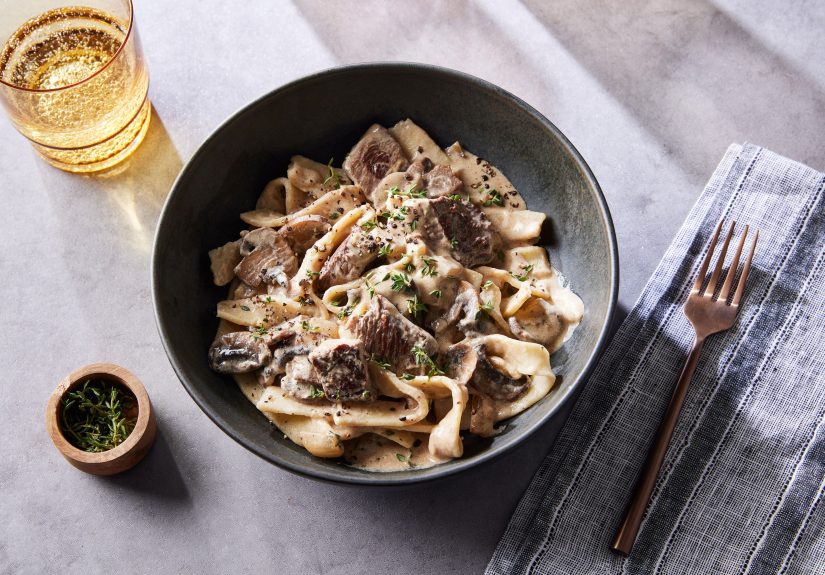
A great gluten-free beef stroganoff should not feel like a compromise. It should taste like the real deal: tender beef, silky sauce, earthy mushrooms, sweet onion, a little tang from sour cream, and a glossy finish that clings to noodles instead of sliding off like an awkward dinner guest. The trick is not to reinvent the dish. The trick is to understand what makes classic stroganoff work, then swap the gluten-containing parts with smart alternatives that keep the flavor and texture intact.
This version does exactly that. It uses naturally gluten-free ingredients where possible, carefully selected substitutes where necessary, and practical techniques that help home cooks avoid common mistakes like rubbery beef, watery sauce, or a curdled sour cream situation that looks like dinner lost an argument.
What Makes Traditional Beef Stroganoff a Gluten Problem?
Classic beef stroganoff often contains gluten in three very normal places: flour used to coat the beef or thicken the sauce, egg noodles made with wheat flour, and bottled ingredients like Worcestershire sauce, broth, or seasoning blends that may include hidden gluten. That means the dish can look harmless while quietly sabotaging anyone who needs to avoid wheat, barley, or rye.
The good news is that stroganoff is incredibly adaptable. The core flavors do not depend on gluten. Beef, mushrooms, onions, garlic, broth, mustard, sour cream, and herbs are all capable of building the same rich, comforting profile. Once you replace the flour with a dependable gluten-free thickener and serve the sauce over certified gluten-free noodles or another starch, the dish comes back to life with very little drama.
Why This Gluten-Free Beef Stroganoff Works
1. The beef stays tender
Quick-cooking cuts such as sirloin, ribeye, or strip steak are ideal when sliced thinly against the grain. They sear fast, stay juicy, and do not demand a three-hour commitment or a motivational speech.
2. The sauce gets body without wheat flour
Instead of all-purpose flour, this recipe uses cornstarch. It thickens quickly, stays neutral in flavor, and gives the sauce that glossy, restaurant-style finish. Sweet rice flour also works well, but cornstarch is easy to find and wonderfully reliable.
3. The sour cream goes in at the right time
Adding sour cream over lower heat keeps the sauce creamy and smooth. Boil it aggressively and the sauce can split. Nobody wants stroganoff that looks stressed out.
4. The gluten-free pieces are intentional
Using gluten-free Worcestershire sauce, gluten-free beef broth, and certified gluten-free noodles keeps the recipe safe and more dependable for people who are truly avoiding gluten, not just casually flirting with the idea.
Ingredients for Gluten-Free Beef Stroganoff
Main ingredients
- 1 1/2 pounds sirloin steak, ribeye, or strip steak, thinly sliced against the grain
- 1 teaspoon kosher salt, plus more to taste
- 1/2 teaspoon black pepper
- 2 tablespoons olive oil or avocado oil
- 2 tablespoons unsalted butter
- 1 medium yellow onion, thinly sliced
- 12 to 16 ounces cremini or white mushrooms, sliced
- 3 cloves garlic, minced
- 1 tablespoon gluten-free Worcestershire sauce
- 1 teaspoon Dijon mustard
- 2 cups gluten-free beef broth
- 1 tablespoon cornstarch
- 2 tablespoons cold water
- 3/4 cup sour cream, room temperature
- 1 tablespoon chopped fresh parsley
- Optional: 1 teaspoon fresh dill for a more classic stroganoff finish
For serving
- 12 ounces certified gluten-free egg noodles or other gluten-free pasta
- Extra parsley or dill for garnish
How to Make Gluten-Free Beef Stroganoff
Step 1: Cook the noodles
Bring a large pot of salted water to a boil and cook the gluten-free noodles according to package directions. Gluten-free pasta can go from perfect to sad very quickly, so taste early and do not wander off to check social media. Drain and set aside. A little oil can help prevent sticking if the noodles will sit for a few minutes.
Step 2: Sear the beef
Pat the sliced beef dry and season with salt and pepper. Heat 1 tablespoon oil in a large skillet over medium-high heat. Sear half the beef in a single layer for about 1 to 2 minutes per side, just until browned. Remove to a plate and repeat with the remaining beef. Do not crowd the pan or the meat will steam instead of sear, and steamed stroganoff beef has all the glamour of wet socks.
Step 3: Build the mushroom base
Reduce the heat to medium. Add butter and the remaining tablespoon of oil. Cook the onion for 3 to 4 minutes until softened. Add the mushrooms and cook for 7 to 10 minutes, stirring occasionally, until they release their moisture and begin to brown. Add the garlic and cook for 30 seconds.
Step 4: Make the sauce
Stir in the gluten-free Worcestershire sauce and Dijon mustard. Pour in the beef broth and scrape up the browned bits from the skillet. Those browned bits are flavor, and flavor is the whole point.
In a small bowl, whisk together the cornstarch and cold water to make a slurry. Stir the slurry into the skillet and simmer for 2 to 3 minutes, until the sauce thickens lightly.
Step 5: Finish with sour cream
Lower the heat. Stir a spoonful of the warm sauce into the sour cream to temper it, then add the sour cream mixture back to the skillet. Stir until smooth. Return the beef and any accumulated juices to the pan and warm gently for 1 to 2 minutes. Do not boil the sauce once the sour cream is in.
Step 6: Serve
Taste and adjust seasoning. Spoon the stroganoff over gluten-free noodles and finish with parsley or dill. Serve immediately while everything is hot, glossy, and worthy of compliments.
Best Gluten-Free Swaps and Substitutions
Gluten-free noodles
Certified gluten-free egg noodles are the closest to classic stroganoff. If you cannot find them, rice-based pasta, corn-rice blends, or even gluten-free fettuccine work well. For a naturally gluten-free option, serve the stroganoff over mashed potatoes, rice, or polenta.
Thickeners
Cornstarch is the easiest weeknight solution. Arrowroot can also work, though it is best used gently because prolonged high heat can affect texture. Sweet rice flour is a good option if you prefer a slightly more traditional gravy feel.
Dairy options
Sour cream gives stroganoff its signature tang, but plain Greek yogurt can stand in if needed. The flavor will be slightly sharper and the sauce a bit lighter. Full-fat options usually create the smoothest finish.
Beef choices
Sirloin is a favorite because it is tender and relatively affordable. Ribeye adds richness. Strip steak brings great texture. Ground beef is a budget-friendly option, though the dish becomes a more casual weeknight version than a classic steak-style stroganoff.
Important Gluten-Free Tips That Actually Matter
Read every label. This is not paranoia. It is recipe strategy. Beef broth, Worcestershire sauce, seasoning blends, and even packaged mushrooms with marinades or sauces can contain gluten or be processed in ways that make them risky for highly sensitive eaters.
Watch out for Worcestershire sauce. Some versions are gluten-free, while others may use ingredients derived from barley or otherwise be unsuitable for a strict gluten-free diet. Buy one clearly labeled gluten-free.
Avoid cross-contact. If this recipe is being made for someone with celiac disease, use clean cookware, a clean colander, clean utensils, and a fresh pot of water for pasta. The tiniest breadcrumb cameo is not charming.
Check your noodles. Oats and rice are naturally gluten-free, but many grain products can be cross-contact risks during processing. Certified gluten-free pasta is the safest path.
How to Get the Best Flavor Every Time
Brown the mushrooms properly
Mushrooms need time. If you salt them too early or stir them every 15 seconds, they release liquid and never develop that savory, almost meaty flavor. Let them sit in the pan long enough to color.
Do not overcook the beef
Thin slices of steak cook fast. Sear first, remove from the skillet, and return them only at the end. This keeps them tender instead of chewy.
Use enough acidity
The tang from sour cream and the subtle punch from Dijon or Worcestershire keep the sauce from tasting flat. Stroganoff should be rich, but not sleepy.
Season at the end
Broths vary wildly in saltiness. Taste the finished sauce before adding more salt so you do not accidentally turn dinner into a sodium personality test.
Serving Ideas for Gluten-Free Beef Stroganoff
- Serve with roasted green beans or asparagus for contrast
- Add a cucumber salad for something cool and crisp
- Pair with mashed potatoes for maximum comfort-food energy
- Use rice for a naturally gluten-free base that soaks up every drop of sauce
- Top with extra herbs and cracked black pepper for a brighter finish
Storage, Reheating, and Make-Ahead Tips
Store leftover stroganoff in an airtight container in the refrigerator for up to 3 days. Keep the noodles separate if possible so they do not absorb all the sauce and become mushy overnight. Reheat gently over low heat, adding a splash of broth if the sauce thickens too much. Avoid high heat, which can make the sour cream sauce separate.
If you want to make it ahead, prep the onion, mushrooms, and beef earlier in the day. You can also cook the sauce base without the sour cream, then finish with sour cream just before serving. That keeps the texture fresher and the whole dish more polished.
Common Mistakes to Avoid
- Using a pan that is too crowded and ending up with gray, steamed beef
- Adding sour cream over high heat and breaking the sauce
- Forgetting to check labels on broth and Worcestershire sauce
- Overcooking gluten-free pasta until it turns soft and fragile
- Skipping the final taste test and wondering why the sauce feels dull
Real-World Experiences With Gluten-Free Beef Stroganoff
One of the most common experiences people have with gluten-free beef stroganoff is surprise. Not polite surprise. Genuine, spoon-paused-in-midair surprise. Many home cooks expect the gluten-free version to taste like a backup plan, something respectable but slightly disappointing, like a folding chair at a wedding. Instead, when the sauce is rich, the mushrooms are properly browned, and the noodles hold their shape, the dish often lands with the same comfort and satisfaction as the classic version people remember.
For families navigating a new gluten-free routine, stroganoff can become one of those confidence-building meals that proves dinner is still allowed to be fun. Parents often discover that picky eaters focus on the creamy sauce and tender noodles, not the label on the pasta box. Adults who have spent weeks mourning their favorite comfort foods realize that the real magic of stroganoff was never the wheat flour. It was the silky texture, the savory depth, and that unmistakable tang from sour cream pulling everything together.
Another common experience is learning that gluten-free cooking rewards attention to detail more than dramatic culinary talent. People who felt intimidated at first often say the biggest shift came from label reading, not advanced cooking skills. Choosing a certified gluten-free noodle, checking the broth, and buying a gluten-free Worcestershire sauce made the recipe feel manageable. Suddenly the dish stopped being a medical puzzle and started being dinner again.
There is also the weeknight victory factor. Gluten-free eaters often get used to making separate meals or modifying dishes at the table. Stroganoff breaks that cycle nicely because it can be made as one meal for everyone. When that happens, the emotional payoff is bigger than the recipe itself. One pan, one sauce, one shared dinner, and nobody is sitting there with a sad side plate of plain rice pretending to be thrilled.
Some people discover their favorite version only after a few tries. The first batch might be too thin because the sauce was rushed. The second might be too thick because the cornstarch went in like it had something to prove. But by the third round, most cooks find their rhythm. They learn how long mushrooms really need, when to return the beef to the skillet, and how to keep sour cream smooth. That hands-on experience matters, because gluten-free recipes often become easier once they stop feeling unfamiliar.
Then there is the comfort-food memory factor. A dish like gluten-free beef stroganoff is rarely just about nutrition. It often connects to childhood dinners, cold evenings, family gatherings, or the kind of meal that showed up when life felt chaotic. Recreating that experience without gluten can feel unexpectedly meaningful. It is not just about avoiding an ingredient. It is about getting a piece of normal life back, preferably with extra sauce.
And maybe that is the best thing about this dish. It does not announce itself as a substitute. It just shows up, smells amazing, and disappears quickly. In the gluten-free world, that counts as a very good night.
Conclusion
Gluten-free beef stroganoff succeeds when it respects the original spirit of the dish while making smart, modern swaps. You do not need wheat flour to build a luscious sauce. You do not need conventional noodles to serve up comfort. And you definitely do not need bland, joyless “special diet” food when beef, mushrooms, broth, sour cream, and a few careful ingredient choices can deliver something rich, balanced, and deeply satisfying.
Whether you are cooking for celiac disease, gluten sensitivity, or simply trying to make a favorite dish more inclusive, this recipe proves that comfort food can still feel classic. Creamy, savory, practical, and unapologetically cozy, gluten-free beef stroganoff is the kind of dinner that earns a permanent place in the rotation.