Table of Contents >> Show >> Hide
- Quick Take: Is Garden of Life “Worth It”?
- Brand Snapshot: Who (and What) Is Garden of Life?
- How This Review Evaluates Garden of Life
- What Garden of Life Does Better Than Many Brands
- The Big Reality Check: Supplements Aren’t Pre-Approved
- Deep Dive: Garden of Life Multivitamins
- Deep Dive: Garden of Life Probiotics
- Deep Dive: Garden of Life Protein Powders
- Quality & Safety: What Garden of Life Signals Well
- Who Garden of Life Is Best For
- Who Should Think Twice
- How to Build a Smart Garden of Life “Stack” (Without Overdoing It)
- Final Verdict
- Real-World Experiences (Composite Scenarios)
Disclaimer: This article is for educational purposes only and isn’t medical advice. Supplements can interact with medications and aren’t appropriate for everyone. If you’re pregnant, nursing, managing a health condition, or taking prescriptions, run any new supplement past a clinician or pharmacist first.
Quick Take: Is Garden of Life “Worth It”?
Garden of Life is one of those supplement brands that makes people talk with their hands. Fans love the “real food” vibe, the long list of third-party certifications, and product lines that feel thoughtfully built for specific needs (multis, probiotics, organic gummies, plant proteins). Skeptics bring up the premium price tag, the occasional “why is this pill the size of a small canoe?” problem, and the fact that supplement marketing is still marketing.
My bottom line: Garden of Life is a strong pick for shoppers who care about certification seals, organic/non-GMO positioning, and formulas that try to be more than “just vitamins.” But you still have to choose the right product, dose appropriately, and keep expectations realisticbecause no supplement can out-run a diet built on drive-thru fries and hope.
Brand Snapshot: Who (and What) Is Garden of Life?
Garden of Life built its reputation around “clean” supplementsproducts positioned as derived from whole foods and supported by recognizable third-party certifications (think USDA Organic and Non-GMO verification on certain lines). The company is also a Certified B Corporation, which signals verified commitments around social and environmental standards (not product efficacy, but company practices).
Ownership matters to some shoppers. Garden of Life operates under the Nestlé Health Science umbrella (via Nestlé’s acquisition of Atrium Innovations). Some consumers shrug; others clutch their reusable water bottle a little tighter. Either way, ownership doesn’t automatically tell you whether a specific bottle is great or mediocreit just tells you who signs the checks.
How This Review Evaluates Garden of Life
Instead of “I took this and now I glow like a sponsored Instagram reel,” this review uses a practical, evidence-aware framework:
- Quality signals: third-party certifications (organic, non-GMO, gluten-free programs), transparent labeling, and manufacturing cues.
- Formula design: nutrient forms (like methylcobalamin vs. generic B12), sensible dosing, and whether the blend matches the intended user (women’s, men’s, 50+, prenatal, etc.).
- Safety realism: tolerable upper intake levels, ingredient interactions, and the uncomfortable topic of contaminants (like heavy metals in plant-based powders).
- Usability: pill burden, taste, mixability, stomach tolerance, and cost per day.
- Evidence alignment: what the research says about multivitamins, probiotics, and common supplement claimswithout pretending every capsule is a miracle in a gelatin tuxedo.
What Garden of Life Does Better Than Many Brands
1) A “certifications-first” identity (with receipts)
Garden of Life leans hard into third-party certifications, and that’s not nothing. Certifications aren’t magical shields, but they can be meaningful checksespecially in a supplement market where products aren’t pre-approved by the FDA before sale. For shoppers who want external oversight, seals such as USDA Organic (on select products), Non-GMO Project verification, and gluten-free certification programs can be useful shortcuts.
2) “Whole food” positioning that’s more than just a vibe
Many of the brand’s best-known lines include fruit/vegetable blends, and some include probiotics and digestive enzymes alongside vitamins and minerals. That doesn’t automatically make them superior (your body doesn’t award bonus points for “kale essence”), but it does reflect a formula philosophy: combine micronutrients with supporting ingredients that may improve user experiencelike digestive comfort for people who hate feeling queasy after a multi.
3) Targeted product families with a clear purpose
Garden of Life’s catalog isn’t a random supplement flea market. It’s organized into recognizable familieslike mykind Organics (organic, plant-forward vitamins and gummies), Vitamin Code (multi formulas with added blends), and Dr. Formulated (probiotics with specific strains and CFU counts). That structure makes it easier for consumers to compare within the brand.
The Big Reality Check: Supplements Aren’t Pre-Approved
Before we get into the fun stuff (gummies! probiotics! protein!), here’s the adulting moment: in the U.S., the FDA does not approve dietary supplements before they hit store shelves. Manufacturers are responsible for ensuring safety and truthful labeling, and the FDA mainly steps in through post-market oversight, inspections, and enforcement when problems arise.
That’s why third-party testing and certifications can matter: they’re independent layers of accountability in a category where the guardrails are different from prescription drugs. It’s also why you should take structure/function claims with a calm eyebrow raise and keep an eye out for the standard disclaimer that a statement hasn’t been evaluated by the FDA.
Deep Dive: Garden of Life Multivitamins
Garden of Life multivitamins generally aim to do three things at once: deliver core vitamins/minerals, add “whole food” blends, and support digestibility (often via enzymes/probiotics). Whether that’s a feature or fluff depends on your goals and your gut.
Standout: mykind Organics (Once Daily formulas)
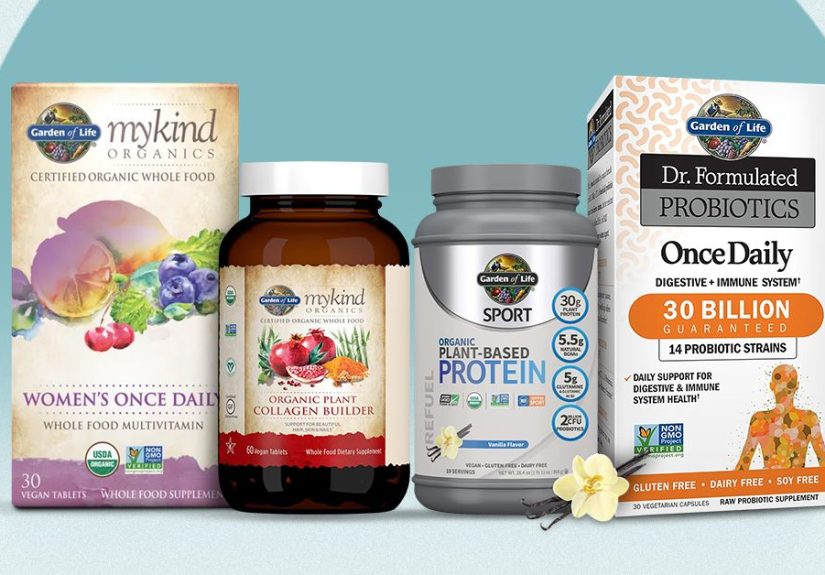
mykind Organics is the line most people point to when they want “clean-label” vibes with recognizable certifications. A typical example is the Women’s Once Daily formula, which highlights vegan vitamin D3 sourced from lichen and uses an active form of B12 (methylcobalamin). It’s also positioned as being made from powdered organic fruits, vegetables, and herbs.
Who it’s best for: people who want a once-daily multi, prefer vegan/organic positioning, and don’t want a dozen capsules a day.
Potential downsides: organic/whole-food positioning usually raises price; “whole food blends” can be hard to evaluate when amounts are small or bundled.
Standout: Vitamin Code (capsule-heavy but feature-rich)
Vitamin Code is the classic Garden of Life line: multivitamins that include whole food blends plus “live probiotics & enzymes” for digestive support. For example, the Vitamin Code Men’s product highlights a package of vitamins/minerals, a fruit/vegetable blend, plus added probiotics and enzymes, and it’s also marketed with third-party certifications like gluten-free certification programs on certain products.
Who it’s best for: people who like “kitchen sink” formulas and can tolerate multiple capsules.
Potential downsides: capsule count, cost, and the fact that more ingredients doesn’t always equal more benefit.
What to watch in any multi (Garden of Life or otherwise)
- Don’t stack blindly: If your multi already contains vitamin D, iron, zinc, or B6, adding separate singles can push you toward excessive intakes.
- Match the formula to your life stage: Prenatal needs differ from men’s formulas; 50+ formulas often change iron content and other dosing choices.
- Check tolerability: Some people feel nausea with multistaking with food and choosing gentler forms can help.
Deep Dive: Garden of Life Probiotics
Probiotics are where Garden of Life shines in terms of clarity: many products specify CFU counts and strain blends, and the “Dr. Formulated” line is designed around specific use cases (women’s digestive/vaginal support, daily maintenance, higher CFU options).
Standout: Dr. Formulated Once Daily Women’s
This product is widely known for providing 50 billion CFU and 16 probiotic strains, including strains the brand describes as clinically studied for women’s health support (like L. reuteri and L. fermentum), plus a prebiotic fiber blend.
Reality check: probiotic benefits are strain-specific
Here’s the inconvenient truth: “probiotics” is a category label, not a guarantee. Research suggests some strains may help with certain GI issues, antibiotic-associated diarrhea, or specific conditionsbut results depend on the exact strains, dose, duration, and the person taking them. Also, probiotics aren’t risk-free for everyone. People who are immunocompromised or seriously ill should be especially cautious.
How to choose the right Garden of Life probiotic
- Pick based on the outcome you want: daily digestive support, occasional travel support, women’s-specific support, etc.
- Start low, go slow: bloating or gas can happen early; many people adapt within 1–2 weeks.
- Don’t treat CFU like horsepower: more CFU isn’t automatically betterthink “appropriate dose,” not “most dramatic label.”
Deep Dive: Garden of Life Protein Powders
Garden of Life’s plant-based proteins (like Raw Organic Protein) are popular because they try to be more than “protein dust.” A typical formulation emphasizes:
- Protein per serving: often around 20+ grams (Raw Organic Protein commonly markets 22g).
- Added extras: probiotics and digestive enzymes to support tolerance.
- Clean-label goals: organic positioning and “no/low sugar” messaging on specific products.
Who it’s best for: plant-based eaters, people who want a protein powder that’s easier on digestion, and those who prefer organic positioning.
Potential downsides: taste and texture can vary, plant proteins can be gritty, and premium powders cost more per gram of protein than many competitors.
The heavy metals question (yes, we’re going there)
Plant-based protein powders can carry higher heavy metal contamination risk because plants can absorb metals like lead from soil. Recent consumer testing has highlighted that some protein powders on the market contain concerning levels of lead, and certain plant-based products were flagged for higher levels. One specific Garden of Life product (a sport-focused organic plant-based protein) was included in recommendations to limit intake frequency based on lead levels found in independent testing, while the company stated it tests products for heavy metals and that levels fall below established safety thresholds.
How to use that information without panic-buying a bunker of chicken breast:
- If you use protein powder daily, consider rotating brands/products and mixing protein sources (whole foods + occasional powder).
- Look for brands that discuss heavy metal testing transparently and use recognized certification/testing programs.
- Pay attention to serving sizesome “high lead” headlines assume larger serving scoops than what you personally use.
Quality & Safety: What Garden of Life Signals Well
Third-party certifications
Garden of Life highlights multiple third-party certifications across its lineup. Depending on the exact product, you may see USDA Organic, Non-GMO Project verification, gluten-free certification marks, and kosher certification. Certifications don’t prove effectiveness, but they can support confidence in manufacturing controls and label claims (like organic status or gluten thresholds).
Transparent “what’s inside” labeling (usually)
Compared with brands that hide behind vague proprietary blends, Garden of Life often provides clearer messaging around CFU counts (probiotics), key nutrient forms, and category-specific ingredients (enzymes, prebiotic fibers, fruit/veg blends). Still, always read the Supplement Facts panelespecially if you’re stacking products.
Recalls and accountability
Like many food and supplement companies, Garden of Life has had at least one notable FDA-posted recall historically (a baby liquid formula recall in 2017 that was later marked completed). Recalls aren’t automatically a “brand is bad” signal; in some cases they show a company is willing to act when a risk is identified. The more important question is: how transparently does the company respond, and what systems are in place to prevent repeat issues?
Who Garden of Life Is Best For
- Certification-focused shoppers: If organic/non-GMO/gluten-free third-party checks matter to you, Garden of Life is built for that.
- Plant-based consumers: Especially those wanting vegan D3 options, organic multivitamins, and plant proteins.
- People who need “one brand” simplicity: Multi + probiotic + protein under one roof, with consistent positioning.
- Those sensitive to standard multis: Formulas with added enzymes/probiotics may feel gentler for some users (not a guarantee, but a common preference).
Who Should Think Twice
- Anyone who wants the cheapest option: Garden of Life is rarely the budget lane.
- People already taking multiple supplements: It’s easy to double-dose nutrients like vitamin D, zinc, or B6.
- Those with medical complexity: Kidney disease, iron overload conditions, anticoagulant use, thyroid medsget individualized guidance.
- Anyone who expects dramatic results: Supplements can fill gaps, but they’re not a personality transplant.
How to Build a Smart Garden of Life “Stack” (Without Overdoing It)
Step 1: Start with food, then identify the gap
If you eat a varied diet, you may not need a high-dose multi at all. If your diet is limited, you’re vegan, you’re older, or you have known deficiencies, a thoughtfully chosen supplement can help.
Step 2: Pick one anchor product
Examples:
- Anchor A: A once-daily organic multivitamin (low hassle, broad coverage).
- Anchor B: A targeted probiotic (if you’re addressing digestion or post-antibiotic recovery).
- Anchor C: Protein powder (if you consistently struggle to meet protein needs through food).
Step 3: Add only what you can justify
If your multi already includes vitamin D, adding a separate 2,000 IU D3 chew might be unnecessary unless a clinician recommended it. If your protein powder already includes extras (enzymes, probiotics), you may not need separate add-ons unless you have a specific reason.
Final Verdict
Garden of Life is a premium supplement brand with a consistent identity: real-food positioning, prominent third-party certifications, and product families designed around lifestyle needs (organic once-daily multis, higher-CFU probiotics, and plant proteins with digestive support features).
The brand is not perfectno one is. The biggest consumer wins come from choosing the right product for your goal, avoiding nutrient stacking, and treating supplements as a “gap-filler,” not a substitute for meals, sleep, and a little movement. If you’re the type who reads labels for sport, you’ll probably appreciate Garden of Life. If you want the cheapest bottle on the shelf and you don’t care about certification seals, you can find simpler options elsewhere.
Real-World Experiences (Composite Scenarios)
Note: The experiences below are composite scenarios based on common consumer patterns and typical feedback themes (not a claim that any single outcome will happen to you). Bodies are weird, life is busy, and results vary.
Scenario 1: “I Want a Once-Daily Multi That Doesn’t Feel Like Homework”
Jess, 38, is juggling work, kids, and a calendar that looks like a game of Tetris. She tried a “super comprehensive” multivitamin once and quit on day four because it required eight capsules and a motivational speech. A once-daily organic multi is attractive because it lowers friction. The biggest “experience win” here is simply consistency: one tablet with breakfast becomes a routine. The biggest surprise? Some people notice that taking a multi on an empty stomach feels like swallowing a tiny, vitamin-flavored thunderstorm. The fix is usually boring and effective: take it with food, and keep it earlier in the day if B vitamins make you feel more alert.
Scenario 2: “Probiotics: The Great Gut Experiment”
Marcus, 29, starts a daily probiotic after a rough antibiotic course. The first week is… not cinematic. Mild bloating shows up, and he wonders if the probiotic is “making things worse.” This is a common early pattern with microbiome-related changes: the gut sometimes needs a little time to adjust. By week two, he notices more regularity and fewer “random stomach events” after meals. The key experience lesson is expectation management: probiotics aren’t instant fixers, and benefits can be subtle. Marcus also learns the “strain and dose” realityswitching probiotics because of an influencer’s code isn’t smart if the strains don’t match his goal. He sticks with one option consistently for a month, then evaluates whether it’s truly helping.
Scenario 3: “Plant-Based Protein That Doesn’t Taste Like Regret”
Nina, 34, lifts weights and eats mostly plant-based. She wants a protein powder that mixes well and doesn’t turn her smoothie into a gritty swamp. A plant-based blend with added enzymes can feel easier on digestion, especially for people who get gassy with certain legumes. Her routine becomes half powder, half whole food: powder on rushed days, Greek-style plant yogurts/beans/tofu on normal days. She notices the best “experience improvement” isn’t magical muscle growthit’s hitting her protein target more consistently, which supports training recovery. Then she reads a headline about heavy metals in protein powders and spirals for ten minutes. After that, she makes a calm, practical adjustment: she rotates protein sources (food + powder), avoids mega-scoops, and chooses brands that talk openly about testing. Anxiety goes down; smoothies remain delicious.
Scenario 4: “The Supplement Minimalist Who Still Wants ‘Clean’”
David, 52, doesn’t want a cabinet that rattles like a maraca band. He chooses a single multivitamin designed for his age group and keeps everything else food-first. His experience is the quiet kind: fewer “did I take this?” moments, less pill fatigue, and a sense that he’s covering basic gaps without overdoing it. The biggest benefit is psychological simplicitybecause health habits that feel sustainable often win over perfect plans that collapse by Tuesday.