Table of Contents >> Show >> Hide
- The Short Answer: Fresh and Frozen Are Both Nutritious
- What Happens to Nutrients After Harvest?
- Where Fresh Produce Has the Edge
- Where Frozen Produce Has the Edge
- The Biggest Mistake: Comparing Plain Fresh to Fancy Frozen
- Does Freezing Destroy Nutrients?
- Fresh vs Frozen by Use Case
- Which Is Better for Weight Management and Overall Health?
- How to Shop Smart for the Healthiest Choice
- So, Which Are Healthier?
- Everyday Experiences With Fresh and Frozen Produce
- Conclusion
- SEO Tags
If you have ever stood in the grocery store clutching a bag of frozen blueberries in one hand and a tiny carton of fresh blueberries in the other, congratulations: you have participated in one of modern nutrition’s most dramatic showdowns. In one corner, fresh produce arrives wearing a halo. In the other, frozen produce sits in a frosty bag like the practical cousin who actually remembers to pay the electric bill.
So, which is healthier: fresh or frozen fruit and vegetables? The honest answer is less flashy than the produce aisle marketing department might prefer. In most cases, both fresh and frozen fruits and vegetables are healthy choices. In fact, frozen produce is often just as nutritious as fresh, and sometimes it can hold onto nutrients better by the time it reaches your plate.
That does not mean fresh produce is overrated, nor does it mean your freezer is now a wellness shrine. It means the healthiest option depends on several factors: how quickly produce is picked and preserved, how long it sits in transit or in your refrigerator, how it is prepared, and whether the product comes with extras like syrup, cheese sauce, butter, or enough sodium to make your water bottle nervous.
Let’s sort out the science, the shopping reality, and the everyday kitchen experience behind the fresh-versus-frozen debate.
The Short Answer: Fresh and Frozen Are Both Nutritious
If you want the fast, SEO-friendly, fridge-door-magnet answer, here it is: fresh and frozen fruits and vegetables are both healthy, and neither category wins every time.
Fresh produce can be excellent, especially when it is in season, locally grown, and eaten soon after harvest. Frozen produce can also be excellent because it is often picked at peak ripeness and flash-frozen quickly, which helps preserve vitamins, minerals, fiber, and flavor.
In other words, the question is not really “Is fresh good and frozen bad?” The better question is, what happened to the produce between the field and your fork?
What Happens to Nutrients After Harvest?
Once fruits and vegetables are harvested, they begin to change. Some nutrients, especially delicate ones like vitamin C and certain B vitamins, can decrease over time with exposure to heat, light, oxygen, and plain old waiting around. That matters because “fresh” does not always mean “just picked this morning by a smiling farmer in perfect sunlight.” Sometimes it means “traveled hundreds or even thousands of miles, sat in storage, spent time on a truck, then hung out in your crisper drawer while you forgot your meal plan.”
Frozen produce follows a different path. Many frozen fruits and vegetables are harvested when ripe and then blanched or flash-frozen soon afterward. Freezing slows the breakdown of nutrients and helps lock in quality. The result is that frozen broccoli, spinach, peas, berries, mango, and mixed vegetables often end up with nutrient levels that are very similar to fresh versions by the time most people actually eat them.
This is one reason frozen produce has earned a much better reputation among dietitians in recent years. The science does not support the old idea that frozen always equals nutritionally inferior. That myth is about as current as dial-up internet.
Where Fresh Produce Has the Edge
1. Texture and raw eating quality
Fresh produce usually wins when texture matters most. Think crisp apples, crunchy carrots, leafy salads, juicy peaches, fresh cucumber slices, or tomatoes you want to eat with just a little salt and olive oil. Frozen produce can be great in cooked dishes, but it often softens during freezing and thawing, which is not ideal when your dream meal depends on crunch.
2. No processing step
Fresh fruits and vegetables have not gone through blanching or freezing. For certain produce, that can help preserve texture and some heat-sensitive compounds right at harvest. If you buy truly fresh, in-season produce and eat it quickly, you are getting fantastic nutritional value.
3. Better for salads and snack trays
Fresh produce shines when you want food that looks vibrant and feels lively. Raw bell peppers, celery, baby carrots, grapes, strawberries, and snap peas are all stars of the snack world. A thawed bag of frozen green beans does not exactly bring the same party energy.
4. Flavor when in season
There is a big difference between an in-season summer peach and a sad winter peach that tastes like scented foam. Fresh produce is often best when it is local, seasonal, and eaten near harvest. When that happens, fresh can be unbeatable.
Where Frozen Produce Has the Edge
1. Nutrient retention over time
Frozen produce can outperform “fresh” produce that has spent days in shipping, storage, and your refrigerator. That is especially true for vegetables and fruits that lose nutrients during long holding times. Flash-frozen peas or spinach may actually be a smarter nutritional bet than “fresh” versions that are already a few days into retirement.
2. Convenience
No peeling. No chopping. No racing against the clock. Frozen fruit and vegetables are meal-prep heroes for busy people, tired people, students, parents, shift workers, and anyone who has ever looked at a pile of fresh kale and whispered, “Not tonight.”
3. Less food waste
Frozen produce lasts much longer. That means fewer wilted greens, fewer moldy berries, and fewer emotional support cucumbers liquefying in the back of the fridge. If you routinely throw away fresh produce before using it, then frozen may be healthier in a very practical sense: you are far more likely to actually eat it.
4. Often more budget-friendly
Frozen produce is frequently less expensive per usable serving, especially when buying out of season. It is also sold ready to use, which means less prep waste from peels, stems, and trimming. That matters for families trying to eat well without turning grocery shopping into a financial thriller.
5. Reliable year-round
Frozen berries in January? Great. Frozen corn in November? Absolutely. Frozen spinach any time your pasta needs an emergency vegetable intervention? Heroic. Frozen produce gives you steady access to nutritious foods regardless of season.
The Biggest Mistake: Comparing Plain Fresh to Fancy Frozen
One reason frozen produce sometimes gets a bad reputation is that shoppers compare a plain fresh vegetable to a frozen product loaded with extras. But that is not a fair fight.
Plain frozen vegetables and unsweetened frozen fruit are generally excellent choices. The problem starts when the bag includes butter sauce, creamy cheese sauce, sugary syrups, candy-style glazes, or heavy seasoning blends with lots of sodium. Suddenly your innocent vegetable side dish has wandered into casserole territory.
So when choosing frozen produce, read the label. Look for:
- Vegetables without added sauces or butter
- Fruit without added sugar or syrup
- Lower sodium options
- Short ingredient lists
The healthiest frozen options are usually the simplest ones. If the ingredient list says “broccoli,” that is a beautiful thing. If it reads like a chemistry quiz wrapped in cheese powder, maybe keep walking.
Does Freezing Destroy Nutrients?
Not in the dramatic way people often imagine. Freezing does not magically erase nutrition. Some nutrient changes can happen during blanching, storage, or cooking, but research has repeatedly shown that frozen produce often remains nutritionally comparable to fresh produce. In some cases, frozen fruits and vegetables can even retain certain nutrients better than fresh items stored for several days.
That matters because most people do not eat produce seconds after harvest. They eat it after transport, refrigeration, and handling. Once you compare frozen produce to the actual fresh produce people buy and store, the gap gets much smaller, and often disappears.
Fiber, minerals, and many plant compounds remain well preserved in frozen produce. The bigger nutritional concern is usually not the freezing itself. It is everything added around the produce, or whether the produce gets eaten at all.
Fresh vs Frozen by Use Case
Best times to choose fresh
- Salads, crudités, and fruit platters
- Snacking
- When produce is in season and flavorful
- When you plan to use it quickly
- When texture matters more than convenience
Best times to choose frozen
- Smoothies
- Soups, stews, stir-fries, curries, and casseroles
- Pasta sauces and egg dishes
- Busy weeknight cooking
- Budget-conscious shopping
- Reducing food waste
Here is the practical truth: frozen spinach in a lasagna is a win. Frozen berries in oatmeal are a win. Frozen peas in fried rice are a win. Fresh romaine in a Caesar salad is a win. Fresh watermelon in July is a win. This is not a courtroom drama. It is dinner.
Which Is Better for Weight Management and Overall Health?
For most people, the healthiest choice is the one that helps them eat more fruits and vegetables consistently. Nutrition experts have said for years that Americans generally need more produce in their diets, not more produce snobbery. If frozen fruit helps you make smoothies instead of skipping breakfast, that is helpful. If frozen vegetables make it easier to add greens to soup, pasta, or rice bowls, that is helpful too.
Both fresh and frozen produce support a healthy eating pattern. Both can provide fiber, vitamins, minerals, antioxidants, and volume that helps meals feel satisfying. Both can help you build meals with fewer ultra-processed extras. Both can fit into heart-healthy, weight-conscious, family-friendly eating.
The real issue is not fresh versus frozen. It is whether your plate regularly includes enough plant foods in any form that keeps them enjoyable, accessible, and realistic.
How to Shop Smart for the Healthiest Choice
For fresh produce
- Buy what you can realistically eat before it spoils
- Choose seasonal produce when possible for better taste and value
- Wash fresh produce properly before eating or preparing it
- Store it correctly so it lasts longer
For frozen produce
- Choose plain vegetables with no added sauce or butter
- Choose fruit labeled unsweetened or with no added sugar
- Compare sodium on seasoned vegetable blends
- Keep a few versatile staples on hand, such as berries, broccoli, peas, spinach, mixed vegetables, and mango
A smart kitchen often includes both. Fresh produce covers salads, snacks, and seasonal favorites. Frozen produce covers backup plans, fast dinners, and those weeks when life decides to start acting like a reality show.
So, Which Are Healthier?
Frozen fruits and vegetables are not less healthy just because they live in the freezer. In many cases, they are nutritionally on par with fresh produce. Sometimes frozen may even come out ahead when fresh produce has been stored for several days before eating. Fresh produce still deserves its good reputation, especially when it is in season, eaten soon after purchase, and used in ways that highlight its flavor and texture.
The healthiest answer is this: eat more fruits and vegetables in forms you enjoy and will actually use. Fresh is fantastic. Frozen is fantastic. A bag of plain frozen broccoli that becomes dinner is healthier than fresh broccoli that becomes compost.
If you want the smartest strategy, stop treating this like a rivalry and build a produce routine that uses both. That is where convenience, nutrition, flavor, cost, and real life finally shake hands.
Everyday Experiences With Fresh and Frozen Produce
In real kitchens, the fresh-versus-frozen debate rarely plays out like a nutrition seminar. It usually plays out on a Wednesday night when someone is hungry, the sink is full, and the original dinner plan has quietly collapsed. That is exactly where frozen produce earns its loyal fan base.
Many people have had the same experience: they buy fresh produce with the best intentions in the world. The cart looks gorgeous. There are berries, spinach, green beans, zucchini, maybe even asparagus if optimism is running especially high. For a day or two, it feels like the beginning of a very healthy chapter. Then life happens. Work runs late. A kid needs help with homework. A takeout menu appears. Suddenly the fresh produce starts aging faster than expected, and by the weekend the spinach looks like it has seen things.
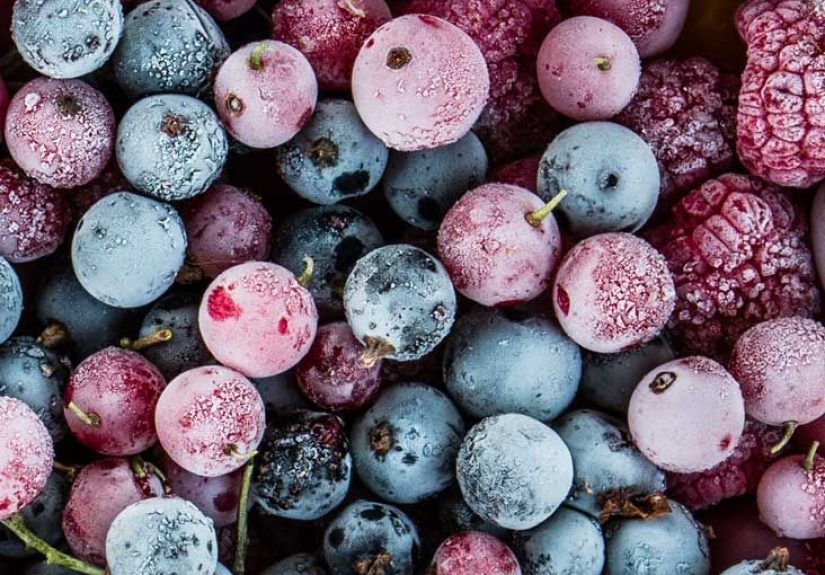
Frozen produce changes that experience. A bag of frozen blueberries can wait patiently for smoothie duty. Frozen peas can jump into pasta, soup, or rice in five minutes. Frozen broccoli can become a side dish while you are still deciding whether tonight counts as cooking. There is less pressure, less guilt, and usually less waste. That sense of flexibility matters more than many people realize, because healthy eating works better when it feels doable rather than delicate.
Fresh produce, however, brings a different kind of satisfaction. A crisp apple, a perfectly ripe peach, sliced cucumbers straight from the fridge, or strawberries at the height of the season offer a kind of freshness that frozen simply cannot copy. People often enjoy fresh produce more for snacking, sharing, entertaining, and building meals that feel colorful and alive. There is also a psychological boost to seeing a bowl of fruit on the counter or a container of washed vegetables ready to grab. It acts like a gentle nudge toward better choices.
For many households, the most successful approach is not choosing one side forever. It is learning when each option makes life easier. Fresh works beautifully for salads, lunchboxes, and in-season eating. Frozen works beautifully for backup plans, fast dinners, and months when schedules get chaotic. Some shoppers even notice that they eat more total produce when they stop insisting everything must be fresh all the time. That is not giving up. That is adapting like a smart grown-up with a freezer.
There is also the budget experience. Fresh berries in peak season can feel glorious. Fresh berries out of season can feel like a tiny luxury purchase that disappears in 24 hours. Frozen fruit often feels steadier and more economical, especially for oatmeal, yogurt bowls, baking, and smoothies. The same goes for vegetables. Frozen spinach, corn, peas, and mixed vegetables are some of the least dramatic and most useful foods in the store. They do not need applause. They just keep helping.
In the end, the lived experience of healthy eating is not about winning a debate. It is about building habits that survive real life. And in real life, both fresh and frozen fruits and vegetables have a place at the table.
Conclusion
When it comes to fresh vs frozen fruit and vegetables, the healthiest choice is not determined by temperature alone. Fresh produce can be exceptional for taste, texture, and in-season eating, while frozen produce offers impressive nutrient retention, convenience, value, and less waste. For most people, the best nutrition strategy is to use both. Fill your kitchen with the produce you will genuinely eat, keep labels simple, and stop letting perfection bully practicality. Your body benefits from fruits and vegetables in both forms, and your future self will probably appreciate a freezer that actually contains vegetables instead of mystery ice crystals.