Table of Contents >> Show >> Hide
- What Is Fluffy Boiled Frosting, Exactly?
- Ingredients You’ll Need
- Equipment Checklist
- Fluffy Boiled Frosting (Classic Seven-Minute Style)
- How to Use Fluffy Boiled Frosting Like a Pro
- Flavor Variations That Don’t Ruin the Fluff
- Troubleshooting: Saving Your Frosting (and Your Mood)
- Storage & Make-Ahead Tips
- Why This Recipe Is Worth Learning
- Real-Kitchen Experiences With Fluffy Boiled Frosting (The Extra )
If you’ve ever looked at a cake and thought, “I want the frosting to look like a cloud that pays rent,” you’re in the right place. Fluffy boiled frosting (often called seven-minute frosting) is that glossy, snow-white, marshmallowy topping that shows up in vintage cake photos looking suspiciously perfect. It’s light, billowy, and dramaticin a good way. And yes, it really can come together fast… as long as you respect one simple truth: this frosting is basically a warm, sweet science experiment that rewards attention.
Unlike American buttercream (butter + powdered sugar, a.k.a. “sweet delicious spackle”), boiled frosting is a cooked meringue-style frosting made by gently heating egg whites with sugar and then whipping until it triples in volume. The result? A frosting that tastes like vanilla marshmallow crème, spreads like a dream, and makes even a humble sheet cake feel like it owns a vintage cookbook.
What Is Fluffy Boiled Frosting, Exactly?
Fluffy boiled frosting is a classic cooked frosting where egg whites and sugar are heated together (usually over simmering water) until the sugar dissolves and the mixture is hot, then beaten until stiff, glossy peaks form. It’s called “seven-minute frosting” because the whipping time is traditionally around seven minutesgive or take, depending on your mixer, your patience, and whether the kitchen is acting like a tropical rainforest.
Texture-wise, it sits in the “marshmallow-adjacent” category: airy but stable, soft but structured. Flavor-wise, it’s sweet and vanilla-forward, with a clean, old-school charm that pairs ridiculously well with chocolate cake, yellow cake, coconut cake, and anything that could use a little fluffy drama.
Ingredients You’ll Need
This is one of those recipes where the ingredient list is short, but each item has a job. (No freeloaders.) Here’s the classic lineup:
- Egg whites (usually 2 large): The structure. The lift. The “cloud.”
- Granulated sugar (commonly 1 1/2 cups): Sweetness and stability.
- Water (about 1/4 to 1/3 cup): Helps dissolve sugar and start the syrup.
- Cream of tartar (often 1/4 to 1/2 teaspoon): Stabilizes the foam and helps prevent graininess.
- Light corn syrup (optional but helpful, 1–2 teaspoons): Extra insurance against crystallization.
- Salt (a pinch): Keeps sweetness from yelling at your taste buds.
- Vanilla extract: The classic finish line.
Why Cream of Tartar (and Sometimes Corn Syrup) Matters
Cream of tartar is an acid that helps egg whites whip up with more stability. Think of it as a tiny bouncer making sure your air bubbles don’t leave the party early. A small amount of corn syrup can also help prevent sugar crystals from forming, which means a smoother, glossier frostingespecially if you live somewhere humid.
Equipment Checklist
- Heatproof mixing bowl (stainless steel works great)
- Saucepan to create a double boiler
- Hand mixer or stand mixer (hand mixer is traditional; stand mixer is easier on your arms)
- Whisk for the first minute
- Thermometer (optional, but great for confidence)
Fluffy Boiled Frosting (Classic Seven-Minute Style)
Yield & Timing
- Makes: Enough to frost a 9×13 cake or a two-layer 8–9 inch cake (or generously top 12 cupcakes)
- Active time: About 10–12 minutes
- Best used: Immediately after whipping
Step-by-Step Instructions
- Set up your double boiler. Add a few inches of water to a saucepan and bring it to a simmer. You want steady steam, not a rolling, aggressive boil that looks like it’s auditioning for a disaster movie. Make sure your bowl will sit above the water without touching it.
- Combine the base ingredients. In the heatproof bowl, whisk together egg whites, granulated sugar, water, cream of tartar, and a pinch of salt (and corn syrup, if using). Whisk until it looks evenly mixedno dry sugar pockets.
- Heat gently while whisking. Place the bowl over the simmering water. Whisk constantly for 1–2 minutes until the mixture is warm and the sugar begins dissolving. If you rub a tiny bit between your fingers (carefullywarm!), it should feel smoother, not gritty.
- Whip until glossy peaks form. Switch to a hand mixer (or transfer to a stand mixer if you started in its heatproof bowl). Beat on high speed around 5–7 minutes, until the frosting becomes bright white, thick, and glossy. You’re looking for stiff peaks: lift the beaters and the frosting should stand tall with a slightly curved tiplike it’s waving hello.
- Finish with vanilla. Remove from heat and beat in vanilla extract for about 10–20 seconds. The frosting should feel light, silky, and spreadable.
- Frost your cooled cake immediately. This frosting sets up as it sits. Translation: don’t wander off and start reorganizing your spice drawer. Spread it on right away, make swoops, peaks, and swirls, and enjoy your pastry-era moment.
Optional Temperature Cue (for the “I Like Receipts” Baker)
Many bakers heat the egg white mixture until it’s hot and the sugar is dissolved before whipping; a thermometer reading in the neighborhood of 160°F to 175°F can be a helpful guide. If you don’t have a thermometer, focus on fully dissolving the sugar and warming the mixture thoroughly before you go full-speed with the mixer.
How to Use Fluffy Boiled Frosting Like a Pro
Best Cakes for This Frosting
- Devil’s food or any deep chocolate cake: The contrast is iconic.
- Yellow or vanilla layer cake: Classic birthday energy, but elevated.
- Coconut cake: Fold in coconut or shower it on top.
- Angel food cake: Light-on-light perfection.
Make It Look Fancy (Without Actually Working Hard)
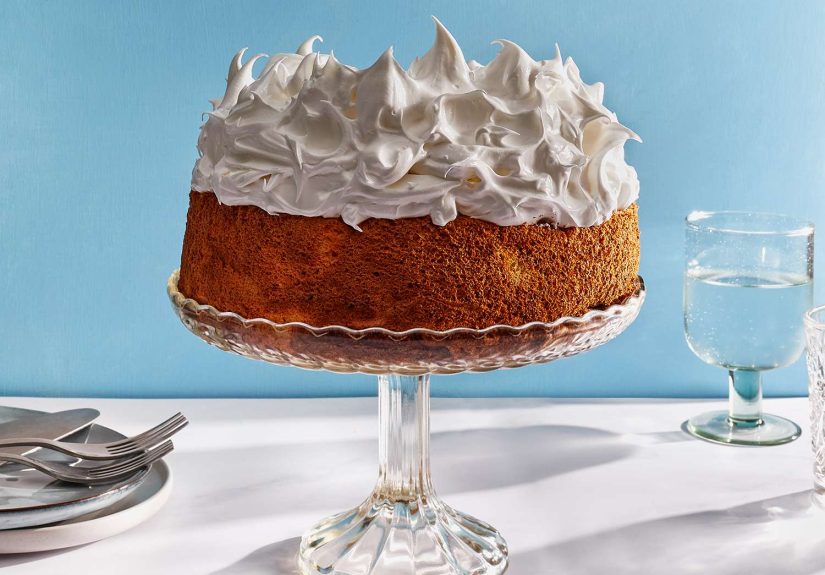
This frosting is naturally photogenic. Use the back of a spoon to make big swoops and peaks. Want a “toasted marshmallow” vibe? Pile on extra peaks and lightly brown them with a kitchen torch. Suddenly your cake looks like it has a PR team.
Flavor Variations That Don’t Ruin the Fluff
Chocolate Swirl
Melt a few ounces of chocolate and cool it until just barely warm. Gently fold it in at the end for a soft mocha color and a subtle chocolate flavor. Don’t dump hot chocolate into your frosting unless you enjoy emotional turbulence.
Citrus Pop
Add a little lemon or orange zest with the vanilla. Keep it lightzest gives aroma without watering down the structure.
Peppermint or Almond
Swap vanilla for peppermint or almond extract (go easyboth can turn “pleasant” into “perfume aisle” in about half a teaspoon).
Brown Sugar “Caramel-Kissed” Version
Some versions use brown sugar for a deeper flavor and warmer color. The vibe shifts from “snow cloud” to “toasty sweater,” and it’s excellent on spice cake or banana cake.
Troubleshooting: Saving Your Frosting (and Your Mood)
Problem: It’s Grainy
Usually, the sugar didn’t fully dissolve. Fix it by returning the bowl to gentle heat and whisking until smooth, then whipping again. For next time: keep the heat steady and give the sugar a minute to melt before expecting miracles.
Problem: It Won’t Get Fluffy
Common causes: grease in the bowl, yolk contamination, or not enough whipping time. Egg whites are extremely dramatic about fatone tiny smear of grease can make them refuse to cooperate. Use a very clean bowl, clean beaters, and separate eggs carefully.
Problem: It Weeps or Looks Wet/Shiny in Patches
High humidity and temperature swings can cause boiled frosting to soften or “weep.” If your kitchen air feels like soup, the frosting may take longer to whip and may not hold as long once spread. On sticky days, consider running the A/C, working quickly, and lightly covering the finished cake rather than sealing it airtight.
Problem: It Looks Dull Instead of Glossy
It may be under-whipped. Keep beating until the frosting turns bright white and holds stiff peaks. Glossiness is your sign that the structure is stable and the air bubbles are doing their job.
Storage & Make-Ahead Tips
Fluffy boiled frosting is at its best the day you make itfreshly whipped, piled high, and living its best life. A frosted cake can usually sit at cool room temperature for a while, loosely covered (think cake dome or an inverted bowl). Refrigeration can introduce humidity, which sometimes softens the frosting’s structure. If you must chill the cake (hello, summer), keep it lightly covered and expect the frosting to lose a bit of peak definition.
Leftover frosting can be re-whipped briefly, but it won’t always return to its original cloud-level glory. This is not a failure. It’s just frosting being honest about its boundaries.
Why This Recipe Is Worth Learning
Boiled frosting is the rare recipe that feels both old-fashioned and oddly modern: minimal ingredients, big payoff, and a texture you can’t fake with a tub from the store. Once you nail the technique, you’ve got a go-to frosting that turns simple cakes into showpiecesand makes people ask, “Wait, did you make this?” (You can say yes with a mysterious smile. Highly recommended.)
Real-Kitchen Experiences With Fluffy Boiled Frosting (The Extra )
The first time most people make fluffy boiled frosting, they learn two things quickly: (1) it’s easier than it looks, and (2) it absolutely knows when you’re multitasking. I’ve seen more than one baker start this recipe with confidence, then wander off to answer a text, only to return to a frosting that’s halfway set in the bowl like it just got bored waiting. The best “experience-based” tip I can give is simple: treat this like a short, focused workout. Seven minutes of attention now equals a cake that looks like it belongs in a bakery window later.
Another real-life lesson: weather matters. On dry days, the frosting whips up fast and holds its peaks like it’s posing for a magazine cover. On humid days, it can feel like the frosting is taking the scenic route to stiff peaks. If you’ve ever tried to whip egg whites during a thunderstorm, you know the vibe. The fix isn’t panicit’s strategy. Start with a squeaky-clean bowl, give the sugar enough time to dissolve, and keep whipping until the frosting turns glossy and thick. Sometimes it takes a minute longer than the name suggests, and that’s fine. Seven-minute frosting is more of a concept than a strict appointment.
I also love this frosting for “visual impact desserts” when you want maximum drama with minimal decorating skills. Spoon swoops hide a multitude of sins. Uneven cake layers? Frosting swoops. A cracked top? Frosting swoops. You accidentally baked the cake a hair too long and it’s a little dry? Frosting swoops and maybe a thin layer of jam under the frosting (sneaky and delicious). This is one of those rare toppings that forgives the cake and flatters it at the same time.
One of my favorite specific examples: a simple chocolate sheet cake topped with a thick layer of fluffy boiled frosting, then toasted lightly with a kitchen torch until the peaks turn golden. It tastes like a s’more that grew up, got a job, and started wearing nice shoes. Another: a two-layer yellow cake with strawberry slices in the middle and boiled frosting on toplight, nostalgic, and not so heavy that you need a post-cake nap (unless you want one, which is valid).
Finally, the “people reaction” factor is real. Guests don’t just eat this frostingthey comment on it. Someone will ask if it’s marshmallow. Someone else will say it tastes like childhood. And one person (there’s always one) will poke it gently with a fork like they’re testing whether it’s edible cloud material. That’s when you know you nailed it: the frosting is fluffy enough to spark curiosity, stable enough to hold its shape, and delicious enough that nobody cares you were sweating over a saucepan like a contestant on a baking show.