Table of Contents >> Show >> Hide
External Cephalic Version (ECV) is a medical procedure used to turn a breech baby to a head-down position before labor begins. A breech pregnancy, where the baby is positioned feet-first or buttocks-first instead of head-first, can pose challenges during delivery. ECV offers an alternative to a cesarean section and may help improve the chances of a safe vaginal birth. However, like any medical procedure, it comes with risks and considerations.
What is External Cephalic Version (ECV)?
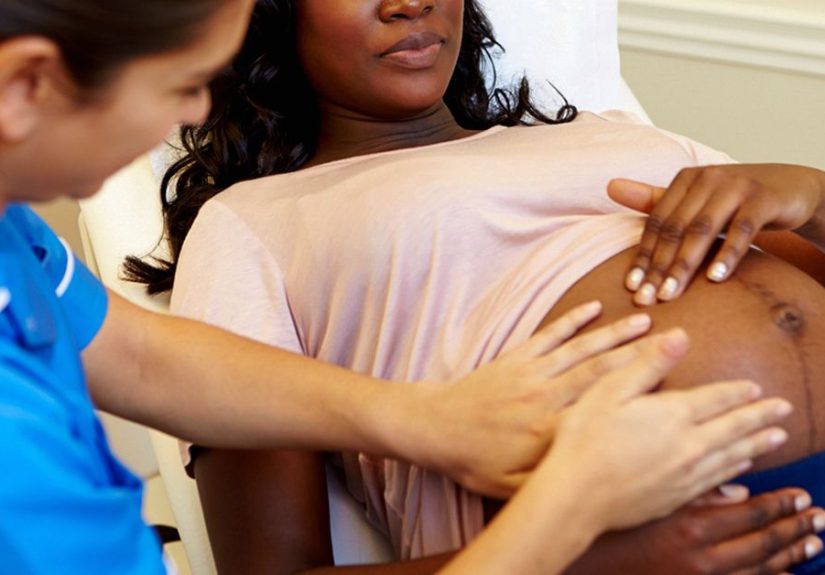
External Cephalic Version (ECV) is a technique performed by an obstetrician or trained healthcare provider to manually rotate a breech baby from a non-head-down position to the head-down position. The goal is to facilitate a safer vaginal birth, as babies in the breech position may face complications during delivery, such as cord prolapse or birth injury. The procedure involves the application of gentle pressure on the mother’s abdomen, aiming to manipulate the baby into the ideal position for birth.
Why Is ECV Done?
ECV is typically recommended for women with a breech baby after 36 weeks of pregnancy, as it increases the likelihood of vaginal birth. Breech presentations are estimated to occur in 3-4% of full-term pregnancies, and doctors may consider ECV when a vaginal birth is desired or when the risks of cesarean delivery outweigh the benefits. Successful turning of the baby can save the mother from the risks and recovery time associated with a C-section.
The ECV Procedure
The procedure for External Cephalic Version is typically performed in a hospital or medical setting. The following steps outline the standard ECV process:
- Preparation: The patient is monitored to ensure the baby’s heart rate is stable, and an ultrasound may be done to confirm the baby’s position and the amount of amniotic fluid around the baby. The doctor will also assess the condition of the placenta, the baby’s size, and the mother’s health.
- Procedure: The doctor applies firm, but controlled pressure on the abdomen, attempting to turn the baby in a circular motion. The procedure may take anywhere from 5 to 10 minutes.
- Monitoring: After the procedure, the mother and baby are carefully monitored to ensure no complications arise, such as changes in fetal heart rate or premature rupture of membranes.
Risks and Complications of ECV
While ECV is generally considered safe, it does come with some risks. The decision to attempt ECV depends on individual circumstances and the assessment of risks versus benefits. Some potential risks include:
- Preterm labor: ECV can occasionally trigger premature labor, especially if the procedure is done too early or if there are complications.
- Placental abruption: In rare cases, the pressure applied during the procedure can cause the placenta to detach from the uterine wall, which can be dangerous for both mother and baby.
- Fetal distress: The baby may experience changes in heart rate or other signs of distress during the procedure. Continuous monitoring ensures the baby is safe.
- Cord prolapse: If the umbilical cord slips ahead of the baby during the procedure, it can lead to a dangerous drop in oxygen supply to the baby.
When Is ECV Performed?
ECV is most commonly done between 36 and 38 weeks of pregnancy. At this stage, the baby has enough room in the uterus to rotate but is still early enough to avoid the risks of labor starting prematurely. Ideally, ECV should be done in a hospital setting where there are trained professionals and access to emergency care if needed.
Labor After ECV
If the procedure is successful, many women go on to have a vaginal birth. However, there is still a small chance that the baby may turn back to a breech position before labor begins. In such cases, a cesarean section may still be necessary. If labor begins after the successful completion of ECV, it is typically monitored closely to ensure that no complications arise during delivery.
Alternatives to ECV
If ECV is not successful or deemed unsafe, there are other alternatives to consider. These options include:
- Breech Vaginal Delivery: Some hospitals and doctors are willing to support vaginal delivery of breech babies if the baby is in a favorable position (e.g., frank breech or footling breech). However, this option depends on the experience and expertise of the medical team.
- Cesarean Section: If ECV is not an option or is unsuccessful, a cesarean section may be recommended for safety reasons, especially if the breech position poses risks to the baby.
Factors That Affect the Success of ECV
The success of ECV depends on several factors:
- Amount of amniotic fluid: Adequate amniotic fluid allows the baby more room to move, improving the chances of a successful turn.
- Position of the placenta: If the placenta is positioned low in the uterus (placenta previa), ECV is typically not attempted.
- Baby’s size: Larger babies may be harder to turn than smaller ones, and success rates decrease with fetal size.
- Number of pregnancies: Women who have had multiple pregnancies may find it harder to achieve a successful ECV due to uterine tone and previous scarring.
Experiences with External Cephalic Version
Many women who undergo ECV report mixed feelings about the procedure. While some find it uncomfortable, others note that the procedure can be less painful than anticipated. Here are a few experiences shared by women who have had ECV:
Positive Experiences
Some mothers feel relief and joy when the procedure works, and they avoid the need for a cesarean section. One mother shared, “I was initially nervous about the procedure, but once it was done, I felt so much more confident about my upcoming delivery. My baby was head-down, and I could move forward with my birth plan.”
Challenging Experiences
However, not everyone has a smooth experience. Some women report that the procedure was painful or emotionally stressful, especially if the baby does not turn as expected. Another mother explained, “The procedure was very uncomfortable, and the stress of worrying about my baby’s safety made it harder to relax. Unfortunately, the ECV didn’t work for me, and I had to have a C-section anyway.”
Aftercare and Monitoring
After the procedure, most women are advised to stay in the hospital for monitoring to ensure the baby’s heart rate remains stable. Even if the procedure is successful, some mothers report feeling anxious about labor, knowing that there could still be unexpected twists, such as the baby turning back or complications during delivery. Continuous communication with the healthcare team can ease these concerns and provide reassurance throughout the process.
Conclusion
External Cephalic Version (ECV) offers many women the chance to avoid a cesarean section and proceed with a vaginal birth, but it’s important to consider the risks and benefits. The procedure’s success depends on various factors, including the baby’s position, the amount of amniotic fluid, and the mother’s overall health. If ECV is unsuccessful or unsafe, alternative options such as breech vaginal delivery or cesarean section may be necessary. Discussing the procedure with your healthcare provider can help ensure that you make an informed decision that’s best for both you and your baby.
sapo: External Cephalic Version (ECV) is a procedure to turn a breech baby to a head-down position, offering a safer path for vaginal delivery. Learn about the procedure, risks, and labor impact in this detailed guide.