Table of Contents >> Show >> Hide
- First, what is a “blind pimple”?
- The 6 best ways to treat blind pimples (without making things worse)
- 1) Use a warm compress to relax the pore and reduce tenderness
- 2) Spot-treat with benzoyl peroxide (BPO) for bacteria and inflammation
- 3) Use a topical retinoid (adapalene) at night to normalize the pore
- 4) Add a salicylic acid or azelaic acid helper
- 5) Don’t popuse hydrocolloid patches strategically
- 6) For stubborn, painful lumpssee a dermatologist for rapid relief
- Build a routine that prevents the next blind pimple
- What to avoid (for the sake of your face and your sanity)
- Sample routines you can start tonight
- FAQs
- Safety notes
- Real-world experiences & practical tips ()
- Conclusion
Also known as “blind pimples,” these under-the-skin bumps hurt like a tiny drum solo and seem to last forever. The good news: you can calm them, shrink them, and prevent the encorewith smart, dermatologist-aligned steps that won’t wreck your skin barrier.
First, what is a “blind pimple”?
A blind pimple is a deep, inflamed acne lesion (often a nodule or early cyst) that forms beneath the skin’s surface. There’s no visible “whitehead,” but there’s pain, swelling, and tenderness. Because these lesions sit deeper in the follicle, squeezing usually backfirespushing inflammation further down and raising the risk of scarring.
The 6 best ways to treat blind pimples (without making things worse)
1) Use a warm compress to relax the pore and reduce tenderness
Warmth encourages microcirculation and helps soften trapped oil and debris. Soak a clean washcloth in warm (not hot) water and apply for 5–10 minutes, two to three times per day. Follow with your spot treatment (see below). Repeat for several days as needed.
- How to do it right: Keep the compress comfortably warm; re-wet as it cools. Pat drydon’t rub.
- Pairing tip: After the compress, apply a benzoyl peroxide or adapalene spot to target inflammation where it starts.
2) Spot-treat with benzoyl peroxide (BPO) for bacteria and inflammation
Benzoyl peroxide reduces acne-causing bacteria and has anti-inflammatory benefitsuseful even when the lesion sits deeper. Start with 2.5% to 5% as a thin film once daily; increase to twice daily only if your skin tolerates it.
- Form matters: Leave-on gels and creams work best for targeted treatment. Cleansers with BPO can support an overall routine but won’t replace a leave-on spot for a deep bump.
- Don’t mix recklessly: If you’re also using a retinoid, apply BPO in the morning and the retinoid at night to cut down irritation.
3) Use a topical retinoid (adapalene) at night to normalize the pore
Retinoids normalize keratinization (the way skin cells shed) and help prevent microcomedones, the earliest acne “seeds.” Adapalene 0.1% is available over the counter and is gentle enough for many beginners.
- How to start: Apply a pea-size amount to the entire acne-prone area nightly (not just spots), after a bland moisturizer if you’re sensitive.
- Expectations: You’re playing the long game. You may not see full benefits for 8–12 weeks, but adapalene helps future blind pimples never form.
4) Add a salicylic acid or azelaic acid helper
Salicylic acid (0.5%–2%) penetrates into the pore to help dissolve sebum and compacted cells. Azelaic acid (10%–15% OTC, higher by prescription) calms inflammation, brightens post-blemish marks, and has mild anti-bacterial properties.
- Best uses: Salicylic acid as a daily leave-on or short contact mask; azelaic acid as a gentle, complexion-evening layer.
- Stacking wisely: If irritation pops up, rotate days rather than piling everything on at once.
5) Don’t popuse hydrocolloid patches strategically
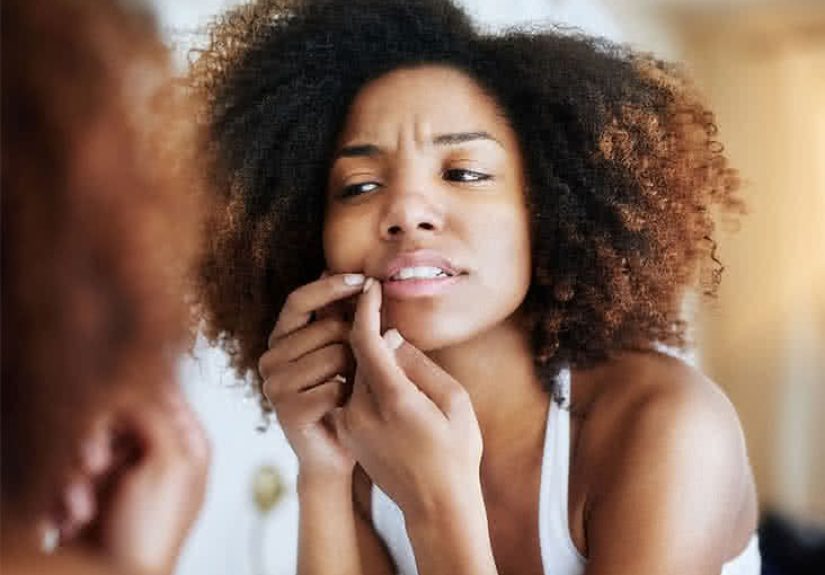
Picking a blind pimple is like trying to open a locked door by kicking it: you’ll damage the frame and still won’t get in. If the lesion eventually comes to a head (after a few days of warm compresses), hydrocolloid patches can protect, absorb exudate, and keep your fingers off the area.
- When they help: Patches are most useful once there’s surface fluid. On true deep, unopened nodules, they mainly serve as a “no-touch” reminder.
- Upgrade move: Use a thin benzoyl peroxide layer, let it dry, then apply a patch. Replace every 12–24 hours.
6) For stubborn, painful lumpssee a dermatologist for rapid relief
If a blind pimple is large, painful, or lingering, professional options work fast and reduce scarring risk:
- Intralesional corticosteroid injection: A tiny amount of triamcinolone into the lesion can shrink it dramatically within 24–48 hours.
- Short courses of oral therapy: For recurrent deep acne, a dermatologist may use oral antibiotics (e.g., doxycycline) combined with topical agents; hormonal therapy (e.g., spironolactone or specific combined oral contraceptives) for hormonally driven acne; or isotretinoin for severe, scarring cases.
Rule of thumb: If pain is severe, lesions are frequent, or you see scars or dark marks piling up, get expert help early.
Build a routine that prevents the next blind pimple
- Cleanse smart, not harsh: Use a gentle, low-fragrance cleanser twice daily; add a benzoyl peroxide wash for the body or for oilier skin types.
- Moisturize anyway: Non-comedogenic gel-creams buffer irritation from actives and help your barrier stay calm.
- Sun protection, daily: Inflammation plus UV equals lingering hyperpigmentation. Choose a lightweight, non-comedogenic SPF 30+.
- Watch friction and occlusion: Tight hats, chin straps, and long mask wear can aggravate folliclescleanse after sweating and swap to breathable fabrics.
- Makeup and hair care count: “Non-comedogenic” and “oil-free” labels help; cleanse along the hairline; avoid heavy pomades on acne-prone skin.
What to avoid (for the sake of your face and your sanity)
- DIY extractions: Squeezing can rupture the follicle wall and spread inflammation.
- Layering too many actives at once: Benzoyl peroxide, retinoids, and strong acids can all be helpful, but over-stacking irritatesand irritated skin breaks out more.
- Alcohol-heavy spot treatments: They sting, strip, and rarely help deep lesions.
- Immediate expectations: Deep acne heals slowly. Measure progress week by week, not hour by hour.
Sample routines you can start tonight
Minimalist routine (sensitive or retinoid-new)
- AM: Gentle cleanse → non-comedogenic moisturizer → SPF 30+.
- PM: Cleanse → adapalene 0.1% (pea-size to entire acne-prone area) → moisturizer.
- Spot care: Benzoyl peroxide 2.5% once daily on the bump; warm compress 1–2×/day.
Balanced routine (oilier skin)
- AM: BPO cleanser → lightweight moisturizer → SPF 30+.
- PM: Cleanse → adapalene 0.1% → azelaic acid 10% on marks (optional) → moisturizer.
- Spot care: Salicylic acid 2% gel in the morning; BPO at night on the lesion.
When to escalate
If you’ve used consistent topical therapy for 8–12 weeks and still get frequent deep, painful lesionsor you see scarringbook a dermatology visit to discuss injections, oral therapies, or isotretinoin.
FAQs
Can ice help?
Yesbrief icing (wrapped ice, 1–2 minutes on/1–2 off for 10 minutes total) can reduce pain and swelling. Use it as a comfort measure alongside the warm-compress/active-treatment plan.
Do blind pimples ever need antibiotics?
Sometimes. Dermatologists use short courses of oral antibiotics for inflammatory acne, almost always paired with benzoyl peroxide and a retinoid to prevent resistance and maintain results. They aren’t a solo, long-term fix.
Are pimple patches a cure?
They shine once there’s surface fluid and you need a protective “do-not-touch” cover. On true deep nodules, think of them as a behavioral toolnot a magic eraser.
Safety notes
- Stop and get care if you notice rapidly worsening redness, warmth, or pus that suggests infection.
- Pregnant or trying to conceive? Skip retinoids and certain oral meds; ask a clinician for pregnancy-safe options.
- Dark-skin tones: prioritize daily sunscreen and gentle actives to minimize post-inflammatory hyperpigmentation.
Real-world experiences & practical tips ()
People who deal with blind pimples tend to become routine pros. One pattern comes up again and again: the winning combo is consistency + simplicity. For example, Mariah, a spin-instructor who sweats daily under a helmet, kept getting painful chin nodules. Her breakthrough wasn’t a trendy serumit was washing immediately after class with a gentle cleanser, switching to a non-comedogenic sunscreen, and adding a nightly pea-size of adapalene. She still gets the occasional deep bump during her cycle, but it’s smaller and resolves in days rather than weeks.
Another story: David loved “blasting” bumps with every strong product he owned. The result? A compromised barrier, stinging, and breakouts that stuck around. When he pared down to a benzoyl peroxide spot in the morning and adapalene at nightwith moisturizer before the retinoid for the first monthhis skin calmed. He learned to use warm compresses for 5–10 minutes whenever he felt a tender spot brewing, then iced briefly before bed for comfort. That tiny ritual reduced the “throbbing” feeling and curbed the urge to pick.
Many people underestimate friction and occlusion. Baseball caps, violin chin rests, mask straps, even a favorite hoodie can create pressure points that line up eerily with recurrent blind pimples. A simple tweakloosening straps, rotating hats, cleansing after wearoften cuts the frequency in half. Hair products are another sneaky trigger. If your forehead or temples are trouble spots, try applying oils and pomades from mid-shaft down and keep them away from the hairline; switch to lighter leave-ins and clean the skin along the hairline at night.
Hydrocolloid patches have a place, but timing matters. If you slap one on a deep, unopened lump, you’ll probably be disappointed. People report the best results after a lesion softens with warm compresses or shows a tiny openingthen the patch prevents rubbing on the pillow and stops “absent-minded” touching. Bonus: they make it harder to pick during stressful Zoom calls.
If you’re a data person, track flare patterns. Many see deeper lesions peak the week before a period or after long travel days with disrupted sleep. That’s your cue to be proactive: keep the routine on rails, pre-place your skincare in your travel kit, and consider a brief “intensive calm” window (adapalene nightly, BPO spot, moisturizer sandwich). If you’re on a consistent routine for two months and still getting painful lumps, don’t white-knuckle itask for professional help. A single intralesional corticosteroid shot can deflate a monster zit before a big event, and a tailored plan (oral meds, hormonal options, or isotretinoin) can stop the cycle entirely.
Finally, be kind to your skin. Blind pimples are frustrating, but aggression backfires. Gentle cleansing, smart actives, sunscreen, and patience beat scorched-earth tactics every time. Celebrate the small wins: less pain, fewer flare-ups, faster recovery. That’s real progress.
Conclusion
Blind pimples feel deep and dramatic, but your approach doesn’t have to be. Lead with warm compresses, benzoyl peroxide, and a nightly retinoid, keep salicylic/azelaic as helpers, save hydrocolloid patches for when there’s surface fluid, and call in a pro for injections or oral therapies when needed. Steady, gentle care wins.
sapo: Blind pimples are those painful, under-the-skin bumps with no headhard to ignore and even harder to pop (don’t!). This guide breaks down six proven, dermatologist-aligned strategies to treat them fast and prevent the next flare: warm compresses, benzoyl peroxide, retinoids, salicylic/azelaic helpers, smart use of hydrocolloid patches, and pro-level options like corticosteroid injections and short courses of oral therapy. Plus, real-world routines and timing tips you can start tonight.