Table of Contents >> Show >> Hide
- Quick Definition: What’s the Difference?
- Endoscopy vs. Colonoscopy at a Glance
- What Exactly Is an “Endoscopy”?
- What Is a Colonoscopy?
- Similarities: How Endoscopy and Colonoscopy Are Alike
- Differences: Endoscopy vs. Colonoscopy in Real Life
- Which One Do You Need?
- Questions People Google at 2 a.m.
- Conclusion: Endoscopy vs. ColonoscopySame Tool, Different Destination
- Patient Experiences: What It’s Really Like (The Human Side)
If “endoscopy” and “colonoscopy” sound like two words designed to make you postpone calling your doctor, you’re not alone.
The good news: these procedures are common, usually quick, andthanks to sedationoften remembered about as clearly as a nap on a moving train.
The even better news: they can answer big questions about what’s going on in your digestive tract and sometimes fix problems on the spot.
In this guide, we’ll break down the differences and similarities between endoscopy vs. colonoscopy in plain English:
what each one looks at, why your clinician might order it, how to prepare, what recovery feels like, and how to think about risks.
(Spoiler: “endoscopy” is a big umbrella term, and colonoscopy is actually a type of endoscopy.)
Medical note: This article is for general education and isn’t personal medical advice. Always follow your clinician’s instructionsespecially for prep, medications, and timing.
Quick Definition: What’s the Difference?
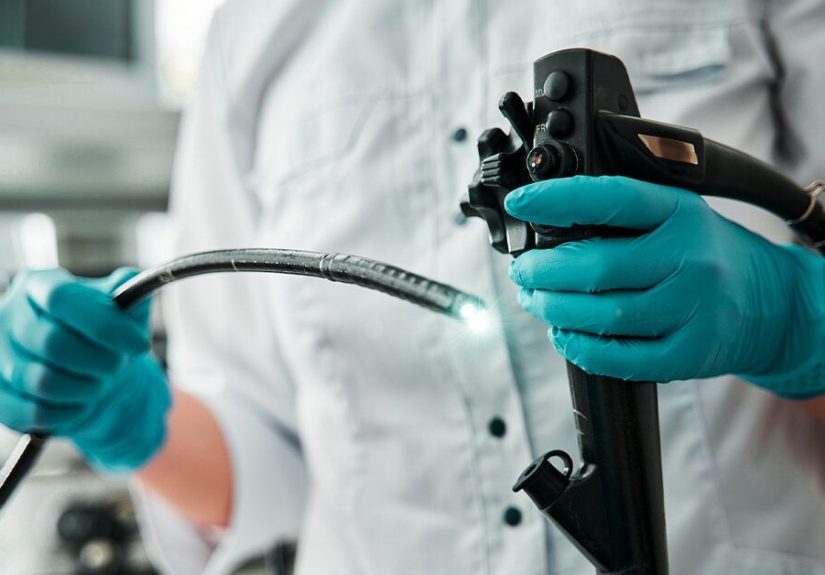
Endoscopy simply means using a flexible camera (an endoscope) to look inside the body.
In everyday conversation, people often mean upper endoscopy (also called EGD), which examines the upper digestive tract.
Colonoscopy uses a similar camera (a colonoscope) to examine the large intestine (colon) and rectum.
It’s commonly used for colorectal cancer screening, investigating symptoms, and removing polyps.
Endoscopy vs. Colonoscopy at a Glance
| Feature | Upper Endoscopy (EGD) | Colonoscopy |
|---|---|---|
| What it examines | Esophagus, stomach, and duodenum (first part of small intestine) | Rectum and entire colon (large intestine); sometimes the end of the small intestine |
| Scope entry | Mouth (down the throat) | Rectum |
| Common reasons | Heartburn/reflux, trouble swallowing, upper abdominal pain, anemia/bleeding, nausea/vomiting | Screening, blood in stool, diarrhea/constipation changes, anemia, abdominal pain, polyp surveillance |
| Preparation | Fasting for several hours; medication instructions may vary | Bowel prep + clear-liquid diet and laxatives; often split-dose timing |
| Sedation | Often moderate sedation or deeper anesthesia; sometimes throat numbing | Typically IV sedation/anesthesia; you’ll need a ride home |
| Can treat problems too? | Yes: biopsies, treat bleeding, remove certain lesions, dilate narrowed areas | Yes: remove polyps, biopsy, treat bleeding, sometimes minor procedures |
What Exactly Is an “Endoscopy”?
Endoscopy isn’t one single testit’s a whole category.
Any procedure that uses an endoscope (a thin, lighted camera) to look inside your body can be called an endoscopy.
When most people say “I’m getting an endoscopy,” they usually mean upper GI endoscopy (EGD).
Upper Endoscopy (EGD): What It Looks At
Upper endoscopy examines the “top half” of the GI tract: the esophagus (food tube),
the stomach, and the duodenum (the first segment of the small intestine).
It’s one of the most direct ways to evaluate inflammation, ulcers, bleeding, narrowing, and certain growths.
Why an Upper Endoscopy Might Be Recommended
- Persistent heartburn or reflux symptoms that don’t improve with treatment
- Difficulty swallowing or painful swallowing
- Unexplained upper abdominal pain or chest discomfort (after heart causes are considered)
- Nausea/vomiting that won’t quit
- Signs of upper GI bleeding (like black stools) or unexplained anemia
What Happens During an Upper Endoscopy?
In most outpatient settings, you’ll get sedation through an IV.
Some centers also use a throat-numbing spray to reduce gag reflex.
The scope passes through the mouth and down into the upper GI tract while the care team monitors breathing and vital signs.
If needed, the clinician can take biopsies (tiny tissue samples) to check for inflammation, infection, or other causes.
What Is a Colonoscopy?
A colonoscopy examines the inside lining of the rectum and colon.
It’s used to investigate symptoms (like bleeding or chronic diarrhea) and to detect and remove polypsgrowths that can sometimes become cancer over time.
Why a Colonoscopy Might Be Recommended
- Colorectal cancer screening (especially at age-appropriate intervals)
- Blood in stool, unexplained anemia, or iron deficiency
- Ongoing diarrhea, constipation, or major changes in bowel habits
- Follow-up after abnormal stool tests or imaging
- Monitoring conditions such as inflammatory bowel disease (IBD)
- Surveillance after polyps have been found and removed
What Happens During a Colonoscopy?
You’ll lie on your side while the clinician gently advances a flexible scope through the rectum and around the colon.
The colon is typically inflated with air or carbon dioxide for a clearer view (which explains some of the post-procedure gas).
If polyps are found, they can often be removed during the same procedure, and tissue can be sent to pathology for analysis.
Similarities: How Endoscopy and Colonoscopy Are Alike
Different entry points, same general concept: a camera on a flexible tube helps your clinician see what’s going on inside your digestive tract.
Here’s what these tests typically have in common:
1) Both Can Diagnose and Sometimes Treat
These aren’t just “look-only” tests. Both procedures can involve biopsies,
and both can be used to treat certain issues (like stopping bleeding or removing abnormal tissue).
Colonoscopy is especially known for polyp removal, which is a key prevention tool.
2) Both Are Usually Outpatient Procedures
Most people go home the same day.
Because sedation is common, you’ll usually need someone else to drive you home and you’ll be advised to take it easy afterward.
3) Both Have Similar “Big Picture” Risks (But They’re Uncommon)
Any procedure that uses a scope can carry small risks such as bleeding (especially if tissue is removed),
perforation (a tear), and reactions to sedation/anesthesia.
Your individual risk depends on factors like age, medical conditions, and whether additional treatments are performed during the exam.
Differences: Endoscopy vs. Colonoscopy in Real Life
1) The Body Area Being Examined
The biggest difference is geography:
upper endoscopy (EGD) evaluates the upper GI tract,
while colonoscopy evaluates the lower GI tract (colon and rectum).
Symptoms often guide which test is most useful.
For example, chronic reflux and trouble swallowing point upward; blood in stool or major bowel habit changes point downward.
2) Preparation: Fasting vs. Full Bowel Prep
Preparation is where most people feel the difference.
For an upper endoscopy, prep commonly involves fasting for several hours beforehand.
For colonoscopy, the colon needs to be cleared so the lining can be seen well.
That typically means a clear-liquid day and a laxative regimen.
Many GI groups recommend split-dose bowel preptaking part the night before and part the morning of the procedurebecause it can improve cleanliness and visibility.
(Translation: better prep = fewer “we couldn’t see well, let’s repeat this” conversations.)
3) Sedation and Comfort
Both procedures commonly use IV sedation.
Upper endoscopy may also include throat numbing; colonoscopy may include deeper sedation depending on the practice setting.
Either way, you’ll likely be told not to drive, work hazardous jobs, or make big decisions until sedation fully wears off.
Yes, that includes “I’m going to reorganize my entire financial life at 3 p.m.” after your proceduresave it for tomorrow.
4) Typical Recovery Sensations
- After upper endoscopy: some people have a mild sore throat, temporary bloating, or nausea.
- After colonoscopy: gas, cramping, or bloating is common due to air/CO₂ used during the exam.
Most people return to normal activities within about a day, but your clinician’s guidance wins over any general rule.
If polyps were removed, you may get special instructions about diet, medications, and activity.
5) “Screening” Is a Bigger Theme for Colonoscopy
While upper endoscopy is usually prompted by symptoms or known conditions, colonoscopy is widely used for
routine colorectal cancer screening.
Many U.S. recommendations support screening beginning at age 45 for average-risk adults,
with follow-up intervals depending on the test type and results.
Colonoscopy is also commonly used as a follow-up if another screening test is abnormal.
Which One Do You Need?
The choice usually comes down to symptoms, risk factors, and your clinician’s clinical judgment.
Here’s a practical way to think about it:
When Upper Endoscopy (EGD) Is Often Considered
- Long-standing reflux symptoms with alarm features (like swallowing difficulty or bleeding signs)
- Upper abdominal pain that’s persistent or concerning
- Unexplained nausea/vomiting
- Suspected ulcers, inflammation, or upper GI bleeding
When Colonoscopy Is Often Considered
- Routine screening based on age and risk
- Blood in stool or black/tarry stools (urgent evaluation may be needed)
- Unexplained anemia or iron deficiency
- Chronic diarrhea, constipation, or major bowel habit changes
- Follow-up after polyps or certain abnormal tests
Can You Have Both on the Same Day?
Sometimes, yesespecially if symptoms or lab findings suggest problems in both upper and lower GI tracts.
Combining procedures can mean one round of sedation and one recovery period.
Whether it’s appropriate depends on your medical history, facility practices, and clinician recommendation.
Questions People Google at 2 a.m.
Is colonoscopy “more serious” than endoscopy?
Not exactly. They examine different parts of the body, with different prep demands.
Colonoscopy can involve polyp removal more frequently, which can slightly change aftercare instructions.
But both are routine procedures in many outpatient centers and both have low complication rates overall.
Will I be awake?
Many people are sleepy or don’t remember much due to sedation.
Sedation type varies by patient needs, local practice, and procedure complexity.
Ask your clinician what level of sedation is typical where you’re scheduled.
What if the results are normal but symptoms continue?
A normal scope exam can be reassuring, but it doesn’t always end the investigation.
Some problems don’t show clearly on scope or may require other tests (labs, imaging, breath tests, motility studies).
If symptoms persist, follow updon’t just “white-knuckle” it.
When should I call my clinician after the procedure?
Get urgent medical attention for severe abdominal pain, repeated vomiting, fainting, heavy bleeding,
fever, or worsening symptoms after an endoscopy or colonoscopy. Your discharge instructions should outline what’s “expected” vs. “call us now.”
Conclusion: Endoscopy vs. ColonoscopySame Tool, Different Destination
If you remember only one thing, make it this:
colonoscopy is a type of endoscopy, and the main difference is which part of your digestive tract your clinician needs to examine.
Upper endoscopy focuses on the esophagus, stomach, and duodenumoften for reflux, swallowing trouble, pain, or bleeding.
Colonoscopy focuses on the colon and rectumoften for colorectal cancer screening, bleeding, bowel habit changes, and polyp removal.
Both are commonly done as outpatient procedures with sedation, both can include biopsies, and both can be used to treat certain findings.
The prep (especially for colonoscopy) is usually the hardest part, but it directly affects how useful your exam will be.
If you’re nervous, ask your care team what to expectknowing the plan helps more than doom-scrolling ever will.
Patient Experiences: What It’s Really Like (The Human Side)
Information is great. But what most people actually want to know is: “Okay… what does this feel like, and how much of my dignity will I lose?”
Here are common experiences people describe when comparing endoscopy vs. colonoscopynot as medical advice, but as a reality check.
The Anxiety Beforehand Is Often Worse Than the Procedure
Many patients say the week leading up to the test is the hardest part emotionally.
The imagination loves to run wild: What if they find something? What if I panic? What if I wake up mid-procedure and start negotiating?
In practice, most people report that once they arrive, meet the team, and get the IV started, the vibe shifts from “ominous medical mystery”
to “organized routine.” Staff do these procedures all day, and their calm can be contagious.
Upper Endoscopy (EGD): “That Was It?”
People who get an upper endoscopy for reflux or swallowing issues often expect discomfort going down the throat.
What they commonly report instead is a fast fade-out: sedation begins, and suddenly someone is telling them it’s over.
Afterward, a mild sore throat is a frequent complaintlike you cheered too hard at a game or sang karaoke with commitment.
Some describe temporary bloating or a “full” feeling, but it usually resolves quickly.
The biggest surprise for many is how short the whole visit feels, even if the clock says otherwise.
Colonoscopy Prep: The Part Everyone Complains About (For Good Reason)
Let’s be honest: bowel prep has a marketing problem. Nobody posts a glamorous “prep day” montage.
Patients commonly say the prep is inconvenient, a little exhausting, and not something they’d do recreationally.
The clear-liquid day can feel like a weird culinary challenge: broth counts as dinner, and gelatin becomes a personality trait.
People also report that the timing matters a lotsplit-dose regimens can be more effective, but they may require early-morning alarm clocks.
Practical tips patients often share with friends (and wish someone had told them sooner) include:
chilling the prep solution, using a straw, spacing sips as instructed, staying near a bathroom,
and having gentle wipes or barrier cream on hand. It’s not glamorous, but it can be the difference between “manageable”
and “never speak of this again.”
Procedure Day: Most People Don’t Remember Much
For colonoscopy, many patients describe the procedure itself as the easiest part.
Sedation tends to erase the experiencepeople wake up feeling groggy, sometimes amused, and occasionally very interested in snacks.
It’s common to feel gassy or mildly crampy afterward, which makes sense since the colon is inflated during the exam.
Many people are back to normal by the next day, although instructions can vary if polyps were removed or biopsies taken.
“They Found Polyps” Isn’t Automatically a Disaster
Hearing “we removed polyps” can sound scary, and patients often report a moment of panicuntil their clinician explains what it means.
Many polyps are benign, and removing them is often part of cancer prevention.
The waiting period for pathology results can feel long, even if it’s only days.
People frequently say it helped to ask two questions:
“When should I expect results?” and “What symptoms after this should prompt a call?”
When Both Procedures Are Done Together
Some patients who undergo both an upper endoscopy and colonoscopy on the same day say it felt like “one bigger appointment”
rather than two separate ordeals. The main benefit they describe is one sedation and one recovery.
The main downside is that you still have to do the colonoscopy prepthere is no known technology (yet) that lets you skip it,
despite humanity’s many achievements.
Final takeaway from patient stories: most people wish they hadn’t spent so much energy worrying.
The prep may be annoying, but the procedure is usually smoothand the information it provides can be genuinely life-changing.