Table of Contents >> Show >> Hide
- What Makes the “Orb” Look Modern (When It’s Literally a Circle)
- Quick Snapshot: What You’re Actually Buying
- Choosing the Right Function (So Your Bathroom Isn’t “Passage”)
- Rosettes: The Secret Sauce Behind the Orb’s Personality
- Finishes: Matching Is Optional, Coordinating Is Not
- Handfeel, Size, and the “Does It Feel Expensive?” Question
- Installation Basics (So It Doesn’t Turn Into a Saturday Night Crying Session)
- Care, Cleaning, and How to Keep It Looking Good
- Value and Lead Time: Why Emtek Feels Different Than Big-Box Hardware
- Where the Orb Looks Best (And Where It Might Fight the Room)
- Common Questions (Because Door Hardware Is Weirdly Complicated)
- Real-World Experiences With the Emtek Orb (The Part You Actually Want to Know)
- Conclusion: Should You Choose the Emtek Orb Modern Door Knob?
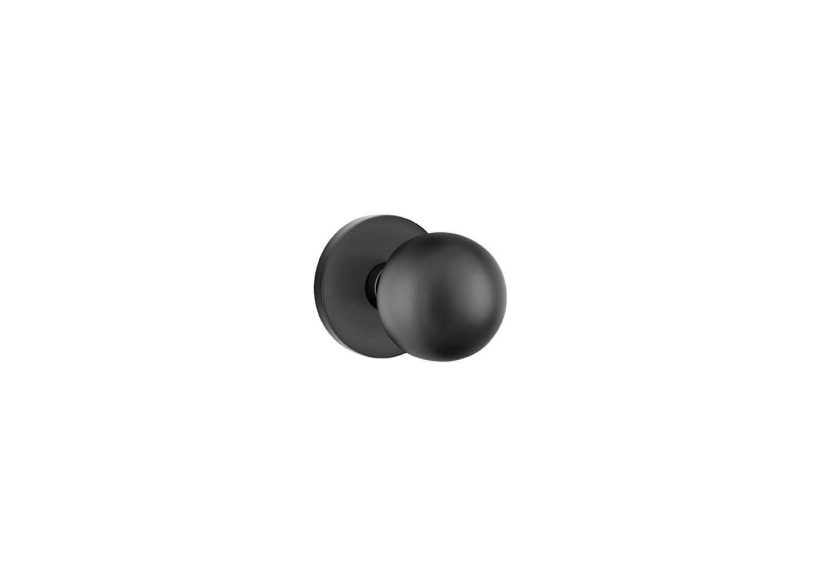
A door knob is basically your home’s handshake. Some are limp-fish, some are death-grips, and some feel like they were designed by someone who has never actually opened a door while carrying groceries, a toddler, and a coffee they swore they wouldn’t spill. The Emtek Orb Modern Door Knob sits comfortably in the “this feels intentional” categorysimple, round, and modern in a way that reads calm instead of cold.
If you’re hunting for a knob that looks like it belongs in a clean-lined renovation (or a century home that’s trying really hard to be “transitional”), the Orb is a solid contender. It’s the kind of hardware that doesn’t beg for attention, but somehow makes everything around it look more put-togetherlike the door suddenly started drinking enough water.
What Makes the “Orb” Look Modern (When It’s Literally a Circle)
The Orb’s design trick is that it’s both timeless and current. A round knob is nothing newbut the Orb leans into a crisp silhouette: clean geometry, minimal fuss, and a “smooth pebble” vibe that feels deliberate rather than decorative. Pair it with the right rosette (the plate behind the knob), and it can swing from soft modern to architectural modern fast.
Here’s the fun part: with Emtek, the knob is only half the story. The rosette, the finish, and the function are what turn “a knob” into your knob. The Orb just happens to be a very flexible starting point.
Quick Snapshot: What You’re Actually Buying
Door hardware can feel weirdly mysterious until you open the box and realize it’s a small mechanical ecosystem. With an Emtek Orb knobset, you’re generally choosing a complete set configured for your door’s purpose.
- Knobs + rosettes: A matched pair for both sides of the door (or a single-sided option, depending on function).
- Latch + strike: The latch keeps the door closed; the strike is the metal plate on the jamb it clicks into.
- Function choice: Passage, privacy, dummy, and other interior options depending on your setup.
- Options you can upgrade: Concealed fasteners (hidden screws) and reduced-rotation latch options for a sleeker feel.
Translation: you’re not just picking a pretty circle. You’re picking how the door behaves, how it installs, and how it feels in your hand several thousand times a year. No pressure.
Choosing the Right Function (So Your Bathroom Isn’t “Passage”)
Most Orb buyers are outfitting interior doors, and the function matters more than people expect. Here’s a practical guide:
Passage
A passage knob turns and latches, but it does not lock. It’s ideal for hallways, closets, pantries, and any door where privacy isn’t the pointjust staying shut is.
Privacy
Privacy is your classic bed-and-bath function: it locks from the inside, and can typically be released from the outside in an emergency (because everyone deserves peace and safety).
Dummy
A dummy knob is non-turning and non-latchingbasically a decorative pull. It’s common for double doors where one side is inactive, or for doors that use a ball catch or magnetic catch instead of a latch.
Single-sided dummy
Same idea as dummy, but only installed on one side of the dooruseful if the “back” side is never seen or accessed.
If you’re doing a front door or any door that actually needs security, many homeowners pair an interior-style knob with a deadbolt above (or choose a handleset/entry configuration that fits the door’s lock requirements). The key takeaway: interior function ≠ exterior security. The Orb shines when it’s chosen for the right job.
Rosettes: The Secret Sauce Behind the Orb’s Personality
The Orb can read “soft modern,” “minimal modern,” or “bold modern” depending on what’s behind it. Rosettes change the visual footprint, the lines, and even how “architectural” the hardware feels.
- Disk / round rosettes: Quiet and classic-modern. Great when you want the knob to feel integrated, not loud.
- Square rosettes: Sharper, more architectural. A small square can make the round knob feel intentionally contrasted.
- Modern rectangular rosettes: Graphic, contemporary, and designer-forwardespecially good on flat-panel or shaker doors.
- Elongated (“stretto”-style) rosettes: A slimmer, taller look that can feel very modern, but may require special prep.
Pro tip: if your doors have strong vertical lines (shaker rails, tall panels, or modern flush doors), a rectangular rosette can feel “made for it.” If your doors have softer profiles or traditional casing, a disk rosette keeps things calm and balanced.
Finishes: Matching Is Optional, Coordinating Is Not
The Emtek Orb is often offered in multiple “brass-family” finishes, which is a fancy way of saying you’ve got options: dark, warm, cool, shiny, satin, and finishes designed to age over time.
If you’re overwhelmed, pick your finish using this cheat sheet:
- Flat Black: Modern contrast, forgiving for fingerprints, looks sharp on white or natural wood doors.
- Satin Brass: Warm without being flashy. The “quiet luxury” finish that makes basic doors feel upgraded.
- Satin Nickel / Polished Nickel: Classic, flexible, and friendly with stainless appliances or cooler palettes.
- Polished Chrome: Bright, crisp, and reflectivebest when your home leans contemporary or you want a clean sparkle.
- Oil-rubbed / darker bronzes: Traditional warmth with modern shapea great bridge if your home is transitional.
- Unlacquered/living finishes: Designed to change, patina, and evolve. Gorgeous if you like character; stressful if you like control.
Coordinating doesn’t mean everything must match. It means your hardware shouldn’t look like it came from three different planets. If you’re mixing metals, repeat each finish at least twice (for example: brass knobs + brass cabinet pulls, black hinges + black lighting accents). Your home will look intentional, and your future self will thank you.
Handfeel, Size, and the “Does It Feel Expensive?” Question
The Orb’s appeal isn’t only visual. It’s also tactile. A round knob should feel comfortable, and the Orb is often praised for being smooth, substantial, and easy to gripespecially compared to hollow-feeling, bargain-grade knobs that wobble if you look at them too sternly.
In most configurations, you’ll see a knob around 2 inches in diameter with a projection that feels “present” without sticking out like a doorknob-shaped bruise hazard. That size plays well in modern interiors because it’s visually simple and proportionally clean.
One more thing: knobs aren’t universally loved from an accessibility standpoint. If you have arthritis, limited grip strength, or you’re designing for aging in place, a lever is often easier to operate than a knob. The Orb can still work, especially with certain latch upgrades, but it’s worth thinking about how the door will be used dailynot just how it looks on install day.
Installation Basics (So It Doesn’t Turn Into a Saturday Night Crying Session)
If your door is prepped for standard residential hardware, installing an Orb knobset is typically straightforward. The key is confirming your measurements before you start unscrewing anything.
Measure first
- Bore hole: Most modern doors use a standard ~2-1/8″ cross-bore hole.
- Backset: Common backsets are 2-3/8″ and 2-3/4″ (measure from the door edge to the center of the bore hole).
- Door thickness: Many interior doors are 1-3/8″ or 1-3/4″. Thicker doors may need special hardware configuration.
Know what you picked: concealed fasteners vs standard
If you choose a concealed fastener option, you get that clean, screw-free look on the rosettevery modern, very satisfying. It can also be slightly more installation-sensitive (read: you want everything aligned properly so you don’t get gaps or rubbing). If you’ve never installed door hardware before, it’s still doablejust go slowly and follow the instructions.
Consider the reduced-rotation latch upgrade
Some knobsets can be upgraded with a reduced-rotation latch option (often referenced as a 28-degree latch). The point is simple: the knob doesn’t need as much turning to retract the latch. That can feel smoother and can be helpful for anyone who prefers less wrist rotation.
If you’re retrofitting existing doors, a small detail like backset selection makes a huge difference. Choosing the wrong backset is the door hardware equivalent of buying shoes in the wrong size because they were “such a good deal.” You will pay for it emotionally.
Care, Cleaning, and How to Keep It Looking Good
Treat your hardware like you treat a nice faucet: gentle cleaning, no harsh chemicals, and don’t “disinfect” it into a dull, streaky regret. A soft cloth and mild soap are usually enough. If you choose a living finish, expect changepatina is not a defect; it’s the whole plot of the movie.
One practical habit: wipe knobs occasionally if you use hand lotion, sanitizer, or hair products regularly. The Orb’s smooth surface makes it easy to clean, and your finish will stay happier longer.
Value and Lead Time: Why Emtek Feels Different Than Big-Box Hardware
Emtek hardware is often described as “assembled to order,” which helps explain both the customization and the price bracket. You’re not always grabbing something fully pre-boxed off a shelf in infinite quantity. You’re choosing componentsfinish, rosette, functionand the final set is put together based on your selections.
That matters because it changes the buying experience:
- More customization: You can tailor the look to your doors, not just settle for what’s in stock.
- More consistency across the house: Once you pick a finish and style language, you can repeat it room to room.
- Better “designed” feel: Hardware becomes part of your interior design, not an afterthought.
Is it “worth it”? If you’re upgrading doors you touch constantlyprimary bedrooms, bathrooms, hallwayshardware is one of the easiest ways to make the whole home feel higher-end without remodeling a thing. If you’re outfitting a rental where knobs are destined to endure abuse from tenants and moving furniture, you may want something less precious. Know your audience.
Where the Orb Looks Best (And Where It Might Fight the Room)
The Orb tends to shine in:
- Modern and contemporary homes: Flat-panel doors, minimalist trim, clean lines.
- Transitional spaces: When you want modern hardware without making everything feel ultra-stark.
- Scandi / warm minimalist interiors: Especially with satin brass or satin nickel finishes.
- Black-and-white palettes: Flat Black Orb knobs are basically the punctuation marks of design.
The Orb can look slightly out of place in highly ornate, traditional spaces with detailed knobs and decorative backplatesunless you’re intentionally modernizing the hardware as a contrast. It’s not “wrong,” but it is a style decision, not a neutral default.
Common Questions (Because Door Hardware Is Weirdly Complicated)
Can I use the Orb on exterior doors?
You can use an Orb-style knob as part of an exterior setup when paired properly (often with a deadbolt). For true exterior security, focus on a complete entry solution designed for that purpose. If you’re unsure, treat the front door like a system: knob/handleset, deadbolt, and door prep all need to agree.
Should I choose a knob or a lever?
Choose a knob for aesthetics and traditional familiarity. Choose a lever for ease of use and accessibility. If you have anyone in the household with grip or mobility limitations, levers are often more comfortable long-term.
Do I need matching hinges?
You don’t need them, but you’ll like the result if you coordinate. If your knobs are satin brass and your hinges are bright chrome, your door might look like it got dressed in the dark.
Real-World Experiences With the Emtek Orb (The Part You Actually Want to Know)
Let’s talk about what it’s like living with an Orb knob, because product photos are great, but they don’t tell you what happens when you’re half-asleep, your hands are full, and the dog is doing parkour behind you.
First impression out of the box: the Orb tends to feel substantial. That “weight in the hand” moment is real, and it’s often the difference between hardware that feels like a finishing touch and hardware that feels like a placeholder. The knob’s round shape is friendlyno sharp edges, no weird angles. It’s a simple grip that makes sense whether you’re an adult, a kid, or someone who’s navigating doors while balancing a laundry basket like a competitive sport.
The second real-life moment is the finish decision. On-screen, many finishes look the same. In your hallway lighting, they do not. Satin brass reads warm and soft (less “bling,” more “glow”). Flat black reads crisp and graphic and hides the daily smudges better than you’d expect. Nickel finishes are the Swiss Army knife: they work with a lot of interiors, especially if you’ve got stainless appliances or cooler paint colors. If you pick a living finish, the experience is basically: you either fall in love with the patina’s personality, or you spend six months asking yourself why you did this to your nervous system.
Installation is usually smooth if your doors are standard prepped, but the most common “oops” is skipping measurements because the old knob fit, so surely the new one will too. That’s how you end up discovering your door has a different backset than you assumed, right when your toolbox has migrated to a different dimension. If you opt for concealed fasteners, take your time aligning everything. The payoff is big: a clean rosette with no visible screws looks high-end in a way that’s hard to unsee once you have it.
Daily use is where the Orb quietly wins. It doesn’t snag pockets. It doesn’t catch sleeves. It feels smooth and consistent. If you upgrade to a reduced-rotation latch option, the knob can feel “snappier,” because you don’t need as much turning before the door releases. That’s the kind of micro-upgrade that sounds silly until your wrist is sore from a day of carrying stuff in and out and you realize: wow, small movements add up.
Style-wise, the Orb is forgiving. Put it on a white door with a modern rectangular rosette and it looks like a design decision. Put it on a natural wood door with a disk rosette and it reads warm and intentional. Even in older homes, it can look right if the rest of the details (paint, trim, lighting) support the vibe. The Orb doesn’t try to be a chandelier. It’s more like the perfect pair of sneakers: clean, versatile, and it somehow makes everything else look more expensive.
The final “experience” note is something people don’t mention enough: consistent hardware makes your house feel calmer. When every door has the same knob style, finish, and rosette language, your home feels curatedeven if your closet is still haunted by random storage bins. The Emtek Orb is great for that whole-house consistency, because it’s simple enough to repeat without feeling repetitive.
Conclusion: Should You Choose the Emtek Orb Modern Door Knob?
If you want a modern door knob that’s clean, tactile, and flexible enough to work across multiple rooms, the Emtek Orb Modern Door Knob is a smart pick. The design is simple, but the customization makes it feel tailoredespecially when you choose a rosette and finish that match your home’s style. Add thoughtful function choices (passage vs privacy vs dummy), and you’ll end up with hardware that looks good, feels good, and doesn’t make you regret your life decisions every time you close a door.
Buying checklist before you click “add to cart”:
- Confirm your door prep (bore hole, edge bore, and backset).
- Choose the right function for each door (privacy for bathrooms/bedrooms, passage for hall/closets, dummy for inactive doors).
- Pick a rosette that matches your door style (disk for subtle, square/rectangular for architectural).
- Coordinate finishes with hinges, lights, and nearby metals.
- Consider concealed fasteners and reduced-rotation latch upgrades if you want the sleekest experience.