Table of Contents >> Show >> Hide
- The “13% Higher Risk” Headline: What It Actually Means
- Why Processed Red Meat Might Be Tough on the Brain
- The Best Part of This Story: Small Swaps Had Meaningful Associations
- What Counts as Processed Red Meat (So You Don’t Have to Guess)
- How to Cut Back Without Feeling Like Life Is Punishing You
- Zoom Out: A Brain-Healthy Pattern Beats a Single “Superfood”
- Don’t Forget the Non-Food Stuff That Protects Your Brain
- FAQ: The Questions Everyone Asks (Usually While Holding a Hot Dog)
- Conclusion: Your Brain Loves a Good Trade
- Experiences: What People Notice When They Cut Back on Processed Red Meat (And What Actually Helps)
If you’ve ever bonded with a breakfast sandwich (bacon, egg, cheese… the holy trinity), you’re not alone.
But new long-term research suggests that making processed red meat a regular habit could come with an
unexpected “side effect”: a higher risk of dementia. Specifically, people with higher intake of processed
red meat showed about a 13% higher risk of developing dementia compared with people who ate very little.
Before you dramatically toss your deli drawer into the nearest trash can: this number is a relative increase,
the study is observational (so it can’t prove cause-and-effect), and your overall lifestyle still matters a lot.
Still, the findings are strong enough to make one point pretty clear: if there’s one kind of meat worth
cutting back on for brain health, it’s the processed stuff.
The “13% Higher Risk” Headline: What It Actually Means
The research followed a large group of U.S. adults for decades, tracking diet patterns over time and
comparing dementia outcomes later in life. The attention-grabbing number came from comparing a higher
processed-meat group to a lower processed-meat group.
How much processed meat counts as “higher”?
In the study, the higher-intake group averaged about 0.25 servings of processed red meat per day.
That sounds tiny until you translate it into real life: roughly two servings per week.
The lower-intake group averaged less than 0.10 servings per day, which works out to about
three servings per month.
So this isn’t about someone eating hot dogs for breakfast, lunch, and dinner (although… please don’t).
It’s about the kind of “normal” pattern many people fall into: a couple slices of bacon on weekends,
deli meat in sandwiches, and a sausage pizza night here and there.
Processed vs. unprocessed red meat: an important distinction
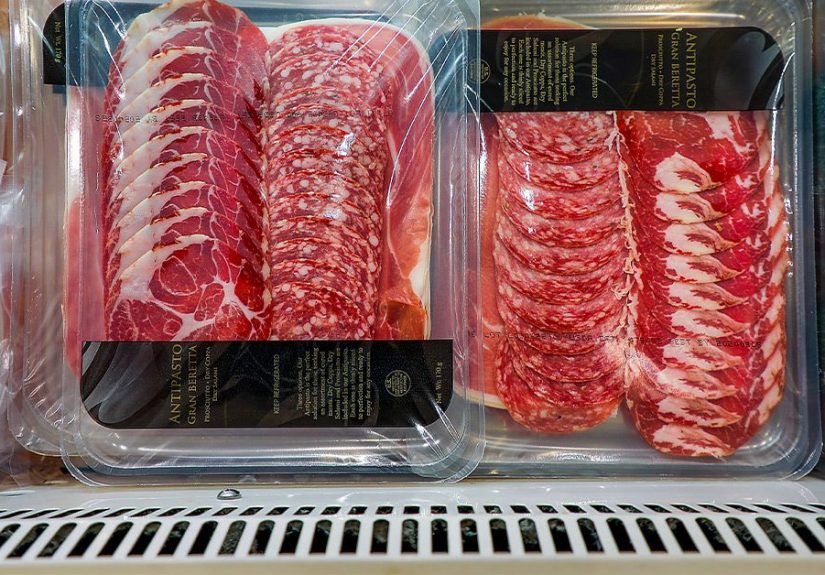
The strongest signal for dementia risk showed up with processed red meatfoods like bacon, sausage,
hot dogs, bologna, salami, pepperoni, and other cured or preserved meats. Unprocessed red meat (like beef,
pork, lamb) didn’t show the same dementia-risk pattern in the same way, although some cognitive measures
were still linked to higher intakes in certain analyses.
Translation: the “problem child” here appears to be the meat that’s been cured, smoked, salted, or preserved,
not necessarily the occasional fresh burger patty you grill at home.
Why Processed Red Meat Might Be Tough on the Brain
Dementia is complicated. There’s no single “dementia switch” in your body that flips on because you ate a
pepperoni stick. But scientists have several plausible pathways that connect processed meats to brain aging.
Think of it less like one villain and more like a group chat of troublemakers.
1) Vascular stress: what’s bad for the heart can be bad for the brain
Your brain is a high-maintenance organ that needs steady blood flow. Many processed meats are high in sodium,
and high sodium intake can contribute to high blood pressure. Over time, high blood pressure can damage blood
vesselsincluding the tiny ones that feed your brainraising the odds of vascular problems that affect thinking,
memory, and executive function.
This is one reason “heart-healthy” and “brain-healthy” advice overlaps so much. It’s not a coincidence:
the same system is delivering oxygen and nutrients to both.
2) Saturated fat and metabolic ripple effects
Processed meats often come with saturated fat, and diets high in saturated fat are frequently associated with
higher risk of cardiometabolic issues. Those issueslike type 2 diabetes and cardiovascular diseaseare themselves
linked to worse long-term brain outcomes. In other words, processed meat may contribute to dementia risk indirectly
by nudging the body toward conditions that aren’t great for the brain.
3) Preservatives and compounds formed during processing
Many processed meats use nitrate/nitrite preservatives (or “natural” sources that function similarly). These compounds
can form byproducts in the body that researchers continue to study for their health effects. This doesn’t mean you
should fear every ingredient label like it’s a horror moviejust understand that processed meats are chemically and
nutritionally different from fresh meats.
4) Inflammation and oxidative stress
Chronic inflammation and oxidative stress are linked with many age-related diseases, and brain aging is part of that picture.
Processed-meat-heavy dietary patterns often show up alongside lower intake of protective foods (fiber-rich plants, omega-3s,
antioxidants), which may leave the brain with fewer resources to “buffer” against wear and tear.
5) The gut microbiome angle (yes, your gut is in the group chat)
Researchers are also exploring how meat-heavy patterns may interact with the gut microbiome. Certain gut-derived metabolites
(like TMAO, which can increase after eating some animal-based foods) are being studied for potential roles in vascular and
neurological health. The science here is evolving, but it’s another reason nutrition researchers keep saying:
your brain doesn’t live in a separate zip code from the rest of you.
The Best Part of This Story: Small Swaps Had Meaningful Associations
Here’s the hopeful takeaway: the same research that raised eyebrows about processed red meat also found that
replacing processed red meat with other protein sources was linked with lower dementia risk.
No complicated cleanse. No “brain-detox” gummies. Just… swaps.
Swap ideas that the research supports
- Nuts and legumes (beans, lentils, chickpeas): associated with a notably lower dementia risk when substituted for processed red meat.
- Fish: also linked with a lower dementia risk in substitution analyses (plus it’s a solid source of omega-3 fats).
- Poultry: another option that showed benefit when replacing processed red meat in the study’s modeling.
The practical message is refreshingly normal: if processed meats are a weekly staple, moving them toward “sometimes”
and filling that space with plant proteins, fish, or poultry may be a smart, realistic strategy.
What Counts as Processed Red Meat (So You Don’t Have to Guess)
Processed red meat generally means red meat that’s been preserved by smoking, curing, salting, or adding chemical preservatives.
Common examples include:
- Bacon
- Sausage (pork sausage, breakfast links, etc.)
- Hot dogs (often beef/pork blends)
- Deli meats like bologna, salami, pepperoni, and other cured sandwich meats
- Corned beef and many “ready-to-eat” meat products
Note: “uncured” deli meats can still contain nitrate/nitrite sources (often from celery powder). That doesn’t automatically
make them “bad,” but it does mean “uncured” isn’t a free pass to eat it daily and call it a wellness plan.
How to Cut Back Without Feeling Like Life Is Punishing You
The goal isn’t perfection. The goal is “less often, smaller portions, better defaults.”
Here are realistic strategies that don’t require you to become a different person with a different personality.
1) Use the “weekly frequency” rule
If processed meats show up most days, that’s a strong signal to adjust. If they show up occasionally,
you’re already closer to what many health guidelines suggest.
2) Make processed meat a “flavor,” not the main event
Instead of building a meal around processed meat, use a small amount for taste.
Example: a bean-and-vegetable soup with a tiny sprinkle of bacon for flavor (not half a package).
Or a breakfast burrito that leans on eggs, beans, veggies, and salsa, not sausage as the headline act.
3) Pick protein anchors that travel well
A lot of processed meat consumption happens because it’s convenient. So the replacement has to be convenient too.
Try rotating these:
- Greek yogurt + fruit + nuts
- Hummus or bean dips with whole-grain pita/veggies
- Tuna or salmon salad (watch sodium, but it’s often still a better swap than processed meats)
- Rotisserie chicken (pair with salad kits and microwavable brown riceconvenience wins)
- Frozen edamame or lentil packets (fast, cheap, surprisingly satisfying)
4) Read labels like a detective, not a terrified person
You don’t need a nutrition PhDjust focus on:
- Sodium (processed meats can be extremely salty)
- Preservatives (nitrates/nitrites or “natural” equivalents)
- Serving size (because “one serving” can be hilariously small)
Zoom Out: A Brain-Healthy Pattern Beats a Single “Superfood”
Dementia risk is influenced by genetics, age, and many lifestyle factorsdiet is one piece of a bigger puzzle.
But the most consistent nutrition advice for brain aging isn’t about one magic ingredient. It’s about patterns:
the Mediterranean-style diet and the MIND diet (a blend of Mediterranean and DASH principles) are widely studied.
What these patterns have in common
- Lots of vegetables (especially leafy greens)
- Beans and lentils as regular staples
- Whole grains
- Nuts
- Fish (often weekly)
- Olive oil and other unsaturated fats
- Limited sweets and heavily processed foods
- Limited processed meats
This matters because a “processed meat habit” often isn’t just about the meatit can come packaged with
lower fiber intake, fewer plants, and more ultra-processed foods overall. Improving the pattern helps on multiple fronts.
Don’t Forget the Non-Food Stuff That Protects Your Brain
Nutrition is powerful, but it’s not working alone. Brain-health organizations consistently emphasize that
the biggest wins often come from controlling the basics:
- Manage blood pressure
- Stay physically active (walks count)
- Protect sleep (your brain does “maintenance work” overnight)
- Avoid tobacco
- Maintain social connection
- Keep chronic conditions (like diabetes) under control
If you’re thinking, “Wow, that’s a lot,” here’s the good news: you don’t have to overhaul everything at once.
Most people build brain health the same way they build any habitone small, repeatable step at a time.
FAQ: The Questions Everyone Asks (Usually While Holding a Hot Dog)
Do I need to completely quit processed red meat?
Not necessarily. The research doesn’t say “never.” It suggests that higher, regular intake is linked with higher risk.
If processed meats are a frequent habit, lowering the frequency is a rational move.
Is turkey bacon or chicken sausage a “safe” loophole?
Poultry-based versions may reduce some issues (like heme iron from red meat), but they can still be highly processed and high in sodium.
“Not red” doesn’t automatically mean “not processed.” Check the label.
What if processed meats are part of my culture or budget?
You can still make progress. Budget-friendly swaps include beans, lentils, peanut butter, eggs, canned fish, and frozen vegetables.
Cultural foods can often be adapted by reducing the processed meat portion and increasing plant-based sides.
When should someone worry about memory changes?
Occasional forgetfulness is normal. But if memory problems disrupt daily life, confusion becomes frequent, or loved ones notice meaningful changes,
it’s worth discussing with a healthcare professional.
Conclusion: Your Brain Loves a Good Trade
The headline “13% higher dementia risk” is attention-grabbing for a reason: it’s a reminder that everyday habits can shape long-term health.
Processed red meatsbacon, hot dogs, sausage, deli meatsare convenient and tasty, but regular intake appears linked with worse brain outcomes over time.
The best response isn’t panic. It’s strategy. Treat processed red meat like an occasional cameo, not a recurring character.
Replace it more often with nuts, beans, fish, or poultry. Build meals around plants. Keep your blood pressure, sleep, and activity in a good place.
Small changes, repeated for years, are exactly the kind of math your future brain appreciates.
Experiences: What People Notice When They Cut Back on Processed Red Meat (And What Actually Helps)
When people try to reduce processed red meat, the first surprise is rarely about health statisticsit’s about routines.
Processed meats aren’t just food; they’re a convenience system. They’re the “I have 90 seconds and zero patience” solution.
So the real-life experience often comes down to whether a replacement is just as easy (or at least easy enough).
Experience #1: The “Breakfast Identity Crisis”
A common story: someone realizes their weekday breakfast is basically a rotation of bacon/sausage sandwiches because it’s fast,
filling, and comforting. When they cut back, the first few mornings can feel weirdly incompletelike the meal is missing its
“closing credits.” What helps most is not trying to replace bacon with sadness. People report better success when they
swap in a new “anchor” that still feels hearty: eggs with beans and salsa, oatmeal topped with nuts, or Greek yogurt with
fruit and granola. The best breakfast replacements usually have two qualities: protein and texture.
Crunchy nuts, chewy oats, or a warm tortilla can make the swap feel like a real meal instead of a punishment.
Experience #2: The “Lunch Meat Trap”
Another big one is the deli sandwich habit. It sneaks up because it feels normal: bread, meat, cheese, done.
People who successfully reduce deli meat often do it by switching the format, not just the filling.
Instead of trying to make a sandwich taste identical without deli meat (which is hard and emotionally rude),
they pivot to lunches that don’t depend on that flavor profile: grain bowls, salads with chickpeas, tuna packets,
leftover dinner, or wraps built around hummus and roasted veggies. Many describe a “two-week hump” where lunch feels less exciting,
and then it gets easier once new favorites show up. A practical trick: keep one super-easy backup option available
(like canned beans + microwave rice + salsa). When time is tight, the backup plan prevents the “fine, I’ll just buy a sub” spiral.
Experience #3: Social Food and the “I’m Not Trying to Be Difficult” Problem
Cutting back can get awkward at barbecues, family gatherings, or game nightsaka the natural habitat of hot dogs and pepperoni pizza.
People who stick with change long-term often use a flexible rule: “I don’t eat it often, but I don’t make it a big deal.”
They might choose one processed-meat item occasionally and focus on building the plate with other foodssalad, corn, beans, fruit,
grilled veggiesso the processed meat isn’t the entire meal. That approach reduces friction and keeps food social.
In many shared experiences, this flexibility is what makes the change sustainable, because it avoids the all-or-nothing mindset
that usually ends with an all-processed-meat weekend.
Experience #4: The Unexpected WinFeeling Less “Heavy” After Meals
People often report that when processed meats drop from “frequent” to “sometimes,” they feel less sluggish after eating.
This isn’t a guarantee (everyone’s body is different), but it’s a common theme in diet shifts that include more fiber-rich foods.
Beans, lentils, whole grains, vegetables, and nuts tend to change how a meal sitsmore steady energy, fewer spikes-and-crashes.
That “day-to-day” feedback can be more motivating than a distant risk statistic, because it’s immediate and personal.
Experience #5: The “What Do I Even Buy Now?” Grocery Learning Curve
There’s also a learning phase at the grocery store. Many people say the easiest way to reduce processed meat is to
stock the replacements first. If the fridge is empty except for deli meat, guess what’s for lunch?
But if you’ve got hummus, eggs, canned fish, beans, and a bag of salad greens, your choices change automatically.
A simple routine some people like: pick two proteins for the week (for example, a bean-based option and a fish or chicken option),
then build meals around those. It reduces decision fatigue and makes “healthier” feel automatic instead of heroic.
The big theme across these experiences is that success isn’t about willpowerit’s about systems. When the convenient choice becomes
a better choice (beans, fish, nuts, poultry, quick veggie meals), cutting back on processed red meat stops feeling like deprivation
and starts feeling like an upgrade your future brain would high-five you for.