Table of Contents >> Show >> Hide
- First, what is that ringing?
- How long does ringing after a concert last?
- Ears ringing after concert: 5 remedies you can try
- What NOT to do (your ears beg you)
- When to see a doctor for ringing ears after a concert
- What happens at the doctor or audiologist?
- How to prevent ringing after the next concert
- Quick FAQ
- Real-life experiences: what ringing after a concert can feel like (and how people cope)
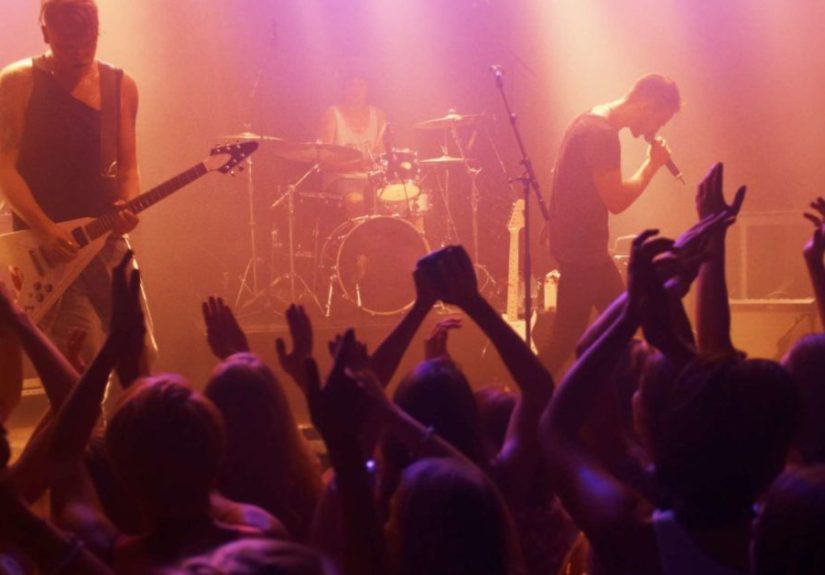
You had the time of your life. The band played the encore. You screamed the lyrics like you wrote them.
And nowyour ears are still doing their own little afterparty: eeeeeeeee.
If your ears are ringing after a concert, you’re not alone (or cursed). What you’re noticing is usually
a short-term reaction to loud sound exposureoften called tinnitusand in many cases it fades as your ears recover.
This guide breaks down what’s happening, how long it typically lasts, five practical remedies you can try at home,
what to avoid (spoiler: “testing your hearing” by blasting more music is not the move), and
exactly when to see a doctor.
First, what is that ringing?
Tinnitus is the perception of sound when there’s no outside sourceringing, buzzing, hissing, whistling, or a high-pitched tone.
After a loud concert, tinnitus often shows up with muffled hearing or the sense that people are talking through a pillow.
That combo typically points to a temporary “threshold shift,” meaning your ears need recovery time after loud noise.
Why concerts can trigger tinnitus
Loud sound can stress the delicate hair cells and nerve pathways in your inner ear. Sometimes the symptoms resolve within a day or two,
but research suggests that repeated loud exposure can still contribute to long-term damageeven if you “feel fine” the next morning.
In other words: your ears can recover, but they also keep receipts.
How long does ringing after a concert last?
For many people, ringing and muffled hearing improve within 16 to 48 hours.
Sometimes it lingers longerespecially after very loud shows, being close to speakers, or attending multiple events back-to-back.
If it’s not improving after a couple of days, or if you have other symptoms (like dizziness or one-sided hearing changes),
it’s time to take it more seriously.
Ears ringing after concert: 5 remedies you can try
Important note: there’s no instant “off switch” for tinnitus. These remedies are about supporting recovery and making the sound less intrusive
while your ears calm down.
1) Give your ears a real break (aka a sound vacation)
The simplest remedy is also the most powerful: reduce noise exposure for the next 24–48 hours.
That means:
- Skip headphones/earbuds (even at “low” volumeyour ears need rest).
- Keep TV/music volume gentle.
- Avoid loud restaurants, gyms with booming speakers, or “just one more” noisy place.
- If you must be in noise (school events, commuting), consider hearing protection.
Think of it like a sunburn. You don’t fix a sunburn by going back to the beach. Same energy here.
2) Use soft background sound (don’t fight silence with more silence)
Ringing often feels louder in a quiet room because your brain has nothing else to pay attention to.
Sound masking can make tinnitus less noticeableespecially at bedtime.
Try:
- A fan, air purifier, or humidifier
- White noise or rain sounds
- Low, neutral background audio (nothing punchy or bass-heavy)
The goal isn’t to “cover it up” with loud sound. Keep it low and soothingjust enough to take the edge off.
3) Prioritize sleep and hydration (yes, really)
Your auditory system is part of your nervous system, and your nervous system is dramatically less charming when you’re sleep-deprived.
Poor sleep can make tinnitus feel louder and more stressful.
For the next couple of nights, treat sleep like it’s on your to-do list:
- Keep a consistent bedtime.
- Use gentle masking sound if the ringing bothers you.
- Stay hydrated and eat regular meals (blood sugar crashes don’t help anyone’s nerves).
4) Cut the “ear irritators” for 48 hours
If your ears are already annoyed, don’t add fuel to the drama. For the next day or two, consider limiting:
- Alcohol (can worsen sleep and aggravate symptoms for some people)
- Nicotine/vaping (linked to worse tinnitus and hearing health outcomes)
- Recreational loudness (yes, this includes car stereo “testing”)
Also: review any medications only with a clinician if you’re concerned. Some medicines can contribute to tinnitus in certain situations,
but don’t stop prescribed meds on your own.
5) Calm your system: stress reduction that isn’t cheesy
Stress doesn’t usually cause post-concert ringing, but it can crank up how much your brain focuses on it.
The more you monitor the sound (“Is it still there? How about now?”), the more your brain spotlights it.
Try one or two of these for 10 minutes:
- Slow breathing: inhale 4 seconds, exhale 6 seconds
- A short walk (bonus points if it’s outdoors)
- Stretching your neck/shoulders and unclenching your jaw (many people tense up after loud events)
- Mindfulness/relaxation audio at low volume
This isn’t about “positive vibes.” It’s about lowering the alarm response so the sound feels less intrusive.
What NOT to do (your ears beg you)
- Don’t use cotton swabs or dig for earwax. You can irritate the ear canal or push wax deeper.
- Don’t blast headphones to “prove” your hearing is fine.
- Don’t try random ear drops unless a clinician recommends them for a specific reason.
- Don’t ignore sudden changes (more on that next).
When to see a doctor for ringing ears after a concert
Most post-concert ringing fades. But certain patterns deserve medical attentionsometimes urgently.
If you’re a teen, loop in a parent/guardian so you can get evaluated quickly if needed.
Seek urgent care ASAP (same day if possible) if you have:
- Sudden hearing loss (especially in one ear), or hearing that drops noticeably within hours
- Severe dizziness/vertigo, trouble walking straight, or vomiting
- One-sided tinnitus that’s new and persistent, especially with hearing changes
- Pulsatile tinnitus (a whooshing sound that matches your heartbeat)
- Head injury around the time symptoms started
- Ear pain, drainage, blood, or fever
- Facial weakness, numbness, or neurologic symptoms
Make an appointment soon (within days to a couple weeks) if:
- Ringing or muffled hearing lasts more than 48 hours without improvement
- It persists beyond a week, even if it’s mild
- Tinnitus is bothersome, affects sleep, concentration, or mood
- You notice recurring ringing after smaller noise exposures
Clinicians often recommend a hearing evaluation when tinnitus is persistent, one-sided, bothersome,
or associated with hearing changes. Early evaluation matters most when sudden hearing loss is involved,
because prompt treatment can improve outcomes in certain cases.
What happens at the doctor or audiologist?
A typical evaluation may include:
- A symptom review (when it started, which ear, what it sounds like, what makes it better/worse)
- An ear exam to check for wax blockage, irritation, or infection
- Audiology testing (hearing thresholds, speech understanding)
- Sometimes additional workup if there are red flags (one-sided symptoms, pulsatile tinnitus, neurologic signs)
If tinnitus persists, management may include sound therapy, counseling/CBT approaches, tinnitus retraining strategies,
treating hearing loss (if present), and addressing contributing factors like sleep problems or anxiety.
How to prevent ringing after the next concert
You don’t have to become the “fun police.” You just need a better strategy than raw-dogging the front row.
Use hearing protection that still lets you enjoy the music
- High-fidelity earplugs lower volume more evenly, so music still sounds like music.
- Foam earplugs work too, though they can muffle high frequencies more.
Distance matters
The closer you are to speakers, the higher the sound intensity. Even a small step back can reduce exposure.
If you can’t move, take breaksstep out for a few minutes between sets or songs.
Know the basic math of loudness
Public health guidance often uses an “equal energy” idea: as sound levels rise, safe exposure time drops fast.
A common benchmark for occupational noise risk is around 85 dBA over 8 hours,
and with every few decibels increase, recommended exposure time decreases significantly.
Concerts can exceed that by a lotso protection and breaks aren’t “extra,” they’re the plan.
Quick FAQ
Is ringing after a concert always tinnitus?
Usually it’s tinnitus, but symptoms can also overlap with temporary noise-induced hearing changes.
Either way, the “quiet + protection” approach is still the right first step.
Can one concert cause permanent damage?
It can, especially if exposure is intense (very loud, very close, long duration).
Many people recover, but repeated exposures raise the risk of lasting hearing loss and persistent tinnitus.
Should I “train” my ears by going to more loud places?
No. Your ears don’t build calluses like hands do. More loud exposure is more stressprotect what you’ve got.
Real-life experiences: what ringing after a concert can feel like (and how people cope)
If you’re sitting there thinking, “Okay, but is my ringing normal?”you’re asking the same question basically everyone asks
the first time their ears do the post-show squeal. Here are a few experience-based scenarios (names changed, details blended)
that match what clinicians hear all the time.
Experience #1: The “It’s louder at night” surprise
Maya went to an arena show and didn’t notice the ringing until she got home. In the car, it seemed fine.
In her quiet bedroom? Suddenly the high-pitched tone sounded like a tiny smoke detector living in her head.
The next day she kept “checking” it in silencepausing, listening, panicking, repeating.
What helped most was counterintuitive: she stopped treating silence like a test.
She used a fan at night and kept her day gently sound-enriched (soft music at low volume, normal household noise).
By day two, the ringing had faded to “only noticeable if I go hunting for it,” and by day three, it was gone.
Her biggest takeaway: the brain amplifies what it fixates on.
Experience #2: The “muffled hearing” freak-out
Jordan left an outdoor festival and realized conversations sounded weirdlike everyone was mumbling.
He worried he’d permanently “blown out” his ears. (The phrase alone is terrifying.)
He did the smart thing: he avoided headphones, kept things quiet, and didn’t go to another loud hangout the next day.
Over the next 24 hours his hearing clarity slowly returned. The ringing improved too.
This patternmuffled hearing plus ringing that improves within 16 to 48 hoursoften matches a temporary noise effect.
The important part is what Jordan didn’t do: he didn’t try to fix it with more volume.
Experience #3: The “one ear is worse” question
Sam stood on the left side of the stage near a speaker stack. After the show, the left ear rang more than the right.
That freaked him out (fair), because one-sided symptoms can sometimes be a red flag.
He told his parent, and they decided to monitor it closely.
Within a day the imbalance faded, which made the “speaker side” explanation more likely.
But here’s why Sam’s decision still matters: if one-sided ringing comes with sudden hearing loss, dizziness, or doesn’t improve,
it’s not a “wait it out forever” situation. Getting checked can rule out issues and, in certain urgent cases, protect hearing.
Experience #4: The “I’m anxious so it’s louder” loop
Lina noticed something weird: the more stressed she felt about the ringing, the louder it seemed.
When she was distractedtalking with friends, watching a show, doing homeworkit faded into the background.
When she Googled it at 1:00 a.m.? It suddenly became a five-alarm emergency.
Lina’s best tool wasn’t a supplement or a “hack.” It was breaking the anxiety loop:
she did slow breathing, kept a little background noise on, and reminded herself that temporary tinnitus is common after loud sound.
The ringing gradually faded as her nervous system calmed down.
Experience #5: The “This keeps happening” wake-up call
Devon went to concerts pretty often and started noticing ringing even after smaller loud exposurescrowded parties, movie theaters,
loud school events. The ringing still faded, but it showed up more easily each time.
That pattern was his cue: his ears were becoming more sensitive to noise exposure.
He switched to high-fidelity earplugs for concerts and started taking short “quiet breaks” during shows.
The biggest win? He still enjoyed live musicjust without the week-long encore in his ears afterward.
If any of these stories sound like you, that’s the point: you’re not weird, and you’re not alone.
Most of the time, ringing after a concert is your body asking for recovery time.
Give your ears rest, keep your world quieter for a day or two, and don’t hesitate to get evaluated if symptoms are severe,
one-sided, or not improving.