Table of Contents >> Show >> Hide
- What is E. coli, exactly?
- How do E. coli infections happen?
- Symptoms of E. coli infection
- How E. coli infection is diagnosed
- Treatment: What doctors usually recommend
- Prevention: Practical steps to avoid E. coli infection
- When to seek medical help
- Living through an E. coli infection: real-world experiences
- The bottom line
Few phrases clear a dinner table faster than “E. coli outbreak.” This tiny bacterium has a big
reputation, and for good reason: some strains can cause serious illness, especially when they slip
into our food, water, or bodies unnoticed. The good news? Most E. coli infections are preventable,
and many mild cases get better on their own with good supportive care and a little patience.
This in-depth guide walks you through what E. coli is, the symptoms to watch for, how infections
spread, how doctors typically diagnose and treat them, and what you can do to avoid getting sick.
We’ll keep things clear, practical, and just light enough that you don’t feel like you’re reading
a microbiology textbook before lunch.
What is E. coli, exactly?
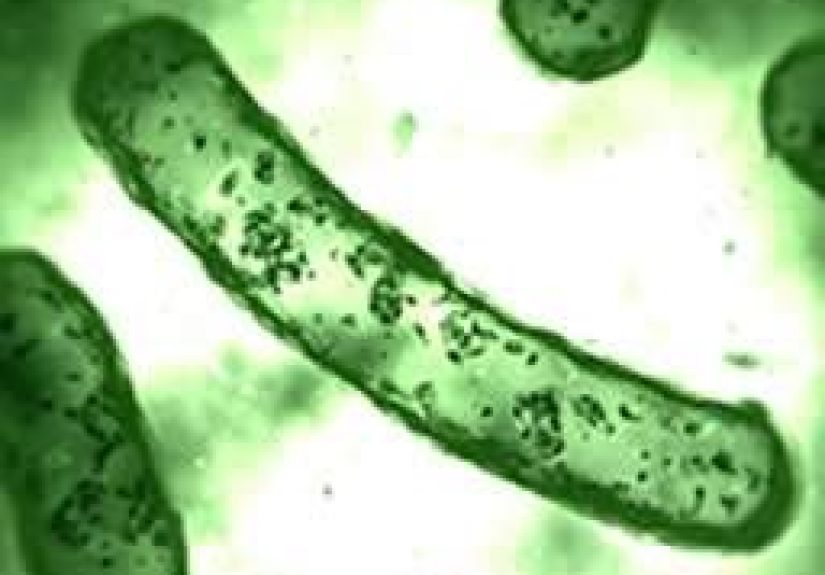
Escherichia coli, usually shortened to E. coli, is a group of bacteria that naturally live
in the intestines of humans and animals. Many strains are harmless and even helpful, playing a role
in digestion and gut health. That’s the “good roommate” version of E. coli.
The trouble comes from certain strains that turn into “bad roommates.” Some varieties make toxins
that damage the intestinal lining or cause infections in other parts of the body. These harmful
strains can lead to:
- Acute diarrhea and foodborne illness
- Traveler’s diarrhea
- Urinary tract infections (UTIs)
- Bloodstream infections and, rarely, meningitis or pneumonia
When people talk about E. coli outbreaks linked to hamburgers, leafy greens, or contaminated water,
they’re usually talking about Shiga toxin–producing E. coli (often shortened to STEC), such as the
O157:H7 strain. These strains can cause bloody diarrhea and, in some cases, serious complications
involving the kidneys.
Harmless vs. harmful strains
It may help to think of E. coli as a big family with very different personalities:
- Commensal (harmless) E. coli live quietly in your gut and don’t cause disease.
- Diarrheagenic E. coli (including STEC) produce toxins or use special tricks to
stick to your intestinal wall and trigger diarrhea. - Extra-intestinal E. coli can travel beyond the gut and cause infections in the
urinary tract, bloodstream, or other organs.
In this article, we’ll mainly focus on intestinal infections (the classic “food poisoning” type),
but we’ll mention other sites when it’s important.
How do E. coli infections happen?
E. coli infections usually start when the bacteria find a way into your mouth and down into your
digestive system. Most people are exposed through contaminated food, water, or contact with
infected people or animals.
Common sources of exposure
- Undercooked ground beef: During slaughter and processing, E. coli from cattle
intestines can contaminate meat. Grinding mixes bacteria throughout the product, so even a small
pink center can be risky. - Unpasteurized milk, juice, or cider: Raw dairy or juices that haven’t been
pasteurized can carry harmful bacteria. - Raw sprouts and leafy greens: If irrigation water or soil is contaminated, the
bacteria can cling tightly to produce and survive typical rinsing. - Contaminated water: Lakes, rivers, or swimming pools with human or animal waste
can harbor E. coli. Swallowing even a mouthful may be enough to cause illness. - Person-to-person spread: If someone with an E. coli infection doesn’t wash their
hands well after using the restroom, they can easily pass germs through touch, shared surfaces,
or food they prepare. - Animal contact: Petting zoos, farms, and fairs can be sources if you touch
animals or their environment and then touch your mouth without washing your hands.
Not everyone who encounters E. coli gets sick. The risk depends on the strain, how much bacteria
you’re exposed to, and your overall health and immune system.
Who is at higher risk?
Anyone can get an E. coli infection, but some groups have a higher chance of severe illness:
- Young children, especially under age 5
- Older adults
- People with weakened immune systems
- Pregnant people
- People with chronic conditions affecting the gut, kidneys, or immune system
Symptoms of E. coli infection
Symptoms usually start 3 to 4 days after exposure but can appear as early as one
day or as late as about 10 days. The exact pattern depends on the type of E. coli and where the
infection is located.
Typical intestinal (gut) symptoms
For diarrheal E. coli infections, especially STEC, common symptoms include:
- Watery diarrhea, which may become bloody after a day or two
- Cramping or severe abdominal pain
- Nausea and/or vomiting
- Loss of appetite
- Low-grade fever (or sometimes no fever at all)
- Fatigue and general “wiped out” feeling
Bloody diarrhea is a red-flag symptom and should always be taken seriously, especially if there is
intense abdominal pain or the person is very young, older, or medically fragile.
Possible complications
Most people with E. coli intestinal infections recover within about a week. However, some develop
complications, particularly with Shiga toxin–producing strains. The most serious is:
- Hemolytic uremic syndrome (HUS): A rare but life-threatening condition where red
blood cells break down and the kidneys start to fail. It’s more common in young children and
older adults.
Warning signs that may suggest HUS or severe dehydration include:
- Very little or no urination
- Extreme fatigue, confusion, or unusual sleepiness
- Pale skin, bruising, or unexplained bleeding
- Swelling in the face, hands, or feet
- Dizziness, rapid heartbeat, or signs of shock
These symptoms are medical emergencies. Anyone with them should receive urgent medical care.
Symptoms in other parts of the body
While this article focuses primarily on intestinal infections, E. coli can cause symptoms elsewhere:
- Urinary tract infections: Burning with urination, frequent urination, cloudy or
strong-smelling urine, pelvic pain, or back pain. - Bloodstream infections (sepsis): Fever or low body temperature, rapid heart
rate, rapid breathing, confusion, or feeling very ill. - Meningitis (usually in newborns): Fever, irritability, poor feeding, seizures,
or lethargy.
These non-intestinal infections are usually treated differently and almost always involve
antibiotics prescribed and monitored by a healthcare professional.
How E. coli infection is diagnosed
If you have symptoms like persistent diarrhea (especially if it’s bloody), severe abdominal pain,
or signs of dehydration, a healthcare professional may:
- Take a medical history asking when symptoms began, what you’ve eaten or drunk
recently, and whether you’ve traveled or been around sick people or animals. - Perform a physical exam to check for signs of dehydration, abdominal tenderness,
or other complications. - Order a stool (poop) test, which can look for E. coli and detect Shiga toxins
made by certain strains. - In more serious cases, order blood tests to check kidney function, red blood
cells, and platelets, especially if HUS is a concern.
Accurate diagnosis matters because it guides treatment decisions, including when to avoid certain
medications that could worsen the illness.
Treatment: What doctors usually recommend
For most healthy people with mild to moderate E. coli intestinal infections, treatment focuses on
supportive care helping the body ride out the illness safely while the immune
system clears the bacteria.
Supportive care at the core
Common elements of supportive care (as guided by a healthcare professional) may include:
- Hydration: Replacing lost fluids is crucial. Your provider may recommend
drinking water, oral rehydration solutions, or broths to prevent dehydration. - Rest: Your body is busy fighting infection; taking it easy helps you recover.
- Gentle foods as tolerated: Once vomiting and severe cramps ease, people often
tolerate bland foods (like toast, rice, bananas) better than heavy, fried, or very spicy foods.
For mild cases, people often recover within about a week. However, medical supervision is important
if symptoms are more than mild, if you’re vulnerable to complications, or if dehydration is a worry.
What about antibiotics and anti-diarrheal drugs?
This is where E. coli gets a bit tricky and why self-treating with random medicines from the
bathroom cabinet is not a great idea.
- Antibiotics: For many Shiga toxin–producing strains, antibiotics are
not routinely recommended because they may increase toxin release and raise the risk of
complications like HUS. In contrast, serious non-intestinal E. coli infections (such as UTIs,
bloodstream infections, or meningitis) often do require carefully chosen antibiotics
prescribed by a clinician. - Anti-diarrheal medications: Over-the-counter products that slow the gut can be
helpful in some types of diarrhea but may be harmful if you have a toxin-producing E. coli
infection. These drugs can keep bacteria and toxins in your intestines longer. They should only
be used under the guidance of a healthcare professional.
Because the right choice depends on the exact situation, it’s safest to ask your doctor or another
qualified healthcare provider before using antibiotics or anti-diarrheals for suspected E. coli.
When hospitalization may be needed
Some people with severe E. coli infections need hospital care, particularly if they develop HUS,
severe dehydration, or other complications. In the hospital, treatment may include:
- Intravenous (IV) fluids and careful monitoring
- Blood tests to track kidney function and blood counts
- Supportive care in an intensive care unit for serious cases
- Dialysis, blood transfusions, or other advanced treatments if HUS develops
While these outcomes are uncommon, recognizing symptoms early and seeking care quickly can improve
the chances of a full recovery and protect long-term kidney health.
Prevention: Practical steps to avoid E. coli infection
The best E. coli infection is the one you never get. Fortunately, many infections are preventable
with everyday habits that also help you avoid other foodborne germs.
Food safety basics
- Cook meat thoroughly: Especially ground beef and burgers. Use a food thermometer
and follow safe internal temperature guidelines rather than judging by color alone. - Avoid cross-contamination: Keep raw meat separate from ready-to-eat foods.
Wash cutting boards, utensils, and your hands with soap and water after handling raw meat. - Wash produce: Rinse fruits and vegetables under running water. Remove damaged or
bruised areas where bacteria can hide. - Skip unpasteurized products: Choose pasteurized milk, cheese, juices, and ciders
unless you’re fully aware of the risks and handling. - Refrigerate promptly: Avoid leaving perishable foods at room temperature for
long periods, especially in warm weather.
Water and hygiene habits
- Be careful with water sources: Don’t swallow water from lakes, rivers, or
poorly maintained pools. Follow local advisories about contaminated water. - Wash your hands often: Use soap and water after using the restroom, changing
diapers, handling animals, or preparing raw foods. - Teach kids good hygiene: Young children are major hand-to-mouth explorers;
teaching them proper handwashing and not putting dirty hands or objects in their mouths can
reduce risk.
These simple preventive steps help protect not only you but also the people around you, including
those who may be more vulnerable to serious illness.
When to seek medical help
Contact a healthcare professional promptly if you or someone you care for has:
- Diarrhea lasting more than a couple of days or getting worse
- Bloody diarrhea at any point
- High fever, severe abdominal pain, or repeated vomiting
- Signs of dehydration (dry mouth, dizziness, dark urine, or very little urination)
- Belongs to a higher-risk group (young child, older adult, pregnant person, or someone with a weakened immune system)
Seek emergency care right away if there are signs of severe illness, confusion, extreme weakness,
very little urine, or other symptoms that suggest kidney problems or shock.
Living through an E. coli infection: real-world experiences
Reading about E. coli on a screen is one thing; living through an infection is another. While every
case is different, many people share common experiences from the first sudden stomach cramps to
the slow relief of finally feeling “normal” again. The stories below are composites based on
typical patterns patients and families describe.
The “mystery burger” weekend
Imagine this: It’s a summer cookout, the grill is going, and someone hands you a burger that looks
perfectly fine. Two days later, you wake up to gripping abdominal cramps and several trips to the
bathroom. At first you blame a “random bug.” By afternoon, the diarrhea is more frequent, and you
start feeling tired and dried out. You sip water, try to rest, and tell yourself it will pass.
When the stool becomes streaked with blood, the situation suddenly feels more serious. You call a
clinic, and the nurse on the line tells you to come in. At the appointment, a provider asks detailed
questions about what you’ve eaten and where you’ve been. A stool test is ordered, and you go home
with clear instructions on hydration, warning signs to watch for, and follow-up plans.
A day or two later, you get a call: it’s a Shiga toxin–producing E. coli infection, likely linked
to undercooked meat from that cookout. It’s not an experience you ever wanted, but the diagnosis
helps everything make sense and because you sought care quickly, your providers can monitor you
closely and step in if complications appear.
Parents and young kids: walking the tightrope
For parents, an E. coli infection in a young child can be especially stressful. A toddler who is
usually energetic may suddenly become clingy, tired, and uncomfortable, with frequent loose stools
and occasional vomiting. Diaper changes become more frequent and more worrisome as you try to
keep them hydrated and comfortable.
Many parents describe keeping a “symptom notebook”: tracking how many wet diapers there are, when
the last urine output happened, whether any blood appeared in the stool, and how the child’s mood
looks. This kind of record can be extremely helpful for pediatricians deciding whether the child
needs tests, IV fluids, or hospital monitoring.
The emotional side matters, too. It’s common for parents to feel guilt (“Did I miss something?”
“Did I not cook that food long enough?”) even when they did everything right. Healthcare
professionals often remind families that outbreaks can happen despite good habits and that the
key thing is recognizing symptoms early and getting appropriate care.
What people often learn from the experience
People who’ve been through an E. coli infection usually come away with a few hard-earned lessons:
- Food thermometers are your friends: Many former patients become lifelong
champions of checking internal temperatures for burgers, roasts, and leftovers instead of
guessing by color. - Handwashing becomes non-negotiable: After dealing with E. coli, scrubbing with
soap and water after bathroom trips, diaper changes, or farm visits feels less like a chore and
more like a superpower. - Listening to your body matters: People often say they wish they’d called a
doctor sooner especially when blood appeared in the stool, or fatigue and weakness suddenly
worsened. - Recovery takes time: Even after the infection clears, energy and appetite may
take days or weeks to return fully. Being patient, eating gently, and staying hydrated can make
that transition smoother.
While no one wants to join the “I’ve had E. coli” club, many people find that the experience makes
them more aware, more proactive about food safety and hygiene, and more empathetic toward others
facing similar illnesses.
The bottom line
E. coli is a complex family of bacteria that can be both a normal part of life and a serious
threat, depending on the strain and the situation. Most infections linked to food or water cause
diarrhea and abdominal cramps and get better with rest and supportive care. However, some strains
can trigger dangerous complications, especially in young children, older adults, and people with
weakened immune systems.
Smart food handling, careful hygiene, and paying attention to warning signs are your best defenses.
If symptoms are severe, persistent, or include bloody diarrhea, it’s important to reach out to a
healthcare professional quickly. Prompt evaluation and treatment can make a critical difference
in keeping an unpleasant infection from turning into a life-threatening emergency.