Table of Contents >> Show >> Hide
- The Commute That Turned Into a Cleanup Mission
- He Didn’t Just Pick It UpHe Turned It Into Data
- Why This Works: The Difference Between Cleaning and Solving
- What This Story Teaches the U.S. About Litter (Without the Guilt Trip)
- The Psychology of Litter: Why One Wrapper Becomes Fifty
- A Practical “Commuter Cleanup” Playbook You Can Start This Week
- FAQ: The Questions Everyone Asks When You Start Picking Up Trash
- Closing Thought: The Pettiest Superpower Is Consistency
- Real-World Experiences Related to “A Dutch Guy Got Annoyed by Trash…” (Extra)
Some people see trash on the sidewalk and think, “Wow, humanity is really leaning into its villain era.”
Others step over it, pretend it’s modern art, and keep walking. And then there’s the rare third type:
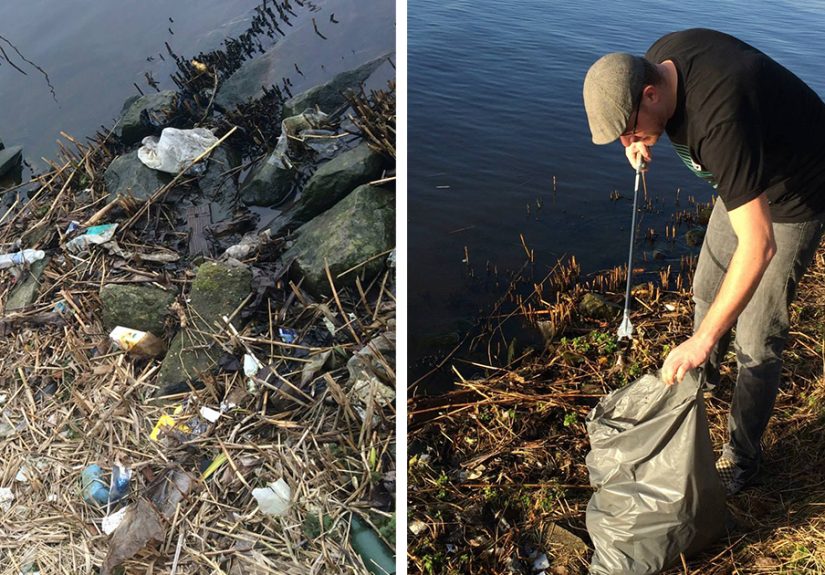
the person who gets so fed up that they turn a daily commute into a one-person cleanup crewwith receipts.
This is one of those stories. A Dutch commuter got tired of seeing the same wrappers, bottles, and
cigarette butts decorating his route like the world’s most depressing confetti. So he started picking
it up. But here’s the twist: he didn’t just haul it to the nearest bin and call it a day. He treated
litter like a problem you can measure, map, and fixone annoying piece at a time.
If you’ve ever muttered “Who raised you?” at a crushed can in a gutter, you’re going to love the logic
behind what he didand how you can borrow the strategy (without needing a cape, a grant, or a Dutch
bicycle that costs more than your first car).
The Commute That Turned Into a Cleanup Mission
The origin story is refreshingly unglamorous: a regular route, regular frustration, and a regular human
limit for seeing the same mess every day. Instead of waiting for “someone” to fix it (spoiler: “someone”
is usually busy), he decided to become the someone.
From “Ugh” to “Fine, I’ll Do It Myself”
At first, picking up litter sounds like a small actalmost too small. A couple wrappers here, a bottle
there. But small acts compound fast, especially when you do them daily. One commute becomes a pattern.
The pattern becomes a habit. The habit becomes a system. And suddenly you’re not just cleaning; you’re
learning.
That’s the secret sauce: when you pick up litter repeatedly in the same places, you start noticing
trends. Certain corners are always messy. Certain items repeat. Certain brands show up like they’re
running for office.
He Didn’t Just Pick It UpHe Turned It Into Data
Most of us treat litter like a gross surprise: “Ew,” toss it, move on. The Dutch commuter approach
flips that. Litter becomes information. Each piece answers questions:
What is it? Where is it? How often does it show up? Who made it?
The “Tag It Like You Mean It” Method
The idea is simple: document what you pick up. Not forever, not perfectlyjust consistently enough to
see patterns. Many cleanup communities use apps and tagging systems that capture location and time and
let you label what the item is (wrapper, can, cup), what it’s made of (plastic, metal, paper), and what
brand it came from.
This turns a complaint (“There’s trash everywhere!”) into a plan (“Most of the trash is here,
and it’s mostly these items, from these sources.”). That’s a big upgrade,
because decision-makers can argue with opinions all day. Data is harder to wave away.
Why Brands and Packaging Matter (Yes, Even the Annoying Candy Wrapper)
Litter isn’t random. It’s often tied to “on-the-go” consumption: snacks, fast food, drinks, tobacco.
In the U.S., research and cleanup reporting repeatedly show that small items dominate counts, with
cigarette butts and food-related packaging frequently near the top. That matters because what shows up
most is what cities spend the most time and money cleaning upand what ends up in storm drains, rivers,
and beaches when nobody catches it in time.
Why This Works: The Difference Between Cleaning and Solving
Picking up trash is helpful. But solving litter is about reducing how much appears tomorrow. The Dutch
commuter model is powerful because it targets the “tomorrow” part.
Hotspots Don’t Fix Themselves
When you map repeated litter locations, you often find predictable causes: bus stops, convenience stores,
parking lots, school routes, park entrances, and the stretch of sidewalk right after a place where people
finish a drink or a cigarette. That’s where targeted solutions work best:
- Better bin placement (not just more binssmarter bins).
- More frequent servicing so bins don’t overflow.
- Better signage and nudges at “decision points.”
- Infrastructure for specific items (like cigarette butt receptacles).
This is also why broad “Please don’t litter :)” signs often feel like whispering at a hurricane.
Specific problems usually need specific fixes.
Policy Levers: When the System Makes Litter Less Likely
One of the most practical system-level tools is a deposit return system for beverage containers
(often called a “bottle bill” in the U.S.). Put a small refundable deposit on a bottle or can and it
becomes less likely to be tossedand more likely to be picked up even if someone does toss it.
Studies and reporting around deposit laws often show meaningful reductions in beverage container litter
where these programs are strong and convenient.
The point isn’t that every policy is perfect. It’s that litter changes when incentives change.
People respond to friction, convenience, and valuesometimes faster than they respond to lectures.
What This Story Teaches the U.S. About Litter (Without the Guilt Trip)
The U.S. has no shortage of cleanup volunteers. The opportunity is to pair that energy with a
commuter-style “observe, record, adjust” mindset.
Small Items Are the Big Story
Many national and regional efforts emphasize a counterintuitive truth: tiny litter is everywhere.
Cigarette butts are frequently cited as a top littered item in communities and cleanups, and they’re
also a persistent form of marine debris. Meanwhile, food wrappers and packaging show up constantly,
especially in high-foot-traffic areas.
Translation: if you want the biggest impact, focus on what appears the most ofteneven if it’s not the
most dramatic-looking item.
Beaches Aren’t Separate From Streets
It’s tempting to think of ocean trash as a “coastal problem.” But a lot of that debris starts as street
litter. Rain, runoff, and stormwater systems don’t care if your wrapper “only” hit the curb. This is why
coastal cleanup organizations often talk about upstream prevention: the cleanest beach is the one that
never receives the trash in the first place.
The Psychology of Litter: Why One Wrapper Becomes Fifty
Litter is partly a behavior problem and partly an environment problem. People are more likely to litter
when a place already looks neglected. Mess signals “nobody cares,” and that signal spreads. The reverse
is also true: clean, well-maintained spaces create social pressure to keep them that way.
Make the Good Choice Easy
Most people don’t wake up excited to throw trash on the ground. They do it when:
- There’s no bin nearby (or it’s overflowing).
- They’re rushing, distracted, or in a crowd.
- The item is small and feels “insignificant.”
- The environment already looks messy.
A commuter cleanup mindset attacks those exact triggers: it identifies where bins are missing, where
overflow happens, what items are most common, and where the “mess signal” starts.
A Practical “Commuter Cleanup” Playbook You Can Start This Week
You don’t need to become a full-time litter analyst to borrow the method. You just need a repeatable
routine and a tiny bit of structure.
Step 1: Pick a Route You Already Walk
Choose your commute, dog-walk loop, school drop-off path, or coffee run. The magic is repetition.
Patterns don’t reveal themselves on random days in random places.
Step 2: Keep It Safe (Seriously)
- Use gloves and, if possible, a grabber tool.
- Avoid needles or anything sharp; don’t touch what you can’t identify.
- Don’t reach into storm drains or dense bushes where you can’t see hazards.
- Carry hand sanitizer. You’re doing public service, not starting a side quest with germs.
Step 3: Sort Lightly, Not Perfectly
If you can recycle, great. If you can’t, don’t let perfect become the enemy of cleaner. Some people use
a simple two-bag system: one for obvious recyclables (cans/bottles) and one for everything else. The key
is removing litter from the environment; sorting is a bonus when feasible.
Step 4: Log the “Top 3”
Instead of cataloging every crumb forever, track the three most common items you see each week. That’s
enough to spot trends. Example:
- Week 1: cigarette butts, candy wrappers, plastic bottle caps
- Week 2: cigarette butts, fast-food cups, snack bags
- Week 3: cigarette butts, mini liquor bottles, energy drink cans
After a month, you’ll have a clearer picture of what your area needs: butt receptacles, better bins,
more frequent servicing, or a focused campaign with a school, business, or property manager.
Step 5: Turn Observations Into Requests That Get “Yes”
Cities and businesses respond better to specifics than to frustration. Instead of “This place is gross,”
try:
- “This bus stop is consistently littered; a bin within 20 feet would likely reduce it.”
- “Overflow happens on weekends; can servicing increase Saturday morning?”
- “Cigarette butts are the dominant litter here; can we add a receptacle near the entrance?”
You’re not just complainingyou’re offering a measurable fix. That’s a different conversation.
FAQ: The Questions Everyone Asks When You Start Picking Up Trash
“Isn’t this just doing someone else’s job for free?”
It can feel that way. But there’s a difference between silently compensating for neglect and using
cleanup to expose patterns and push improvements. If you pair your effort with documentation and
outreach, you’re not just cleaningyou’re advocating for prevention.
“Won’t people litter more if they think someone will clean up?”
The bigger driver is social norms and infrastructure. Cleaning a hotspot and improving disposal options
can reduce the “mess signal” that invites more litter. If you combine cleanup with better bins and
messaging, you’re more likely to see improvement than backlash.
“What’s the one item I should focus on?”
Focus on what you see the most. In many places, that’s cigarette butts. In others, it’s snack packaging
or takeout items. Your sidewalk will tell you what matters mostif you pay attention.
Closing Thought: The Pettiest Superpower Is Consistency
The best part of the “annoyed commuter” approach is that it doesn’t require permission. It starts with
a bag, a pair of gloves, and a decision that your daily route doesn’t have to look like a landfill’s
internship program.
The Dutch guy didn’t win by being louder than the litter. He won by being more consistent than the
people creating itand by proving, with evidence, that litter isn’t a mystery. It’s a pattern. And
patterns can be changed.
Real-World Experiences Related to “A Dutch Guy Got Annoyed by Trash…” (Extra)
When people try a commuter cleanup for the first time, the most common experience is surprisenot at how
much trash exists (we all know), but at how predictable it is. The first week usually feels like
whack-a-mole: you pick up a pile near the crosswalk, and two days later it’s back. That can be discouraging
until you notice what’s really happening. The same types of items return because the same behaviors and
conditions return: a convenience store exit with no nearby bin, a bus stop where people finish snacks,
a parking lot corner where wind collects lightweight packaging.
Another common experience is the “brand déjà vu” moment. People start recognizing wrappers the way you
recognize a neighbor’s car. You don’t even need to be dramatic about itjust noticing, “Wow, it’s always
this exact snack bag,” changes your thinking. It shifts the story from “people are messy” to “this is a
repeatable stream of waste from specific products used in specific places.” That’s the point where many
folks start taking quick photos or jotting down notes, because their frustration finally has a shape.
Social reactions tend to go in three phases. Phase one: people ignore you (which is fineyour goal is
cleaner streets, not applause). Phase two: someone says, “Thank you,” and you feel oddly emotional about
it because you didn’t realize how starved public life is for small acts of care. Phase three: someone asks,
“Why are you doing that?” and you get to choose between the short answer (“Because trash is gross”) and the
long answer (“Because I’m trying to see what keeps showing up so we can stop it at the source”).
Workplace routes create their own set of experiences. If you pick up litter on the way to work, you’ll
probably notice peaks tied to the human schedule: Monday mornings can be worse near weekend hangout spots;
Friday afternoons can be messy near takeout places; the area around a building entrance collects cigarette
butts because people take “one last drag” before heading inside. People who stick with it often end up
bringing the pattern to a facilities manager or property team and saying, “If we add one receptacle here,
I bet we reduce 80% of this mess.” Even if you never calculate the percentage, the logic usually lands.
There’s also the “weird finds” experiencebecause sidewalks are basically the internet, but physical.
People report everything from single shoes to unopened utensils to promotional flyers that multiply like
gremlins after a rainstorm. The humor helps, but it also reveals something important: a lot of litter comes
from systems, not just individuals. Flyers blow away. Lightweight packaging escapes bins. Overflow turns a
trash can into a confetti cannon. Those discoveries push many commuter-cleanup folks toward prevention:
covered bins, better placement, and less disposable clutter in the first place.
Finally, there’s the internal experience: your brain changes. At first, you see litter as a nuisance.
Then you start seeing it as signals. You notice wind patterns, foot traffic, and “transition points” where
people finish items. You notice how fast a clean area feels betterand how quickly it feels worse when one
small pile returns. People often say the habit becomes oddly calming, like restoring order in a tiny corner
of the universe. Not because you’ve “fixed the world,” but because you’ve stopped being powerless on your
own block.
That’s the real takeaway from the Dutch commuter story: the biggest change isn’t the bag of trash you
collect today. It’s the way a repeatable, data-informed habit turns annoyance into actionand action into
improvements that outlast your next commute.