Table of Contents >> Show >> Hide
- What Do We Mean by “Daily Marijuana Use”?
- Head and Neck Cancers 101
- What Recent Research Says About Marijuana and Head & Neck Cancer
- Why Daily Smoking May Raise Head & Neck Cancer Risk
- What This Means If You Use Marijuana Every Day
- How to Lower Your Risk Without Freaking Out
- Real-World Experiences: How Daily Use Shows Up in People’s Lives
“It’s just weed, not cigarettes.” If you’ve heard (or said) that line, you’re not alone. As cannabis becomes legal in more states and socially acceptable in more circles, a lot of people treat daily marijuana use like an herbal multivitamin with vibes.
But emerging research is throwing some cold water on that idea. Several large studies now suggest that frequent or daily marijuana use may raise the risk of head and neck cancersespecially when it’s smoked and especially when it’s combined with other risk factors like cigarettes and alcohol.
This doesn’t mean everyone who uses cannabis is doomed, and it doesn’t mean the science is settled. It does mean that if “wake and bake” has become “wake, bake, repeat,” your mouth, throat, and voice box might deserve a little more attention.
What Do We Mean by “Daily Marijuana Use”?
First, a quick reality check on what “daily use” actually looks like in 2025. It’s not just a joint after work anymore. For many people, it’s:
- A few hits from a bong or pipe several times a day
- Vaping cannabis oil throughout the day
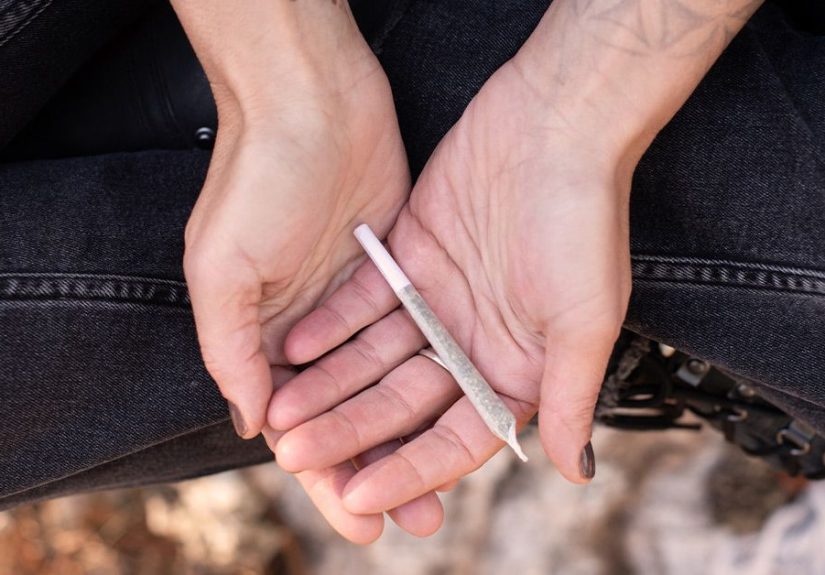
- Strong pre-rolls mixed with tobacco (“spliffs” or blunts)
- High-THC concentrates (“dabs”) on top of regular flower
In research, “heavy” or “frequent” use might mean near-daily or daily use over years, sometimes alongside a diagnosis of cannabis use disorder (CUD)a pattern where cannabis use starts causing problems but is hard to cut back.
Why does this matter? Because when we talk about cancer risk, we’re usually talking about dose and duration. The more often and the longer you expose your tissues to smoke and carcinogens, the more chances there are for damage.
Head and Neck Cancers 101
“Head and neck cancer” isn’t just one disease. It’s a group of cancers that typically start in the lining of the mouth, throat, nose, or voice box. Doctors often focus on head and neck squamous cell carcinomas (HNSCC), which are the most common type.
Where These Cancers Show Up
Common sites include:
- Oral cavity: tongue, gums, floor of the mouth, inner cheeks, hard palate
- Oropharynx: tonsils and the part of the throat behind the mouth
- Larynx: the voice box
- Nasopharynx and nasal cavities: behind the nose and sinuses
- Salivary glands
In the United States, the American Cancer Society estimates tens of thousands of new oral cavity and oropharyngeal cancer cases each year, with thousands of deaths annually. These cancers are more common in men and are strongly linked to tobacco use, heavy alcohol use, and HPV infection.
So where does marijuana fit into this picture?
What Recent Research Says About Marijuana and Head & Neck Cancer
For years, studies on cannabis and cancer risk were all over the map. Some early epidemiologic studies suggested higher risks, some found no association, and a few even suggested lower risks in certain subgroups.
More recently, however, larger and better-designed studies are pointing in a clearerand more concerningdirection, especially for heavy or daily users and those with cannabis use disorder.
A Large Cohort Study: Cannabis Use Disorder and Head & Neck Cancer
In 2024, a large cohort study published in JAMA Otolaryngology–Head & Neck Surgery looked at over 116,000 adults. People with a diagnosis of cannabis use disorder had a significantly higher risk of developing head and neck cancersincluding cancers of the oral cavity, oropharynx, nasopharynx, salivary glands, and larynxthan carefully matched individuals without CUD.
The key takeaway wasn’t “one joint = instant cancer.” It was that chronic, heavy usethe kind that shows up as a medical diagnosisappears to raise risk across multiple head and neck sites.
Oral Cancer Risk Skyrockets When Cannabis and Cigarettes Mix
More recently, a study highlighted in U.S. news coverage found that cigarette smokers with cannabis use disorder had a dramatically higher risk of oral cancer over the next five years compared with cigarette smokers who didn’t have CUDon the order of several hundred percent higher.
Translation: if you’re already smoking cigarettes and add daily weed smoking on top, you may be multiplying the stress on the tissues in your mouth and throat.
American Cancer Society: “Increased Risk for Certain Cancers”
The American Cancer Society has begun to directly acknowledge long-term cancer risks from frequent cannabis use. ACS notes emerging evidence linking cannabis use disorder to higher rates of certain cancers, including head and neck cancers, while emphasizing that more research is needed to clarify the relationship and mechanisms.
At the same time, ACS and the National Cancer Institute are clear on two other points:
- Cannabis may help with some symptoms like pain, nausea, and appetite in people with cancer.
- Cannabis has not been shown to cure cancer, despite what social media might claim.
The Evidence Isn’t PerfectBut It’s Getting Harder to Ignore
Not every study shows the same thing. Some earlier case–control studies didn’t find an increased risk of oral cancer with marijuana use, even at fairly high levels. Others even hinted at possible protective effects in certain subgroups or at different sites.
An umbrella review in a major public health journal recently summarized global data and concluded that the evidence linking cannabis exposure to cancer is still “suggestive rather than definitive”.
However, as more large datasets and better-adjusted analyses come in, the overall pictureespecially for heavy, daily, smoked useis looking less like “totally harmless” and more like “probably not something your ENT doctor would recommend.”
Why Daily Smoking May Raise Head & Neck Cancer Risk
Cannabis smoke is not a magical, risk-free vapor. Chemically, it contains many of the same carcinogens and irritants as tobacco smoke, including polycyclic aromatic hydrocarbons and other toxic compounds.
It’s Not Just What You SmokeIt’s How You Smoke
Research from public health agencies and lung organizations shows that:
- Smoking marijuana clearly irritates and damages lung tissue and large airways.
- Cannabis smokers tend to inhale more deeply and hold their breath longer than cigarette smokers, potentially increasing exposure to carcinogens per puff.
Now imagine that same hot, chemically complex smoke hitting the delicate lining of your lips, tongue, cheeks, throat, and voice box every single day.
Over time, repeated irritation and inflammation can lead to changes in the cells. Add in DNA damage from carcinogens, and you’ve got a pathway that looks uncomfortably similar to what we already know about tobacco and head and neck cancers.
HPV, Oral Health, and Other Players
Head and neck cancers aren’t just about smoke. HPV (human papillomavirus) plays a huge role, especially in oropharyngeal cancers. Some research suggests marijuana use may be associated with higher rates of oral HPV infection and gum diseaseboth potential contributors to cancer risk.
Daily smokers may also have:
- Poorer oral hygiene
- Chronic dry mouth (which can affect the protective environment in the mouth)
- More frequent mixing of cannabis with tobacco or alcohol
All of that adds up to an environment in the mouth and throat where cancer is more likely to take hold.
What This Means If You Use Marijuana Every Day
Here’s the part that matters for real life: risk is not destiny. Most daily users will not develop head and neck cancer. But the odds may be higher than for people who don’t smoke at all, and higher still if you pile on other risks.
Higher Risk When Combined with Tobacco and Alcohol
Daily cannabis use is especially concerning if you also:
- Smoke cigarettes or use other tobacco products
- Drink heavily or binge drink regularly
- Have HPV infection (especially high-risk strains)
- Rarely see a dentist or doctor
In the recent study on cigarette smokers with cannabis use disorder, the combination of tobacco and chronic cannabis use wasn’t just additiveit dramatically amplified the risk of oral cancer over a short time window.
Daily Weed vs. “Weed Cures Cancer” Myths
If your TikTok feed keeps telling you that “weed fights cancer,” it’s important to separate lab experiments from real-world human outcomes. Yes, some cannabinoids can kill or slow cancer cells in petri dishes and animal models. But that has not translated into evidence that smoking or ingesting cannabis in typical human doses prevents or cures cancer.
At the same time, daily smoking is exposing your aerodigestive tractthe mouth, throat, and lungsto compounds that look suspiciously like the ones in cigarette smoke. Public health agencies like the CDC and ACS now openly say we need to be cautious about the long-term cancer risks of cannabis, not dismissive.
How to Lower Your Risk Without Freaking Out
Good news: you don’t need to panic, burn your stash in a dramatic bonfire, and move to a monastery. But if you’re a daily user, it’s smart to shift from “it’s harmless” to “I should treat this like a real drug with real risks.” Here’s how.
1. Reassess How Often and How You Use
- Cut back from daily to occasional if you can. Every step away from “heavy daily” is likely to reduce risk.
- Avoid mixing cannabis with tobacco. That combo seems especially hard on the mouth and throat.
- If you use for medical reasons, talk with your clinician about alternative dosage forms and dosing schedules.
Non-smoked options like edibles may spare your mouth and throat from direct smoke exposure, though they come with their own issueslike possible heart and blood vessel effects and the risk of overdoing THC.
2. Take Your Mouth and Throat Seriously
If cannabis is part of your daily routine, basic self-care goes a long way:
- See a dentist regularly for cleanings and oral cancer screening.
- Watch for persistent sores or patches in the mouth, unexplained lumps, or changes in how your teeth fit together.
- Don’t ignore a sore throat, hoarseness, or trouble swallowing that lasts more than a couple of weeks.
Early detection dramatically improves outcomes for head and neck cancers. You want any suspicious spot checked early, not “after this strain is gone.”
3. Talk Honestly With Your Doctor
Many people are hesitant to tell their doctor about cannabis use, especially if it’s daily. But honest conversations help your doctor:
- Understand your real risk profile
- Offer better screening and prevention advice
- Work with you on realistic harm-reduction strategies
You don’t have to ask, “Is weed going to kill me?” A more useful question is, “Given that I use cannabis, what can I do to lower my overall cancer risk?”
Quick disclaimer: This article is for general information and education only. It’s not a substitute for personal medical advice, diagnosis, or treatment from a qualified health professional.
Real-World Experiences: How Daily Use Shows Up in People’s Lives
Statistics and risk ratios are helpful, but they don’t always capture what this looks like in real life. While everyone’s story is different, the themes below reflect common experiences clinicians, patients, and families report around daily marijuana use and head and neck health.
The Daily Smoker Who Thought It Was Only Stress
Picture someone in their 40s or early 50s who started smoking marijuana in college and never really stopped. Over time, “weekend relaxation” quietly turned into “morning and evening, plus stress breaks.” Add a pack of cigarettes a day, and you’ve got a lot happening in the mouth, throat, and lungs.
Months of a scratchy voice and a stubborn sore on the side of the tongue might get blamed on cold weather, hard work, or “I’ve just been yelling too much at games.” When the dentist finally notices a suspicious lesion and sends them to a specialist, the diagnosis of early-stage tongue or laryngeal cancer can feel like it came out of nowhereeven though the risk factors have been stacking up for years.
In these kinds of cases, people often say things like, “I knew cigarettes were bad, but I honestly thought the weed didn’t really count.” That mismatch between perception (“natural, so safe”) and reality (real chemical exposure) is exactly what new research is trying to correct.
The Medical Cannabis Patient Who Became a Daily User
Now imagine a person who started using cannabis to manage chronic pain, nausea, or anxiety. They may have tried prescription medications with rough side effects and found cannabis to be a relief. Over time, doses creep up, and cannabis goes from “as needed” to “every day” to “multiple times a day.”
When you feel like something finally works, it’s easy to overlook potential long-term downsides, especially if your friends or the internet keep telling you cannabis is “healthier than almost anything else.” It can be a shock to hear from an oncologist, ENT specialist, or dentist that heavy, smoked use might be increasing the risk of cancers in the same areas you rely on to speak, eat, and breathe.
For some, this becomes a turning point: they work with their care team to switch to lower-risk forms (like carefully dosed edibles or tinctures), reduce frequency, or integrate non-drug pain strategies. The goal isn’t always to quit completely; sometimes it’s to step back from “daily and heavy” to “occasional and thoughtful.”
The Dentist Who Sees the Early Warning Signs
On the other side of the chair, many dentists and hygienists quietly see patterns that never make it into headlines. They notice patients who:
- Show up smelling strongly of smoke every six months
- Have chronic irritation in the same areas of the mouth where joints or pipes rest
- Develop recurring ulcers or red and white patches that don’t quite look like minor trauma
When these professionals recommend a biopsy, refer to an oral surgeon, or urge a patient to see an ENT specialist, it’s not because they’re anti-cannabis. It’s because they’re seeing the early warning lights blinking. In conversations with patients, many describe a gentle but firm message: “You don’t need to be ashamed, but you do need to take this seriouslyand cutting back on smoking will absolutely help.”
How People Who Cut Back Describe the Difference
People who reduce or stop daily smoking often report changes that have nothing to do with lab tests or scans:
- Less morning cough and fewer throat-clearing fits
- Improved taste and enjoyment of food
- Fewer mouth sores and less gum irritation
- Feeling less anxious about every minor sore throat
Psychologically, stepping away from daily use can also bring a sense of “getting back in the driver’s seat.” Instead of planning your day around the next smoke break, you’re making more deliberate choices about when and why you use cannabis at all.
Where This Leaves You
If you’re a daily user reading this and feeling a little uneasy, that’s not a bad thing. A healthy amount of concern can be a powerful motivator. You don’t have to become a different person overnight. But you can:
- Book that dentist or doctor appointment you’ve been putting off
- Pay closer attention to your mouth, throat, and voice
- Experiment with using less often or switching to non-smoked forms
- Talk honestly with a healthcare professional about your cannabis use
Daily marijuana use doesn’t automatically mean head and neck cancer is in your future. But we’re far enough along in the research to say this clearly: your mouth and throat are not thrilled about being bathed in smoke every day. Taking that seriously now gives you the best chance to keep your voice loud, your smile bright, and your health on your side in the years ahead.