Table of Contents >> Show >> Hide
- What Is a Cotton Cleaning Cloth?
- Why Cotton Works So Well for Cleaning
- Cotton vs. Microfiber vs. Paper Towels
- How to Choose the Right Cotton Cleaning Cloth
- Best Uses Around the House
- Hygiene: Keeping Cloths Clean (Not Just “Technically Reusable”)
- How to Wash and Care for Cotton Cleaning Cloths
- Common Mistakes That Make Cotton Cloths Feel “Bad”
- Real-World Experiences: Using Cotton Cleaning Cloths (Extra ~)
- Conclusion
Some cleaning tools are flashy. A cotton cleaning cloth is not. It doesn’t beep, it doesn’t need Wi-Fi, and it will never demand a firmware update before it agrees to wipe a spill. It just shows upagain and againfor coffee rings, sticky counters, bathroom splashes, and that mysterious smudge on the fridge that appears the moment guests arrive.
But “cotton cloth” can mean a dozen different things: fluffy terry loops, tight flat weaves, rugged bar mops, or even a retired T-shirt with a second career. Pick the wrong one and you’ll leave lint confetti on glass or push grease around like you’re painting a mural. Pick the right one and you’ll clean faster, waste less, and keep your home feeling calmer (or at least less sticky).
What Is a Cotton Cleaning Cloth?
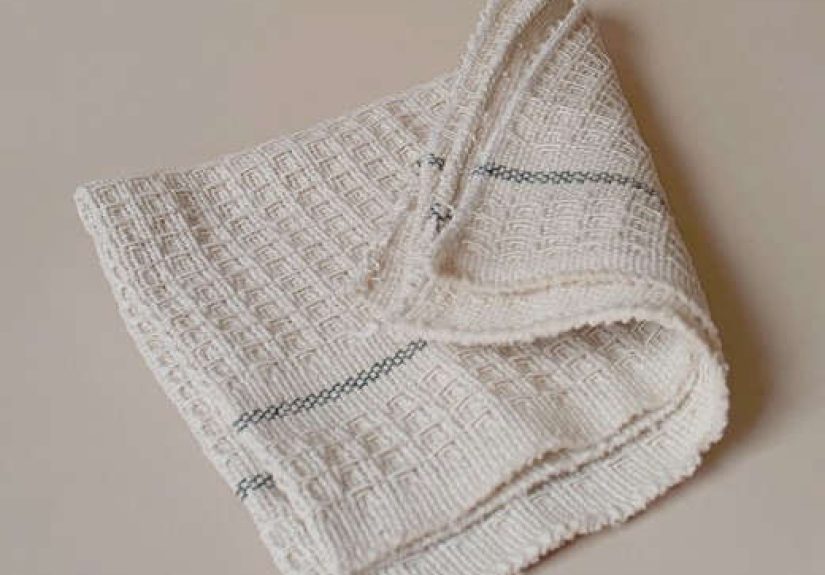
A cotton cleaning cloth is any reusable piece of cotton fabric used to wipe, dry, polish, or lightly scrub. Cotton is naturally absorbent and generally durable enough to handle frequent washing, which is why it’s a staple in kitchens and bathrooms. Some people buy dedicated cloths made for cleaning; others upcycle old cotton clothing into rags. Either way, the goal is the same: a reliable, washable cloth that can handle everyday messes without turning into a science project.
Common types you’ll see (and what they’re good for)
- Terry cloth: Loopy and plush; excellent for soaking up water and scrubbing mild grime.
- Bar mop towels: Sturdy, workhorse towels built for repeated wiping and frequent laundering.
- Flour sack towels: Flat-woven cotton with low lint; great for drying dishes and polishing glass.
- Jersey rags (old T-shirts): Soft, flexible, and typically lint-light after a few washes; ideal for dusting and buffing.
Why Cotton Works So Well for Cleaning
Absorbency that makes spills less dramatic
Cotton fibers readily absorb water, which makes cotton cloths excellent for blotting spills, drying hands, and wiping wet surfaces. Thick cotton cloths hold more liquid, so you’re less likely to “chase” a puddle across the counter and into places you didn’t plan to clean today.
Gentle scrubbing power (without being a bully)
Textured cotton weavesespecially terryoffer light abrasion. That’s enough for dried toothpaste, mild soap scum, sauce splatter, or a countertop that’s “mysteriously” sticky. The key is to avoid rubbing grit into delicate finishes: if the cloth picked up crumbs or sand, rinse it before you continue.
Washable, reusable, and not fussy
A reusable cloth only stays useful if it’s cleaned regularly. Cotton generally tolerates warm-to-hot washing better than many fabrics, which helps remove oils and odors. And yes, drying matters just as much as washing: a damp cloth left in a heap becomes a mildew invitation with excellent RSVP rates.
Cotton vs. Microfiber vs. Paper Towels
Cleaning isn’t a loyalty program. Different tasks want different materials. Cotton can do most household jobs well, but it helps to know where it shinesand where something else might be easier.
Choose cotton when you need…
- High absorbency for spills, wet wipe-downs, and drying.
- Durability for frequent laundering.
- A gentle touch on many everyday surfaces (with a clean, grit-free cloth).
- A low-waste routine that reduces reliance on single-use products.
Consider microfiber when you need…
- Dry dust capture for blinds, baseboards, and quick dusting.
- Lower streak risk on mirrors and glass with minimal product.
- Grease cutting on appliances and stovetops.
Microfiber tends to perform best when it’s cared for correctly. If you prefer a simpler laundry routine, cotton can still handle most cleaning tasksespecially if you match the cloth’s weave to the job.
Paper towels still have a place
For messes you don’t want to carry to the washerraw meat juices, pet accidents, or anything that feels like it should be handled with disposable materialspaper towels are often the safer, simpler call. Reusable cotton cloths are fantastic for routine cleaning, not for everything in the universe.
How to Choose the Right Cotton Cleaning Cloth
If someone says “cotton cloths don’t work,” the issue is usually mismatch: the cloth didn’t fit the task. Use these practical filters when buying or repurposing cotton cloths.
1) Pick the right weave
- Flat weave (flour sack, tight cotton): best for glass, polishing, dish drying, and low-lint wiping.
- Looped/terry: best for absorbing water, wiping counters, and mild scrubbing.
- Jersey (T-shirt rags): best for dusting, buffing, and applying cleaner without scratching.
2) Choose thickness based on your mess reality
Thin cloths are great for quick wipe-downs, buffing, and lighter cleaning. Thick cloths are better for big spills and heavy wiping. Many homes do best with a mix: one stack of thicker cloths for kitchen/bath messes and a smaller stack of flat cloths for glass and polishing.
3) Know your lint tolerance
For mirrors, windows, and glossy black appliances, lint is the enemy. Use tight, flat weave cotton or well-washed jersey rags. For counters, sinks, and floors, a little lint is usually a fair trade for terry cloth’s absorbency.
4) Don’t ignore construction details
- Edges and stitching: well-finished edges last longer and shed less.
- Size: smaller cloths saturate faster; larger towels handle bigger jobs.
- Color coding: helps keep kitchen cloths and bathroom cloths far, far apart (as nature intended).
Best Uses Around the House
Kitchen: the mess headquarters
- Routine counter cleaning: damp cloth + a little dish soap, then rinse and wring.
- Dish drying: flat weave cotton reduces lint transfer to glassware.
- Spill control: keep a thicker cloth for “oops” moments and swap it out quickly.
- Food-safety sanity: don’t reuse the same cloth for days in a food-prep area. Swap often and launder regularly.
Bathroom: moisture, soap, and mystery splashes
- Sink and faucet shine: damp cloth to clean; dry cloth to buff.
- Shower quick-wipe: a quick pass reduces soap scum buildup between deeper cleans.
- Toilet-zone cleaning: dedicate cloths to this job only and launder promptly.
Glass, mirrors, and stainless steel: the streak game
Use a two-cloth method: one slightly damp cloth to clean and lift soil, then one dry cloth to buff. If you see streaks, it’s usually too much cleaner, oily residue, or detergent buildup in the cloth. An extra rinse cycle in the wash often fixes the “why is everything smeary?” problem.
Hygiene: Keeping Cloths Clean (Not Just “Technically Reusable”)
The biggest risk with reusable cloths isn’t that they existit’s that people reuse them for too long. A damp, dirty cloth can spread grime instead of removing it. The fix is less dramatic than it sounds: swap more often, separate by task, and dry properly.
Use more cloths than you think you need
If you own two cloths, you’ll reuse them longer than you should. A bigger stash makes swapping easy: use a cloth, hang it to dry, toss it into a “wash bin,” and grab a fresh one. You don’t need superhuman disciplinejust enough cloths.
Separate by task
At minimum, keep kitchen and bathroom cloths separate. If you want a simple upgrade, add “floor/garage” cloths too. This prevents cross-contamination and saves you from the kind of cleaning mistake that makes you reconsider your entire life.
Dry before you store
After use, hang cloths so they fully dry. A ventilated hamper helps. Cloths left wet in a pile are basically a mildew spa retreat.
How to Wash and Care for Cotton Cleaning Cloths
Here’s a practical routine that balances cleanliness, convenience, and cloth longevitywithout requiring a doctorate in Laundry Studies.
Step 1: Pre-rinse greasy or gritty cloths
Rinse cloths that picked up grease, heavy soil, or grit. This keeps mess from spreading through the wash and helps detergent work efficiently.
Step 2: Wash with appropriate heat
For kitchen and bathroom cloths, use the warmest water the fabric can handle. Warm-to-hot washing is particularly helpful for removing oils that cause lingering odors. If a cloth is used only for light dusting, a warm wash may be plenty.
Step 3: Skip fabric softener and dryer sheets
Fabric softeners can coat fibers and reduce absorbency. If your cloths start feeling slick and stop soaking up water, residue is often the culprit. Cutting back on detergent, adding an extra rinse, and avoiding softener usually brings absorbency back over time.
Step 4: Use “boosters” only when they solve a real problem
- Bleach (when safe for the fabric): can help sanitize and brighten whites. Follow label directions and never mix bleach with incompatible cleaners.
- Oxygen bleach: helps with stains and dinginess and tends to work best in warm water.
- Vinegar: can help with buildup and odors, but don’t combine it with baking soda in the same cycle (they neutralize each other and you get mostly… fizz and disappointment).
Step 5: Dry fully
Dry cloths completely before storing. Medium heat is a good everyday setting; very high heat every time can shorten cloth life. Air-drying works toojust make sure there’s airflow.
Common Mistakes That Make Cotton Cloths Feel “Bad”
Using one cloth for everything
If a single cloth touches the bathroom, kitchen, and floors, it’s not cleaningit’s touring. Separate cloths by area and swap often.
Letting wet cloths sit
Wet cloths in a heap are the fastest route to musty odor. If you can’t run laundry immediately, at least hang cloths to dry first.
Overloading the washer
Cloths need space and water movement to rinse away soil. When the washer is packed too tight, everything comes out “kind of clean,” which is not a mood you want for kitchen cloths.
Real-World Experiences: Using Cotton Cleaning Cloths (Extra ~)
Let’s talk about what this looks like in actual day-to-day life, not in a perfectly staged cleaning video where nobody has children, pets, or a tendency to snack while walking. Most people notice the first benefit immediately: cotton cloths make cleaning feel faster. You wipe a spill, rinse, wipe again, and you’re finished. You’re not stuck tearing paper towels with wet hands or using three sheets to do the work one absorbent cloth could handle. The whole process feels less like a production and more like a habit.
The second “real life” moment is realizing everyone has a personal lint threshold. A thick terry cloth can be incredible on counters and sinks but a disaster on mirrors and glossy appliances, leaving fuzz that only shows up under the most unforgiving lighting. The fix is boring but effective: assign a flat-weave cotton towel (or a well-washed T-shirt rag) specifically for glass and polishing, and keep plush terry cloths for wet, messy jobs. Once you do that, cleaning stops feeling like a gamble and starts feeling predictable, which is the secret reason people love simple systems.
After a week or two, many households accidentally develop “cloth intuition.” You start reaching for a thicker bar mop towel for big wipe-downs because it holds more water and doesn’t quit halfway through a messy countertop. You grab a flat cloth to dry dishes because it doesn’t leave lint on glassware. You use jersey rags for buffing because they glide smoothly and don’t feel abrasive. And you keep one truly battle-scarred rag for questionable jobs like cleaning the garage shelf, wiping muddy shoes, or dealing with whatever leaked in the bottom of the fridge. This isn’t being extrait’s efficiency. The right cloth reduces the number of passes you need, and that makes cleaning feel less annoying.
There’s also a classic learning experience: the first time you reuse a cloth for too long. It’s not usually a dramatic health event; it’s a smell. A damp cloth gets used, tossed into a pile, and forgotten. The next day it has a sour odor that makes you question whether the cloth is mad at you personally. This is where the key habit forms: drying matters as much as washing. People who stay happy with cotton cloths tend to hang used cloths to dry (even if they’ll wash later) and keep enough extras so swapping is effortless. More cloths means you’re less tempted to reuse a questionable one just because “it’s probably fine.”
Once you get the hang of it, odor problems become solvable instead of mysterious. Musty cloths usually come from residue plus damp storage: too much detergent, fabric softener buildup, or poor rinsing, combined with cloths sitting wet. When households switch to “wash with sensible detergent, skip softener, use appropriate heat, don’t overload the washer, and dry fully,” the smell problem often improves quickly. Some people also like an occasional vinegar rinse to help with buildup, but the bigger win is simply not coating the fibers with products that reduce absorbency.
Finally, there’s a satisfaction factor that’s hard to measure but easy to feel. With a drawer full of cotton cloths, paper towel use drops without willpowerbecause the cloth is right there. Many people find the most satisfying cloths are the “free” ones: old cotton tees cut into squares, soft and lint-light, perfect for dusting and polishing. It feels practical, not performativeless trash, fewer shopping trips, and a cleaning routine that still works even when life is busy. And if you enjoy tiny victories, there’s something deeply pleasing about cleaning a mess with a cloth that would otherwise have been thrown away.
Conclusion
A cotton cleaning cloth is simple, but it’s not basic. Choose the right weave, keep cloths separated by task, swap them often, wash them thoughtfully, and dry them completely. Do that and you’ll get a cleaning routine that’s cheaper over time, less wasteful, and genuinely easier to keep up withbecause nothing says “calm home” like wiping a mess in one pass and moving on with your day.