Table of Contents >> Show >> Hide
- Why Cordless Wins: Momentum Is a Feature
- Choose a Battery Platform Like You Choose a Phone Ecosystem
- The Cordless Core: Tools That Keep Projects Rolling
- 1) Drill/Driver: the universal remote of DIY
- 2) Impact Driver: speed, torque, and fewer stripped screws
- 3) Impact Wrench: when “tight” becomes “nope”
- 4) Oscillating Multi-Tool: the problem-solver in your pocket
- 5) Circular Saw: the pace-setter for lumber and sheet goods
- 6) Reciprocating Saw: demolition’s best friend
- 7) Angle Grinder: cutting, grinding, and cleanup
- 8) Cordless Brad Nailer: trim work without the compressor tantrum
- 9) Random Orbit Sander: the difference between “DIY” and “done well”
- 10) The “Momentum Extras”: lights, vacuums, inflators, and fans
- 11) Outdoor cordless tools: keep the yard from becoming a second job
- Features Worth Paying For (and a few you can skip)
- Battery Strategy: How to Avoid the “Dead Pack Pause”
- Buying Smarter: Kits, Bare Tools, and When Used Makes Sense
- Wrap-Up: Keep the Momentum, Lose the Cord
- Experience Notes: What Real Projects Teach You About Going Cordless (Extra )
There are two kinds of project momentum: the kind you feel when everything’s clicking… and the kind that gets murdered by a tangled extension cord that somehow tied itself into a sailor’s knot while you blinked.
Cordless tools don’t just cut the cordthey cut the delays. You set up faster, move room-to-room without dragging a power noodle behind you, and you keep working when the only outlet is mysteriously “already in use” by a fridge, a freezer, and a phone charger that’s apparently powering a small city.
This guide breaks down the cordless tools that keep projects rolling, what to look for (so you don’t buy the “almost-right” tool twice), and how to build a battery strategy that prevents the most tragic phrase in DIY: “Hang on… my battery died.”
Why Cordless Wins: Momentum Is a Feature
Cordless tools shine in real-world work because they remove frictionliterally and figuratively. No cord management, fewer trip hazards, fewer “Where’s the outlet?” moments, and way less time repositioning power.
- Faster starts: Grab tool, grab battery, go.
- Cleaner movement: Remodels, decks, fences, and garages get a lot easier when you’re not dragging cords across corners and ladders.
- Better access: Tight cabinets, attics, crawl spaces, and unfinished basements are basically cordless territory.
- Modern power is legit: Today’s cordless toolsespecially brushlesshandle workloads that used to demand a cord (or a lot of patience).
Choose a Battery Platform Like You Choose a Phone Ecosystem
The most important cordless decision is rarely the tool. It’s the battery platform. Once you buy into a system, you’ll likely keep adding bare tools (tool-only) and swapping batteries across everything. The goal is simple: one battery family, many tools, fewer headaches.
What “one platform” actually buys you
A consistent battery system means you can run drills, saws, nailers, lights, vacuums, and outdoor tools without owning six different chargers and a drawer full of “mystery batteries.” Many major brands emphasize broad cross-compatibility across their cordless lineup, which is exactly what keeps projects moving.
12V vs 18V/20V Max vs 36V/40V: voltage without the drama
Here’s the short version: 12V tools are compact and great for cabinets, hardware, and lighter work. 18V/20V Max is the sweet spot for most DIYers and prosenough muscle for drilling, fastening, cutting, and a ton of specialty tools. 36V/40V class (often achieved via higher-voltage batteries or dual-battery setups) is where you see more cordless outdoor power equipment and heavy-demand tools.
Also: the “18V vs 20V Max” thing is mostly labeling. Many “20V Max” packs are essentially the same nominal voltage as “18V” packs in usethe numbers describe different ways of reporting voltage (maximum vs nominal). What matters more is the tool design, motor efficiency, battery capacity, and how well the system delivers power under load.
Amp-hours, watt-hours, and why your “5Ah” battery isn’t magic
Battery capacity is commonly shown in amp-hours (Ah). In plain English, higher Ah usually means more runtime, but it also often means more weight. The truly useful comparison is watt-hours (Wh) (volts × amp-hours), which better reflects total energy.
The trick: runtime depends on the tool and the job. A drill driving small screws sips power. A circular saw cutting thick lumber guzzles it. The “best” battery is the one that fits the moment: lighter packs for overhead work and long sessions, bigger packs for saws, grinders, vacuums, and outdoor tools.
The Cordless Core: Tools That Keep Projects Rolling
If you’re building a cordless kit designed for momentum, start with the tools that prevent bottlenecks. These are the “always grabbing it” tools.
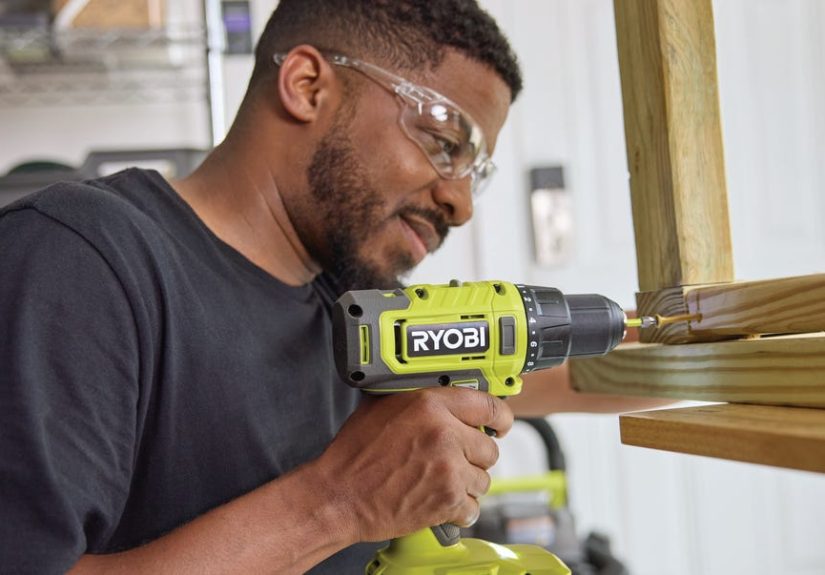
1) Drill/Driver: the universal remote of DIY
A cordless drill/driver handles pilot holes, assembly, hardware installs, shelving, and most “I need a hole right here” moments. Look for:
- Two-speed gearbox: low speed/high torque for driving, high speed for drilling.
- Clutch settings: saves you from sinking screws into another dimension.
- Good ergonomics: the best drill is the one you don’t hate holding.
Example: Hanging kitchen cabinets? A drill/driver is for drilling and controlled driving. You’ll still want an impact driver for speed and stubborn fastenersbut the drill is the tool you keep reaching for to stay accurate.
2) Impact Driver: speed, torque, and fewer stripped screws
Impact drivers are the secret sauce for momentum because they drive fasteners faster with less effortespecially long structural screws or lots of repetitive work. They use a hammering mechanism that boosts torque and reduces the “wrist twist” you get when a drill binds.
Example: Building a deck or fence. Once your layout is set, an impact driver is the tool that eats through hundreds of fasteners without draining your soul.
3) Impact Wrench: when “tight” becomes “nope”
If you work on vehicles, outdoor equipment, or heavy lag bolts, a cordless impact wrench can save enormous time. It’s not just an impact driver with an attitudeit’s a different class of torque intended for nuts, bolts, and stubborn hardware.
Example: Changing mower blades, loosening rusted bolts, or installing big structural connectors. The right impact wrench turns “I need a breaker bar” into “done.”
4) Oscillating Multi-Tool: the problem-solver in your pocket
The oscillating multi-tool is what you grab when something is awkward, flush, or annoying. It can cut drywall openings, trim door casing, plunge-cut in tight spots, scrape adhesive, and sand details. It’s the cordless tool equivalent of a Swiss Army knifeexcept louder.
Example: You’re installing flooring and need to undercut door jambs. Multi-tool. You’re adjusting trim around a new outlet box. Multi-tool. You’re removing old caulk. You guessed it.
5) Circular Saw: the pace-setter for lumber and sheet goods
A cordless circular saw is a momentum machine for framing, decking, plywood cuts, and quick breakdowns. If you do a lot of sheet goods, consider a track saw system (some are cordless) for cleaner, straighter cuts.
- Look for: solid base plate, easy depth adjustments, good visibility, and dust management options.
- Battery tip: saws love higher-capacity packs. Bring the big batteries to the cutting party.
6) Reciprocating Saw: demolition’s best friend
When you’re cutting studs, pipe, nails, roots, or anything that feels like it should be illegal to cut, a cordless reciprocating saw is the tool. Blade choice matters as much as the sawwood, metal, demolition blades, and pruning blades all change performance dramatically.
Example: Removing an old deck, cutting out damaged framing, trimming tree limbs, or slicing through “mystery fasteners” hidden behind drywall.
7) Angle Grinder: cutting, grinding, and cleanup
A cordless angle grinder handles metal cutting, grinding welds, removing rust, and trimming masonry with the right wheel. It’s incredibly usefuland also a reminder that safety gear isn’t optional.
8) Cordless Brad Nailer: trim work without the compressor tantrum
If you do trim, cabinetry, baseboards, or built-ins, a cordless brad nailer is one of the biggest “why didn’t I buy this sooner?” upgrades. No hose. No compressor. No “Where’s the coupler?” scavenger hunt. Just consistent fastening that keeps finish work flowing.
Example: Installing crown molding or baseboards. A cordless nailer means you can fit, tack, adjust, and move without dragging a hose through freshly painted walls.
9) Random Orbit Sander: the difference between “DIY” and “done well”
Sanding is rarely glamorous, but it’s where projects win or lose. A cordless random orbit sander keeps you moving because you’re not wrestling a cord while trying to keep a consistent pattern. Pair it with good dust collection and quality discs, and your finish improves fast.
10) The “Momentum Extras”: lights, vacuums, inflators, and fans
These aren’t flashy, but they prevent slowdowns:
- Work light: because shadows make mistakes look like “character.”
- Compact vacuum: quick cleanup keeps your workspace usable and safer.
- Inflator: tires, inflatables, sports gearsurprisingly handy mid-project.
- Jobsite fan: comfort keeps you working longer, especially in garages and attics.
11) Outdoor cordless tools: keep the yard from becoming a second job
Battery-powered outdoor toolslike string trimmers and blowershave improved massively. They’re quieter than gas, easier to start, and don’t leave you smelling like you lost a fight with an engine. If your battery platform offers outdoor tools, it’s often worth staying in the same ecosystem.
Features Worth Paying For (and a few you can skip)
Brushless motors: more efficiency, more runtime, less drama
Brushless tools generally run more efficiently and can deliver strong performance with better battery life and less wear. For frequent use, bigger projects, or demanding tools (saws, grinders, outdoor equipment), brushless is often a practical upgrade.
Smart controls and modes: useful when they solve real problems
Some cordless systems offer app-connected features like tool tracking, customized speed/torque modes, inventory management, and jobsite reporting. For pros managing multiple tools or dialing in repeatable settings, smart controls can reduce mistakes and rework. For many DIYers, it’s a “nice-to-have” rather than a must-haveunless you love data (or lose tools like it’s your hobby).
Safety features: the boring stuff that saves your day
Look for features that prevent injury and reduce damage: effective guards on grinders and saws, electronic brakes, anti-kickback or control modes, and solid trigger control. Cordless tools are powerful nowtreat them like it.
Battery Strategy: How to Avoid the “Dead Pack Pause”
The fastest tool in the world is useless when it’s waiting on a charger. A simple battery plan keeps you moving:
- Use the two-battery rule: one in the tool, one charging (or resting) for rotation.
- Match battery to tool: small batteries for drills/drivers and overhead work; larger batteries for saws, grinders, vacuums, and outdoor tools.
- Stage charging: set up a dedicated, ventilated charging spotespecially if you’re running multiple packs.
- Don’t mix-and-match chargers: use chargers designed for your battery system.
Charging and storage: keep it safe and keep it smart
Lithium-ion batteries pack a lot of energy, which is why they’re so usefuland why basic care matters. Follow manufacturer instructions, avoid charging damaged packs, don’t use damaged chargers, and store batteries in cool, dry conditions away from extreme heat. If a battery looks swollen, smells odd, leaks, or was dropped hard, treat it seriously and don’t “just see if it still works.”
Buying Smarter: Kits, Bare Tools, and When Used Makes Sense
Here’s how to stretch your budget without sabotaging momentum:
- Start with a kit: a drill/driver + impact driver combo often includes two batteries and a chargergreat platform entry point.
- Add bare tools later: once you have batteries, tool-only purchases are usually cheaper.
- Be cautious with used cordless tools: the battery pack can be the hidden cost. If you buy used, verify battery age and performance, and make sure the tool’s safety features are intact.
Wrap-Up: Keep the Momentum, Lose the Cord
The best cordless setup isn’t about owning every toolit’s about owning the right tools that prevent slowdowns. Build around a battery platform you’ll stick with, prioritize the “momentum core” (drill, impact driver, saw, multi-tool), and invest in the battery strategy that keeps you working instead of waiting.
Because the real goal isn’t just finishing the project. It’s finishing the project without spending half your weekend arguing with an extension cord that’s somehow wrapped around your ladder like it pays rent.
Experience Notes: What Real Projects Teach You About Going Cordless (Extra )
People don’t “learn cordless” from spec sheets. They learn it from the small, painfully specific moments that happen mid-projectusually with a screw halfway driven and your helper asking, “Is it supposed to stop like that?”
One of the first lessons is that batteries are scheduling. On paper, you have plenty of runtime. In reality, the job always finds a way to demand the highest draw at the worst possible time. Cutting pressure-treated lumber with a circular saw? That battery drains faster. Running a vacuum to clean up a drywall mess so you can keep working? Surprisemore drain. After a few projects, most people land on the same habit: rotate batteries like you rotate laundry. You don’t wait until you’re out of clean socks to do something about it.
Another real-world discovery: weight is performance, too. A big battery can make a saw feel unstoppable, but it can also make a drill feel like you’re holding a brick at arm’s length while perched on a step stool. Overhead workinstalling cabinet hardware, driving screws under a sink, fastening something above a door is where a smaller battery suddenly feels like a genius move. Plenty of DIYers end up keeping one “light battery” specifically for drills and impacts, and saving the higher-capacity packs for cutting tools.
Then there’s the “tool handoff” effect. Once you have both a drill/driver and an impact driver, you stop swapping bits constantly. You drill pilot holes with one tool, then drive fasteners with the otherback and forthwithout breaking rhythm. That two-tool workflow is a quiet productivity boost that you don’t appreciate until you experience it. It’s also why combo kits are such a practical starting point: you’re buying momentum, not just hardware.
Cordless trim tools create another kind of momentum: the kind that feels like cheating. A cordless brad nailer eliminates the compressor, hose, and setup. Suddenly, “I’ll just tack this in place” becomes a normal sentence again. The same goes for a cordless work lightonce you can put bright light exactly where you need it, you spend less time repositioning yourself and more time doing accurate work. Better visibility means fewer mistakes, fewer do-overs, and fewer “how did I miss that?” moments.
Finally, the biggest “cordless wisdom” is this: cordless tools keep you moving only if you plan for the pauses. Set a charging spot that’s always ready. Keep your charger accessible (not buried under offcuts and optimism). If you work in multiple areasgarage, backyard, inside the houseconsider a small tote with a spare battery, a bit set, and a charger. That tiny mobile setup prevents the classic project-killer: walking away “for one thing,” getting distracted, and returning 30 minutes later like you time-traveled.
Cordless tools are freedom, sure. But the real magic is that they turn scattered effort into steady progress. Less setup, fewer interruptions, cleaner movementand a lot more “done” at the end of the day.