Table of Contents >> Show >> Hide
- What COPD Is (and Why Symptoms Build Slowly)
- The Most Common COPD Symptoms
- Less-Obvious Symptoms People Often Miss
- What COPD Symptoms Look Like Day-to-Day (Realistic Examples)
- COPD Flare-Ups (Exacerbations): When Symptoms Suddenly Get Worse
- When to Call a Doctor vs. When to Seek Emergency Care
- Why Symptoms Alone Aren’t Enough (and How COPD Is Diagnosed)
- Tracking Symptoms Like a Pro (Without Becoming a Spreadsheet Person)
- Symptom Relief: What Actually Helps (and What’s Worth Asking About)
- of Real-World Experiences (What People Living With COPD Often Describe)
Quick heads-up: This article is for education, not a diagnosis. If you’re worried about your breathing, a clinician can help you sort out what’s going onand sooner is almost always easier than later.
Some symptoms are loud and obvious (hello, cough that refuses to take a hint). Others are sneakierlike getting “out of shape” in slow motion. If you’ve been noticing a stubborn cough, wheezing, shortness of breath, or a mysterious relationship with phlegm, you might be wondering about COPD.
Let’s unpack what COPD symptoms actually look like in real life, why they happen, what counts as a flare-up, and when it’s time to stop Googling and start getting checked out.
What COPD Is (and Why Symptoms Build Slowly)
COPD stands for chronic obstructive pulmonary disease. It’s an umbrella term for long-term lung conditionsmost commonly emphysema and chronic bronchitisthat make it harder to move air in and out of your lungs. Think of it like breathing through a straw that’s gradually getting narrower, plus extra mucus that insists on moving in rent-free.
In COPD, airways can become inflamed and narrowed, mucus can thicken, and the tiny air sacs (alveoli) that exchange oxygen can lose elasticity. The result? You may feel short of breath, cough more, and hear wheezingespecially as the disease progresses or during a flare-up.
One tricky part: symptoms often start mild. Many people write them off as “getting older,” “being out of shape,” or “seasonal stuff.” (Spoiler: your lungs do not age like fine wine.)
The Most Common COPD Symptoms
If COPD had a “greatest hits” album, these tracks would be on repeat:
1) Chronic cough (often the first clue)
A COPD cough can be persistentmost days, sometimes for months or years. It may be dry, but it’s often productive (meaning you cough up mucus). People sometimes call it a “smoker’s cough,” but you don’t need to be a current smoker to have COPD or COPD-like symptoms.
What it can feel like: a cough that shows up every morning like an unwanted alarm clock… except you can’t hit snooze.
2) Mucus (sputum/phlegm) that’s hard to ignore
Many people with COPD cough up sputum (also called mucus or phlegm). This can happen daily or flare during infections and irritant exposure (smoke, pollution, strong odors).
Pay attention to changes in amount, thickness, or colorespecially if mucus turns yellow/green or suddenly increases. That can be a sign of infection or a COPD exacerbation (more on that soon).
3) Shortness of breath (dyspnea), especially with activity
This is a big one. COPD shortness of breath often starts with exertion: climbing stairs, carrying groceries, walking quickly, or doing chores that used to be easy. Over time, it can show up with lighter activityor even at rest.
What it can feel like: you’re doing normal-life things, but your lungs are acting like you’re sprinting uphill.
4) Wheezing (the “tiny kazoo” sound)
Wheezing is a whistling or squeaky sound when you breathe, often more noticeable on exhale. It happens when air has to squeeze through narrowed or inflamed airways. Not everyone with COPD wheezes all the time, but it’s commonespecially during flare-ups.
5) Chest tightness
Some people describe a heaviness, pressure, or tight band around the chest. This can be from airway narrowing, trapped air, or overworked breathing muscles.
Important: chest tightness has many possible causes. If you have sudden chest pain, pressure, or symptoms that feel heart-related, seek urgent medical help.
6) Fatigue (because breathing becomes work)
When your lungs struggle, the rest of your body feels it. You may feel tired more easily, need more breaks, or feel wiped out by tasks you used to breeze through. Poor sleep (from coughing, breathlessness, or anxiety during flare-ups) can add to the exhaustion.
Less-Obvious Symptoms People Often Miss
COPD symptoms aren’t always dramatic. Sometimes they’re just… annoying. And frequent. And slowly increasing. Here are a few that deserve more attention:
Frequent respiratory infections
Colds, flu, bronchitis, or pneumonia can hit harder and linger longer. Many people notice they’re “always getting something” or that each infection takes longer to recover from than it used to.
Trouble taking a deep breath
Air trapping can make it feel like you can’t fully exhaleso the next inhale has less room to come in. That can create the sensation of not being able to take a satisfying deep breath.
Unintended weight loss or reduced appetite
In more advanced COPD, breathing can burn more energy, and eating may feel harder if you’re short of breath. Some people lose weight without trying.
Swelling in ankles/legs or bluish lips/fingernails
These can be signs of low oxygen or strain on the heart/lungs. They are not “wait and see” symptomsespecially if new or worsening.
What COPD Symptoms Look Like Day-to-Day (Realistic Examples)
Symptoms are easier to recognize when they’re tied to everyday moments. Here are a few common patterns:
- The “I’m just slow today” spiral: You start walking slower to avoid getting winded. Over months, that slower pace becomes your new normal.
- The morning cough routine: You cough most mornings, often with mucus, then feel “better” lateruntil the next day.
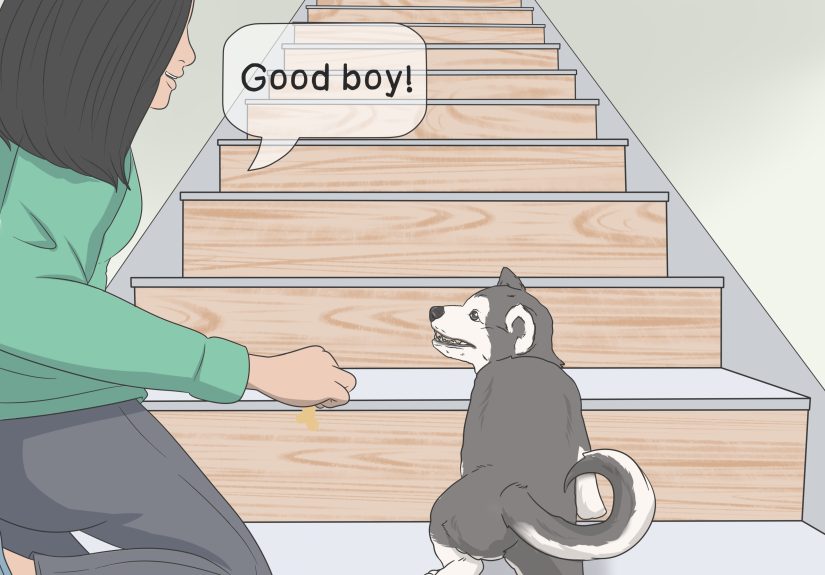
- The stair negotiation: You mentally plan routes to avoid stairs, or you take them one step at a time, pausing at landings like they’re scenic overlooks.
- The smell trigger: Strong perfume, smoke, cleaning products, or cold air makes your chest feel tight or sets off coughing.
These patterns don’t prove COPD, but they’re common reasons people finally seek evaluation.
COPD Flare-Ups (Exacerbations): When Symptoms Suddenly Get Worse
A COPD exacerbation (also called a flare-up) is a period when respiratory symptoms worsen beyond day-to-day variation and you may need additional treatment. Flare-ups are a big deal because they can speed up lung decline and sometimes require urgent care.
Common warning signs of a flare-up
- More shortness of breath than usual (especially if it limits talking or walking)
- More coughing or more frequent coughing fits
- Wheezing or noisier breathing
- More mucusor mucus that’s thicker, stickier, or changes color
- Chest tightness
- Fever, cold symptoms, or feeling “flu-ish”
- Trouble sleeping because breathing feels harder
- New anxiety or a sense of “I can’t catch my breath”
Common flare-up triggers
Many flare-ups are linked to respiratory infections (viral or bacterial). Others are triggered by air pollution, smoke exposure, strong odors, cold air, or allergens. Sometimes the trigger isn’t obviouswhich is frustrating, but not unusual.
Practical tip: If you have diagnosed COPD, ask your clinician for a personalized action planwhat to do when symptoms worsen, which meds to adjust, and when to seek urgent care.
When to Call a Doctor vs. When to Seek Emergency Care
Breathing symptoms can turn serious quickly. Use common sense, and don’t try to “tough it out” if you feel unsafe. In general:
Call a clinician soon (same day if possible) if you notice:
- Shortness of breath that’s clearly worse than your usual baseline
- More mucus, thicker mucus, or a change in color
- Fever, chills, or signs of infection
- Wheezing that’s new or worsening
- Needing your rescue inhaler more often than usual
Seek emergency care immediately if you have:
- Severe trouble breathing (especially at rest)
- Difficulty speaking in full sentences because you’re out of breath
- Bluish lips or fingernails
- Confusion, extreme drowsiness, or fainting
- Chest pain/pressure, severe palpitations, or symptoms that feel like a heart emergency
If you’re ever unsure, err on the side of getting help. Your lungs will not be offended by caution.
Why Symptoms Alone Aren’t Enough (and How COPD Is Diagnosed)
Here’s the twist: many conditions can mimic COPD symptoms. Asthma, heart failure, pneumonia, long COVID complications, pulmonary embolism, reflux, and even anxiety can cause shortness of breath or chest tightness.
That’s why clinicians use a combination of history (smoking, exposure to dust/chemicals, indoor smoke, air pollution, family history) plus testing. The most common test is spirometry, which measures how much air you can blow out and how fasthelping confirm airflow limitation consistent with COPD.
Tracking Symptoms Like a Pro (Without Becoming a Spreadsheet Person)
You don’t need fancy gadgets to notice meaningful patterns. A simple weekly check-in can help:
- Breathlessness: What activities trigger it now vs. 3 months ago?
- Cough: Daily? Mostly mornings? Worsening?
- Mucus: Amount, thickness, color changes?
- Wheezing: New? Only with colds? More frequent?
- Sleep: Waking up breathless or coughing?
- Infections: How often are you getting sick? How long do you take to recover?
Bring these notes to appointments. You’ll save time, and your clinician gets a clearer picture than “Uh… I guess it’s worse?”
Symptom Relief: What Actually Helps (and What’s Worth Asking About)
COPD is chronic, but symptoms can often be improved. Treatment is individualized, but these are common pillars of care:
Medications (especially inhalers)
Inhalers can help open airways and reduce inflammation. Many people benefit from a combination of a daily maintenance inhaler and a rescue inhaler for sudden symptoms. Inhaler technique matters a lotusing it incorrectly is like spraying air freshener into the wind and hoping your house smells nice.
Smoking cessation and trigger control
If you smoke, quitting is one of the most powerful ways to slow COPD progression. Avoiding secondhand smoke and occupational or household irritants can also help reduce cough and flare-ups.
Pulmonary rehabilitation
Pulmonary rehab is a structured program that combines supervised exercise, breathing techniques, education, and support. It can improve shortness of breath, stamina, and confidence in daily activities.
Vaccines and infection prevention
Respiratory infections can trigger flare-ups. Staying up to date with recommended vaccines and seeking early care when infections hit can make a real difference.
Breathing strategies
Techniques like pursed-lip breathing and pacing your activity can reduce “air hunger” during exertion. Many people also find that planning rest breaksbefore you’re exhaustedhelps them stay more active overall.
of Real-World Experiences (What People Living With COPD Often Describe)
Because COPD symptoms can creep in quietly, people often don’t recognize them as “lung symptoms” at first. Instead, they describe life changessmall adaptations that pile up. Below are composite experiences (not individual medical stories) that reflect patterns clinicians and support communities commonly hear.
“My cough became part of my morning routine.”
A lot of people describe a cough that shows up most mornings, sometimes with mucus, then fades into the background by midday. At first it’s easy to dismiss: “It’s just allergies,” or “It’s just the weather,” or the classic, “I’ve always coughed a little.” The shift happens when the cough gets louder, more frequent, or more productivewhen you start planning your morning around a few minutes of clearing your chest. Some people notice they keep a drink nearby because their throat feels irritated, or they avoid phone calls early in the day because talking triggers coughing fits. The weird part is how normal it starts to feel. When something is daily, your brain files it under ‘routine’ instead of ‘symptom.’
“Stairs turned into a negotiation.”
Breathlessness is often described as a gradual trade: you don’t stop doing thingsyou do them differently. Stairs are a classic example. People start taking them slower, pausing at landings, or using the handrail like it’s a supportive friend. You might tell yourself you’re “saving your knees,” but the real reason is you don’t want that tight-chest, can’t-catch-my-breath feeling halfway up. Some people avoid stairs altogether, choosing parking spots closer to entrances or finding elevators even when it’s “just one floor.” Over time, the body gets deconditioned from doing less, which can make breathlessness feel even worse. That’s why getting evaluatedand getting the right planmatters. It’s not about toughness; it’s about breaking the cycle.
“Wheezing didn’t sound scary… until it did.”
Wheezing can start as an occasional squeak when you laugh hard, breathe cold air, or get a minor cold. People often describe it as sounding like a tiny whistle or a “kettle starting to boil,” especially at night when everything is quiet. During flare-ups, wheezing can become more constant and paired with heavier breathing workshoulders lifting, chest muscles straining, and that unsettling sensation of not getting enough air even though you’re trying. Many people say the emotional side surprised them: breathlessness can trigger anxiety, which then makes breathing feel even harder. Learning a planwhat meds to use, when to rest, how to use pursed-lip breathingcan bring back a sense of control.
“Flare-ups felt like my lungs had a bad week.”
People often describe exacerbations as a sudden step down: more coughing, thicker mucus, shorter breath, poor sleep, and exhaustion that doesn’t match the day’s activity. Some notice mucus changes color or increases quickly. Others say they feel “off” before the breathing gets obviously worsemore tired, more irritable, less able to do normal tasks. Recognizing early warning signs is huge. Getting treatment early can sometimes prevent a flare-up from turning into an ER visit. Many people say their biggest learning moment was realizing they didn’t have to wait until things were extreme to call their clinician.
If any of these experiences sound familiar, don’t panicbut don’t ignore it either. COPD and other conditions that affect breathing are often more manageable when you catch changes early and build a plan with a healthcare professional.