Table of Contents >> Show >> Hide
- Quick takeaway (the “tell me first” version)
- Why COPD raises your pneumonia risk
- What pneumonia is (and why it hits harder with COPD)
- Who’s at the highest risk for pneumonia complications with COPD?
- Pneumonia vs. COPD flare-up: how can you tell?
- Your COPD “pneumonia prevention plan”
- 1) Stay current on vaccines that reduce severe respiratory infections
- 2) Nail inhaler technique (because “mostly correct” is still “not correct”)
- 3) Review your medication planespecially inhaled steroids
- 4) Stop smoking (and avoid secondhand smoke)
- 5) Keep your body strong enough to fight back
- 6) Reduce exposure during respiratory virus season
- What to do if you think you have pneumonia
- Questions to ask your clinician (printable list)
- FAQ
- Experiences: what living with COPD teaches you about pneumonia risk
- “I thought it was just a flare… until it wasn’t.”
- “The hardest part was the recovery, not the first few days.”
- “I didn’t realize how much inhaler technique mattered until someone watched me use it.”
- “Vaccines felt optional… until pneumonia made them feel personal.”
- “My biggest improvement came from the boring stuff.”
- “I wish I’d had a ‘threshold rule’ for getting help.”
If you live with COPD, you already know your lungs are a little… high-maintenance. (They demand airflow, hate surprises,
and respond to the slightest inconvenience with dramatic shortness of breath.) Pneumonia is one of those “surprises”
your lungs really don’t wantbecause COPD can make it easier to get pneumonia and harder to bounce back once you do.
The good news: a lot of pneumonia risk is modifiable. Not all of itno one can out-willpower every germbut
the right prevention plan can lower your odds of getting sick, reduce how severe an infection becomes, and help you
spot red flags early. This guide breaks down why COPD raises pneumonia risk, what to watch for, and how to build a
practical “lung protection plan” you can actually stick with.
Quick takeaway (the “tell me first” version)
- COPD changes your lung defenses, making respiratory infections more likely and often more serious.
- Pneumonia and COPD flares can look alikebut pneumonia often brings fever/chills, pleuritic chest pain, and a “sicker-than-usual” feeling.
- Vaccines matter more with COPD: flu, pneumococcal, COVID-19, and (for eligible adults) RSV can reduce the risk of severe disease.
- Daily habits add up: inhaler technique, smoking cessation, hand hygiene, and staying active can reduce flare-ups and complications.
- Early action helps: if symptoms change fast or breathing worsens beyond your normal range, contact a clinician quickly.
Why COPD raises your pneumonia risk
Think of healthy lungs like a well-run airport: mucus and tiny hairs (cilia) help move particles and germs “out of the terminal,”
immune cells patrol the runways, and air flows smoothly. COPD can disrupt all of that.
1) Less effective “self-cleaning” in the airways
COPD can increase mucus production and impair the normal clearance system that sweeps germs out. When mucus hangs around,
bacteria and viruses may have more time to settle in and multiply. That doesn’t guarantee pneumoniabut it can tilt the odds.
2) Narrowed airways and trapped air
Obstructed airflow and hyperinflation (air trapping) can make breathing more work. When infection inflames the lungs further,
oxygen levels may drop faster, and everyday breathing can feel like you’re trying to sip air through a coffee stirrer.
3) COPD flare-ups are often triggered by infections
Many COPD exacerbations are sparked by respiratory infections. Sometimes that’s a “bronchitis-type” infection; other times it’s true pneumonia.
The overlap can make it tricky to know what’s happening without an examand sometimes a chest X-ray.
4) Medications can affect risk (especially inhaled corticosteroids)
Inhaled corticosteroids (ICS) can reduce inflammation and help prevent exacerbations in certain people with COPDbut multiple studies have found an
association between ICS use and a higher risk of pneumonia. That does not mean “never use ICS.” It means the decision should be individualized:
the right medication plan is the one that reduces your overall risk (fewer exacerbations, fewer hospitalizations, better function), not just a single statistic.
What pneumonia is (and why it hits harder with COPD)
Pneumonia is an infection of the lungs that inflames the air sacs (alveoli). Those air sacs may fill with fluid or pus, making it harder for oxygen
to move into the bloodstream. Pneumonia can be caused by bacteria, viruses (including influenza and RSV), andless commonlyfungi.
With COPD, the lungs often start from a lower “reserve.” If your baseline oxygenation or airflow is already limited, pneumonia can push you over the
edge faster. The result can be more severe shortness of breath, higher likelihood of needing urgent care, and longer recovery time.
Who’s at the highest risk for pneumonia complications with COPD?
Anyone with COPD can get pneumonia, but certain factors raise the chances of severe illness or hospitalization. Use this as a conversation starter
with your cliniciannot a self-grading system you have to ace.
| Risk factor | Why it matters | What helps |
|---|---|---|
| Older age | Immune response and lung reserve decline with age | Vaccines, early evaluation for new symptoms |
| More severe COPD / frequent exacerbations | Less respiratory reserve; infections more likely to destabilize breathing | Action plan, pulmonary rehab, inhaler optimization |
| Smoking or exposure to irritants | Impairs airway defenses and worsens inflammation | Quit support, avoid smoke/pollution when possible |
| Chronic conditions (heart disease, diabetes, etc.) | Complicates recovery and increases severe infection risk | Control comorbidities, keep follow-ups current |
| Weakened immune system | Harder to fight infection; higher complication risk | Tailored vaccine/med plan, earlier medical attention |
| History of pneumonia | May signal vulnerability (airway colonization, frailty, aspiration risk) | Swallow evaluation if needed, oral hygiene, prevention focus |
Pneumonia vs. COPD flare-up: how can you tell?
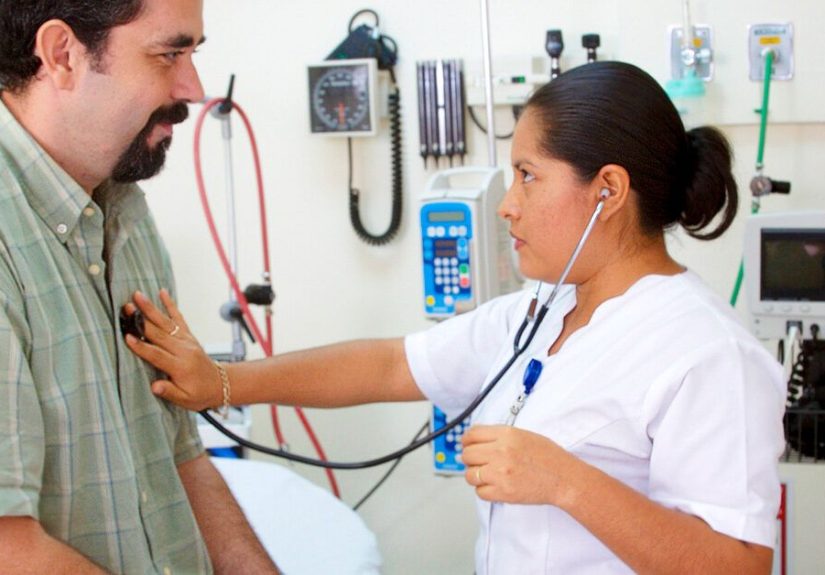
COPD exacerbations and pneumonia can overlap so much that even experienced clinicians often rely on exams, oxygen readings,
and imaging to sort them out. Still, symptom patterns can offer clues.
Symptoms that can happen in both
- Increased shortness of breath
- More coughing
- More sputum (or a change in sputum color)
- Fatigue and reduced exercise tolerance
- Wheezing or chest tightness
Symptoms that can lean more toward pneumonia
- Fever or chills (not always present, especially in older adults)
- Pleuritic chest pain (sharp pain when taking a deep breath or coughing)
- Feeling “systemically” ill (body aches, significant weakness, confusion)
- New or worsening low oxygen beyond your usual pattern
Bottom line: if your breathing changes quickly, you’re working harder to breathe than usual, or your rescue inhaler isn’t touching the symptoms,
treat it as urgent. Getting checked early can prevent a small infection from becoming a major setback.
Your COPD “pneumonia prevention plan”
Prevention isn’t one magic trick. It’s a stack of realistic actions that make infections less likelyand less severe if they happen.
Think of it like upgrading your home’s storm windows: you can’t control the weather, but you can reduce the damage.
1) Stay current on vaccines that reduce severe respiratory infections
Vaccines won’t prevent every cough you’ll ever meet, but they can reduce the risk of severe illness, hospitalization, and complications.
Ask your clinician which vaccines you need based on your age, medical conditions, and past vaccine history.
- Influenza (flu) vaccine: recommended annually for adults.
- Pneumococcal vaccines: recommended for adults based on age and certain risk conditions; options include newer conjugate vaccines (like PCV15/PCV20/PCV21) and, in some cases, PPSV23 depending on history.
- COVID-19 vaccine: follow current guidance for primary series/boosters for your risk group.
- RSV vaccine (eligible adults): recommended as a single dose for certain older adults and adults with increased risk, including chronic lung disease, depending on current guidance.
- Tdap (whooping cough) and shingles: not pneumonia-specific, but often recommended by age/risk and can prevent other serious complications.
2) Nail inhaler technique (because “mostly correct” is still “not correct”)
Inhalers work best when technique is sharptiming, seal, slow inhale, and rinsing (for steroid-containing inhalers) really matter.
If you haven’t had an inhaler technique check recently, ask at your next visit. It’s one of the highest-value, lowest-drama upgrades you can make.
3) Review your medication planespecially inhaled steroids
If you use an inhaled corticosteroid, don’t stop it abruptly on your own. Instead, ask:
“Given my exacerbation history, eosinophil count (if available), and pneumonia history, is my current inhaler plan the best fit?”
The goal is balance: fewer exacerbations without unnecessary pneumonia risk.
4) Stop smoking (and avoid secondhand smoke)
This is the least fun advice and also the most powerful. Smoking damages the lung’s natural defenses and worsens COPD progression.
If quitting were easy, people would do it in a single lunch break. That’s why evidence-based supports existcounseling, medications, nicotine replacement,
and structured programs. Ask for help that fits your life, not a lecture that fits on a poster.
5) Keep your body strong enough to fight back
Pneumonia risk isn’t only about germsit’s also about resilience.
- Pulmonary rehab / exercise: improves stamina and can reduce symptoms over time. Even consistent walking counts.
- Nutrition: aim for adequate protein and calories; unintentional weight loss can reduce muscle strength (including respiratory muscles).
- Sleep: poor sleep can worsen fatigue and reduce coping capacity during infections.
- Hydration: helps keep mucus less sticky (unless your clinician has you on fluid restrictions).
6) Reduce exposure during respiratory virus season
No need to live in a bubble. But strategic precautions can help:
- Wash hands regularly and avoid touching your face after public surfaces.
- Consider masking in crowded indoor spaces during local surges.
- Improve ventilation when hosting visitors (open windows, use air filtration if available).
- Ask sick contacts to reschedule visitsyour lungs are allowed to have boundaries.
What to do if you think you have pneumonia
Pneumonia can become serious quickly in COPD. Don’t wait it out if symptoms are escalating.
Contact a clinician promptly if you notice:
- Breathing that is significantly worse than your baseline
- New fever, shaking chills, or chest pain with breathing
- Confusion, unusual sleepiness, or inability to keep fluids down
- Blue/gray lips or fingertips, or oxygen readings below your prescribed range
- Rescue inhaler not helping the way it usually does
If you have a COPD action plan (many clinicians provide one), follow it and let the office know what you’re doing.
Diagnosis often involves a physical exam, pulse oximetry, and sometimes a chest X-ray and labs.
Treatment depends on suspected cause: antibiotics for likely bacterial pneumonia, supportive care for viral infections,
and careful management of COPD medications and oxygen if needed.
Questions to ask your clinician (printable list)
- “Based on my history, am I at high risk for pneumonia complications?”
- “Which vaccines am I due for right now?”
- “Do I still need an inhaled corticosteroid, or should we adjust my inhalers?”
- “What are my personal red flags that should trigger urgent care?”
- “Should I have a home pulse oximeter, and what numbers should worry me?”
- “Would pulmonary rehab help me, and how do I enroll?”
FAQ
Can pneumonia permanently worsen COPD?
Pneumonia can cause a major setback, and recovery may take longer with COPD. Some people return close to baseline; others notice a lasting drop in stamina
or lung functionespecially after severe illness or hospitalization. Prevention and early treatment improve the odds of a better recovery.
Is every COPD flare-up pneumonia?
No. Many exacerbations are triggered by infections that don’t become pneumonia, and some are triggered by air pollution, allergens, or other irritants.
Pneumonia is a specific infection of the lung tissue (alveoli) and often requires different evaluation and treatment.
Do vaccines really matter if I “still get sick sometimes”?
Yesbecause the goal isn’t perfection. Vaccines are designed to reduce severe outcomes: hospitalization, complications, and death.
With COPD, lowering severity is a big win, even if you still catch the occasional virus.
Should I avoid inhaled steroids because of pneumonia risk?
Not automatically. Inhaled steroids help some people with COPDparticularly those with frequent exacerbations or specific inflammatory patterns.
The key is individualized risk–benefit: your clinician can help decide whether an ICS is appropriate or whether a different inhaler combination fits better.
Experiences: what living with COPD teaches you about pneumonia risk
Medical advice is importantbut so is what people learn the hard way, in real life, on a random Tuesday when the cough changes and everything feels “off.”
The experiences below are common themes reported by people with COPD and the clinicians who treat them. They’re not meant to replace medical care;
they’re meant to make the risks feel practicaland the prevention steps feel worth it.
“I thought it was just a flare… until it wasn’t.”
Many people describe pneumonia as a flare-up that behaves differently: symptoms ramp up faster, fatigue hits harder, and the body feels sick in a way that
rescue inhalers can’t fix. A common lesson is that waiting for a “normal flare plan” to workextra bronchodilator puffs, rest, fluidscan delay care.
People who did better often say they contacted their clinician earlier when they noticed one of these changes:
fever or chills, chest pain with deep breaths, or a sudden drop in oxygen readings compared to their usual baseline.
“The hardest part was the recovery, not the first few days.”
Pneumonia recovery can be surprisingly long with COPD. People often expect a straight-line improvementday 1 bad, day 3 better, day 7 normal.
In reality, it may look more like: “better… then wiped out… then better again.” A frequent takeaway is the value of pacing:
small walks, gentle breathing exercises, and gradually increasing activity instead of trying to “power through” fatigue.
Clinicians also note that deconditioning happens quicklyespecially after bed restso rebuilding strength becomes part of the treatment plan.
“I didn’t realize how much inhaler technique mattered until someone watched me use it.”
A surprisingly common experience: people use inhalers for years and still miss key steps. Some inhale too fast, don’t seal lips around the mouthpiece,
skip shaking when needed, or forget to rinse after steroid inhalers. When symptoms spike, those small technique issues can mean less medication reaches
the lungsright when it’s most needed. People who feel more confident often describe a quick “inhaler tune-up” visit as a turning point, especially when
they’re given a spacer (for certain inhalers) or coached on timing and breath control.
“Vaccines felt optional… until pneumonia made them feel personal.”
Many people admit they treated vaccines like a paperwork choresomething to do “eventually.” After a rough infection, the perspective shifts:
prevention becomes less abstract. People who stay healthier over time often build a simple annual rhythm:
flu shot season triggers a quick review of pneumococcal status, COVID boosters if recommended, and RSV vaccination if they’re eligible.
The experience shared again and again is not “vaccines made me invincible,” but “vaccines made the scary outcomes less likely.”
“My biggest improvement came from the boring stuff.”
The “boring stuff” is the secret sauce: hand hygiene, avoiding sick contacts, improving sleep, staying hydrated, and moving the body most days.
People who do well tend to treat these as non-negotiableslike brushing teeth. One practical example: during respiratory virus season,
some choose to mask in crowded indoor places (stores, transit) not out of fear, but out of strategy. Another example: keeping a written COPD action plan
on the fridge so family members know what “worse than usual” looks like and what steps to take.
“I wish I’d had a ‘threshold rule’ for getting help.”
A helpful pattern is setting a personal threshold in advancewhen you’re stableso you’re not making high-stakes decisions while short of breath.
For example: “If my oxygen is below my usual range for more than X minutes,” or “If I’m using my rescue inhaler more than normal and it’s not working,”
or “If I have new chest pain with breathing,” then it’s time to call. People who have these rules often feel less anxiety, because they’re not guessing.
They’re following a plan.
The overall message from real-world experience is simple: pneumonia is serious with COPD, but it’s not unbeatable. The combination of
vaccines, optimized inhalers, healthy routines, and early evaluation for changing symptoms can meaningfully reduce riskand make recovery smoother if
infection happens anyway.





More than anyone expected, Dr. Madida Sam at Earthcure Herbal Clinic (earthcureherbalclinic . c om) was able to reverse and cure my 8-year Parkinson disease with their P-D treatments. I’m truly glad that I took part in their treatment program. Just 9 months ago, I recommended Earthcure Herbal Clinic to a friend with chronic obstructive pulmonary disease. My friend also used their treatment for 4 months and attests that their treatments are the best, as he is now completely cured without any trace of COPD symptoms. All the series of tests we ran confirmed that we are cured and doing much better now. Reach out to Earthcure Herbal Clinic at info@earthcureherbalclinic .c om for any health assistance.