Table of Contents >> Show >> Hide
- Quick cheat sheet: What actually counts as “cold sore medication”?
- 1) Prescription oral antivirals: the “hit it early” heavy hitters
- 2) Prescription topical antivirals: helpful, but manage expectations
- 3) OTC antiviral cream: Docosanol 10% (Abreva and generics)
- 4) OTC symptom relief: the comfort squad (not antiviral, still useful)
- 5) “Natural” and supplemental options: what’s reasonable, what’s hype
- How to choose the right cold sore medication (without overthinking it)
- How to use cold sore medication like you’ve done this before
- When to see a clinician (don’t “tough it out” in these cases)
- FAQ: quick answers to common cold sore medication questions
- Real-world experiences: what people learn after a few outbreaks
- Conclusion: your cold sore plan in one paragraph
Medical note: This article is for general education, not personal medical advice. If you’re immunocompromised, pregnant, have kidney disease, get eye symptoms, or your sores are severe or unusual, talk to a clinician.
Cold sores (aka “fever blisters,” aka “why today?”) are usually caused by herpes simplex virus type 1 (HSV-1). They love showing up at the worst possible timeweddings, interviews, vacations, that one day you finally remembered to wear lip gloss. The good news: while cold sore medication can’t erase HSV from your body, the right treatment can shorten an outbreak, reduce pain, and sometimes stop a sore from fully “developing its final form.”
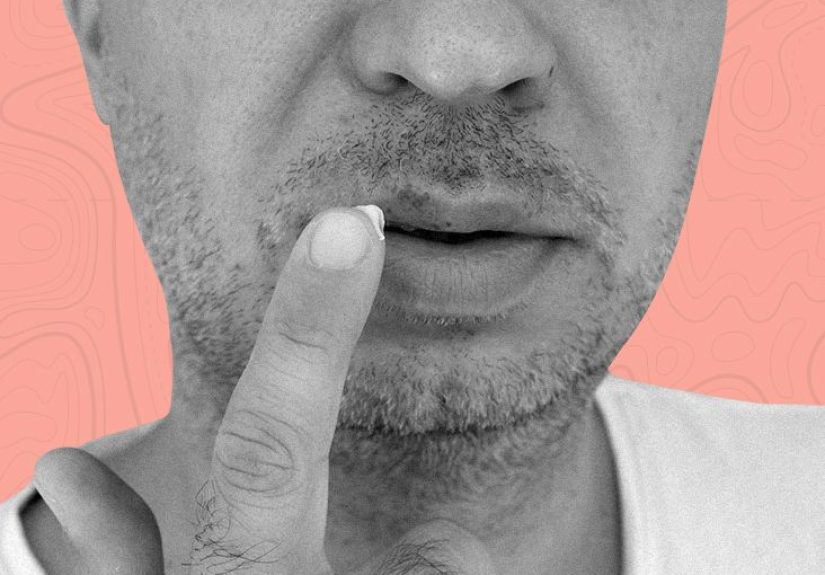
The trick is timing. Cold sore meds work best when you start them earlyduring the prodrome stage, when you feel that telltale tingling, itching, or burning. Think of prodrome as the smoke alarm. Ignore it and you’re likely to be dealing with a full-blown “lip volcano” later.
Quick cheat sheet: What actually counts as “cold sore medication”?
Cold sore treatments fall into a few big categories. Some fight the virus directly (antivirals), while others focus on comfort and protecting the skin as it heals.
- Prescription oral antivirals: valacyclovir, famciclovir, acyclovir (strongest evidence for shortening outbreaks when started early).
- Prescription topical antivirals: acyclovir cream, penciclovir cream (helpful for some, typically modest benefit).
- OTC antiviral cream: docosanol 10% (brand example: Abreva).
- OTC symptom relief: topical anesthetics (lidocaine/benzocaine), oral pain relievers (ibuprofen/acetaminophen), barrier ointments, hydrocolloid patches.
- Prevention tools: SPF lip balm, trigger management, and (for frequent outbreaks) suppressive antiviral therapy.
1) Prescription oral antivirals: the “hit it early” heavy hitters
If you want the most reliable way to shrink the duration and intensity of a cold sore, prescription oral antivirals are usually the top option. They work by interfering with viral replication, so HSV has less time to throw a party on your lip. You’ll often hear these called “episodic therapy” (treating outbreaks as they happen) or “suppressive therapy” (daily medication to prevent frequent outbreaks).
Valacyclovir (Valtrex): popular because it’s convenient
Valacyclovir is a common first choice for many adults because it’s effective and can be taken in a short course when started at the first sign of symptoms. A well-known episodic regimen for cold sores in adults is a one-day treatment (two doses spaced about 12 hours apart). That makes it easier to actually follow, even if you’re busy, traveling, or currently pretending your lip “doesn’t feel weird.”
How to use (typical adult episodic approach):
- Start as soon as prodrome starts (tingle/burn/itch).
- Take the doses exactly as prescribed (many prescriptions are designed for a 1-day burst).
- Hydrate, and follow your clinician’s advice if you have kidney issues or take other meds.
Benefits you can expect:
- Shorter episode duration (often about a day shorter when started early).
- Less pain and faster return to “normal face.”
- Sometimes prevents the sore from fully blistering if you start immediately.
Common side effects: headache, nausea, and stomach upset are possible. Serious side effects are uncommon but can occur, especially with kidney problems or dehydration.
Famciclovir (Famvir): a one-and-done style option
Famciclovir is another effective oral antiviral used for herpes labialis. It’s known for a convenient episodic approach in some adults (often a single-day strategy, depending on the prescription). If you’re the kind of person who forgets the second dose of everythingincluding your own birthdayask your clinician if famciclovir is appropriate for you.
Benefits you can expect:
- Shorter outbreaks when taken early.
- Convenient dosing options compared with older regimens.
Acyclovir: the classic, still effective (but less “minimalist”)
Acyclovir has been around for ages, and it works. The trade-off is that episodic treatment can involve more frequent dosing than valacyclovir or famciclovir. If cost is a concern or you’ve used it successfully before, acyclovir may still be a solid optionespecially when you start it promptly.
Pro tip: Ask your clinician about a “pill-in-pocket” plankeeping medication on hand so you can treat immediately at prodrome. Waiting until you can schedule an appointment can be the difference between “tiny inconvenience” and “full lip drama.”
When doctors recommend daily suppression
If you get frequent outbreaks (for example, many times per year), daily suppressive antiviral therapy may reduce how often cold sores come back. It’s not for everyone, but it’s a real strategyespecially if outbreaks are frequent, severe, or disruptive.
2) Prescription topical antivirals: helpful, but manage expectations
Topical antivirals like penciclovir or acyclovir cream are applied directly to the sore. They may reduce symptoms and healing time for some people, but many experts consider their benefits modest compared to oral antivirals. Still, for mild casesor for people who can’t take oral antiviralstopicals can be worth discussing.
How to use topical antivirals
- Apply at the first sign of prodrome if possible.
- Follow the prescribed schedule (topicals often require multiple applications per day).
- Wash your hands before and after application to avoid spreading virus to other areas.
3) OTC antiviral cream: Docosanol 10% (Abreva and generics)
Docosanol is the best-known over-the-counter antiviral-like option for cold sores. It’s not a prescription antiviral in the same way oral meds are, but it is FDA-approved as an OTC treatment that can shorten healing time and symptom duration when used early. Translation: it’s not magic, but it can helpespecially if you start at the first tingle.
How to use docosanol correctly (this matters)
- Start early: use at the first sign (tingle, itch, redness).
- Apply a thin layer to the affected area and gently rub in.
- Repeat several times daily as directed until healed.
- Use clean hands or a cotton swab to reduce spread.
What benefits to expect:
- May shorten healing time by hours to about a day for some users.
- May reduce symptom duration (tingling, pain, burning, itching).
- Best results when started before blistering.
Reality check (with love): If you apply docosanol only after the blister is big enough to have its own zip code, you may still get some comfortbut the “shorten healing” effect is usually less impressive. Early use is the whole point.
4) OTC symptom relief: the comfort squad (not antiviral, still useful)
Sometimes your top priority isn’t shaving a day off healing timeit’s being able to eat, talk, and exist without feeling like your lip is auditioning for a pain documentary. These options won’t kill HSV, but they can make the waiting game far less miserable.
Topical anesthetics: lidocaine or benzocaine
These numb the area temporarily. They can be great for meals, meetings, or sleepbasically any moment you’d like your nervous system to stop sending dramatic notifications.
- Use as directed on the label.
- Avoid overuse (more is not better; more is often “irritated skin”).
- If you get rash, swelling, or breathing issues, stop and seek care.
Oral pain relievers: ibuprofen or acetaminophen
Standard OTC pain relievers can help with tenderness and inflammation. Follow package directions, and consider your health conditions (for example, ibuprofen may not be ideal for certain stomach, kidney, or bleeding issues).
Barrier and healing helpers: patches, petroleum jelly, and protection
The goal here is to protect the sore, prevent cracking, and reduce the temptation to pick (because yes, the scab is a liar and will not “heal faster if you just help it a little”).
- Hydrocolloid cold sore patches: can protect from friction, reduce picking, and improve comfort.
- Petroleum jelly or bland emollients: help prevent splitting and bleeding.
- Cold compress: may reduce swelling and discomfort in the early phase.
SPF lip balm: the underrated prevention tool
Sun exposure is a common trigger for many people. Using a lip balm with sunblock may reduce recurrence in sun-triggered cases and helps protect healing skin. If you’re outdoors often, treat SPF like a seatbelt: you don’t notice ituntil you really need it.
5) “Natural” and supplemental options: what’s reasonable, what’s hype
The internet is full of cold sore suggestions ranging from “worth trying” to “did a raccoon write this?” Here’s a grounded way to think about supplements and home remedies: they may help some people, but results are mixed, product quality varies, and they should not replace proven antiviral treatment if you need fast, reliable relief.
Lysine
Lysine is a popular supplement in cold sore circles. Some people swear by it for prevention, but research results are mixed. If you try it, treat it as “optional” rather than “guaranteed.” And if you have medical conditions or take other medications, check with a clinician first.
Lemon balm (Melissa officinalis)
Lemon balm is used topically by some people for soothing and may have antiviral properties in lab settings. Clinical evidence isn’t as strong as prescription antivirals, but some users report it feels calming on irritated skin. If you use it, patch-test first to avoid irritation.
Honey, essential oils, and other DIY adventures
Some home remedies can irritate already-inflamed skin, which is the exact opposite of the assignment. Be cautious with essential oils (they can burn), and avoid anything that causes stinging beyond mild, brief sensation. If it feels like you’re “marinating” your lip in regret, stop.
How to choose the right cold sore medication (without overthinking it)
Here’s a simple decision path that matches how many clinicians think about treatment:
If you can start treatment during prodrome
- Best chance of shortening the outbreak: prescription oral antiviral (ask about valacyclovir/famciclovir/acyclovir).
- OTC alternative: docosanol 10% cream started immediately.
- Add-on comfort: numbing cream and/or oral pain relief as needed.
If the blister has already formed
- Oral antivirals may still help, especially if started early in the outbreakbut benefits can decrease as time passes.
- Focus on protection and comfort: patches, emollients, pain control, gentle care.
If you get frequent outbreaks
- Consider talking to a clinician about daily suppressive therapy.
- Identify triggers (sun, stress, illness) and reduce exposure where practical.
- Keep a “first tingle kit” ready: medication + cotton swabs + a patch + SPF lip balm.
How to use cold sore medication like you’ve done this before
Cold sores are annoyingly predictable once you learn your pattern. The best results usually come from combining the right medication with the right technique.
Timing rules (the three laws of cold sore physics)
- Earlier beats stronger. A moderate treatment started at prodrome can outperform a stronger treatment started late.
- Consistency matters. Set reminders if your treatment requires multiple daily applications.
- Don’t sabotage your lip. Picking, harsh scrubs, and spicy foods turn healing into a longer series.
Application tips that reduce spread
- Wash hands before and after touching the area.
- Use cotton swabs when applying creams if possible.
- Avoid sharing drinks, lip balm, utensils, or towels during an outbreak.
- Skip kissing and oral contact until healed (yes, even if the vibe is romantic).
When to see a clinician (don’t “tough it out” in these cases)
Most cold sores improve on their own, but medical care is smart when:
- You have eye pain, redness, or vision changes (HSV near the eye can be serious).
- You’re immunocompromised (chemotherapy, transplant meds, advanced HIV, etc.).
- Sores are very large, extremely painful, or spreading widely.
- You get frequent recurrences and want prevention options.
- Your cold sore is not improving or not healed within about 10 days, or it keeps getting worse.
FAQ: quick answers to common cold sore medication questions
Is Abreva (docosanol) worth it?
It can beespecially if you start it at the first sign of symptoms and apply it consistently. Expect a modest improvement, not an instant erase button.
Do prescription antivirals cure HSV-1?
No. They help manage outbreaks by reducing viral replication and shortening symptoms, but the virus remains in the body and can reactivate later.
Can I combine treatments?
Often, yes: an oral antiviral (if prescribed) plus comfort measures like topical anesthetic, patches, and lip protection. Avoid layering too many irritating products at oncemore products can mean more inflammation.
What’s the single biggest mistake people make?
Waiting until the sore is fully visible. The prodrome tingle is your best shot at reducing outbreak timetreat it like a “start now” notification, not a “maybe later” suggestion.
Real-world experiences: what people learn after a few outbreaks
The following are common patterns and practical lessons people report when they’ve dealt with cold sores a few times. Consider this the “field guide” portion of the articleless textbook, more lived reality. And yes, it includes the moment everyone has: staring in the mirror, whispering, “Is that… a tingle?”
1) The prodrome tingle is your best friend and worst enemy
People who do best long-term usually learn to recognize their earliest sign. For some it’s a prickly itch on the lip line; for others it’s a subtle burning sensation or a tiny area that feels “tight.” The big shift happens when you stop negotiating with it (“Maybe it’s just dry lips?”) and start acting immediately. Folks who keep medication on handeither an OTC docosanol tube or a clinician-approved prescription planoften report fewer “full-size” outbreaks because they treat early instead of treating late.
2) Consistency beats intensity
Many topical treatments require multiple daily applications. In real life, that’s where things fall apart. People describe starting strong on day one, then missing doses because life is busy, the tube is in a different bag, or they’re in public and don’t want to perform a lip-care routine at the conference table. A simple fix that many swear by: stash supplies where you actually arework bag, bathroom cabinet, bedside table. Set a phone reminder. Keep cotton swabs nearby. The folks who treat like it’s “a schedule, not a mood” tend to get better results.
3) Patches are the social secret weapon
Cold sore patches don’t cure the virus, but many people love them because they reduce friction, protect the scab, and cut down on accidental touching. In stories people share, patches are the difference between “I can go to the grocery store without thinking about my face” and “I am aware of my lip every single second.” If you’re someone who unconsciously picks at skin when anxious (hello, humans), a patch can prevent you from turning a minor sore into a multi-day healing saga.
4) The ‘don’t pick it’ rule is harder than it soundsso make it easier
Almost everyone has tried to “help” a cold sore at least oncepeeling a scab early, scrubbing at flaky skin, or applying a new product that promised a miracle in 45 minutes. The outcome is predictably disappointing: more irritation, more redness, more time. People who succeed usually replace the urge to pick with something else: a barrier ointment to keep the area from cracking, a patch to cover it, or a cold compress to calm the itch. In other words, they change the environment so willpower doesn’t have to do all the work.
5) The prevention mindset is weirdly empowering
After a few outbreaks, many people stop thinking of cold sores as random bad luck and start thinking in patterns: sun exposure without SPF, a run of poor sleep, a stressful week, a recent illness, or a big event where they forgot to eat and hydrate. While you can’t control everything (stress will always find you), small prevention habitslike SPF lip balm outdoors and having treatment readycan make outbreaks less frequent and less dramatic. A lot of people describe the same feeling once they have a plan: relief. Not because cold sores never happen again, but because they’re no longer helpless when that first tingle shows up.
Conclusion: your cold sore plan in one paragraph
Cold sore medication works best when you treat early, treat consistently, and match the tool to the job. Prescription oral antivirals are typically the most effective for shortening outbreaksespecially when started at prodromewhile docosanol (OTC) can offer modest improvement if used right away. Topical anesthetics and protective patches won’t stop HSV, but they can make healing far more comfortable and reduce skin damage from cracking or picking. If outbreaks are frequent, severe, or disruptive, talk to a clinician about prevention strategies, including suppressive therapy. The ultimate goal isn’t “never getting another cold sore ever” (HSV laughs at absolutes). It’s turning outbreaks into smaller, shorter, less-annoying events you know how to handle.