Table of Contents >> Show >> Hide
- Why Coffee + Pork Tenderloin Works So Well
- Ingredients
- Step-by-Step: How to Make Coffee-Crusted Pork Tenderloin
- Tips for the Best Coffee-Crusted Pork Tenderloin
- Serving Ideas & Flavor Variations
- FAQ: Common Questions About Coffee-Crusted Pork Tenderloin
- Conclusion
- Real-Kitchen Experiences & Pro Tips for Coffee-Crusted Pork Tenderloin
If your coffee only wakes you up and doesn’t also make your dinner legendary, you’re not using it to its full potential. A coffee-crusted pork tenderloin is bold, aromatic, surprisingly easy, and just cheffy enough to impress that friend who owns too many knives. This recipe walks you through a foolproof method to get a deep, flavorful crust, a juicy blush-pink center, and a plate that tastes like a cozy gourmet bistrowithout requiring a culinary degree or a 12-hour brine.
Why Coffee + Pork Tenderloin Works So Well
Pork tenderloin is a lean, mild cut that loves big flavors. Coffee brings roasted, slightly bitter, earthy notes that balance beautifully with brown sugar, warm spices, and the natural sweetness of pork. When used as a dry rub, finely ground coffee helps create a dark, caramelized crust that locks in moisture while adding complexitynot a “cup-of-joe” flavor bomb, but a subtle, smoky depth.
This approach is inspired by modern American test kitchens and grill experts who pair coffee rubs with pork, beef, and even brisket. It borrows the best ideas from thembalanced rubs, correct internal temperatures, quick searing plus roastingto deliver a reliable, repeatable result at home.
Ingredients
For the Coffee Rub
- 2 tablespoons finely ground coffee (medium or dark roast, not flavored)
- 2 tablespoons brown sugar (light or dark)
- 1 tablespoon smoked paprika
- 1 teaspoon kosher salt (slightly heaped)
- 1 teaspoon freshly ground black pepper
- 1 teaspoon garlic powder
- 1 teaspoon onion powder
- 1/2 teaspoon ground cumin
- 1/4–1/2 teaspoon cayenne pepper (optional, to taste)
For the Pork
- 2 pork tenderloins (about 1 to 1.25 lb each), trimmed of silver skin
- 2 tablespoons olive oil (plus extra if needed)
- Fresh herbs or lemon wedges for serving (optional)
Optional Simple Pan Sauce
- 1/2 cup low-sodium chicken broth
- 2 tablespoons balsamic vinegar or apple cider vinegar
- 1 tablespoon honey or maple syrup
- 1 tablespoon unsalted butter
Step-by-Step: How to Make Coffee-Crusted Pork Tenderloin
1. Prep the Pork
Pat the pork tenderloins completely dry with paper towels. Removing excess moisture is key for a proper crust instead of a sad steam bath. Trim any silver skin with a sharp knife so the rub can adhere and the meat cooks evenly.
2. Mix the Coffee Rub
In a small bowl, combine the coffee, brown sugar, smoked paprika, salt, pepper, garlic powder, onion powder, cumin, and cayenne. Break up any clumps. You’re aiming for a rub that smells like a smoky coffee shop parked next to a barbecue joint.
3. Season Generously
Rub the pork lightly with olive oil. Coat each tenderloin thoroughly with the coffee rub, pressing it on all sides so it sticks. You want a full jacket of flavor, not polka dots.
Let the seasoned pork rest at room temperature for about 20–30 minutes. This takes off the chill and helps the rub hydrate and cling, leading to a better sear.
4. Sear for a Deep, Dark Crust
Preheat your oven to 400°F (204°C).
Heat a large oven-safe skillet (cast iron is perfect) over medium-high heat. Add 1–2 tablespoons olive oil. When the oil shimmers, sear the tenderloins on all sides, about 1–2 minutes per side, until the exterior looks dark and crusty (thanks to the coffee and sugar caramelizing, not burning).
5. Roast to Juicy Perfection
Transfer the skillet to the preheated oven. Roast for about 12–18 minutes, depending on thickness, until the internal temperature in the thickest part reaches 145°F (62.8°C). Use an instant-read thermometerdon’t guess.
Remove from the oven and let the pork rest, tented loosely with foil, for at least 3 minutes. This rest time helps the juices redistribute and aligns with food safety guidance for whole cuts of pork in the United States.
6. Make a Quick Pan Sauce (Optional but Recommended)
Place the hot skillet back on medium heat. Add broth and vinegar, scraping up the browned bits. Let it simmer until slightly reduced, then stir in honey/maple and finish with butter off the heat. Spoon over sliced pork for extra gloss and flavor.
Tips for the Best Coffee-Crusted Pork Tenderloin
Choose the Right Coffee
- Grind size: Use fine or espresso grind so it adheres well and forms an even crust.
- Roast level: Medium or dark roast works best. Light roasts can taste too sharp; heavily flavored coffees (vanilla, hazelnut) can burn or taste artificial.
Balance the Rub
The brown sugar softens coffee’s bitterness and boosts browning. The smoked paprika, cumin, and garlic deepen the savory notes without overwhelming the pork. If you’re spice-shy, dial down the cayenne; if you’re spice-brave, go for the full amount.
Don’t Overcook
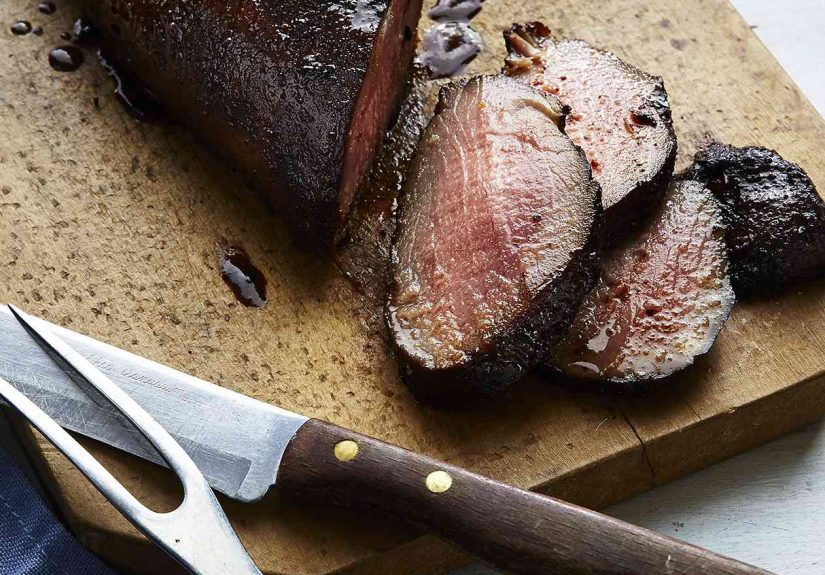
Pork tenderloin is lean; past 145–150°F it dries out fast. Pull it as soon as your thermometer hits 145°F in the center, rest it, and you’ll get that tender, slightly rosy interior that’s both safe and juicy.
Slice Smart
Slice against the grain into 1/2-inch medallions. This not only looks restaurant-level but also keeps each bite tender. Serve immediately with pan sauce or a squeeze of lemon to brighten the richness.
Serving Ideas & Flavor Variations
Perfect Sidekicks
- Roasted carrots, sweet potatoes, or butternut squash to echo the rub’s sweetness.
- Garlic mashed potatoes or creamy polenta for something comforting.
- Simple green beans, arugula salad, or roasted Brussels sprouts to cut through the richness.
Easy Variations
- Espresso-Honey Glaze: Whisk a shot of espresso with honey and a splash of soy sauce; brush over the tenderloin in the last 5 minutes of roasting.
- Smoky Backyard Grill Version: Sear over high heat on the grill, then move to indirect heat until it hits 145°F. Lid closed, drama opened.
- Cocoa Kick: Add 1 teaspoon unsweetened cocoa powder to the rub for subtle mole-style depth.
- Citrus Finish: Grate orange zest over the sliced pork or serve with a citrusy slaw for balance.
FAQ: Common Questions About Coffee-Crusted Pork Tenderloin
Will it taste like drinking coffee?
No. The coffee in the rub doesn’t shout “latte”; it quietly boosts smokiness, bitterness, and color. Most people just notice a rich, savory crust, not a cup-of-coffee flavor.
Can I use decaf?
Yes. If caffeine at dinner stresses you out, decaf works just as well for flavor and color.
What if I don’t have a cast iron pan?
Sear in any heavy skillet, then transfer the pork to a preheated baking sheet or roasting pan to finish in the oven.
Can I prep it ahead?
Yes. Rub the pork up to 12 hours in advance and refrigerate. Let it sit at room temp 20–30 minutes before searing and roasting.
Conclusion
This coffee-crusted pork tenderloin recipe turns a humble, lean cut into a bold centerpiece with minimal fuss. The rub is pantry-friendly, the method is weeknight realistic, and the flavor profile feels like something you’d pay real money for at a modern steakhouse. Once you’ve tried it, you’ll start eyeing your coffee grinder with much more ambitious plans.
sapo: Bring steakhouse-level flavor home with this juicy coffee-crusted pork tenderloin recipe. A bold coffee, brown sugar, and spice rub creates a smoky, caramelized crust while keeping the lean tenderloin perfectly moist and blush-pink inside. With simple ingredients, clear steps, and flexible cooking options (oven or grill), this recipe is ideal for weeknight dinners, special occasions, or anytime you want big flavor without complicated techniques.
Real-Kitchen Experiences & Pro Tips for Coffee-Crusted Pork Tenderloin
The beauty of this recipe is how forgivingand customizableit is once you understand what’s happening on the surface of the meat. Home cooks and test kitchens that lean on coffee rubs for pork tend to report the same “aha” moments:
1. The first time you see the dark crust, don’t panic. Many people think they’ve burned dinner the first time they cook a coffee-crusted tenderloin. Then they slice into it and realize that deep mahogany exterior is exactly what they wanted: caramelized sugar, toasted coffee, concentrated spices, and sealed-in juices. The key is watching scent, not just colorif it smells rich and roasty, you’re good. If it smells acrid, reduce heat slightly next time.
2. The thermometer is non-negotiable. Cooks who “wing it” with lean pork often end up apologizing to their guests while passing out extra sauce. Those who use an instant-read thermometer reliably turn out tender, juicy slices. Once you see how perfect 145°F with a short rest looks inside (a gentle blush instead of gray), it’s hard to go back to guessing.
3. Coffee quality matters, but not in a snobby way. You don’t need rare single-origin beans; you do want fresh grounds with decent flavor. Many experienced cooks use the same everyday coffee they drink in the morning. Ultra-bitter or artificially flavored coffees can dominate the rub, while a straightforward medium or dark roast plays nicely with the spices.
4. Sugar + coffee is your texture insurance. Real-world testing shows that a little brown sugar in the rub isn’t just about sweetnessit helps the crust set faster and more evenly. This is especially handy if you’re juggling multiple dishes or cooking on a grill with heat fluctuations. The sugar helps you get that craveable bark without needing restaurant-level equipment.
5. It scales like a dream for gatherings. One of the most practical discoveries from hosting with this recipe: pork tenderloin is easy to multiply. Lining up several rubbed tenderloins on a sheet pan lets you feed a crowd without babysitting individual steaks. Slice and fan them on a platter, drizzle with pan sauce, scatter herbs, and everyone assumes you’ve been secretly training on a cooking show.
6. Leftovers are secretly the bonus round. Sliced cold coffee-crusted pork layered into sandwiches with arugula and a swipe of Dijon, or tucked into grain bowls with roasted veggies, tastes like intentional meal prep, not leftovers. The rub’s flavor settles and deepens overnight, making day-two lunches feel upgraded instead of reheated.
7. It’s a gateway “gourmet” recipe. Many home cooks find that once they’ve nailed this, they’re more confident experimenting with spice rubs, reverse searing, and pairing savory dishes with unexpected ingredients (like cocoa, espresso, or molasses). This pork tenderloin becomes a reliable signature dish: simple enough to memorize, impressive enough that people ask for the recipe, flexible enough to adapt to different sides, seasons, and cooking methods.
In short, this Coffee-Crusted Pork Tenderloin recipe doesn’t just give you one good dinner; it teaches you techniqueshigh-heat searing, balanced rubs, proper internal temperatures, resting, pan saucesthat make you a better cook across the board. And if it also gives you an excuse to keep really good coffee in the house? Even better.