Table of Contents >> Show >> Hide
- What Is the COCOON PB SET01, Exactly?
- Why Wall-Mounted Basin Mixers Feel So “High-End”
- Materials & Finishes: What You’re Paying For
- Choosing the Right Spout Length (130 vs 180 vs 220 mm)
- Water Flow, Efficiency, and What to Check in the U.S.
- The Hidden Hero: COCOON’s BOX02 Build-In System
- Installation Planning: What Usually Makes or Breaks the Result
- Design Pairings That Make PB SET01 Look Intentional
- Maintenance and Troubleshooting: Keep It Looking Like You Meant It
- Is PB SET01 Worth It? A Practical Cost–Value View
- Quick FAQ
- Real-World Experience Notes (Extra Detail for Long-Form Readers)
- The #1 surprise: splash is more about sink shape than faucet brand
- The “we’re so glad we did this” moment: cleaning the vanity gets easier
- Where projects go sideways: rough-in depth and tile thickness
- Contractor coordination matters more than you’d expect
- The hidden MVP: service access (future-you will thank you)
- Finish expectations: PVD helps, but “gentle care” still wins
- The overall lived-in verdict
- Conclusion
Some bathroom upgrades whisper. This one walks in wearing a tailored suit, asks for sparkling water, and somehow makes your old faucet look like it still uses dial-up.
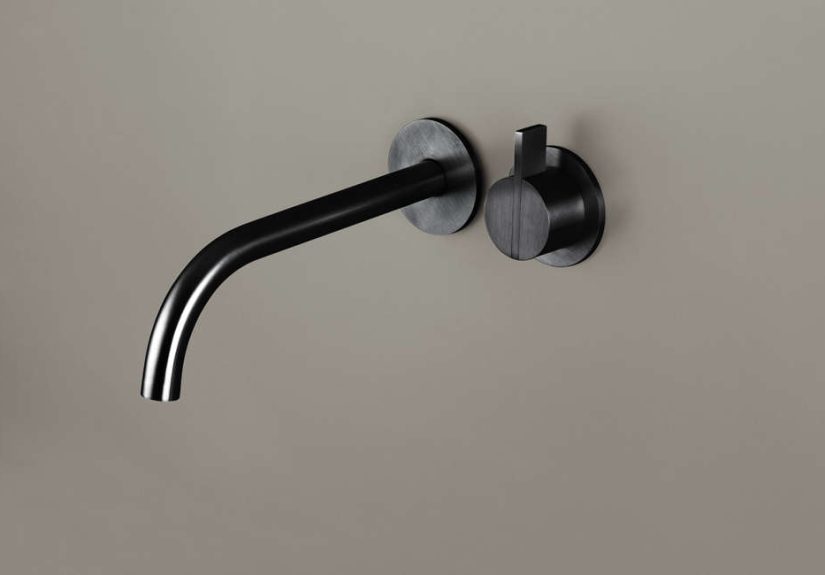
The COCOON PB SET01 wall mounted basin mixer with spout is a design-forward, in-wall faucet set that’s built to look crisp for yearswhile also making daily hand-washing feel oddly… premium.
In this guide, we’ll break down what the PB SET01 is, why wall-mounted mixers are different (and sometimes a little dramatic), how to pick the right spout length, what to plan for behind the wall, and how to keep the finish looking showroom-new.
Then, at the end, you’ll get a longer “real-world experience” section packed with practical lessons people learn once tile is already up (because that’s when the universe loves to teach).
What Is the COCOON PB SET01, Exactly?
The PB SET01 is a wall-mounted basin mixermeaning the controls and spout come out of the wall rather than sitting on the countertop or sink deck.
It’s part of COCOON’s Piet Boon collection, known for minimalist geometry and “quiet luxury” vibes (the kind that doesn’t need a logo the size of a license plate).
COCOON lists the PB SET01 as available with three spout lengths130 mm, 180 mm, and 220 mmand in multiple finishes, including Brushed Inox, Raw Copper, Black, Gunmetal, and Brushed Gold.
The fixture is made from AISI 316L stainless steel and treated with a PVD coating plus nano anti-fingerprint and an anti-bacterial coating (per COCOON’s product description).
Translation: it’s designed to handle moisture, daily use, and the reality that humans have fingers… and fingers love leaving prints.
Why Wall-Mounted Basin Mixers Feel So “High-End”
1) The counter stays cleaner (and looks bigger)
Wall-mounted faucets free up countertop real estate behind the sink. That’s not just a design flexit can make a small vanity feel less crowded,
and it reduces the “mystery crust” zone that tends to form around deck-mounted faucet bases.
2) The look is architectural
A wall-mounted spout reads more like part of the room than a “thing sitting on a thing.” If your bathroom style leans modern, spa-like, or gallery-minimal,
PB SET01 fits right inespecially paired with a clean backsplash and a simple basin.
3) The trade-off: planning matters more
With a deck-mounted faucet, you can swap later with less disruption. With a wall-mounted mixer, the “magic” lives inside the wall.
That means rough-in depth, valve positioning, and spout reach need to be right the first timeor you’ll be having heartfelt conversations with your contractor and your budget.
Materials & Finishes: What You’re Paying For
AISI 316L stainless steel: the durability move
COCOON specifies AISI 316L stainless steel for the PB SET01. 316L is widely valued for corrosion resistance, especially in damp environments,
and it’s often considered a strong choice for longevityparticularly if your home deals with humidity, salty air, or well water that likes to leave “souvenirs” on fixtures.
PVD coating: the “tough suit of armor” finish approach
PB SET01 finishes are described as PVD-treated. PVD (Physical Vapor Deposition) is used in premium hardware to create a durable surface layer that resists wear and holds color well over time.
In real-life terms, a good PVD finish is less likely to turn into a blotchy “why is it doing that?” situation after a year of cleaning.
Nano anti-fingerprint + anti-bacterial coating: daily-life upgrades
COCOON also calls out nano anti-fingerprint and an anti-bacterial coating. The practical upside is simple:
fewer visible smudges and a surface treatment aimed at staying more hygienic between cleanings (especially helpful in guest baths and busy households).
Care tip (the “don’t ruin a nice thing” edition)
For premium finishes, gentle cleaning wins. Think mild soap, soft cloth, rinse, dry.
Skip abrasive powders and aggressive scouring padsthose are great if you’re trying to age the finish… quickly.
Choosing the Right Spout Length (130 vs 180 vs 220 mm)
COCOON offers the PB SET01 with 130 mm, 180 mm, or 220 mm spout lengths. That choice isn’t just about looksit controls where the water lands.
And in sink physics, where the water lands is basically your whole personality.
Use this simple “landing zone” rule
- Aim for water to hit near the drain (or just behind it), not the front slope of the basin.
- Too short = water hits too close to the back wall → awkward hand space and splash rebound.
- Too long = water hits too close to the front → water on the counter and on your shirt, if you’re talented.
Practical pairing examples
- 130 mm: Often works well for compact basins or shallow vanities where a longer projection would overshoot the bowl.
- 180 mm: A versatile “middle pick” for many standard basinsgood reach without feeling oversized.
- 220 mm: Great for deeper counters, larger basins, or designs where the spout needs to clear a thicker backsplash or deeper sink geometry.
If you’re ordering online, it’s worth mock-testing: mark the wall location, measure projection, and visualize where the stream will fall.
Five minutes with painter’s tape can save you five months of mild annoyance.
Water Flow, Efficiency, and What to Check in the U.S.
Bathroom faucets in the U.S. often intersect with water-efficiency expectationsespecially if you’re trying to earn points in green building programs
or you simply don’t want your faucet to behave like a tiny fire hydrant.
Know the common benchmarks
The EPA’s WaterSense program highlights 1.5 gallons per minute (gpm) as a high-efficiency maximum for bathroom sink faucets and accessories,
compared with older “standard” flow levels often referenced around 2.2 gpm.
Some newer drafts and certain product listings also show 1.2 gpm models in the market, depending on spec and certification.
PB SET01 and flow restrictors
Some technical listings for the PB SET01 family mention a 5 L/min flow regulator (which is roughly 1.32 gpm)a water-saving rate that aligns well with efficiency goals.
Exact flow can vary by regulator, configuration, and local water pressure, so treat the final performance as “verify with the technical sheet” rather than “tattoo it on your forearm.”
Pro tip: confirm compliance before you buy
If your project requires specific certifications (WaterSense, code compliance, lead-content rules, etc.), confirm the exact listing for the PB SET01 variant you’re buying.
High-end European-style fixtures can be fully compatible in U.S. installs, but you don’t want to discover a mismatch after the wall is closed.
The Hidden Hero: COCOON’s BOX02 Build-In System
With wall-mounted faucets, the glamorous part is what you see. The reliable part is what you don’t.
COCOON states the PB SET01 is compatible with its BOX02 build-in system, designed to make installation more straightforward for in-wall mixing and water outlet routing.
What BOX02 does
- Provides the in-wall “core” that connects to your plumbing supply and routes water to the outlet.
- Offers left or right outlet direction options (helpful depending on stud layout and design).
- Includes an easy-fix installation frame to support positioning.
The big takeaway: PB SET01 is not a “just screw it on” faucet. It’s a system. Plan the system earlyideally before framing and definitely before tile.
Installation Planning: What Usually Makes or Breaks the Result
This isn’t a full plumbing manual (and most cities prefer a licensed plumber anyway), but here’s what smart planning looks like for a wall-mounted basin mixer.
1) Decide faucet height based on the basin
The spout should be high enough for comfortable hand washing but not so high that it creates a splash festival.
Basin depth, slope, and shape matter. Deeper bowls generally tolerate higher mounting better.
2) Confirm wall construction and backing support
Wall-mounted faucets require stable mounting. Many installers add solid blocking between studs so the valve body and spout stay firm over time.
If the faucet wiggles, the wall becomes your “sound system.” (Spoiler: you won’t like that playlist.)
3) Think about service access
Cartridges and connections can eventually need attention. Some projects plan an access panel on the opposite side of the wall (for example, inside a closet).
It’s not glamorous, but it’s far more glamorous than removing tile later.
4) Confirm shutoff strategy
Good installs include accessible shutoff valves. If you ever need to service the faucet, you’ll be glad you can turn water off without shutting down the entire house like you’re launching a submarine.
5) Account for wall finish thickness
The rough-in depth must match your finished wall thickness (drywall, backer board, tile, stone slab, etc.).
With wall-mounted trim, being off by even a small amount can affect alignment and how clean the escutcheons sit against the wall.
Design Pairings That Make PB SET01 Look Intentional
Minimal basins and calm backgrounds
PB SET01 shines when the surrounding materials don’t compete. Think solid-surface basins, understated ceramics, or stone with subtle movement.
Let the faucet be the jewelry.
Finish matching: choose one “story”
- Brushed Inox: clean, modern, plays well with white, gray, and natural stone palettes.
- Gunmetal / Black: bold contrast, especially sharp against light tile or warm wood vanities.
- Raw Copper / Brushed Gold: warmer, richergreat for spa-luxe looks, but best when echoed elsewhere (mirror frame, lighting, or hardware).
Don’t forget the mirror and lighting
A premium faucet under harsh lighting can look… harsh. Softer, warmer lighting tends to flatter metallic finishes and makes the whole setup feel intentional rather than clinical.
Maintenance and Troubleshooting: Keep It Looking Like You Meant It
Daily / weekly cleaning
Use a soft cloth and mild soap, then rinse and dry. Drying matters because water spots love to audition for the lead role on shiny surfaces.
If flow seems weak
Many faucets rely on aerators or flow regulators that can collect debrisespecially after construction when lines may contain sediment.
If flow drops, a plumber can check and clean the regulator/aerator safely (and confirm nothing else is restricting flow).
If you see dripping
Drips are often related to cartridge wear or debris. Wall-mounted systems make it especially important to have planned service access or a clear service approach from your installer.
Is PB SET01 Worth It? A Practical Cost–Value View
COCOON positions PB SET01 as a premium fixture (it’s listed at a luxury price point on the COCOON U.S. storefront).
But the faucet price is only part of the storywall-mounted installs can require more labor, more coordination, and more “do it once, do it right” discipline.
The value proposition is strongest when:
- You’re already opening walls (new build or major remodel).
- You want a minimalist countertop and easy-to-wipe vanity zone.
- You care about durable materials and high-end finish quality.
- You have a contractor/plumber who’s comfortable with in-wall rough-ins and precise placement.
It’s less compelling when you’re trying to do a quick cosmetic refresh with no wall workbecause wall-mounted faucets are not “quick refresh” energy.
They’re “architectural upgrade” energy.
Quick FAQ
Is a wall-mounted basin mixer harder to install than a deck-mounted faucet?
Generally, yes. The rough-in is inside the wall, so planning and placement matter more. But when it’s done well, the day-to-day experience is smooth and the look is very clean.
Which spout length should I choose?
Base it on basin geometry and counter depth. If you can, mock it with measurements so the water stream lands near the drain area.
Will it save water?
Water savings depend on the flow regulator and pressure. Some PB SET01 listings reference water-saving regulation around 5 L/min (~1.32 gpm), which is in the high-efficiency range.
Confirm the exact variant and regulator spec you’re purchasing.
What’s the smartest “extra” to plan?
Service access. A discreet access panel behind the wall can save you from future tile surgery.
Real-World Experience Notes (Extra Detail for Long-Form Readers)
People don’t usually regret buying a beautiful wall-mounted faucet because it looks bad. They regret it when the planning didn’t match real life.
Below are the most common “experience-based” lessons remodelers, installers, and homeowners share after living with wall-mounted basin mixers like the COCOON PB SET01.
Think of it as a friendly heads-up from the future.
The #1 surprise: splash is more about sink shape than faucet brand
Many homeowners assume a premium mixer automatically means a “premium stream.”
In reality, splash depends heavily on basin depth, bowl slope, and where the stream hits.
The happiest outcomes usually come from pairing a wall-mounted spout with a basin that has enough depth and a gentle slopeso water lands, disperses, and drains without ricocheting.
When people do get splash, it’s often because the spout projection was guessed instead of measured.
That’s why the PB SET01’s multiple spout lengths matter: choosing 130/180/220 mm is less about aesthetics and more about landing the stream in the right spot.
The “we’re so glad we did this” moment: cleaning the vanity gets easier
One of the most consistent wins people mention is how much easier it is to wipe down the countertop behind the sink.
Without a faucet base, there’s less grime buildup, fewer tight corners, and fewer “why is toothpaste living here?” moments.
In primary bathrooms used daily, that convenience can feel like a small luxury that keeps paying you backespecially if your vanity top is stone or has seams that collect residue.
Where projects go sideways: rough-in depth and tile thickness
The most stressful PB SET01-style stories usually start with: “We didn’t think the wall thickness would matter that much.”
Then the tile goes up, and suddenly trim alignment is a game of millimeters.
Experienced installers plan the rough-in depth with the full wall assembly in mindstuds, backer board, waterproofing layers, tile, and even the thickness of thinset.
When that’s done right, the finished faucet sits clean and intentional.
When it’s not, people end up with gaps, awkward spacing, or trim that doesn’t sit flushnone of which feels good on a high-end fixture.
Contractor coordination matters more than you’d expect
Wall-mounted mixers are a team sport: plumber, tile setter, and sometimes the cabinet/vanity installer all influence the final result.
Homeowners who had the smoothest experience usually did two things:
(1) they chose the sink early, and (2) they gave the installer the faucet’s rough-in requirements before the wall was closed.
That avoids “move it up a half inch” changes when the wall is already waterproofedaka the moment everyone starts speaking in sighs.
The hidden MVP: service access (future-you will thank you)
Even high-quality cartridges and regulators can need servicing eventuallyespecially in areas with hard water or construction debris.
People who planned an access panel on the back side of the wall (like inside a closet) describe it as one of the best decisions of the remodel.
It’s not about expecting failure; it’s about respecting reality.
When the day comes that you want to clean a regulator, check a connection, or service a component, access turns a major repair into a manageable one.
Finish expectations: PVD helps, but “gentle care” still wins
Owners of dark finishes (black or gunmetal) often report the most satisfaction when they avoid harsh cleaners.
A soft cloth and mild soap goes a long way.
COCOON also notes nano anti-fingerprint features, which people tend to appreciate most in guest baths and powder roomsplaces where the faucet is “seen” more than it’s “worked hard.”
In a busy family bathroom, the benefit is still real, but it’s less about perfection and more about the faucet looking “fresh” with less effort.
The overall lived-in verdict
In real homes, wall-mounted basin mixers like the PB SET01 are most loved when they’re treated as part of the architecturenot an afterthought.
When the spout length is chosen deliberately, the sink is paired thoughtfully, and the rough-in is installed with finish thickness and service access in mind,
the experience tends to be: “This feels custom, clean, and easy.”
When those steps are skipped, the experience tends to be: “It’s beautiful, but…”and nobody wants a “but” attached to a luxury faucet.