Table of Contents >> Show >> Hide
If Paris had a way of whispering, “Skip the heavy sauce tonight and come eat something briny,” that whisper would probably lead you straight to Clamato. Tucked on Rue de Charonne in the 11th arrondissement, this seafood-loving favorite has become one of the city’s most talked-about casual dining rooms. It is the kind of place that makes people who swore they were “just grabbing something light” suddenly order oysters, ceviche, natural wine, and a seafood platter large enough to make the next table stare with respectful envy.
Calling Clamato a new seafood hotspot is a little like calling the Eiffel Tower a fresh local discovery. Strictly speaking, it has been on serious food lovers’ radar for years. But in the way people talk about Paris right now, Clamato still feels thrillingly current. It keeps showing up on restaurant roundups, travel itineraries, and must-eat lists because it continues to do something very difficult: make seafood in Paris feel relaxed, modern, cool, and deeply memorable without acting like it deserves a standing ovation for every oyster shell it opens.
That balance is exactly why Clamato matters. It is fashionable without being stuffy, ingredient-driven without being preachy, and refined without sliding into the dreaded category of “beautiful but tiny.” In a city packed with old-school brasseries, glamorous dining rooms, and quietly legendary bistros, Clamato has carved out a distinct identity as a seafood restaurant where freshness, flavor, and atmosphere all show up dressed appropriately for the occasion.
Why Clamato Stands Out in Paris
Paris is not short on seafood, but Clamato approaches it with a very particular kind of charm. Instead of leaning on formality, it leans on energy. Instead of burying fish beneath culinary theatrics, it lets the products speak clearly. The result is a menu and mood that feel contemporary in the best way: confident, seasonal, and refreshingly un-fussy.
Part of the restaurant’s appeal comes from its family ties. Clamato is the seafood-focused sibling next door to Septime, the celebrated restaurant from chef Bertrand Grébaut and his team. That connection matters because it gives Clamato instant culinary credibility, but it also creates a more accessible path into the Septime universe. If getting a table at a famous Paris restaurant can sometimes feel like applying for a mortgage, Clamato offers a more spontaneous kind of reward. You show up, you wait your turn if needed, and then you eat very, very well.
That no-reservations format has become part of the mythology. Some diners hear “no booking” and panic. Others hear it and think, “Excellent, now dinner feels like a sport.” Either way, the walk-in model adds to Clamato’s identity. It feels alive. It feels in demand. It feels like the kind of place you earn with a little patience and then brag about later with suspicious modesty.
The Seafood-First Philosophy
Clamato’s real secret is not mystery, magic, or some chef’s hidden moon ritual involving sea salt and jazz records. It is product. The restaurant’s menu changes with daily deliveries, which means the meal is shaped by what is freshest and most exciting from the coast. That approach gives the kitchen flexibility and gives diners a reason to come back. At Clamato, repetition is not the point. Discovery is.
The seafood focus runs across raw dishes, cold plates, warm small plates, and larger items built for sharing. Oysters are a major draw, naturally, but the menu can also feature sea urchin, whelks, clams, ceviche, tataki, smoked fish spreads, and elegant crudo-style preparations. There are usually vegetables on the menu, too, and that is part of what makes the restaurant smarter than a one-note shellfish bar. The food knows when to be briny, when to be herbal, when to add acid, and when to let sweetness or smoke do the talking.
This is seafood that feels vibrant rather than heavy. You are not there for cream-drenched fish buried under old-fashioned excess. You are there for brightness, texture, salinity, and contrast. A dish might pair raw fish with citrus and herbs, or offset a rich spread with spice and crunch. Even when the menu sounds simple, there is usually enough precision in the plating and seasoning to remind you that Clamato is casual only in tone, not in standards.
What to Expect on the Menu
Because the offerings change, the smartest way to think about Clamato is by category rather than by a fixed checklist. Start with shellfish if it is available and you are in the mood to do things properly. Oysters are a signature move, and seafood platters are one of the restaurant’s visual calling cards. They arrive like edible trophies: layered, glistening, and fully capable of making your table look instantly more interesting than everyone else’s.
Then move into smaller plates. You may find bonito rillettes, cod roe tarama, cockles with butter, mullet ceviche, or another sharply composed seafood dish that lands somewhere between snack and revelation. A good Clamato meal tends to build in waves: raw and cold first, richer flavors after, then perhaps a warm plate or larger sharing dish. The pacing makes the meal feel playful, almost like you are touring a shoreline one plate at a time.
And yes, natural wine matters here. Clamato is not the kind of place where wine is an afterthought hiding in a laminated binder. The beverage program supports the food beautifully, especially with mineral whites, crisp bottles, and selections that cut through richness while amplifying the sea-driven flavors on the plate. Even people who normally order “whatever white is cold” may find themselves suddenly discussing texture and acidity as if they were born in a vineyard.
The Atmosphere: Cool Without the Lecture
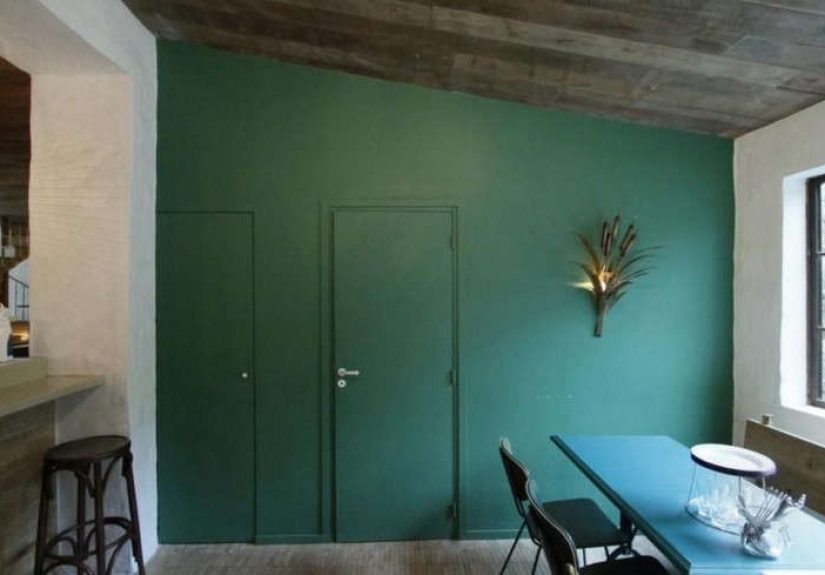
One reason Clamato has such staying power is that the room understands the assignment. The decor is stylish and contemporary, but it does not scream for attention. The crowd is usually food-aware, but not in a joyless way. The vibe is energetic, buzzy, and a little shoulder-to-shoulder when the place is full, which only adds to the sense that you are exactly where you should be.
There is also an important absence here: pretense. Clamato does not behave like it is doing you a favor by serving excellent seafood. That matters more than many restaurant owners realize. In top dining cities, coolness can drift into performance. At Clamato, coolness feels more natural. You come for the seafood, stay for the atmosphere, and leave feeling like you had a Paris meal with actual pulse rather than a staged culinary museum visit.
The location helps, too. The 11th arrondissement has long been associated with dynamic dining, younger energy, and a more contemporary version of Parisian eating culture. Clamato fits that neighborhood identity perfectly. It is a destination, but it still feels woven into the rhythm of the area rather than sealed off from it.
How Clamato Fits Into the Paris Dining Scene
What makes Clamato especially interesting is how it reflects broader changes in Paris dining. For years, visitors often approached Paris food through a narrow lens: classic bistros, formal luxury, rich sauces, long lunches, maybe a heroic steak frites if they were feeling adventurous. That Paris still exists, and thankfully so. But Clamato represents another side of the city’s food culture: lighter, more seasonal, more globally aware, and more ingredient obsessed.
It is also a restaurant that proves seafood can be central to modern Paris dining, not just an occasional indulgence or a side note on the menu. That feels significant. When people think of unforgettable meals in Paris, seafood may not always be the first category that comes to mind. Clamato changes that. It nudges diners to think beyond roast chicken and confit, and toward oysters, raw fish, shellfish, and bright marine flavors handled with real skill.
That is part of why the restaurant continues to earn attention from travel editors, food critics, and devoted regulars. It is not merely popular. It is influential. It helped normalize a version of Paris dining where an in-demand restaurant could focus on fresh seafood, operate without reservations, keep the room stylish but informal, and still be taken very seriously by people who know food.
Best Reasons to Visit Clamato
1. The freshness is not a slogan
At many restaurants, “fresh seafood” is printed so often it begins to sound decorative. At Clamato, it is the foundation. The changing menu and coastal sourcing give the kitchen a real-time quality that diners can taste.
2. It feels special without feeling precious
This is the sweet spot most restaurants chase and few actually hit. Clamato delivers a meal worth planning around, but you do not need to iron your personality before arrival.
3. It offers a smarter kind of indulgence
Seafood platters, oysters, crudo, and wine can absolutely feel luxurious, but the meal remains bright and lively. You leave satisfied, not flattened by a butter avalanche.
4. It captures modern Paris dining
If someone asked for one restaurant that shows how Paris has evolved over the last decade, Clamato would be a very strong answer. It combines technique, sourcing, neighborhood energy, and casual sophistication in a way that feels unmistakably current.
Tips for Getting the Most Out of the Experience
Since Clamato does not take reservations, timing matters. Arriving early is the obvious strategy, and frankly, still the smart one. If you hate waiting, treat opening time like an important appointment rather than a vague suggestion. Late service can also work better than prime peak hours. Flexibility is your friend.
Go with at least one other person if possible. Clamato is at its best when the table can order broadly and share. Seafood restaurants with changing menus reward curiosity, and it is far easier to explore when you can divide responsibility like mature adults. One person orders oysters, another orders ceviche, someone insists on the tarama, and suddenly teamwork has never tasted better.
Finally, lean into the restaurant’s rhythm. This is not a place to rush through a single dish and leave. Build the meal. Start cold, move warm, add wine, and let the table become increasingly cluttered with shells, plates, glasses, and the unmistakable evidence of a dinner that went very right.
The Real Experience of Eating at Clamato
Walking into Clamato feels a bit like stepping into a secret that is not actually secret anymore, but is still too delicious to be called obvious. There is usually a hum in the room before you even sit down, and the energy tells you everything you need to know. People are here to eat seriously, but not solemnly. No one looks like they came for a lecture on marine ecosystems. They came to enjoy themselves, and that spirit shapes the whole experience.
You settle in, scan the menu, and immediately realize this is not the night for playing it safe. The dishes read like invitations rather than instructions. Oysters call for a crisp glass of wine. A ceviche suggests brightness and bite. A plate of shellfish arrives and suddenly the table looks like it is auditioning for a very stylish coastal postcard. Even the smaller dishes have the kind of detail that slows you down in a good way. You taste more carefully. You talk more excitedly. You start describing textures with alarming sincerity.
Then there is the social choreography of the meal. Plates land in the center. Someone reaches for the last bite and pretends not to. Another person claims they are “saving room” and then mysteriously continues eating everything in sight. At Clamato, sharing does not feel like a compromise. It feels like the design. The food encourages conversation because every dish gives the table something to react to, compare, and fight over gently.
The room itself adds to the charm. It is busy, but not chaotic. Stylish, but not smug. The kind of place where a great dinner can happen without theatrical service or white-tablecloth intimidation. You feel looked after, but never hovered over. That balance makes the meal feel contemporary and human. It is polished enough to feel special, relaxed enough to feel repeatable, and lively enough to make even a simple lunch feel like an event.
Perhaps the most memorable part of Clamato is that it leaves behind a very specific kind of restaurant memory. Not the memory of one oversized stunt dish, and not the memory of a room trying too hard to be iconic. Instead, it stays with you as a sequence of pleasures: the cold snap of an oyster, the brightness of citrus on raw fish, the salt-and-acid rhythm of the plates, the clink of glasses, the low buzz of the crowd, and the private satisfaction of knowing you picked exactly the right place. Paris has many glamorous meals to offer, but Clamato gives you something slightly better: a meal with style, substance, and enough swagger to feel current without becoming a cliché.
Conclusion
Clamato earns its reputation not by shouting, but by delivering. It offers some of the most exciting seafood in Paris through a format that feels modern, social, and refreshingly direct. The connection to Septime gives it pedigree, the daily-changing menu gives it momentum, and the no-reservations setup gives it just enough edge to make dinner feel like a small victory. For travelers looking to experience the contemporary Paris food scene, Clamato is not just a good choice. It is one of the clearest expressions of why the city remains one of the world’s great dining capitals.
If you want a Paris seafood restaurant that feels current without chasing trends, polished without losing personality, and memorable without resorting to gimmicks, Clamato deserves a top spot on your list. Bring an appetite, bring a little patience, and bring someone willing to share the platter. That last part is important. Friendships have been tested for less.