Table of Contents >> Show >> Hide
- What You’ll Learn
- What Makes a Chocolate Chip Cookie “Perfect” (Spoiler: It’s Physics + Vibes)
- Ingredient Deep Dive: Small Choices, Big Cookie Energy
- Flour: Structure, Thickness, and Chew
- Sugars: Brown Sugar = Chew, White Sugar = Crisp
- Butter (and Brown Butter): Flavor vs. Spread
- Eggs: Binding, Moisture, and Chew
- Leavening: Baking Soda vs. Baking Powder
- Salt + Vanilla: The “Don’t Skip This” Duo
- Chocolate: Chips, Chunks, or Chopped Bars?
- Optional Add-Ins (Use Your Powers Wisely)
- Method Matters: The Steps That Separate “Fine” from “Wait, You Made These?”
- Best-Bet Recipe: Chewy Chocolate Chip Cookies with Crisp Edges
- Easy Variations (So You Can Find Your Cookie Personality)
- Troubleshooting Chocolate Chip Cookies (Cookie Rescue Squad)
- Storage, Freezing, and “Fresh Cookie on Demand” Strategy
- Conclusion: Your Best Chocolate Chip Cookies Live One Chill Away
- Real-Life Chocolate Chip Cookie Experiences (Because Cookies Are Memory-Making Machines)
Chocolate chip cookies are America’s unofficial comfort currency. They show up at bake sales, break rooms, road trips,
and “I’m definitely only eating one” moments that mysteriously turn into three. The best part? You don’t need
fancy equipment or a culinary degreeyou just need a few smart choices, a little patience (mostly for chilling),
and the confidence to pull cookies out of the oven while they still look slightly underdone. That’s not “raw,” that’s
“planning for carryover heat like a responsible adult.”
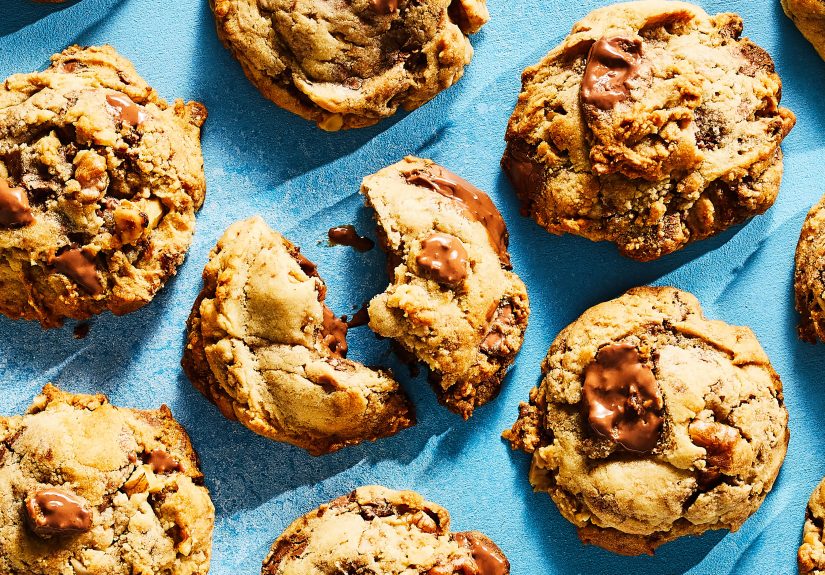
This guide is a practical, deeply-tested roadmap to making chocolate chip cookies that hit the sweet spot: crisp edges,
chewy centers, and plenty of chocolate in every bite. You’ll get a reliable go-to recipe, the “why” behind each step,
and the best fixes for common cookie heartbreak (too flat, too puffy, too dry, too “why is this basically granola?”).
Ingredient Deep Dive: Small Choices, Big Cookie Energy
Flour: Structure, Thickness, and Chew
All-purpose flour is the reliable default. Want more chew and height? Add a little structure by swapping in a portion
of bread flour. Want tenderness? A softer flour (or a blend with a lower-protein flour) keeps the bite delicate.
This is why some famous bakery-style approaches use mixed flours for chew + softness.
Practical rule: if your cookies spread too much, you often need more structure (chill longer, weigh flour, or add
1–2 tablespoons flour). If they’re too cakey, you may have too much flour or too much aeration.
Sugars: Brown Sugar = Chew, White Sugar = Crisp
Brown sugar contains molasses, which adds moisture and a caramel-like depthhello, chewiness. White sugar helps cookies
spread and contributes to crispness at the edges. A blend gives balance.
If you love a chewy cookie, tilt the ratio toward brown sugar. If you want thin and crisp, tilt toward white sugar
and bake a touch longer.
Butter (and Brown Butter): Flavor vs. Spread
Butter is non-negotiable for classic flavor. Softened butter creamed with sugar builds air for lift and a lighter
texture. Melted butter tends to create denser, chewier cookies with more spread. Browned butter adds a nutty, toffee-like
flavor that makes people ask, “What did you DO to these?” in the best way.
Brown butter does reduce water content slightly and changes how dough behaves, so recipes that use it often add a bit
more flour or include a resting/chilling step to keep the cookie from going full pancake.
Eggs: Binding, Moisture, and Chew
Eggs bind the dough and add moisture. An extra yolk (without the extra white) increases richness and chew. Cold eggs
can help control spread early in baking, while room-temp eggs blend more evenly. Most home bakers win by simply
being consistent: choose one approach and repeat it.
Leavening: Baking Soda vs. Baking Powder
Baking soda encourages spread and browning, giving you those crisp edges and that classic flavor profile. Baking powder
adds lift and can make cookies thicker/softer. Many great cookies use mostly baking soda, sometimes with a small amount
of baking powder for a little extra lift.
Salt + Vanilla: The “Don’t Skip This” Duo
Salt balances sweetness and makes chocolate taste more chocolatey. Vanilla adds warmth and roundness.
If you want the bakery vibe, finish warm cookies with a pinch of flaky saltoptional, but emotionally powerful.
Chocolate: Chips, Chunks, or Chopped Bars?
Chips are convenient and hold their shape. Chopped chocolate bars melt into larger puddles and can taste richer because
of cocoa butter content. If your goal is dramatic chocolate pools, chopped chocolate (or wafers/disks) is your friend.
Optional Add-Ins (Use Your Powers Wisely)
- Nuts (walnuts or pecans): add crunch and balance sweetness
- Oats: add chew and a hearty texture
- Toffee bits: add caramelized crunch
- Espresso powder: amplifies chocolate flavor without tasting like coffee
Method Matters: The Steps That Separate “Fine” from “Wait, You Made These?”
1) Measure Like You Mean It
If you can, weigh flour. If you can’t, spoon flour into the measuring cup and level itdon’t scoop straight from the bag
like you’re digging for pirate treasure. Too much flour is a fast lane to dry cookies.
2) Creaming Builds Texture
Beating butter and sugars until fluffy helps dissolve some sugar and traps air. That affects spread, lift, and that
classic crinkly top. You don’t need a stand mixerhand mixer works great.
3) Chill the Dough (Yes, Even When You’re Impatient)
Chilling improves flavor, helps flour hydrate, and reduces spread by firming up the fat. Even 1 hour helps.
Overnight (or up to a couple days) often tastes even better and bakes more consistently.
4) Shape Tall, Not Wide
For thicker cookies, portion dough into balls and shape them slightly taller than they are wide. This encourages upward
lift and gives you a textured top instead of a smooth, flat disk.
5) Bake Hot Enough to Set Edges, Then Pull Early
The best chewy chocolate chip cookies are pulled when the edges look set and lightly golden, but the centers still
look a little soft. They finish cooking on the sheet as they cool (carryover heat), which is basically free perfection.
6) (Optional) Pan-Banging for Ripples
If you love those dramatic wrinkly edges, you can “pan-bang” (briefly lift and tap the baking sheet during baking)
to create ripples and a chewy-crisp combo. It’s part baking technique, part percussion section.
Best-Bet Recipe: Chewy Chocolate Chip Cookies with Crisp Edges
This recipe is designed for consistent results in a typical home kitchen: chewy centers, crisp edges, deep caramel notes,
and plenty of chocolate. It also scales well for freezing dough balls so Future You can have cookies on demand.
Ingredients (Makes about 24 medium cookies)
- 2 1/4 cups (about 270g) all-purpose flour
- 1 teaspoon baking soda
- 3/4 teaspoon fine salt
- 3/4 cup (170g) unsalted butter, softened
- 3/4 cup (150g) packed light brown sugar
- 1/2 cup (100g) granulated sugar
- 1 large egg + 1 egg yolk
- 2 teaspoons vanilla extract
- 1 1/2 to 2 cups (255–340g) semisweet chocolate chips or chopped chocolate
- Optional: flaky salt for finishing
Instructions
- Prep: Line 2 baking sheets with parchment paper. In a bowl, whisk flour, baking soda, and salt.
- Cream: In a large bowl, beat softened butter, brown sugar, and granulated sugar for 2–3 minutes
until lighter and fluffy. - Add eggs + vanilla: Beat in the egg, then the yolk, then vanilla until smooth.
- Combine: Add dry ingredients and mix on low just until you don’t see dry flour. Don’t overmix.
- Chocolate: Fold in chocolate chips or chopped chocolate. (Save a handful to press on top for bakery looks.)
- Chill: Cover and refrigerate at least 1 hour (overnight is even better for flavor and texture).
- Bake: Heat oven to 350°F. Scoop 2-tablespoon portions (about 35–40g) onto sheets, leaving space.
Press reserved chocolate on top. - Timing: Bake 10–12 minutes, until edges are lightly golden and centers look soft.
- Finish: Cool on the sheet 10 minutes, then move to a rack. Sprinkle flaky salt while warm if using.
Texture dial: Want thicker cookies? Chill longer and use slightly taller dough mounds. Want thinner,
crispier cookies? Flatten the dough balls slightly and bake 1–2 minutes longer.
Easy Variations (So You Can Find Your Cookie Personality)
1) Thin & Crispy
- Use a little more granulated sugar and a little less brown sugar.
- Chill briefly (15–30 minutes) rather than overnight.
- Flatten dough balls slightly before baking.
- Bake a couple minutes longer for deeper golden edges.
2) Thick Bakery-Style
- Chill overnight.
- Shape dough tall (like a little cookie volcano).
- Use chopped chocolate for bigger pockets.
- Consider swapping 1/2 cup of the flour for bread flour for extra chew.
3) Brown Butter Upgrade
Brown 1 cup butter until it smells nutty and turns amber (watch closely). Cool until it’s no longer hot, then use it in
place of softened butter. Because browned butter is liquid, the dough benefits from a longer chill, and you may need
1–2 extra tablespoons flour if the dough looks overly loose.
4) “Two-Cookie Emergency” Small Batch
For those moments when you want cookies but not a full cookie economy in your kitchen, look for small-batch formulas
that create just a couple of thick, gooey cookies fast. The principles stay the same: don’t overmix, bake until edges set,
and let carryover heat finish the center.
5) Add-Ins That Always Win
- Toffee: adds caramel crunch
- Walnuts: classic, slightly bitter balance
- Dark chocolate + flaky salt: sweet-salty contrast
- Espresso powder: “more chocolate” without extra chocolate
Troubleshooting Chocolate Chip Cookies (Cookie Rescue Squad)
Problem: Cookies Spread Too Much (Flat + Greasy)
- Butter too warm: Chill the dough longer; start with properly softened butter (not melty).
- Not enough flour: Weigh flour or spoon-and-level. Add 1–2 tablespoons flour if needed.
- Hot baking sheet: Let pans cool between batches.
- Too little chill time: Refrigerate at least 1 hour, ideally overnight.
Problem: Cookies Are Puffy and Cakey
- Too much flour: Common if flour is scooped from the bag.
- Overmixed dough: Mix just until flour disappears to avoid too much gluten development.
- Too much leavening: Double-check teaspoons vs. tablespoons (it happens!).
Problem: Cookies Are Dry
- Overbaked: Pull when centers still look soft; they’ll finish on the pan.
- Too much flour: Weighing flour helps a lot here.
- Not enough brown sugar/yolk: For chew, increase brown sugar slightly or add an extra yolk next time.
Problem: Burnt Bottoms
- Use light-colored aluminum sheets (dark pans brown faster).
- Use parchment paper.
- Move the rack to the middle of the oven.
Problem: Not Enough Flavor
- Under-salted: Salt is a flavor amplifier, not an enemy.
- No chill/rest: A longer rest helps ingredients meld and deepens flavor.
- Chocolate choice: Try higher-quality semisweet or chopped bars for richer taste.
Storage, Freezing, and “Fresh Cookie on Demand” Strategy
Storing Baked Cookies
Keep cookies in an airtight container at room temperature. If you like them softer, add a slice of bread to the container
(the cookies absorb moisture and stay tenderyes, it works).
Freezing Cookie Dough Balls
Scoop dough into portions, place on a sheet to freeze until firm, then transfer to a freezer bag or airtight container.
Bake straight from frozenjust add 1–2 minutes to bake time. This is the best way to have warm cookies without committing
to a full bake session every time a craving taps you on the shoulder.
Conclusion: Your Best Chocolate Chip Cookies Live One Chill Away
Great chocolate chip cookies aren’t about secret ingredients or complicated steps. They’re about understanding a few
key leverssugar balance, fat temperature, flour measurement, and timingthen choosing the texture you love.
Start with the best-bet recipe above, chill the dough (future you will thank you), and bake until edges are set
while centers still look soft. That’s how you get cookies that taste like they came from a bakery, not from a
“well, I tried” moment.
And remember: the real hallmark of a great cookie isn’t a perfect circle. It’s the sound people make when they take
the first bite and briefly forget how conversation works.
Real-Life Chocolate Chip Cookie Experiences (Because Cookies Are Memory-Making Machines)
Chocolate chip cookies aren’t just a recipethey’re an event. In a lot of households, the first sign that cookies are
happening isn’t the timer. It’s the smell. Butter and brown sugar start warming up and suddenly everyone in the house
“just happens” to wander into the kitchen. People who were perfectly happy doing their own thing five minutes ago now
have urgent questions like, “So… how long until those are done?” as if the oven has a live countdown display for emotional support.
There’s also the mixing-bowl drama, a classic: someone insists the dough tastes better than the baked cookies (a bold,
controversial opinion), and someone else insists the opposite (equally bold). In reality, they’re both right.
Cookie dough is a sweet, chocolate-studded promise. The baked cookie is the actual deliverywarm, aromatic, crisp at the edges,
and soft in the middle like it has excellent boundaries. Either way, there’s usually a spoon involved and someone pretending
they’re “just checking the texture.”
Many bakers have a “first batch” story where they learn the rules the hard way: cookies that spread into one giant sheet-cookie
because the butter was too warm, or cookies that turn out dry because flour was scooped like snowdrifts instead of measured.
But that’s part of the cookie journeyeach batch teaches something. Chill time matters. Pan temperature matters.
And pulling cookies early is not a crime; it’s a strategy.
Chocolate chip cookies also have a special role in social life: they’re the low-stakes peace offering, the “thanks for helping me,”
the “sorry I was weird earlier,” and the “I didn’t know what to bring so I brought the one thing everyone agrees on.”
They show up at cookie swaps, potlucks, and school events where you need something dependable. Even people who claim they “don’t really
like sweets” somehow end up holding a cookie and saying, “Okay, but this one is actually good.”
Then there’s the highly specific experience of waiting for cookies to cool. Every rational adult knows a cookie needs a few minutes
to set up. Yet every rational adult has also burned their mouth on a too-hot chocolate pocket because patience is hard when warm cookies
are five inches away. You tell yourself you’ll wait. You don’t. You take a bite. You do the quiet “hot, hot, hot” mouth breathing.
You learn nothing. You take another bite.
And honestly? That’s why chocolate chip cookies endure. They’re not trying to be fancy. They’re trying to be comforting.
They’re the edible equivalent of a good hoodie: warm, familiar, and somehow always the right choice.
When you bake them wellwhen you nail that crisp edge and chewy center and get those glossy chocolate puddlesyou’re not just making dessert.
You’re making the kind of moment people remember. The kind where someone grabs a cookie, leans on the counter, and says,
“Okay. You have to tell me exactly what you did.” And you can smile and say: “I chilled the dough like a responsible citizen.”
If you want to make the experience even better, try turning it into a ritual. Freeze dough balls so you can bake a few whenever you want.
Press a couple chocolate chunks on top so they look bakery-ready. Sprinkle flaky salt for that sweet-salty “wow.”
Then serve them warm with a glass of milk, coffee, or tea. Because sometimes the best kitchen skill isn’t technique
it’s knowing how to create a little happiness on purpose, one cookie at a time.