Table of Contents >> Show >> Hide
- What Makes a “Bread Pudding Casserole” Different?
- Ingredients You’ll Need
- Best Bread for Chocolate Bread Pudding
- Equipment Checklist
- Step-by-Step: Chocolate Bread Pudding Casserole Recipe
- Optional: Make It Extra Creamy With a Water Bath
- Serving Ideas That Make It Feel Like a Big Deal
- Variations: Make It Your Signature
- Make-Ahead, Storage, and Reheating
- Troubleshooting: Common Bread Pudding Problems (and Fixes)
- FAQ
- Real-Kitchen Experiences: What Usually Happens (and How to Make It Better)
- Conclusion
Some desserts whisper. This one shows up wearing sequins and carrying a casserole dish.
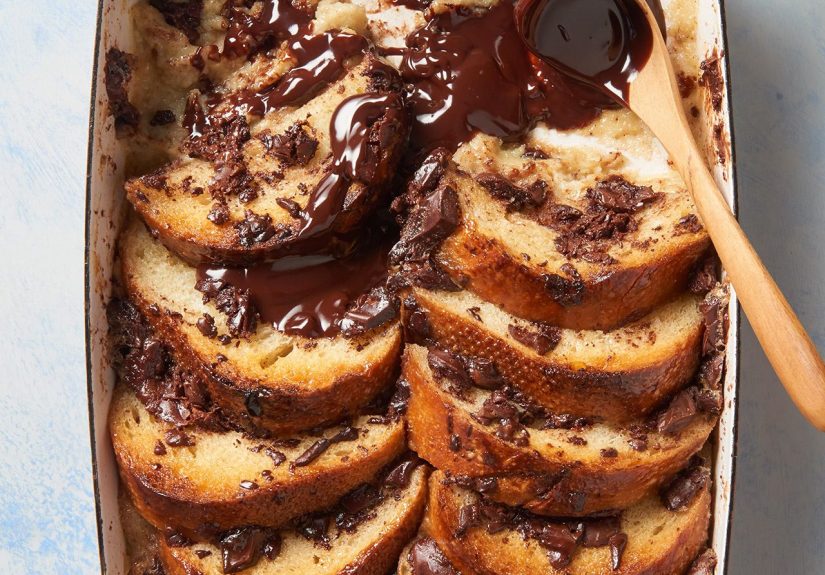
Chocolate bread pudding casserole is what happens when day-old bread and a silky chocolate custard
decide to become best friendsand then invite a few chocolate chips to the party “for emotional support.”
If you’ve ever wanted a dessert that feels like a warm blanket but tastes like a chocolate bar had a glow-up,
you’re in the right kitchen. This recipe is rich without being fussy, make-ahead friendly, and flexible enough
to handle whatever bread situation your counter is currently staging.
What Makes a “Bread Pudding Casserole” Different?
Traditional bread pudding can be baked in smaller dishes, ramekins, or loaf pans. A bread pudding casserole
is simply the family-style version: baked in a bigger dish (like a 9×13) so you get more of the good stuff at once
including those dreamy edge pieces where custard meets caramelized toast.
This version leans “double chocolate”: cocoa in the custard for a deep chocolate base, plus chopped chocolate (or chips)
for pockets of molten goodness. It’s cozy, dramatic, and shockingly easy for something that tastes like it belongs on a restaurant dessert menu.
Ingredients You’ll Need
Here’s what you’re working withplus why each ingredient matters. (Because desserts deserve respect, not mystery.)
For the bread pudding casserole
- 10 cups cubed day-old bread (about 1 pound): brioche, challah, French bread, or croissants
- 4 large eggs (room temp if possible)
- 2 cups whole milk
- 1 cup heavy cream (or half-and-half for a lighter vibe)
- 3/4 cup granulated sugar
- 1/3 cup unsweetened cocoa powder (Dutch-process or natural both work)
- 2 teaspoons vanilla extract
- 1/2 teaspoon kosher salt
- 1 teaspoon ground cinnamon (optional, but highly recommended for “bakery energy”)
- 6 ounces semisweet chocolate (chips or chopped bar)
- 2 tablespoons butter (for greasing the dish, plus a little flavor insurance)
Optional upgrades (choose your own adventure)
- Espresso powder (1–2 teaspoons): makes chocolate taste more chocolate-y (science!)
- Orange zest (1 teaspoon): chocolate + citrus = classy
- Toasted nuts (1/2 cup): pecans, walnuts, or hazelnuts
- Mini marshmallows (sprinkled on top near the end): campfire dessert vibes
Best Bread for Chocolate Bread Pudding
Bread pudding is basically a delicious recycling program: stale or dry bread soaks up custard better than fresh bread.
Rich, tender breadslike brioche or challahcreate a softer, more luxurious texture. Croissants make it extra buttery and dramatic.
French bread or baguette gives you a bit more chew and structure.
If your bread is fresh, don’t panic. Cube it and dry it out:
- Counter method: spread cubes on a sheet pan and leave out 4–12 hours
- Oven method: bake at 300°F for 10–15 minutes, stirring once, until lightly dry (not toasted into croutons)
Equipment Checklist
- 9×13-inch baking dish (or a deep 3-quart casserole dish)
- Large mixing bowl
- Whisk
- Rubber spatula or spoon
- Optional: instant-read thermometer (for perfectly set custard confidence)
Step-by-Step: Chocolate Bread Pudding Casserole Recipe
1) Prep the pan and bread
Heat oven to 350°F. Grease a 9×13-inch baking dish with butter.
Add the bread cubes to the dish and spread them out evenly.
2) Make the chocolate custard
In a large bowl, whisk together the sugar, cocoa powder, salt, and cinnamon (if using).
Add the eggs and whisk until smooth. Then whisk in milk, cream, and vanilla until fully combined.
If you’re using espresso powder or orange zest, add it now.
Tip: Cocoa can be a little stubbornwhisking it with the sugar first helps prevent cocoa clumps from forming tiny bitter islands.
3) Combine, then let it soak
Sprinkle about half of the chocolate over the bread cubes, then pour the custard evenly on top.
Gently press the bread down with a spatula so it starts absorbing the liquid.
Sprinkle the remaining chocolate over the surface (and tuck a few pieces between bread cubes like hidden treasure).
Let it sit for 20–30 minutes at room temperature so the bread can fully drink up the custard.
If you have time, this soak is where the magic happens.
4) Bake until set (not dry)
Bake uncovered for 45–60 minutes, depending on your dish depth and bread type.
You’re looking for:
- A puffed, slightly crisp top
- Edges that look set and a center that’s just a little wobbly (like Jell-O’s responsible older cousin)
- Optional thermometer check: aim for 160°F in the center for a safely set egg custard
If the top is browning too fast but the center is still loose, tent loosely with foil for the last 10–15 minutes.
5) Cool briefly, then serve
Let the casserole rest for 10–15 minutes before serving. This gives the custard time to finish setting,
so you get clean-ish slices instead of “chocolate lava delicious chaos.” (Both are valid lifestyles.)
Optional: Make It Extra Creamy With a Water Bath
Want a softer, more custardy texture? Set your baking dish inside a larger roasting pan and pour hot water into the outer pan
until it comes about halfway up the sides of the casserole dish. Bake as directed.
This gentler heat can reduce curdling risk and encourages that plush, creamy interiorespecially helpful if you love the “pudding” part
more than the “bread” part.
Serving Ideas That Make It Feel Like a Big Deal
Chocolate bread pudding casserole is a team player. Dress it up or keep it cozyeither way, people will suddenly appear in your kitchen.
- Classic: vanilla ice cream (hot-cold contrast = instant happiness)
- Light and fluffy: whipped cream + a dusting of cocoa
- Fancy: warm caramel sauce or bourbon sauce
- Extra chocolate: quick ganache (equal parts warm cream and chopped chocolate, whisked smooth)
- Brunch energy: serve warm with berries and a spoon of Greek yogurt (yes, dessert can wear athleisure)
Variations: Make It Your Signature
Triple-chocolate version
Use a mix of dark chocolate chunks, milk chocolate chips, and a handful of white chocolate chips. The result is unapologetically rich.
Chocolate chip brioche bread pudding casserole
Use brioche and mini chocolate chips for more even chocolate distribution. Great for kids, adults, and anyone who has ever smiled.
Mexican hot chocolate twist
Add 1/4 teaspoon cayenne (or a pinch) plus extra cinnamon. Serve with whipped cream and a tiny sprinkle of cinnamon sugar on top.
Nutella swirl
Warm 1/3 cup hazelnut spread for a few seconds, drizzle over the custard-soaked bread, and gently swirl with a knife before baking.
It looks fancy. It tastes like you’re winning.
Gluten-free option
Use a sturdy gluten-free loaf or rolls. Dry the cubes well before soaking so they don’t turn gummy.
Make-Ahead, Storage, and Reheating
Make-ahead (best for holidays and sanity)
Assemble the casserole, cover, and refrigerate for up to 12–18 hours.
Before baking, let it sit at room temperature for 20–30 minutes while the oven heats.
This helps the dish bake more evenly.
Storing leftovers
Cover and refrigerate for up to 3–4 days. Bread pudding is one of those rare desserts that can taste even better the next day,
when the flavors have had time to mingle like guests who finally stopped being awkward at a party.
Reheating
- Oven (best texture): cover with foil and warm at 300°F for 12–18 minutes
- Microwave (fastest): heat individual portions in 20–30 second bursts until warm
Freezing
Slice into portions, wrap well, and freeze up to 2 months.
Thaw overnight in the fridge, then warm gently in the oven for best results.
Troubleshooting: Common Bread Pudding Problems (and Fixes)
“Mine is dry.”
Usually this means the bread didn’t soak long enough, the bread-to-custard ratio skewed too bread-heavy, or it baked too long.
Next time: soak 30 minutes (or overnight), press the bread down, and pull it when the center is just barely wobbly.
“It’s too soggy.”
Bread might have been too fresh/soft or the dish may need a bit more bake time.
Dry the bread cubes first and bake until set. Using an instant-read thermometer can take the guesswork out.
“The top is done but the middle is still loose.”
Tent with foil and keep baking. Also check your dish depthdeep dishes take longer.
If you frequently bake in thick ceramic, consider lowering the oven to 325°F and baking a little longer for more even heat.
“The chocolate sank.”
Chocolate pieces will migrate a little (they have dreams), but you can reduce sinking by sprinkling some chocolate on top right before baking.
Mini chips also stay suspended more evenly than big chunks.
FAQ
Can I use sandwich bread?
You can, but it’s softer and can get mushy. If that’s what you have, dry it thoroughly in the oven first and consider adding a little extra bread
(or reducing liquid slightly).
Is this a dessert or a breakfast casserole?
Officially: dessert. Unofficially: if you eat it with coffee and call it “a chocolate-y strata,” nobody can stop you.
How do I know it’s done without a thermometer?
The edges should be set, the center should jiggle slightly, and a knife inserted near the center should come out with thick, fudgy custard
not raw liquid. Remember: it keeps setting as it rests.
Real-Kitchen Experiences: What Usually Happens (and How to Make It Better)
If you’ve never made chocolate bread pudding casserole before, here’s the comforting truth: it’s the kind of recipe that looks fancy,
smells like you lit a “Rich Chocolate Dream” candle, and still forgives you if you measure like a tired human.
But there are a few very common “real life” moments that pop upso let’s talk about them like friends standing at the stove.
First, the bread situation. Most people start with whatever bread they have, then realize halfway through that “fresh” bread drinks custard
like a toddler with juicefast at first, then suddenly it’s a soggy mess. The best move is to intentionally dry the bread cubes.
Even 10 minutes in a low oven gives you more control, because the custard absorbs evenly instead of pooling at the bottom.
And yes, that extra step feels annoyinguntil you cut a neat slice that doesn’t collapse into chocolate soup.
Next is the “I poured custard and now the bread is floating” moment. Totally normal. Bread cubes are basically tiny life rafts.
The fix is gentle pressure: press the bread down, walk away for five minutes, press again. That second press is the secret handshake.
It’s also why this casserole feels calmer when you give it time20 to 30 minutes of soaking turns “wet bread cubes” into something cohesive.
If you make it the night before, it bakes up especially even, and the chocolate flavor tastes deeper because everything has had time to hang out.
Then there’s doneness anxiety. Chocolate bread pudding is tricky because it’s dark, so you can’t rely on color like you can with vanilla custard.
People often overbake it “just to be safe,” which is how you end up with a dry center and edges that could qualify as biscotti.
Instead, look for that slight wobble in the middle. Think: set custard, not cake. If you’re serving guests and want zero guesswork,
an instant-read thermometer is like having a calm friend in the kitchen whispering, “You’re fine. Pull it at 160°F.”
Finally, the topping debate. Some people want sauce; some want ice cream; some want both and also a second serving.
Here’s the best practical approach: if you’re serving it warm, ice cream is the easiest “wow.” If you’re serving it later,
warm sauce brings it back to life. A quick chocolate ganache feels extra-special, but even melted vanilla ice cream poured over the top
delivers that crème-anglaise vibe with zero stress. The big lesson? This casserole isn’t about perfection. It’s about making something cozy,
chocolate-forward, and generoussomething that makes your kitchen smell like you absolutely have your life together.
Conclusion
This chocolate bread pudding casserole recipe is the kind of dessert that turns “I have old bread” into “I should open a bakery.”
It’s rich, warm, and endlessly customizableperfect for holidays, potlucks, snowy days, or any weeknight that needs a little chocolate therapy.
Soak it well, bake it until just set, and don’t forget: the best slice is often the one you “taste test” before anyone else arrives.