Table of Contents >> Show >> Hide
- The Chicken Map: Which Cut Should You Use?
- 10 Chicken Recipes You’ll Actually Make Again
- 1) Crispy Oven-Baked Chicken Thighs (the “listen for the crackle” method)
- 2) Lemon-Garlic Skillet Chicken & Potatoes (one pan, big comfort)
- 3) Creamy Tuscan Chicken (restaurant vibes, weeknight effort)
- 4) Sheet-Pan Chicken Fajitas (the “cut it, toss it, roast it” plan)
- 5) Slow Cooker Shredded Chicken (meal prep’s favorite child)
- 6) Slow-Roast Gochujang Chicken (sweet-spicy, glossy, unforgettable)
- 7) Spatchcock Grilled Chicken (faster, more even, more “wow”)
- 8) Gentle Poached Chicken (the secret weapon for salads and soup)
- 9) Chicken Tortilla Soup (leftovers that feel brand-new)
- 10) Fast Chicken & Broccoli Stir-Fry (weeknight speed, takeout energy)
- Flavor Builders That Make Chicken Taste Like You Tried Hard
- Meal Prep, Leftovers, and Rotisserie Chicken Shortcuts
- Food Safety Without the Anxiety
- Common Chicken Problems (and Fixes That Work)
- Conclusion: Your New Chicken Rotation
- Real-Life Chicken Experiences (the 500-word part you’ll recognize)
Chicken is basically the sweatpants of dinner: always there for you, surprisingly versatile, and somehow appropriate for both “I have 12 minutes” and “I’m hosting people who own matching napkin rings.” The trick isn’t finding chicken recipesit’s finding the ones that deliver juicy meat, crispy bits, and big flavor without turning your kitchen into a stress documentary.
This guide gives you a smart, cook-any-night playbook: which cuts to buy, how to keep chicken tender, and 10 craveable recipes you can rotate all year. Expect easy chicken dinners, one-pan wins, cozy soups, grill energy, and a few sauces that make you look like you “freestyle.” (You did. We won’t tell.)
The Chicken Map: Which Cut Should You Use?
Chicken breasts (lean, fast, dramatic)
Chicken breast is great when you want a clean, mild canvasthink skillet meals, salads, sandwiches, and quick stir-fries. The downside: it overcooks faster than a group chat can derail. Your best moves are even thickness (pound or butterfly), a little salt time (dry brine), and a thermometer.
Chicken thighs (forgive-and-forget delicious)
Thighs are richer, juicier, and more forgivingperfect for baked chicken thighs, braises, sheet-pan dinners, tacos, and anything involving a “simmer.” If you’re cooking for a mixed crowd, thighs are your peace treaty.
Drumsticks and wings (party physics)
These love high heat and bold seasoning. Drumsticks are budget-friendly and hard to mess up. Wings are basically sauce delivery vehiclescrispy skin and sticky glaze is the whole sport.
Whole chicken (one bird, many victories)
A whole chicken can be roasted, spatchcocked, or slow-roasted. The reward is maximum flavor, plus leftovers for soups, salads, and “I swear I planned this” lunches.
10 Chicken Recipes You’ll Actually Make Again
These are written as repeatable blueprintsclear steps, flexible seasoning, and realistic timing. Swap veggies, change spice, and make them yours.
1) Crispy Oven-Baked Chicken Thighs (the “listen for the crackle” method)
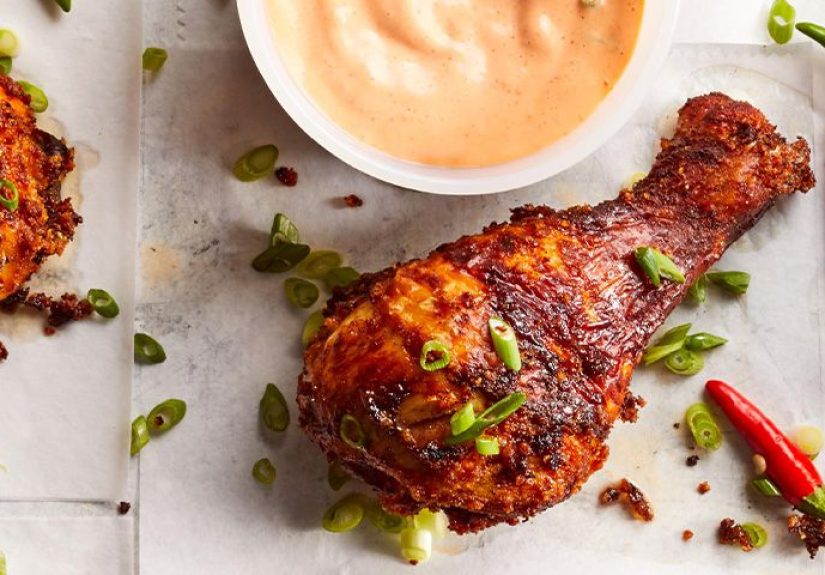
If you want crispy skin without deep-frying, this is the gateway. The secret is dry heat + dry skin.
- Heat oven to 425°F. Pat bone-in, skin-on thighs very dry.
- Season with salt, pepper, garlic powder, and paprika. Optional: add a tiny pinch of baking powder to help the skin crisp.
- Place on a wire rack over a sheet pan (or directly on a pan if you don’t have a rack).
- Bake 35–45 minutes until the skin is deeply golden and the thickest part is fully cooked.
- Rest 5–10 minutes. Serve with lemon wedges and something green so everyone feels balanced.
2) Lemon-Garlic Skillet Chicken & Potatoes (one pan, big comfort)
This is the kind of easy chicken dinner that makes Tuesday feel slightly less like Tuesday.
- Season chicken (thighs or breasts) with salt and pepper.
- Sear in a hot skillet until golden. Remove chicken.
- Add halved baby potatoes, a splash of broth, sliced garlic, and lemon rounds.
- Nestle chicken back in, cover, and cook until potatoes are tender and chicken is done.
- Finish with parsley or dill and a final squeeze of lemon.
3) Creamy Tuscan Chicken (restaurant vibes, weeknight effort)
Creamy sauce, spinach, tomatoesthis one wins hearts and cancels takeout plans.
- Sear seasoned chicken breasts (or thighs) until browned; remove.
- Sauté garlic; add broth and a little cream, then stir in Parmesan.
- Add sun-dried tomatoes or cherry tomatoes; simmer gently.
- Return chicken and add spinach to wilt.
- Serve over pasta, rice, or with crusty bread for “sauce insurance.”
4) Sheet-Pan Chicken Fajitas (the “cut it, toss it, roast it” plan)
Minimal dishes, maximum payoffplus the oven does the heavy lifting.
- Slice bell peppers and onions; toss with oil, salt, chili powder, cumin, and lime juice.
- Add sliced chicken breast or thighs; toss again.
- Roast at 425°F for 18–25 minutes, stirring once.
- Finish with cilantro and extra lime. Serve with tortillas and whatever toppings you hoard.
5) Slow Cooker Shredded Chicken (meal prep’s favorite child)
This is how you get tacos, salads, sandwiches, and bowls all weekwithout cooking chicken four separate times.
- Add chicken breasts or thighs to a slow cooker with broth, salt, pepper, and optional spices (cumin, oregano, smoked paprika).
- Cook on low until tender and shreddable.
- Shred with forks (or a mixer if you’re living in the future), then stir back into the juices.
- Use for tacos, enchiladas, BBQ sandwiches, grain bowls, or soup.
6) Slow-Roast Gochujang Chicken (sweet-spicy, glossy, unforgettable)
Gochujang brings funk, heat, and sweetnesslike your favorite friend who always orders the spicy option and is always right.
- Mix gochujang with olive oil, grated garlic, and ginger. Add a little honey if you like it sweeter.
- Rub over chicken pieces (or a whole chicken) and toss potatoes in the same mixture.
- Roast at a lower temp (around 325°F) until deeply tender, then blast at higher heat briefly for color.
- Finish with lime and scallions for brightness.
7) Spatchcock Grilled Chicken (faster, more even, more “wow”)
Spatchcocking (butterflying) flattens the bird so it cooks more evenly and gets more crispy surface area. The name is silly. The results are not.
- Cut out the backbone with kitchen shears and press the chicken flat.
- Season generously; dry-brine overnight if you can.
- Grill with indirect heat until nearly done, then finish over direct heat for crisp skin.
- Rest, carve, and accept compliments gracefully.
8) Gentle Poached Chicken (the secret weapon for salads and soup)
Poaching makes chicken tender and clean-tastingperfect for chicken salad, wraps, and broth-based meals.
- Simmer water or broth with salt, peppercorns, garlic, and a few herbs.
- Add chicken, bring to a brief boil, then cover and turn off the heat.
- Let it sit until cooked through, then slice or shred.
- Bonus: strain and save the poaching liquid for soup.
9) Chicken Tortilla Soup (leftovers that feel brand-new)
This is the glow-up shredded chicken deserves: smoky broth, crunchy toppings, and the power to fix a bad day.
- Sauté onion and garlic; add cumin and chili powder.
- Add broth, tomatoes, beans (optional), and shredded chicken.
- Simmer 15 minutes; finish with lime.
- Top with tortilla strips, avocado, cilantro, and cheese.
10) Fast Chicken & Broccoli Stir-Fry (weeknight speed, takeout energy)
The sauce is the trick: salty + sweet + acid = instant “real recipe.”
- Slice chicken thin; season lightly with salt and a touch of cornstarch for velvety texture.
- Stir-fry broccoli until bright and crisp-tender; remove.
- Cook chicken in a hot pan until done; return broccoli.
- Add sauce (soy sauce + garlic + ginger + a little honey + splash of rice vinegar). Toss and serve.
Flavor Builders That Make Chicken Taste Like You Tried Hard
Dry brine: the easiest upgrade you’ll ever do
Salting chicken ahead of time pulls out a little moisture, then the chicken reabsorbs itseasoning the meat deeper and helping it stay juicy. Even 20–30 minutes helps; a few hours (or overnight) is magic for roasted and grilled chicken.
Wet brine vs. dry brine (choose your adventure)
Wet brines can make chicken extra plump and juicy, while dry brines tend to brown better and keep chicken flavor punchier. If you want crisp skin, dry brine is usually the friendliest path.
Marinades that do more than smell nice
For tender chicken, use marinades with yogurt, buttermilk, or a little mayothese coat the meat and encourage browning while adding richness. Save strong acids (like lots of lemon juice) for shorter marinades so the texture doesn’t go weird.
Pan sauces: the “I’m fancy now” finishing move
After searing chicken, don’t abandon the browned bits. Add broth or wine, scrape the pan, simmer, and whisk in butter. Toss in capers, mustard, or herbs. Congratulations: you just made a sauce that costs $14 at a bistro.
Meal Prep, Leftovers, and Rotisserie Chicken Shortcuts
If your future self could text you, they’d say: “Thank you for making shredded chicken.” Use it in: tacos, quesadillas, salads, wraps, soups, fried rice, pasta, and casseroles.
- Batch-cook smart: Make one neutral shredded chicken and one bold batch (BBQ or spicy) so meals don’t feel repetitive.
- Rotisserie chicken is a cheat code: Turn it into casseroles, soups, and quick salads when time is tight.
- Freeze like a pro: Freeze shredded chicken in flat zip bags (it thaws faster). Label it so you’re not playing freezer roulette.
Food Safety Without the Anxiety
The simplest rule: cook chicken until it reaches a safe internal temperature. Use a thermometer in the thickest part of the meat (avoid bone). Resting a few minutes helps juices settle and makes slicing less messy.
- Thermometer habit: It prevents dry chicken and guesswork. The goal is safe and juicy, not “incinerated for confidence.”
- Don’t wash raw chicken: It can spread germs around your sink and counters. Pat dry with paper towels instead.
- Leftover reality: Cool quickly, refrigerate promptly, and reheat thoroughly.
Common Chicken Problems (and Fixes That Work)
“My chicken breast is dry.”
Three likely culprits: uneven thickness, overcooking, and skipping a rest. Pound breasts to an even thickness, pull them off heat once they’re done, and rest 5 minutes before slicing. Also: sauces exist for a reason and we should respect that.
“My skin is rubbery.”
Moisture is the enemy of crisp. Pat dry, use higher heat, and don’t crowd the pan. If roasting, a wire rack helps heat circulate.
“It tastes bland.”
Season earlier (dry brine), season in layers (salt in the meat + flavor in the sauce), and finish with acid (lemon, vinegar) and something fresh (herbs, scallions). Bland chicken is often just “missing contrast.”
“My sauce broke / looks greasy.”
Lower the heat and whisk in a splash of broth or a knob of butter slowly. If you went heavy on dairy at high heat, it may separate gentle simmer is your friend.
Conclusion: Your New Chicken Rotation
The best chicken recipes aren’t complicatedthey’re repeatable. Pick the right cut, season with intention, cook to doneness (not to fear), and finish with something punchy. With these 10 recipes and a few flavor tools, you’ll always have a plan for weeknight chicken dinners, meal prep lunches, and “I need comfort food” emergencies.
Real-Life Chicken Experiences (the 500-word part you’ll recognize)
If you’ve cooked chicken more than twice, you’ve probably had at least one of these moments: you’re confident, the kitchen smells amazing, and then you cut into the center and discover the plot twist. Suddenly you’re negotiating with time, hunger, and the laws of physics. Welcome. This is normal. Chicken is delicious, but it is alsohow do we put this politelyextremely honest.
One common experience is the “thick end vs. thin end” chicken breast problem. The skinny side cooks fast; the thick side needs more time. If you don’t even it out, you end up choosing between dry and underdone. That’s why pounding or butterflying is less “fussy” and more “basic math.” It turns chicken into a predictable ingredient instead of a suspense novel.
Then there’s the overcrowded-pan situation. You toss too much chicken into a skillet because you’re optimistic (or hungry), and the chicken steams instead of sears. You were promised golden-brown. You got pale and watery. The fix is unglamorous but effective: cook in batches, give pieces space, and let the pan get hot. When chicken actually browns, you’re not just improving coloryou’re creating flavor that later becomes a pan sauce. That’s dinner alchemy, and it starts with patience.
Another very real moment: you taste your dish and it’s “fine.” Not bad. Not great. Just… fine. This is usually where a squeeze of lemon, a splash of vinegar, or a handful of chopped herbs saves the day. Chicken loves a bright finish. Think of acid like turning on a light in a roomyou didn’t change the furniture, but suddenly everything looks better. The same goes for texture: toasted nuts, crispy onions, or tortilla strips can make a simple chicken bowl feel intentionally designed.
You’ll also discover the power of strategic shortcuts. A rotisserie chicken can be the backbone of multiple meals: soup one night, tacos the next, and a casserole when you need maximum comfort with minimum effort. The experience here is less “cheating” and more “resourceful.” Cooking doesn’t have to be hard to be goodit has to be thoughtful.
Finally, the most underrated experience: the first time you rely on a thermometer and realize you’ve been overcooking chicken for years “just to be safe.” A thermometer doesn’t remove the soul from cooking; it removes the anxiety. Once you trust the numbers, you start focusing on flavor and texture, not fear. And that’s when chicken goes from routine to reliably greatcrispy skin, juicy meat, and a kitchen that feels like it’s working with you, not against you.