Table of Contents >> Show >> Hide
- When chest pain is an emergency
- How chest pain clues work (without overthinking it)
- 27 causes of chest pain (with notable symptoms)
- Heart and blood vessel causes
- 1) Heart attack (myocardial infarction)
- 2) Angina (reduced blood flow to heart muscle)
- 3) Aortic dissection (tear in the aorta wall)
- 4) Pericarditis (inflammation of the sac around the heart)
- 5) Myocarditis (inflammation of heart muscle)
- 6) Hypertrophic cardiomyopathy (HCM)
- 7) Aortic stenosis (narrowed aortic valve)
- 8) Arrhythmias (abnormal heart rhythms)
- Lung and breathing-related causes
- Digestive (GI) causes
- Muscle, bone, and chest wall causes
- Skin and nerve causes
- Mental health and stress-related causes
- When to see a doctor (even if it’s not an emergency)
- How clinicians figure out the cause
- What chest pain feels like in real life: common experiences (about )
- Experience 1: “It felt like an elephant sat on my chest.”
- Experience 2: “It was a sharp stab when I took a deep breath.”
- Experience 3: “It burned after I ate, and lying down made it worse.”
- Experience 4: “I touched my chest and it hurt exactly where I pressed.”
- Experience 5: “My heart was racing and I thought I was dying.”
- Conclusion
Chest pain is the body’s way of tapping you on the shouldersometimes gently (“Hey, maybe stop eating salsa at midnight”),
sometimes with the urgency of a fire alarm (“Call 911, like, yesterday”). The tricky part is that the chest is a crowded
neighborhood: your heart, lungs, esophagus, ribs, muscles, nerves, and even your gallbladder can all send “pain mail” to
the same address.
This guide breaks down 27 real causes of chest pain, the notable symptoms that can help you
tell them apart, and the moments when you should stop Googling and get medical help. It’s not a diagnosis
(only a clinician can do that), but it can help you make safer, faster decisions.
When chest pain is an emergency
Call 911 (or your local emergency number) right now if you have chest pain that is new, severe, worsening,
or lasts more than a few minutesespecially if it comes with any of the “red flag” symptoms below.
Chest pain red flags
- Pressure, squeezing, fullness, or crushing sensation in the chest
- Pain spreading to the arm (often left), back, neck, jaw, or upper belly
- Shortness of breath, sweating, nausea/vomiting, or fainting
- Sudden “ripping/tearing” pain or severe chest and upper back pain
- Blue lips/nails, severe trouble breathing, or coughing up blood
- Confusion, extreme weakness, or a sense that something is very wrong
If you’re unsure, the safest rule is: treat unexplained chest pain as urgent until proven otherwise.
It’s okay if the final diagnosis is “heartburn.” It’s not okay if it’s a heart attack and you waited because you hoped
it was heartburn.
How chest pain clues work (without overthinking it)
Doctors don’t rely on one clue. They combine pattern (what it feels like), triggers (exertion, meals,
breathing, movement), timing (sudden vs gradual), and extra symptoms (breathlessness, fever, rash, etc.).
Here are a few common patterns:
- Exertion-related pressure that improves with rest can suggest reduced blood flow to the heart (angina).
- Sharp pain worse with deep breaths may point to a lung/pleural issue (like pulmonary embolism or pleurisy).
- Burning after meals, sour taste, or worse when lying down often suggests reflux (GERD).
- Pain reproducible by pressing the chest wall often suggests a muscle/rib/cartilage source.
- Sharp pain that improves when leaning forward can happen with pericarditis.
27 causes of chest pain (with notable symptoms)
Below are 27 common (and some not-so-common but important) causes, grouped by body system. Many overlapso use this as a
guide for “what to consider,” not a self-diagnosis checklist.
Heart and blood vessel causes
1) Heart attack (myocardial infarction)
Notable symptoms: Pressure/tightness, squeezing, heaviness; may radiate to arm, back, neck, jaw; sweating, nausea, shortness of breath, lightheadedness, unusual fatigue.
When to act: Emergencycall 911 immediately. Even “mild” or atypical symptoms can be serious.
2) Angina (reduced blood flow to heart muscle)
Notable symptoms: Chest pressure or discomfort, often triggered by exertion or stress; may improve with rest; can radiate similarly to a heart attack.
When to act: If new, worsening, occurring at rest, or different than usualtreat as emergency (possible unstable angina).
3) Aortic dissection (tear in the aorta wall)
Notable symptoms: Sudden severe pain often described as ripping/tearing; may be in chest and upper back; can come with fainting, stroke-like symptoms, or shock.
When to act: Always an emergencycall 911.
4) Pericarditis (inflammation of the sac around the heart)
Notable symptoms: Sharp, stabbing pain that can worsen with deep breaths or lying down; often improves when sitting up or leaning forward; may follow a viral illness and include fever.
When to act: Same-day evaluation is wise; emergency if severe symptoms, shortness of breath, fainting, or heart-attack-like features.
5) Myocarditis (inflammation of heart muscle)
Notable symptoms: Chest pain with shortness of breath, fatigue, palpitations; sometimes after a viral illness; may mimic a heart attack.
When to act: Urgent evaluationespecially if breathing issues, fainting, or fast/irregular heartbeat.
6) Hypertrophic cardiomyopathy (HCM)
Notable symptoms: Chest pain or pressure with exertion, shortness of breath, dizziness, fainting (especially during exercise); family history may matter.
When to act: Urgent evaluation, and emergency care if fainting, severe breathlessness, or persistent chest pain.
7) Aortic stenosis (narrowed aortic valve)
Notable symptoms: Exertional chest pain, shortness of breath, dizziness or fainting with activity; may have a heart murmur diagnosed previously.
When to act: Prompt clinician visit; emergency if symptoms are sudden/severe, or fainting occurs.
8) Arrhythmias (abnormal heart rhythms)
Notable symptoms: Chest discomfort with palpitations (racing, fluttering), dizziness, shortness of breath; pain may accompany a very fast or very slow heart rate.
When to act: Emergency if chest pain plus fainting, severe breathlessness, or signs of poor circulation.
Lung and breathing-related causes
9) Pulmonary embolism (blood clot in the lung)
Notable symptoms: Sudden shortness of breath, sharp chest pain worse with deep breaths, cough (sometimes with blood), fast heart rate, fainting; may follow recent travel, surgery, immobilization, or clot history.
When to act: Emergencycall 911.
10) Pneumothorax (collapsed lung)
Notable symptoms: Sudden one-sided chest pain and shortness of breath; may follow trauma or occur spontaneously (sometimes in tall, thin people or those with lung disease).
When to act: Emergency evaluationgo to ER / call 911, especially if breathing is difficult.
11) Pneumonia
Notable symptoms: Chest pain that worsens with deep breaths or coughing, fever, chills, cough, fatigue, shortness of breath.
When to act: Prompt medical evaluation; emergency if severe breathing trouble, confusion, or low oxygen signs (bluish lips).
12) Pleurisy (inflamed lining around the lungs)
Notable symptoms: Sharp “catching” pain with deep breaths, coughing, or sneezing; may occur with viral infections, pneumonia, or autoimmune conditions.
When to act: Same-day or next-day evaluation, especially if shortness of breath or fever is present.
13) Asthma flare
Notable symptoms: Chest tightness with wheezing, cough, and shortness of breath; may be triggered by exercise, allergens, cold air, or infections.
When to act: Urgent if inhalers aren’t helping, you’re struggling to speak in full sentences, or symptoms worsen quickly.
14) COPD exacerbation (in people with chronic lung disease)
Notable symptoms: Increased breathlessness, chest tightness, more coughing or sputum, wheezing; often triggered by infections or irritants.
When to act: Same-day evaluation; emergency if severe breathing difficulty or bluish discoloration.
15) Lung cancer or lung tumors
Notable symptoms: Persistent chest discomfort, chronic cough, coughing up blood, unexplained weight loss, recurrent pneumonia, worsening breathlessness.
When to act: Prompt appointmentespecially for persistent symptoms or blood in sputum.
Digestive (GI) causes
16) GERD (acid reflux) / heartburn
Notable symptoms: Burning behind the breastbone, sour taste, symptoms after meals or when lying down; may improve with antacids.
When to act: See a clinician if frequent, severe, or with trouble swallowing, weight loss, vomiting blood, or black stools. If you can’t tell reflux from heart paintreat it as urgent.
17) Esophageal spasm
Notable symptoms: Intense squeezing pain that can mimic heart pain; may be triggered by hot/cold foods or stress; sometimes improves with swallowing or worsens with it.
When to act: Urgent evaluation if new or severe; emergency if heart-attack symptoms can’t be ruled out.
18) Esophagitis (inflamed esophagus)
Notable symptoms: Burning chest pain with swallowing, sensation of food sticking, sour reflux, sometimes after certain medications (pill esophagitis).
When to act: Prompt evaluation if swallowing is painful, you can’t keep food down, or symptoms persist.
19) Peptic ulcer disease
Notable symptoms: Burning pain in upper abdomen that can feel like chest discomfort; may relate to meals, NSAID use, or H. pylori infection; nausea or bloating.
When to act: Urgent if vomiting blood, black stools, fainting, or severe worsening pain.
20) Gallbladder problems (gallstones, biliary colic, cholecystitis)
Notable symptoms: Pain often in right upper abdomen but can “refer” to chest or right shoulder blade; often after fatty meals; nausea/vomiting possible.
When to act: Same-day evaluation if severe or persistent; emergency if fever, jaundice, or intense unrelenting pain.
21) Pancreatitis
Notable symptoms: Severe upper abdominal pain that can radiate to the chest or back, nausea/vomiting, worse after eating; may be linked to gallstones or alcohol.
When to act: Urgent/emergency evaluationespecially if severe pain or repeated vomiting.
22) Hiatal hernia
Notable symptoms: Reflux-like chest burning/pressure, worse when bending over or lying down; burping, early fullness, regurgitation.
When to act: Non-emergency unless severe pain, vomiting blood, or you can’t swallow; seek care for persistent symptoms.
Muscle, bone, and chest wall causes
23) Costochondritis (inflamed rib cartilage)
Notable symptoms: Sharp or aching pain near the breastbone; often worse with movement, deep breaths, or pressure on the area; can follow heavy lifting or coughing.
When to act: See a clinician if pain persists, worsens, or you have heart-risk factorsbecause it can mimic serious problems.
24) Muscle strain (pectorals/intercostals)
Notable symptoms: Soreness after new workouts, lifting, pushing, or twisting; worse when you move, reach, or take a deep breath; tender to touch.
When to act: Medical visit if severe, not improving, or paired with shortness of breath or dizziness.
25) Rib fracture or contusion
Notable symptoms: Localized sharp pain after a fall, impact, or forceful coughing; worse with deep breaths, coughing, or pressure; possible bruising.
When to act: Evaluation if breathing is difficult, pain is severe, or there’s concern for complications.
Skin and nerve causes
26) Shingles (herpes zoster)
Notable symptoms: Burning, tingling, or stabbing pain on one side of the chest or back; skin sensitivity; rash of fluid-filled blisters often appears days later.
When to act: See a clinician quicklyantiviral treatment works best early. Emergency if you suspect heart-related chest pain instead.
Mental health and stress-related causes
27) Panic attack / anxiety-related chest pain
Notable symptoms: Chest tightness or pain with rapid heartbeat, shortness of breath, sweating, trembling, nausea, dizziness, and a feeling of doom; often peaks within minutes.
When to act: If it’s your first episode, symptoms are severe, you have heart risk factors, or you’re unsureget urgent medical evaluation. Once serious causes are ruled out, treating anxiety can reduce recurrence.
When to see a doctor (even if it’s not an emergency)
Not all chest pain needs an ambulance, but many situations deserve a clinician’s inputespecially when the pain is
persistent, recurring, or changing. Consider making an appointment soon if:
- Your chest pain keeps returning (even if it’s mild)
- You have reflux symptoms more than a couple times a week
- You notice new shortness of breath, reduced exercise tolerance, or palpitations
- You have a lingering cough, fever, or pain with breathing
- You have risk factors like diabetes, smoking history, high blood pressure, high cholesterol, or family history of early heart disease
How clinicians figure out the cause
In urgent settings, clinicians prioritize life-threatening causes first. You may be asked about the pain’s onset,
triggers, and location; your risk factors; and associated symptoms. Common tests can include an ECG, blood tests,
chest imaging, and sometimes CT scans or heart-specific testing depending on the scenario.
What chest pain feels like in real life: common experiences (about )
People often describe chest pain in ways that sound oddly similareven when the causes are very different. Here are
a few composite “real-life” experiences clinicians commonly hear, and what tends to matter most. (These are not
personal stories; they’re examples of patterns many patients report.)
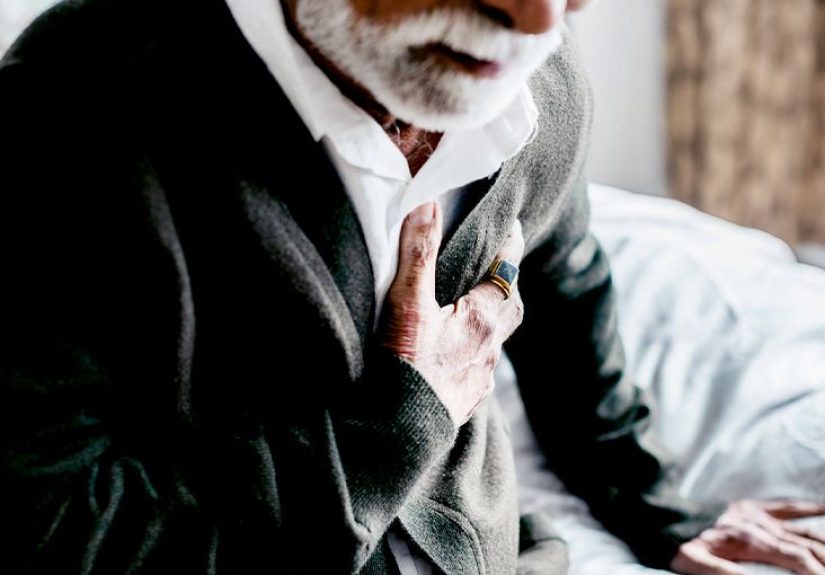
Experience 1: “It felt like an elephant sat on my chest.”
This descriptionheavy pressure, tightness, or squeezingraises immediate concern for a heart-related event. Some
people also notice sweat that seems to come out of nowhere, nausea, or pain drifting into the jaw or left arm.
A frequent detail: the discomfort doesn’t change much if you press on the chest wall, stretch, or shift positions.
When this pattern is new or intense, the safest move is calling 911. Even if it turns out to be something else,
quick evaluation is the point.
Experience 2: “It was a sharp stab when I took a deep breath.”
Sharp pain that worsens with breathing (pleuritic pain) often makes people worry about the heart, but it can point
toward lungs or the lining around them. Patients sometimes say, “I can breathe, but it hurts to breathe.”
If the same pain comes with sudden shortness of breath, fainting, or a fast heartbeat, that combination can signal
a serious lung emergency like a pulmonary embolism or pneumothorax. If it’s paired with fever and cough, infection
climbs higher on the list. The key is the company the pain keeps.
Experience 3: “It burned after I ate, and lying down made it worse.”
Reflux pain can be dramaticburning behind the breastbone, sour taste, burping, and a sense that food is “coming
back up.” People often notice patterns: late meals, spicy or fatty foods, alcohol, or lying flat soon after eating.
Antacids may help, which can feel like a clue. But here’s the catch: heart-related pain and reflux can overlap.
If there’s any doubtespecially with shortness of breath, sweating, or radiationgetting checked beats guessing.
Experience 4: “I touched my chest and it hurt exactly where I pressed.”
Many chest wall problems are mechanical. After a new workout, heavy lifting, moving furniture, or a marathon
coughing spell, people can develop costochondritis or muscle strain. The pain often feels worse when turning,
reaching, or taking a deep breath, and it’s frequently reproducible with pressure. That’s reassuringbut not a
free pass. Persistent pain, worsening symptoms, or any red flags still deserve medical attention.
Experience 5: “My heart was racing and I thought I was dying.”
Panic attacks can feel like medical emergencies: chest tightness, pounding heart, shaking, sweating, tingling hands,
dizziness, and a feeling of doom. The episode often peaks fast. Many people are surprised by how physical anxiety
can be. The safest approach for a first-time episode is to get evaluated to rule out heart or lung causes. Once
serious problems are excluded, learning triggers, practicing slow breathing, and treating anxiety (therapy, lifestyle
changes, or medication when appropriate) can significantly reduce recurrence.
Conclusion
Chest pain has a huge range of causesfrom reflux and strained muscles to heart attacks and blood clots. The goal
isn’t to become your own emergency physician; it’s to recognize when symptoms might be dangerous and act quickly.
If your chest pain is new, severe, unexplained, or comes with red flags, seek emergency care. If it’s persistent,
recurring, or affecting your life, schedule a medical evaluation. When it comes to the chest, “better safe than
sorry” isn’t a sloganit’s a survival strategy.