Table of Contents >> Show >> Hide
- What Is Chaga, Exactly?
- Common Uses of Chaga in the U.S.
- Potential Benefits: What Research Suggests (and What It Doesn’t)
- Chaga Mushroom Side Effects
- Drug Interactions and Who Should Avoid Chaga
- How to Use Chaga More Safely (If You Choose to Try It)
- Quick FAQs
- The Bottom Line
- Real-World Experiences With Chaga (A 500-Word Add-On)
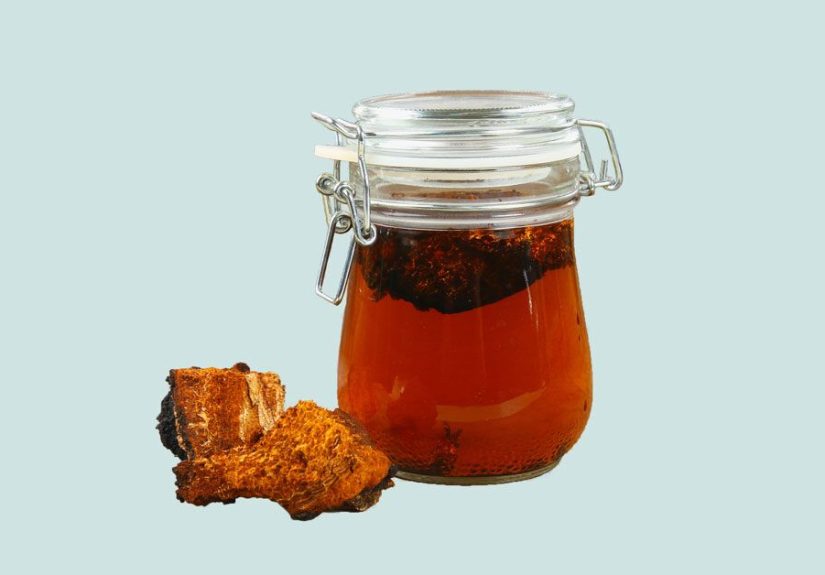
Chaga mushroom has a reputation that’s bigger than its looks. On a birch tree, it resembles a chunk of burnt charcoal glued to the barkless “cute fungus,” more “campfire accident.”
Yet for centuries, people have brewed it into tea and leaned on it as a folk remedy. Today, chaga is marketed as a “functional mushroom” for immune support, antioxidants, and all-around wellness.
Here’s the honest, science-aware take: chaga has interesting compounds and promising early research, but most evidence is from lab and animal studies, not large human trials.
And like many supplements, it can cause side effects and drug interactionsespecially at high doses or in people with kidney problems.
Let’s break down what chaga is, what it might do, what it definitely shouldn’t be treated as (a miracle cure), and how to use it more safely if you choose to.
What Is Chaga, Exactly?
“Chaga” usually refers to Inonotus obliquus, a fungus that grows mainly on birch trees in cold climates. The part sold as chaga is often the dark, cracked growth on the tree (a sterile conk),
not the classic “mushroom cap” people picture. Traditional use has been documented in northern and Eastern European regions, including Russia and Siberia, and it’s now popular in the U.S. wellness scene.
What’s Inside Chaga?
Chaga contains a mix of bioactive compounds that help explain why researchers are interested:
- Polysaccharides and beta-glucans (often discussed in immune-related research)
- Polyphenols and other antioxidant-related compounds
- Triterpenes (including compounds linked to birch, such as betulin-derived substances)
- Melanin (one reason chaga extracts are so dark)
Important detail: chaga products vary a lot. Some are hot-water extracts, some are alcohol extracts, and some are just ground material.
Different extraction methods pull out different compoundsso two “chaga” products can behave more like distant cousins than twins.
Common Uses of Chaga in the U.S.
In American supplement culture, chaga is usually used for general wellness rather than for a specific medical diagnosis.
Common reasons people try it include:
- Immune support during cold-and-flu season
- Antioxidant support as part of a wellness routine
- Inflammation-focused goals (often tied to gut comfort or general aches)
- Metabolic support claims (blood sugar and cholesterol)
- “Coffee alternative” rituals (chaga tea or chaga lattes)
- Skin-related uses (some topical products include chaga extracts)
Potential Benefits: What Research Suggests (and What It Doesn’t)
Most chaga research is preclinical (test-tube and animal studies). That doesn’t make it worthlessit’s how science startsbut it does mean
we can’t automatically translate “worked in cells” into “works in people sipping tea.”
1) Antioxidant Activity (Strongest “Why People Believe” Category)
Chaga is widely described as antioxidant-rich, which is part of why it’s marketed for “cellular health” and “aging support.”
Antioxidants help counter oxidative stress, which plays a role in many chronic conditions. This is also a place where marketing can get a little dramatic.
The practical takeaway: chaga contains compounds that show antioxidant effects in laboratory settings, but the real-life impact depends on the product,
dose, and how your body absorbs and uses those compounds.
2) Inflammation and Immune Modulation
Chaga extracts have shown anti-inflammatory and immune-modulating activity in early research.
You’ll often see claims about cytokines (immune messengers) or “balancing the immune system.” What that can mean in real life is unclear, because immune function is not a simple on/off switch.
If you’re healthy, “boosting immunity” is not always the goal; sometimes you want a calm, appropriately responsive immune system.
Example: Someone who wants a cozy winter ritual might use chaga tea as part of a routine alongside sleep, nutrition, and hydration.
That’s a safer framing than expecting chaga to act like a protective force field.
3) Blood Sugar Support (Promising, But Handle With Care)
Some animal studies suggest chaga compounds may influence blood sugar and insulin sensitivity. That’s one reason you’ll see chaga marketed to people focused on metabolic health.
The problem is also the warning: if a supplement can lower blood sugar, it can also contribute to low blood sugarespecially if you take diabetes medications.
Real-world scenario: if someone uses metformin or insulin and adds chaga daily without guidance, their usual medication plan may no longer match their day-to-day glucose patterns.
This is exactly the kind of “natural” situation that can become a not-so-fun surprise.
4) Cholesterol and Heart-Health Claims
Early research (again, mostly in animals) suggests chaga may influence lipid profiles, including LDL cholesterol and triglycerides.
That’s why chaga sometimes appears in “heart healthy” supplement blends. But heart disease risk is complex, and no supplement should be viewed as a substitute for proven steps:
nutrition patterns, activity, sleep, smoking avoidance, and clinically appropriate medications when needed.
5) Cancer-Related Interest (Where Caution Matters Most)
Chaga is frequently discussed in cancer-adjacent wellness content because some lab and animal studies suggest antitumor activity.
However, this is a high-risk area for misinformation. Major oncology-focused resources emphasize that clinical evidence in humans is lacking,
and chaga should not be treated as a cancer therapy.
If you’re dealing with cancer (or supporting someone who is), the safest move is to involve the oncology team before using chaga.
Supplements can interact with treatments, affect clotting, or add kidney strainnone of which is welcome when your body already has a lot going on.
Chaga Mushroom Side Effects
Many people tolerate chaga, especially in modest amounts as tea. But “natural” doesn’t mean “risk-free.”
Side effects are more likely with high-dose powders, concentrated extracts, long-term daily use, and in people with underlying health conditions.
Possible Side Effects
- Digestive upset (nausea, stomach discomfort, diarrhea) in sensitive users
- Low blood sugar (especially if combined with diabetes medications)
- Bleeding or bruising risk if combined with blood thinners or certain medications that affect clotting
- Allergic reactions (rare but possible with any botanical product)
- Kidney issues linked to high oxalate content and heavy use (including case reports of oxalate-related kidney injury)
The Kidney Warning: Oxalates Are the Big Deal
One of the most important safety concerns with chaga is its high oxalate content.
Oxalates can contribute to kidney stone risk in susceptible people and, in extreme cases, have been associated with oxalate-related kidney injury in medical reports.
This risk appears tied to heavy, sustained intake (think large daily doses over months), sometimes combined with other oxalate-related factors.
If you have chronic kidney disease, a history of kidney stones, or you’ve been told to watch oxalates, chaga is not a casual add-on.
Talk with a clinician before using it, and don’t assume that “tea form” automatically makes it harmless.
Drug Interactions and Who Should Avoid Chaga
Potential Interactions
- Anticoagulants/antiplatelet drugs (blood thinners): chaga may increase bleeding risk when combined with these medications.
- Diabetes medications: chaga may lower blood glucose, raising the risk of hypoglycemia when paired with glucose-lowering drugs.
- Immunosuppressants: because chaga is discussed as immune-modulating, people on immune-suppressing therapy should get medical guidance first.
People Who Should Be Extra Cautious (or Skip It)
- Anyone with kidney disease or a history of oxalate kidney stones
- People taking blood thinners or preparing for surgery/procedures
- People managing diabetes with medication
- Those with autoimmune conditions (ask a clinician first)
- Pregnant or breastfeeding individuals (insufficient safety data)
- Children (avoid unless a pediatric clinician specifically recommends it)
How to Use Chaga More Safely (If You Choose to Try It)
There is no universally established “best dose” for chaga. Labels vary, extracts vary, and research doesn’t give a single clear number.
So the safer approach is less about chasing a perfect dosage and more about avoiding preventable mistakes.
Pick the Form That Matches Your Goal
- Chaga tea: often the gentlest entry point; think “daily ritual” more than “therapeutic megadose.”
- Powders: convenient, but easy to overdo if you’re scooping freely.
- Extract capsules: consistent dosing, but can be more concentrated.
- Tinctures: potency varies; check extraction method and ingredients.
Quality Tips (Because Supplements Are Not Pre-Approved Like Drugs)
In the U.S., dietary supplements are not evaluated and approved for effectiveness before they hit shelves the way prescription drugs are.
That’s why quality variesand why smart shoppers treat supplement labels like a starting point, not a guarantee.
- Look for third-party testing (for example, quality verification programs such as USP’s dietary supplement verification).
- Avoid wild claims like “cures cancer” or “treats COVID”those are red flags and have drawn regulatory enforcement in the past.
- Check what part is used (fruiting body vs. mycelium vs. “biomass”) and what extraction method is listed.
- Watch the ingredient list: if it’s “chaga + 27 other things,” it’s harder to predict effects and interactions.
A Practical, Cautious Start
If a healthy adult chooses to try chaga, a cautious approach might look like:
- Start with a small amount and use it a few times per week, not “all day, every day.”
- Don’t combine it with multiple new supplements at once (so you can tell what’s causing what).
- Pause if you notice unusual bruising, dizziness, digestive trouble, or changes in blood sugar patterns.
- Tell your clinician if you’re using itespecially before surgery or if you take prescription meds.
Quick FAQs
Does chaga “boost” immunity?
Chaga is better described as immune-modulating in early research, not a guaranteed immune booster.
Human evidence is limited, so it’s best treated as a wellness beverage or supplementnot a medical shield.
Can I take chaga every day?
Some people do, but daily long-term use increases the importance of safety factorsespecially kidney risk and medication interactions.
If you have any health conditions or take prescriptions, it’s worth checking with a healthcare professional first.
Is chaga safe with coffee or vitamin C?
Coffee itself isn’t the main issue, but high-dose vitamin C can increase oxalate production in the body, and chaga is already high in oxalates.
If you’re prone to kidney stones or have kidney disease, this combo deserves extra caution.
The Bottom Line
Chaga is fascinating: it’s packed with compounds that look promising in early studies, and it has a long history of traditional use.
But it’s not a proven treatment for chronic disease, and it isn’t automatically safe for everyoneespecially if you have kidney issues,
take blood thinners, or use diabetes medications.
If you love the idea of chaga as a warm, earthy drink that replaces your third afternoon coffee (and your fourth existential crisis), it can be a reasonable option for some people.
Just choose a quality product, start low, pay attention to how you feel, and treat it like what it is: a supplementnot a superhero.
Real-World Experiences With Chaga (A 500-Word Add-On)
When people talk about chaga, they usually don’t start with lab studiesthey start with routines. In the real world, chaga often shows up as a “ritual supplement,”
meaning the biggest benefit might be consistency: a warm cup, a moment of calm, and a habit that nudges you toward better self-care.
That doesn’t mean chaga is a placebo. It means daily behavior often matters as much as the ingredient.
One of the most common experiences is the taste surprise. New users expect “mushroom,” but chaga tea is typically more earthy and woody,
sometimes with a mild vanilla-like bitterness depending on the blend. People who already like black tea, roasted flavors, or coffee alternatives tend to adjust faster.
Those who prefer sweet drinks often end up adding cinnamon, a splash of milk, or a little honeyturning chaga into something that feels like a treat instead of a chore.
Another common pattern: people start with chaga for “immune support,” but what they actually notice first is how it fits into their day.
Swapping a late-day coffee for chaga tea can mean fewer jitters and a smoother evening routine. Some users describe feeling “steadier,”
but it’s hard to separate the mushroom from the effect of cutting back on caffeine, hydrating more, and taking a breather.
(Sometimes wellness is just… fewer choices that make you vibrate like a phone on a washing machine.)
On the flip side, digestive sensitivity is a real-life theme. A small group of users report stomach discomfort if they go from zero to daily use too quickly,
especially with concentrated powders or extracts. This is why people who have good experiences often start slow:
a smaller serving, a few days per week, and only then deciding whether it belongs in their routine.
People managing blood sugar sometimes share mixed experiences. Some say they feel fewer cravings when chaga is part of their morning beverage routine.
Others notice nothing. And a fewespecially those on glucose-lowering medicationreport that their numbers can shift enough to matter.
This is where “natural” needs a grown-up plan: tracking matters, and talking with a clinician is smart if you’re medicated.
Finally, experienced supplement users tend to become label detectives. They compare extracts, look for third-party testing, and avoid brands that promise the moon.
In many chaga stories, the “aha” moment isn’t dramatic healingit’s realizing that quality and moderation make a bigger difference than hype.
Chaga works best in real life when it’s treated like a steady, supportive habit and not a shortcut.